While perusing this web site:
http://www.uspapermoney.info/serials/ because it has really great info on pretty much everything that has to do with US paper money, go figure, I saw this blurb:
Quote:
Check your $20's: The 2006 $20's printed at Washington have been found to come in two different varieties. Some notes, printed on the BEP's newest-generation presses, have an oversized face plate number. See this page for more information, and please do report any $20 notes in your possession that can shed any light on the serial ranges involved. Thanks much!
You can go to the web site and read it for yourself, however this is the summary. Beginning around the end of summer in 2008 the BEP started using new printing equipment called the Super Orlof Intaglio presses or SOI for short. It will be able to process 50 notes to a sheet, but at the moment only processes 32 for compatibility with existing equipment. They have only been using it to print twenty dollar notes. You can tell the difference by this:
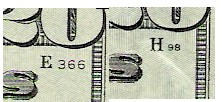
The note on the left is a new SOI note and the one on the right a normal note. As you can see the SOI plate number is larger than the normal note's plate number.
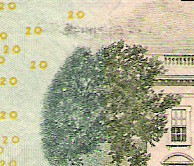
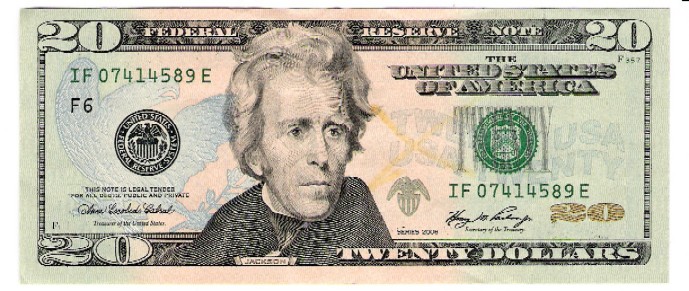
Armed with this knowledge and the mission of reporting unreported serial number ranges, I have been keeping my eye out for SOI notes. This is the first example of one that I have found:
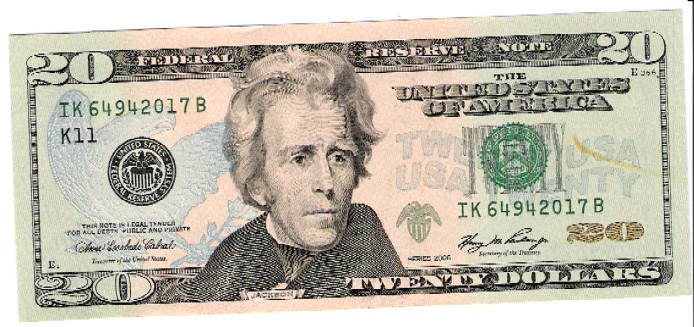
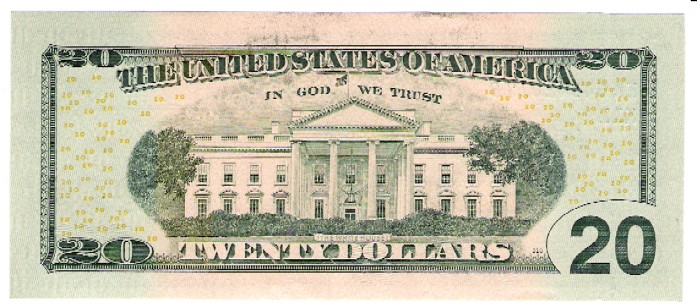
It falls within a reported range

, however I find it interesting for a couple of reasons.
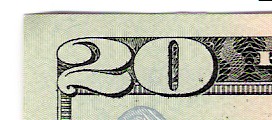
First, it has this uneven cut above the zero in the number 20 in the top left portion:
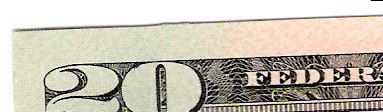
You can see it kind of looks like there is a bump. I promise you that is not a bad scan angle, or a bend. Now the note is in such good condition I would highly doubt that anything caught, or snagged the bill and sliced off a chunk. I'm not entirely sure how often of an occurrence that is, but I have looked at a lot of notes very closely and have never personally noticed it in any other note.
I also don't know if the COPE, Currency Overprinting and Processing Equipment, is the same used in the printing of normal intaglio notes . COPE is what is used in the third printing of all notes. Or even if the mark is caused by the equipment used to cut the sheets apart. So I can't be sure that the mark was made with equipment pertaining to the SOI equipment or current intaglio equipment.
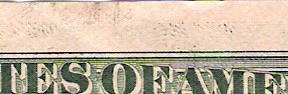
Second, it has a lot of grease from the rollers, or whatever else is used in the printing process, that are used to sort and move the various notes.
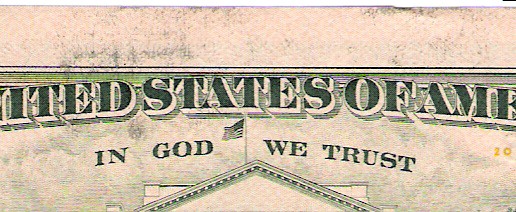
This kind of staining I have seen on other bills before, and am pretty sure of its nature. Again I don't know if the current intaglio COPE is used, or if the mark was made with equipment connected with the SOI.
If in fact new equipment was what casued these marks it begs the question how prone to malfunction is it. It could be a brand new Web press note and be discontinued because they can't wring out the kinks. The first note I find exhibits some of the same reasons the Web press stopped being used? Strange.
Or it could be old COPE which could have been used to print way more notes and just need a little fixing.
If anyone out there can shed light I would love to hear some answers. Also if interested you should keep you eye out for them and post any possible defects you may notice and report the serial to the above listed site. I know I will be

.




 Posted 11/03/2009 10:12 pm




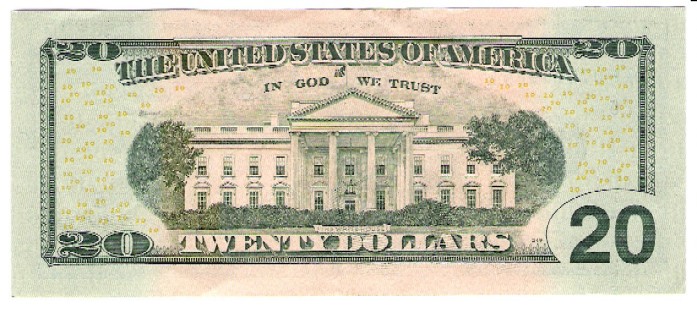
 . However this bill exhibits the same characteristics that my previous find exhibited.