They "look" normal. That doesn't mean they are. Drawing conclusions from a photograph is a slippery slope, and it's not advisable to believe
anything you see in an
ebay photo.
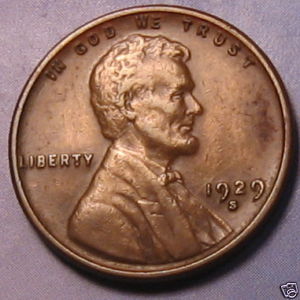
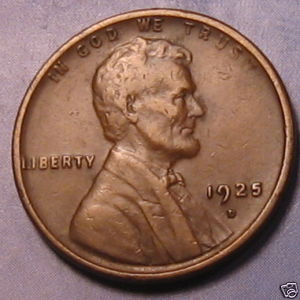
Using these shots as an example: nicely done, pretty clear but relatively small. You could form an opinion of the technical grade to within 10 points from them. What jumps out at me with these shots is not their clarity, though - it's the background. The background is a rather unnatural color for *anything.* It might be gray; if so, there's too much red in it and that means there's too much red in the coin, so they're a lot darker than the photos show. The brightness is not consistent across the background - obviously the lighting is at 11:00 or so - so which part of the background is correct?
I'll call the background gray, and adjust in the Gimp to get it correct:
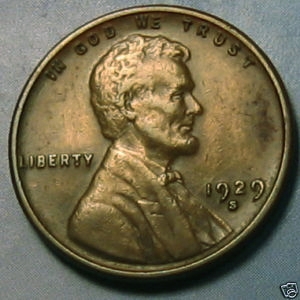
First of all, remember, this looks right on my monitor. That doesn't necessarily mean it'll look right on yours, and I may be wrong about the background color. With the light being so uneven, the right side still looks a little blue when the left is close to correct; what does that do to the right side of the coin?
Either way, I now have a coin which has suspect bright areas in the fields east and west of Lincoln, and I don't like the dark patch near the rim at 3:00. For this coin, not such a big thing, but what if it were a 1931-S?
I don't necessarily suspect either these coins or the seller. This is more about illustrating the point of not making conclusive decisions based on photographs.












 Posted 12/09/2009 11:27 pm


