Indian1, you're not senile! Or if you are, I am too, because what you wrote makes big sense to me!

That's what I meant by writing "all the doublings are going the same direction, and the marks are clear".
We came to make that distinction, I'll try to explain the difference we make the best I can. Let me know if it makes sense to you or not.
Die Deterioration, like its name tell, is a deterioration of parts of the die, and will leave marks like #11 of this list
http://www.coinsandcanada.com/coins...arieties.phpThe doublings look rough, irregular, and will more likely go in different directions.
Die shift marks will be left by a loose die. The strike will be made as usual, but the loose die will twist under the high pressure. Then, as soon as the pressure is released, the twisted die will "shift" back to normal, leaving a doubling effect on some element, like #14 of the above list.
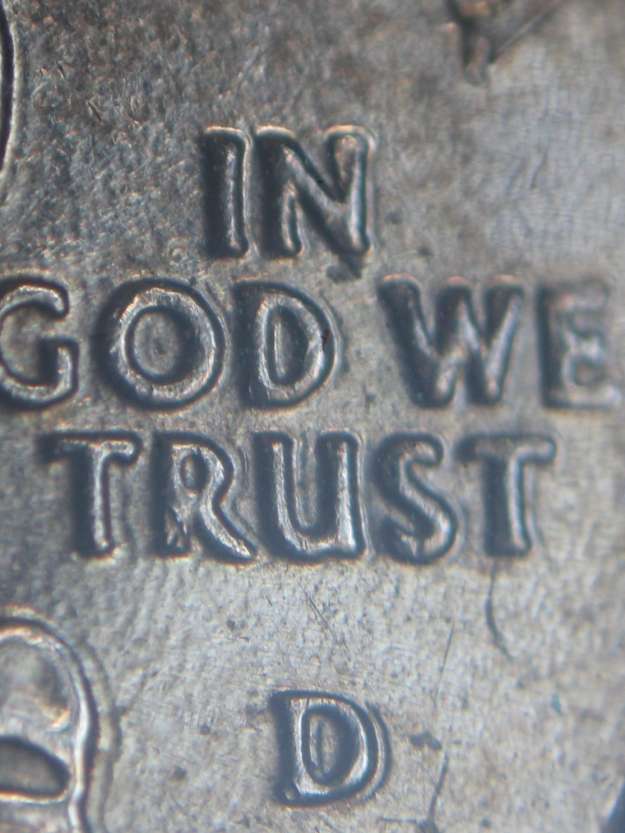
That's why I think the doublings on my coin are the result of a die shift: pretty much everything you see in the picture I shown is doubled, the marks are pretty sharp and always going towards the right.
Most of the coins of the list above are canadian, but there's still two
US coins:
#3
Cuds is illustrated by a 5¢ 1981P;
#23 Die damage shows a 1¢ 1985.












 Posted 05/06/2010 8:07 pm


 to the forum you both!


