Posted 07/14/2006 04:37 am


The letters that you couldn't write (in this word) are P, (that looks like Greek Pi) and I (like in the word "pill") that is vertical mirror image of N.
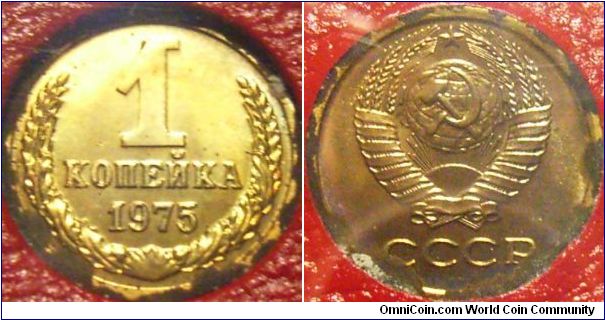
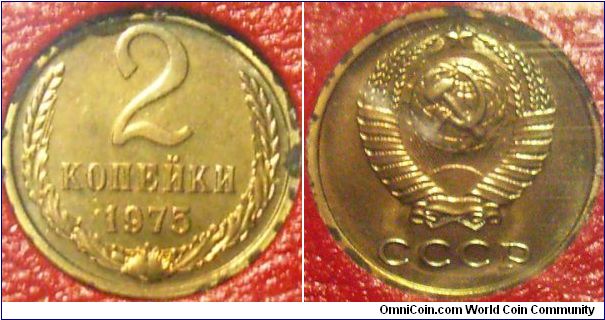
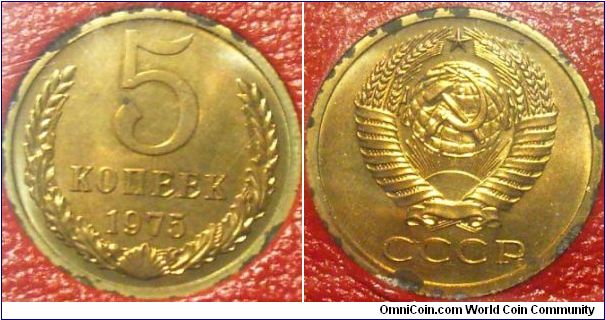
The singular is Kopeika, and plural is a little complicated; Kopeek, Kopeiki are forms of plural, I don't remember the exact grammar they use but I believe the have kopeiki for 2 and kopeek for more than 2 (some different pronunciations with silent auxiliary letters are engraved on Russian coins from time to time).
As in the last coin you mentioned, Bulgarian cent for Lev (plural Leva) is stotinka, which becomes stotinki in plural form. Bulgaria also has used some differnt pronunciations for Lev.
I guess that comes with the new governments. As rulers change they eliminate the silent letters. To see what I mean, check the link Sap gave and see the letter "hard sign (yer)"
The singular is Kopeika, and plural is a little complicated; Kopeek, Kopeiki are forms of plural, I don't remember the exact grammar they use but I believe the have kopeiki for 2 and kopeek for more than 2 (some different pronunciations with silent auxiliary letters are engraved on Russian coins from time to time).
As in the last coin you mentioned, Bulgarian cent for Lev (plural Leva) is stotinka, which becomes stotinki in plural form. Bulgaria also has used some differnt pronunciations for Lev.
I guess that comes with the new governments. As rulers change they eliminate the silent letters. To see what I mean, check the link Sap gave and see the letter "hard sign (yer)"