| Author |
 Replies: 28 / Views: 4,293 Replies: 28 / Views: 4,293 |
|
Pillar of the Community
 United States
1551 Posts |
|
|
|
|
Valued Member
United States
380 Posts |
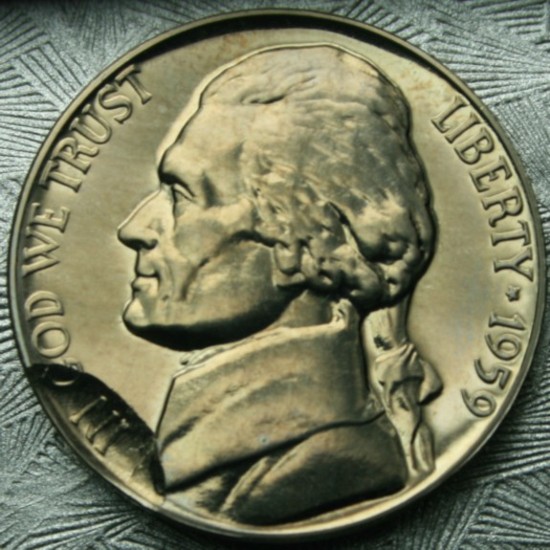
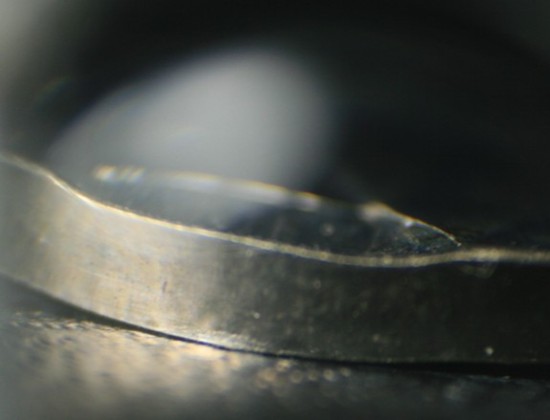
LOL... Looks like it was clipped before being struck. Weird and cool.
|
|
Pillar of the Community
United States
689 Posts |
Very cool! I've not seen anything like that that before. Awesome find and congrats.
|
|
Pillar of the Community
United States
2120 Posts |
honestly, I wouldn;t have removed it from the proof set.
|
|
Pillar of the Community
United States
3640 Posts |
Oh boy, gotta think on this one.
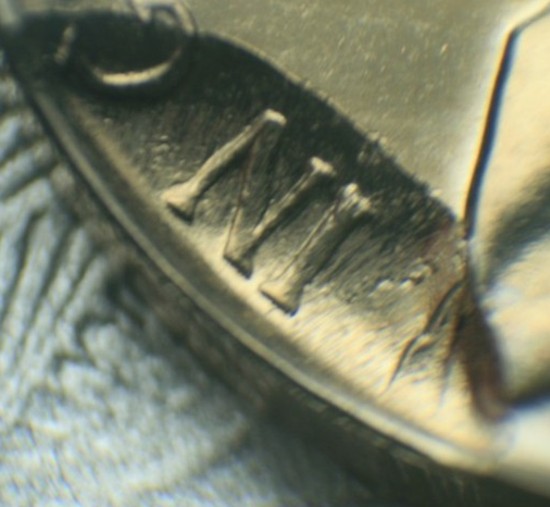
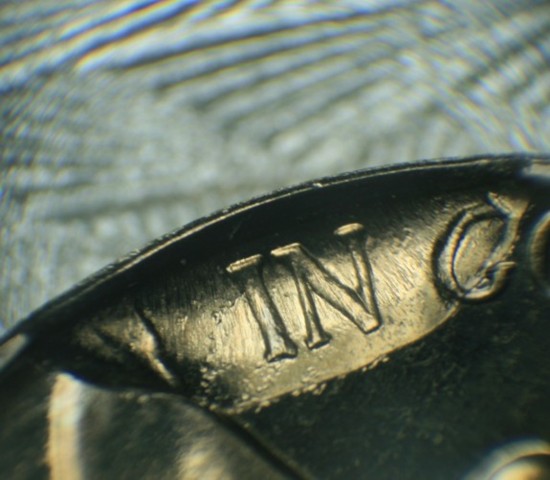
First off it is not clipped. Incomplete planchet would be the correct term if so. Kind of like what came first the chicken or the egg. It even shows the collar intact. Never saw a coin that could be struck with such smooth detail on a concavity like this. Probably a simple answer but not coming to me at the moment. If it was in circulation it might be called just post mint funny business but it was not. How this even got into a proof set is beyond me unless it was opened at one time. If the planchet was made out of rubber maybe
such strike is possible but on a nickel ?
|
|
Pillar of the Community
 United States
1551 Posts |
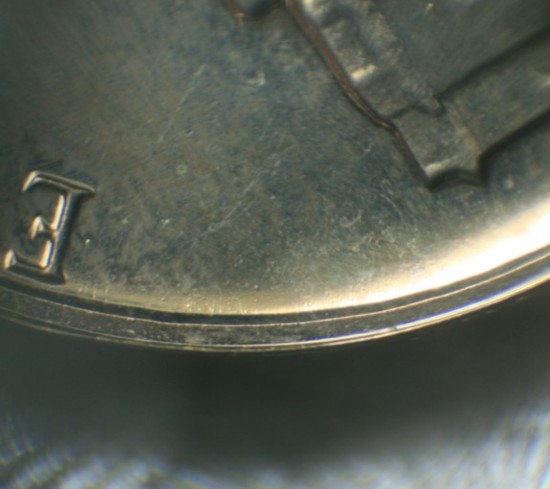
If this thing was not opened by (me) I would think that it could of been played with. The coin has a small bend in it and is not flat on the reverse of the coin. But it has no marks on it and has the reverse rim die mark still on it. Being a proof coin it is just very odd
|
|
Valued Member
United States
142 Posts |
The area was struck then somehow shifted. Either it is a weird case of Post Strike Damage that I cannot explain or (just throwing it out) some kind of weird indent occurring in between the two proof strikes even though I am not sure that is possible with the little amount of time and the design not being somewhat flattened. If no one has a definitive answer I suggest emailing Mike Diamond of CONECA...
Jason Cuvelier
|
|
Pillar of the Community
United States
1699 Posts |
Yeah I agree that this might be an indent. Maybe this coin didn't totally leave the striking area before a planchet overlapped the coin and was struck into it. But I'm not totally sure.
|
|
Pillar of the Community
United States
1551 Posts |
A guy on a different site thinks the indent was form the second strike almost like a new plancett was on the edge. The indent is deeper than any of the field and I have never seen anything like it.
|
|
Valued Member
United States
142 Posts |
Quote:
A guy on a different site thinks the indent was form the second strike almost like a new plancett was on the edge. The indent is deeper than any of the field and I have never seen anything like it. That's what I was suggesting too. Email images to Mike Diamond and get his opinion, if anyone knows it will be him... Jason Cuvelier |
|
Bedrock of the Community
United States
10284 Posts |
Maybe the die split and that portion was still attached but was somehow more raised than the rest of it? Sort of the reverse effect of what causes a Cud. Edited by TNG
08/27/2010 10:20 am
|
|
Bedrock of the Community
United States
12437 Posts |
I would say it is a second strike indent although I have never seen one on a proof, that is pretty cool  The coin would be struck normally the first time but it would not completely clear the dies after striking. Another planchet was fed to the dies and was struck while overlapping the edge of this previously struck coin. The second planchet would have received a strike out of the collar. The first coin was work hardened by virtue of being struck while the second planchet was softened before striking through annealing. Since this is a proof, the first coin was struck with higher pressure than a business strike so a proof would be subject to a higher level of work hardening. Because of this work hardening, you would expect a majority of the original strike on the first coin to be retained. |
|
Pillar of the Community
United States
1551 Posts |
I was under the impression that the proof coins are hand fed into the press?
|
|
Forum Dad
 United States
24225 Posts |
|
|
Valued Member
United States
380 Posts |
The suggestion from the other site was this.... verbatim.
"It looks like an indent. caused by another planchet landing on top of the coin as it was being struck the second time(proofs are struck twice). RARE! you might have been better off leaving it in the holder, it'd slab easier. error roookies at gradiing services might have problems with it. clipped proofs are rare too."
|
|
Pillar of the Community
United States
2752 Posts |
Awesome error. It's an in-collar double-strike with an indent on the second strike. Either there was no movement of the coin between strikes, or the extra high pressure of the proof strike obliterated any evidence of multiple strikes. I've seen plenty of business strikes with errors like this, but this is the first proof of this kind I've encountered.
Error coin writer and researcher.
|
| |
Replies: 28 / Views: 4,293 |









 Posted 08/26/2010 5:32 pm





