| Author |
 Replies: 13 / Views: 9,336 Replies: 13 / Views: 9,336 |
|
|
New Member
United States
41 Posts |
item condition: uncirculated both the obverse & reverse have a strong and beautiful black and some copper bronze look from the annealing oven. The coin in my photos was pulled from a bank roll in 1997. I don't think the photos capture the dark tone as well as I'd like, but regardless is in unciculated condition. 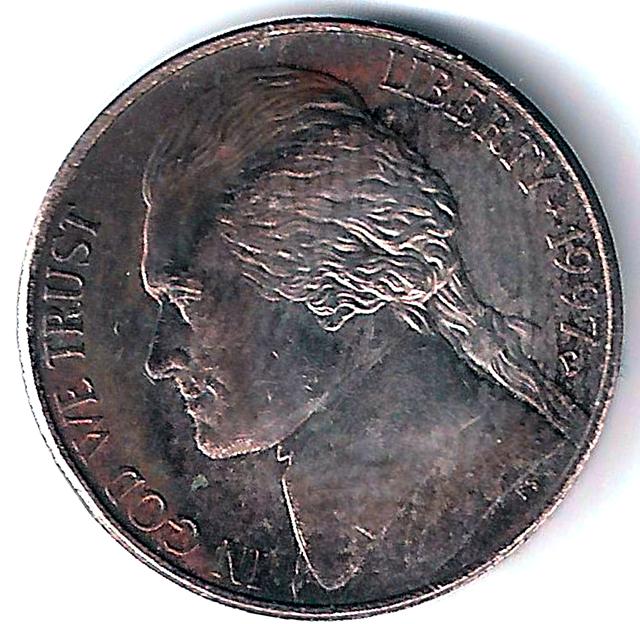 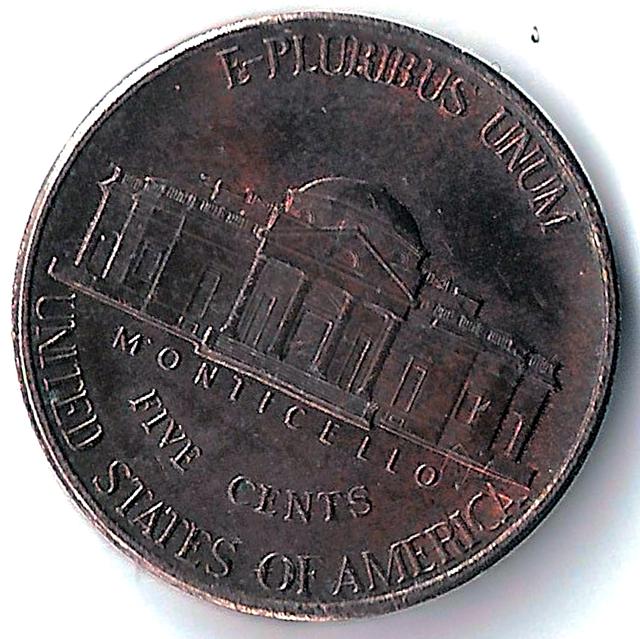 |
|
|
|
Pillar of the Community
United States
1150 Posts |
I don't collect nickels but that sure is interesting. Looks nice, too.
|
|
Bedrock of the Community
United States
62064 Posts |
Looks like a burned coin that was in a fire. I would say PMD. |
|
Bedrock of the Community
United States
12437 Posts |
If it is genuine, it should have cartwheel luster. PMD coins will have impaired luster. |
|
Pillar of the Community
United States
3592 Posts |
Agree with biokemist6, we should see the luster on a true "black beauty".
|
|
New Member
 United States
41 Posts |
new pictures 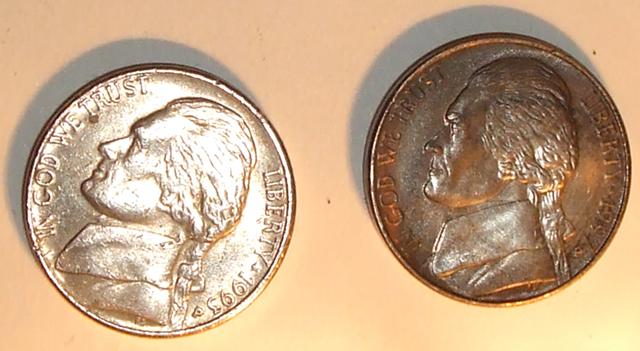 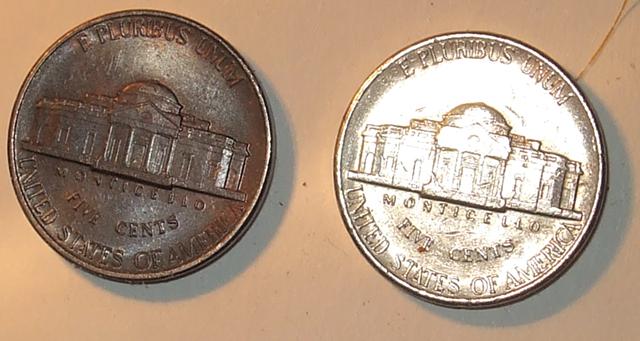 |
|
Pillar of the Community
United States
880 Posts |
I like it... Thanks for sharing :)
|
|
Pillar of the Community
United States
2751 Posts |
Sintering has been debunked as the cause of discolored quarters. We now speak of "improperly annealed planchets". Prolonged exposure to heat or too much oxygen in the annealing oven causes copper and nickel atoms to migrate and segregate out into relatively pure layers. This explanation comes from the Mint and is supported by close study of affected coins. As to whether this particular nickel is a legitimate example, I am not sure.
Error coin writer and researcher.
|
|
Pillar of the Community
United States
3592 Posts |
ANACS calls them "improperly mixed alloy"
|
|
Bedrock of the Community
Australia
21789 Posts |
I have some sad news for you.
I looked at the image, and immediately did an experiment.
I put a nickel on by electric stove element until the element was red hot. I turned it over (using tongs), to roast the other side. I roasted it for about a minute on each side, and immediately plunged it into cold water. When cold (almost immediately), I vigorously rubbed it with a dry cloth.
The result is exactly as you see in the images above. It wasn't even worth photographing. You can repeat the experiment for yourself It took me all of three minutes to perform.
Edited by sel_69l
01/02/2011 01:59 am
|
|
Pillar of the Community
United States
958 Posts |
yes high heat direct flame contact cuases it to blacken.
high heat not direct say in a fluid boiled cuases a copperish look
i posted pics in the other thread of a nickle boiled in vinager
|
|
New Member
United States
41 Posts |
1996 dime .one side red copper color in 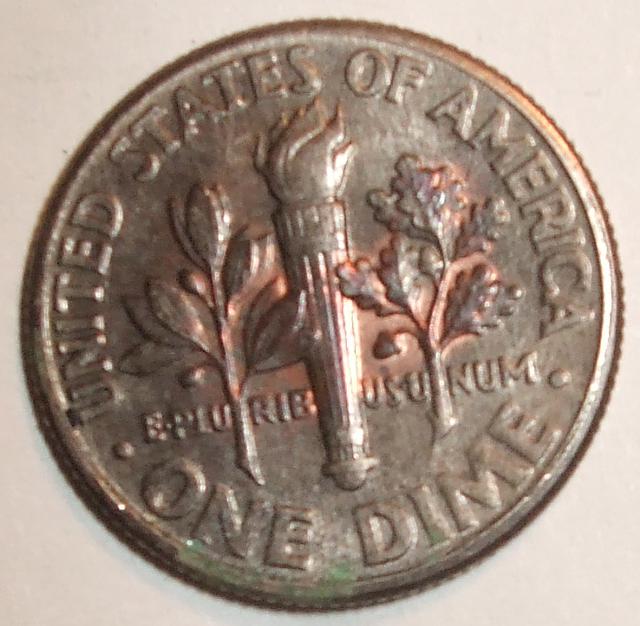 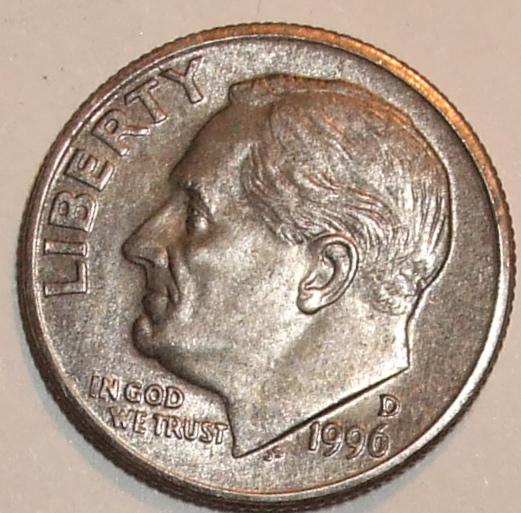 |
|
New Member
United States
41 Posts |
|
|
New Member
United States
1 Posts |
|
| |
Replies: 13 / Views: 9,336 |
|







 Posted 01/01/2011 02:19 am