| Author |
 Replies: 10 / Views: 1,185 Replies: 10 / Views: 1,185 |
|
|
Valued Member
United States
114 Posts |
|
|
|
|
Pillar of the Community
United States
974 Posts |
By the title and comments you don't want to hear it's MD...ok it isn't...
But I think NOT!
|
|
Bedrock of the Community
United States
62064 Posts |
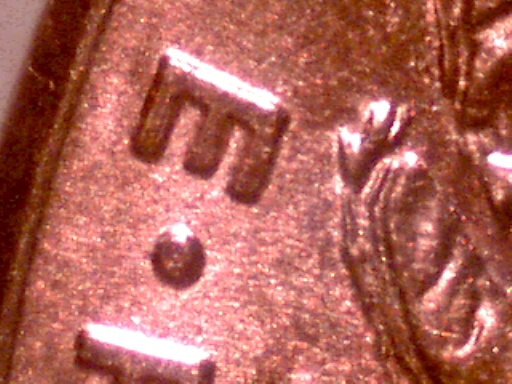
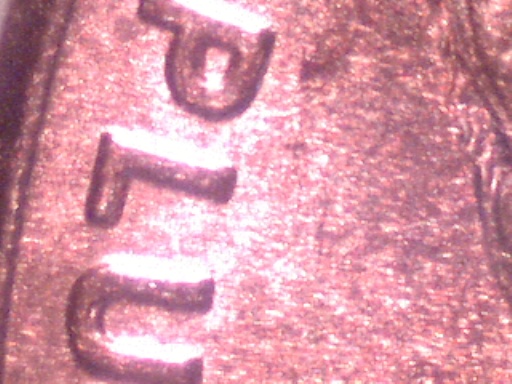
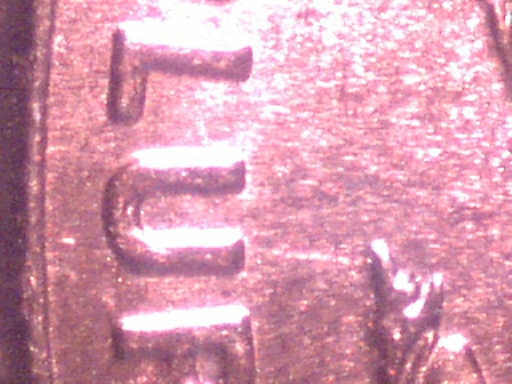
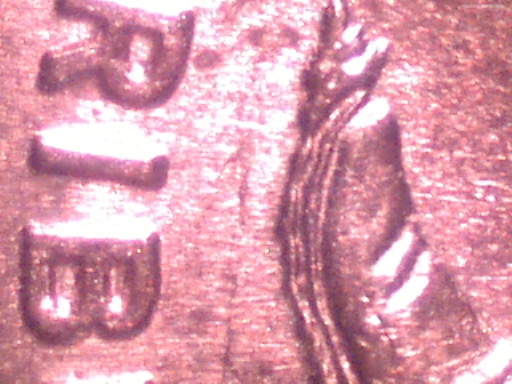
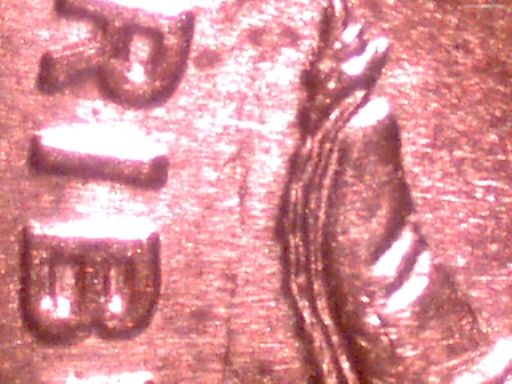
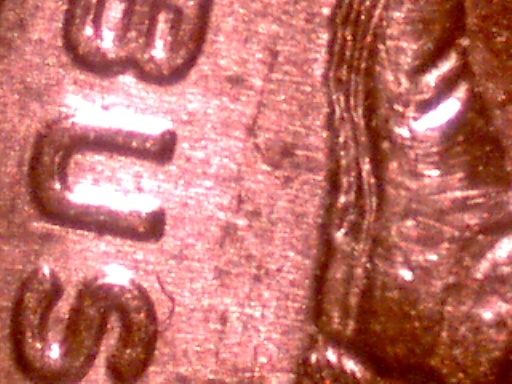
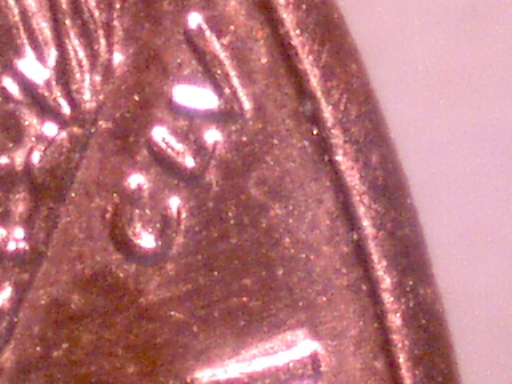
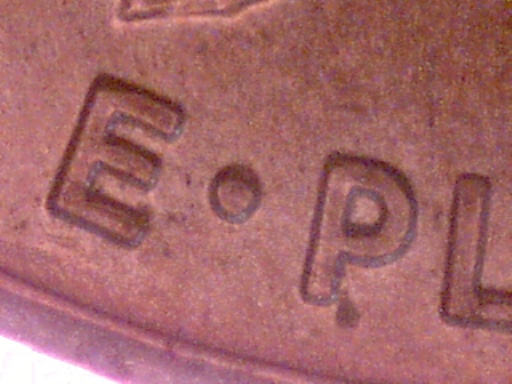
Machine doubling. Sorry. On the single squeezed dies the doubled dies are found in the center parts.
|
|
Pillar of the Community
United States
4000 Posts |
What about the '95's coop?
|
|
Pillar of the Community
United States
3592 Posts |
Good question Scooby...mine was more like when did the single squeeze method start ?
|
|
Bedrock of the Community
United States
12437 Posts |
1995 Lincoln DDOs were double hubbed, I am not positive but I think the first full year of production for single squeeze working dies for cents was 1997.
|
|
Pillar of the Community
United States
4000 Posts |
The best way to get a correct answer around here is for me to say something and get corrected.  Soooo, I believe the single-squeeze era began in 1986 (or began the process of development).  Edited by Scooby Due
03/24/2011 6:00 pm
|
|
Pillar of the Community
United States
601 Posts |
It's amazing where you can find info, this from wikipedia- (not sarcasm, I didn't expect such detailed info from this source!) In 1986 The Annual Report of the Director of the Mint for financial year 1986, states that the mint had been experimenting with a new single-squeeze hubbing system. In the year 1996, the mint announced at the opening of the Denver Mint's die shop that the cent, nickel and dime dies would be made from this process. It took until 1999 to include the rest of the denominational coins' dies to be produced by this method. http://en.wikipedia.org/wiki/Wavy_s...eeze_HubbingEdited for clarification. Edited by liveandievarieties
03/24/2011 6:04 pm
|
|
Pillar of the Community
United States
4000 Posts |
According to John Wexler:
A major turning point for hub and die production in the U.S. Mints came in the summer of 1996 when the Denver Mint opened its own die making shop. Prior to this, all aspects of the die making process were done exclusively at the Philadelphia Mint. The new Denver die shop was equipped with the single-squeeze hubbing presses that the Mint started developing in the mid-1980's.
The die shop at the Denver Mint does not produce master hubs or master dies. All master hubs and master dies are still produced at the Philadelphia Mint. Master dies for coinage production at the Denver Mint are shipped to the Denver die shop from the Philadelphia Mint's die shop. The Denver die shop then produces the necessary working hubs and working dies in their die shop. The Denver die shop also produces the unfinished working dies that will be used at the San Francisco Mint. Once received from Denver, the working dies receive their special finishes for proof coin production at the San Francisco Mint.
|
|
Pillar of the Community
United States
4000 Posts |
The 2006P-1DO-017 comes to mind also. Anyway, back to the coin in question... |
|
Pillar of the Community
United States
1547 Posts |
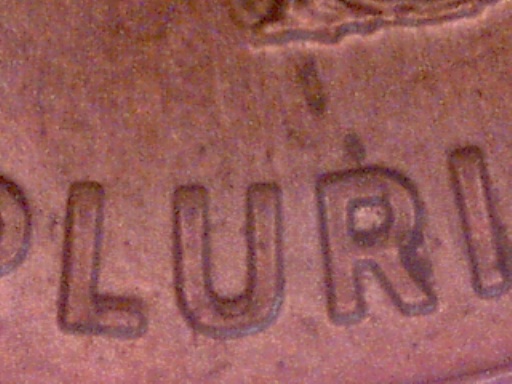
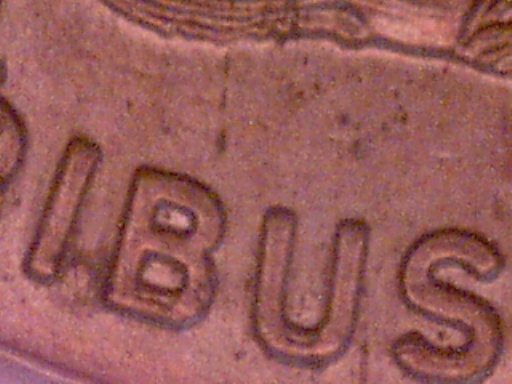
LincError, look at the bottom of the BUS in your bottom picture. Do you see how thin that area is compared to the rest of the BUS? In a doubled die, those primary images will always be fully-intact. In strike-doubling, the secondary images will always compromise those primary images, as seen, here. Just another of the ways you spot these. Pay attention to whether or not those primary images are fully-intact.
|
| |
Replies: 10 / Views: 1,185 |
|









 Posted 03/24/2011 4:03 pm





