| Author |
 Replies: 8 / Views: 1,208 Replies: 8 / Views: 1,208 |
|
|
Pillar of the Community
United States
810 Posts |
I had these 2 coins setting aside for awhile now and was curious on them both. The first one is obviously a Struck Through Grease. The question on that one is does this coin carry any kind of premium? the reason I ask because this is the strongest Struck Through Grease I've found in years of searching. The second one appears to be weak plating. Now the question on this one is this an error or some mumbo jumbo science project, and if an error does it carry premium and what is the correct name for this error? 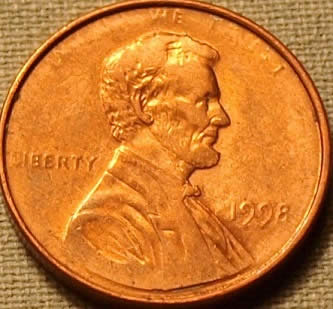 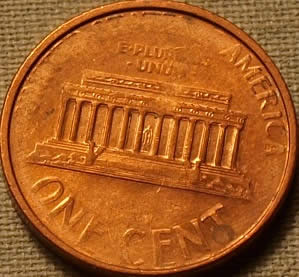 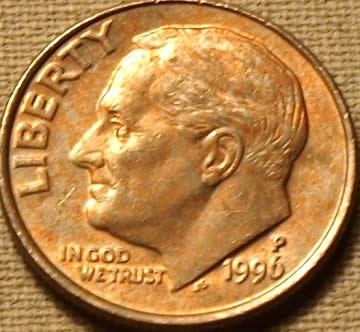 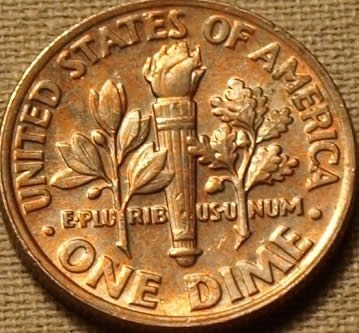 |
|
|
|
Pillar of the Community
Canada
838 Posts |
A bit off topic: the first one looks like it might be a WAM -- It's hard to tell, though. I don't know much about errors -- sorry. |
|
Bedrock of the Community
United States
62064 Posts |
1998 struck through error. (grease)
1996-P Dime. Hard to tell from images provided. When you look at the reeding on the edge of the coin, can you see the silver layer on the outside of the copper core? Is the core and the obverse and reverse the same exact color? It could be plating, enviromental damage or something else. Hard to tell without the coin in hand?
|
|
Pillar of the Community
 United States
810 Posts |
No its not a WAM the grease made it look that way. The silver layer on the outside of the coin is practically gone. Its mostly copper. I dont understand what you are saying about the core though. Edited by Double Mint
04/10/2011 9:12 pm
|
|
Pillar of the Community
United States
3640 Posts |
Couple things. First and nothing to do personally with the poster but I keep hearing Struck Through Grease a lot. Yes I agree struck through with something. Not nit picking but I read others posts about generic words and terms and how they are tossed around. Unless you can still actually see grease around the area of concern there is no way that one can positively state that it was Struck Through Grease. I think "Struck through Debris" would be a much better term to use. The dime looks like normal environmental process. I have seen clad dimes of all colors, shades, condition etc. when picking them up in all kinds of ground conditions with my metal detector. |
|
Bedrock of the Community
United States
62064 Posts |
The core is copper with two silver colored out side sandwiched attached to the coin. Various factors can affect the silver color metal to turn in color. Probably an altered finish.
|
|
Pillar of the Community
United States
810 Posts |
Yeah the core is partly copper and silver. No its not weathered or environmental damage. The picture just isn't the greatest to capture the copper showing. It does appear to look like a coin that came out of the ground with the way the picture looks. But trust me that is the copper underneath the silver you see. I was just wondering is it possible that a science project can make the outside layer fade and not affect the copper?
|
|
Pillar of the Community
United States
3640 Posts |
Hi
I believe that is the copper showing under the zinc.
There are 100's of different types of ground conditions
that can cause zinc to be stripped/eaten/worn away.
I live in new england and have found coins in all kinds of soil,
water, sand, gravel etc. Temps, humidity, chemicals, acidity, sunshine, shade, oils, and on and on can affect a coin in so many ways. One day if I ever have the time I would like to make up a collage of sorts showing what fresh/saltwater, soil types/conditions etc. does to all types of coins. Right now I have a roll of just detector finds of dimes, nickels and quarters (all clad) They range from silver color to orange and most colors in between etc. As well as showing natures other effects on them.
|
|
Pillar of the Community
United States
810 Posts |
Thanks for clearing that up for me. I thought you meant the brown red stuff that seems to grow on these coins from being in the ground for a long time. Ok other question does the struck through carry any premium?
|
| |
Replies: 8 / Views: 1,208 |
|










 Posted 04/10/2011 9:04 pm


