| Author |
 Replies: 9 / Views: 3,284 Replies: 9 / Views: 3,284 |
|
|
New Member
United States
5 Posts |
|
|
|
|
Bedrock of the Community
United States
12437 Posts |
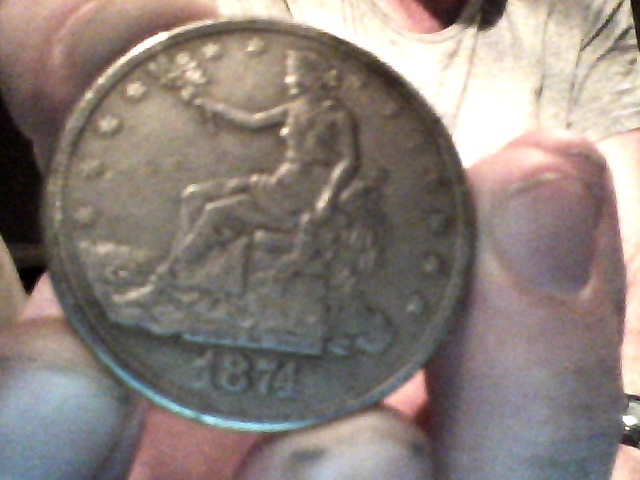
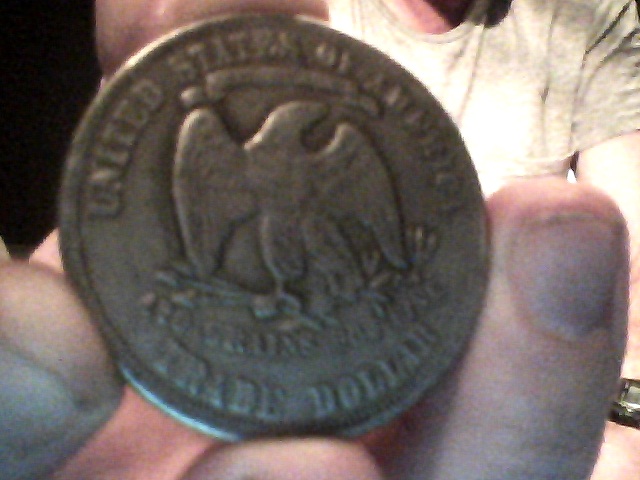
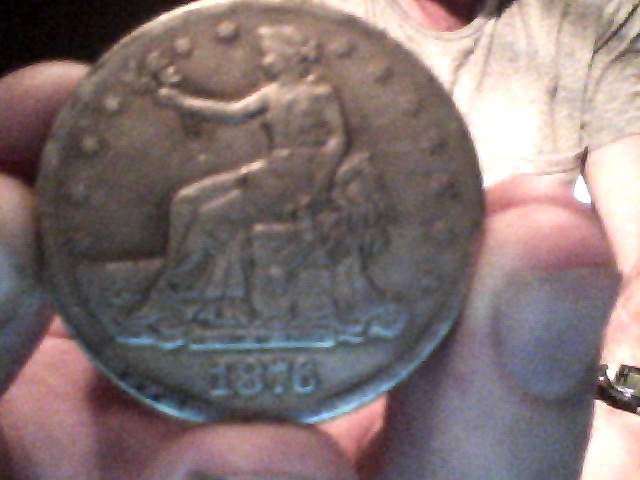
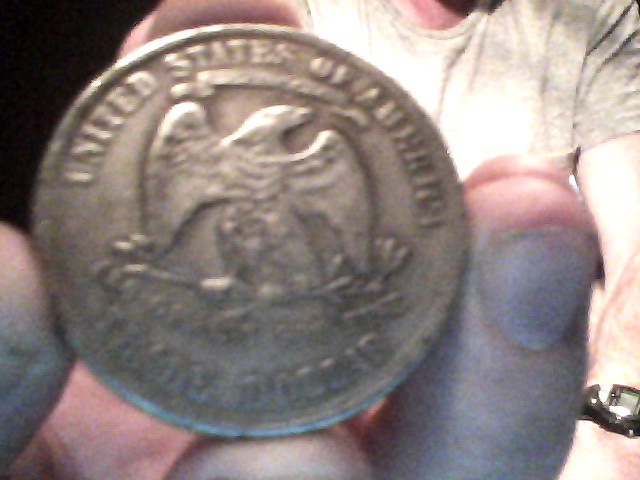
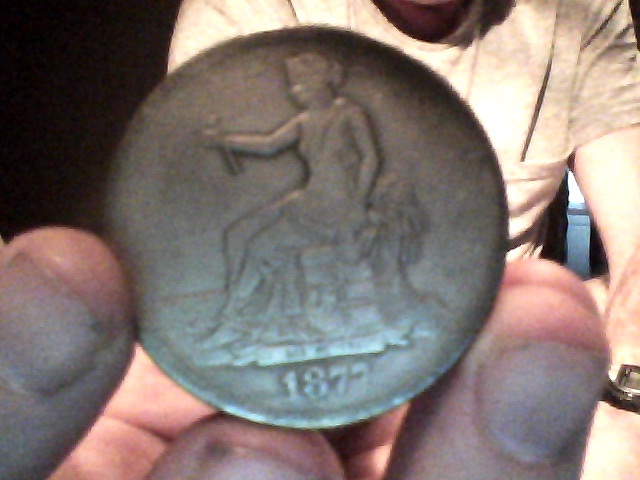
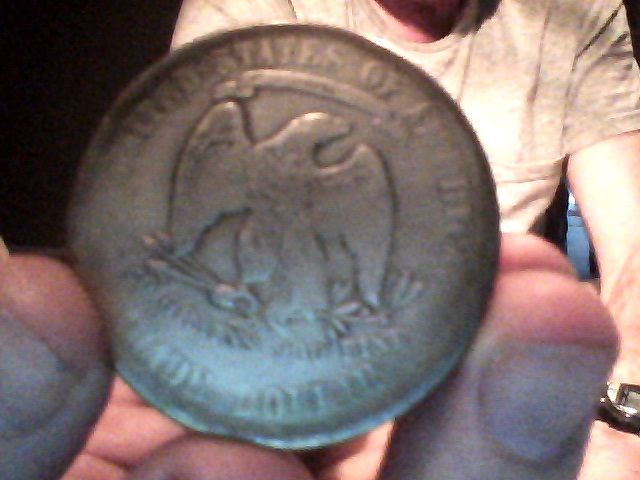
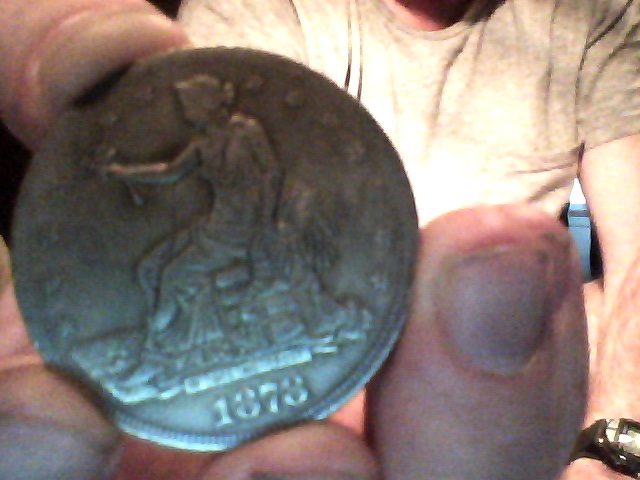
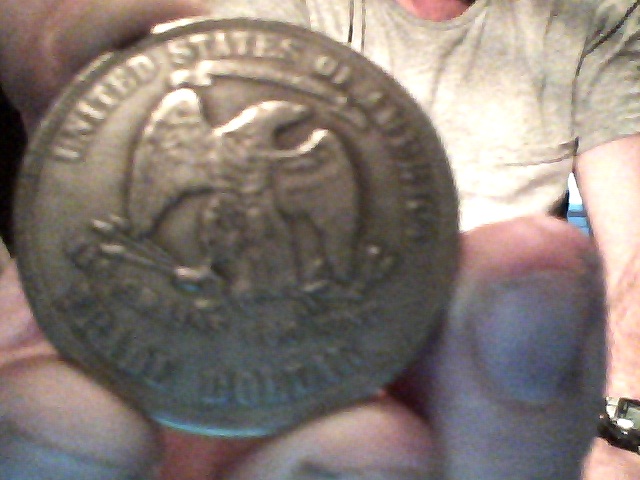
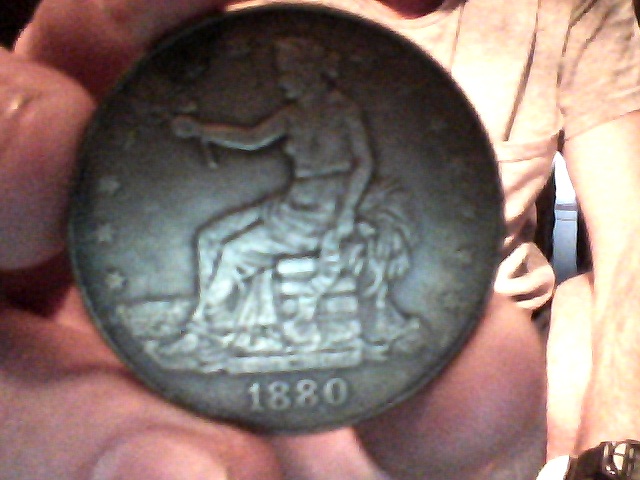
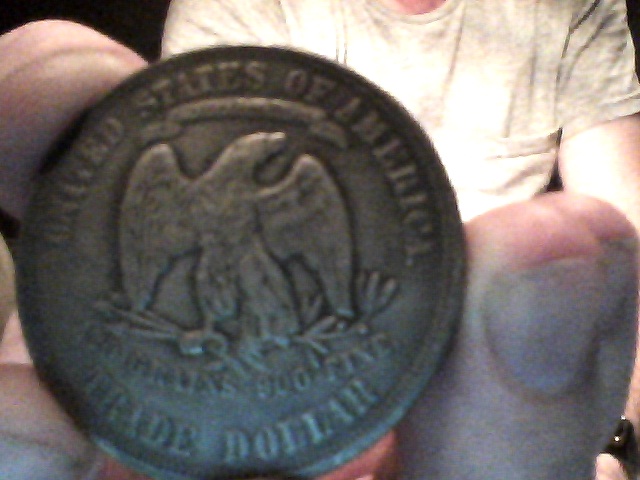
 The 1880 is almost certainly fake, I have serious doubts that it is one of the 1,987 proofs minted in a year with no business(circulation) strikes. The 1878 is also very suspect, see if you can see a mintmark above the D in DOLLAR. An 1878 without a mintmark is also a rare proof-only issue. Since two out of the five are probably counterfeit, that makes the rest of them questionable as well. Tolerance for a Trade dollar is 420 grains +/-1.5 grains(27.22 grams) so only a 0.36% variation in weight was allowed. Obviously, a worn coin will weigh a little less but anything more than 1 gram underweight should be considered suspect. Without clearer pics, it would be impossible to look for diagnostics that would confirm a genuine example. |
|
New Member
 United States
5 Posts |
Thanks, biokemist6. There is no mintmark on the 1878. I suspected these were probably fake, and I'm not very familiar with Trade dollars, but I just can't find anything obvious wrong with them. The lightest is a little more than a gram underweight at 25.8 g, but I wouldn't think fakes would be that close, unless they are ~ 90% silver. Thanks again, and if I can borrow a better camera, I'll try to post better pics. |
|
Pillar of the Community
United States
597 Posts |
if they are fake and the price is right id be interested in the 1880 it looks good enough to teach with.
|
|
Valued Member
United States
312 Posts |
90% silver wouldn't be the worst thing in the world!
|
|
Moderator
 United States
23522 Posts |
One must immediately assume that any raw Trade dollar is counterfeit, and then look for evidence that you're wrong. Unlike most coin issues, Trade dollars have had an inherent motivation to produce counterfeits since the day they were issued, having been minted by one country with the intent that they circulate in other countries. This created a fertile atmosphere for counterfeiting, since they circulated in places where people wouldn't necessary know what they were supposed to look like. That's the reason for "chopmarks" on Trade dollars, a certification by merchants that they were, in fact, genuine. Chopmarks were contemporary, and if they were necessary you can assume that the fakes started appearing immediately. With that said, there's also a market for contemporary counterfeits - people collect them, too. |
|
Valued Member
United States
312 Posts |
Quote:
With that said, there's also a market for contemporary counterfeits - people collect them, too. If you do sell them though, it might be tough and be careful. On top of the obvious need to market the coin honestly as a counterfeit, I'm not sure of the legality of selling one that is not stamped appropriately. At the minimum, ebay would likely remove any postings. |
|
Valued Member
United States
271 Posts |
I have to agree. They are most likely all fake. As far as their metal content goes, how do they sound in the ring test? Nothing rings quite like silver. If your lucky they will at least be fakes made of silver...
|
|
New Member
United States
5 Posts |
Thanks, Chadwick. I tried the ring test, and they seem to sound a little different from morgans, a slightly lower pitch, but had a very similar duration and quality to the sound. I'm not familiar enough with the ring test to know exactly what that means, but I tried all the Trade dollars, and a couple Morgans, and the slight pitch difference was noticeable and consistent. My (uneducated) guess is that if they contain silver, it's not 90%. I do wonder how they got the weight close to correct. Lead sandwich, maybe? I might have to cut one of them open out of curiosity. Edited by Meat68
05/20/2011 01:04 am
|
|
Bedrock of the Community
United States
17884 Posts |
Quote:
I'm not sure of the legality of selling one that is not stamped appropriately. Contemporary counterfeits don't have to be marked. The HPA requirement for marking applies to pieces made in 1973 and later. Quote:
I do wonder how they got the weight close to correct. Lead sandwich, maybe? I might have to cut one of them open out of curiosity. If they are a lower fineness of silver the simple way to get the weight right is make the planchets very slightly thicker. For example if they use 500 fine silver instead of 900 fine to be the same weight the planchet would have to be 2.44 mm thick instead of 2.31 mm or about 5 thousandths of an inch thicker. |
| |
Replies: 9 / Views: 3,284 |
|








 Posted 05/17/2011 9:20 pm


