| Author |
 Replies: 10 / Views: 1,069 Replies: 10 / Views: 1,069 |
|
|
Pillar of the Community
United States
1915 Posts |
|
|
|
|
Pillar of the Community
United States
2752 Posts |
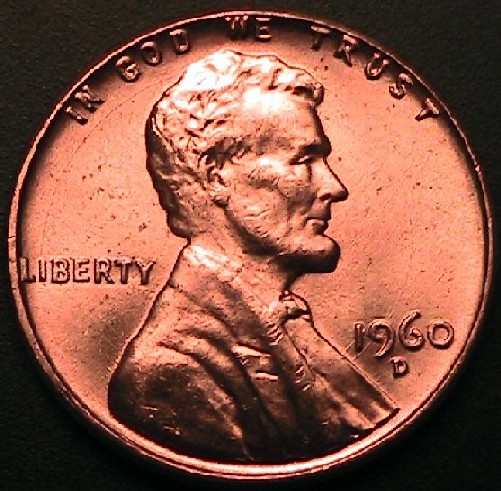
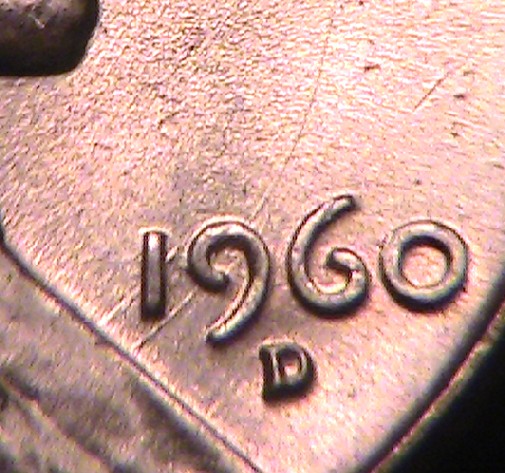
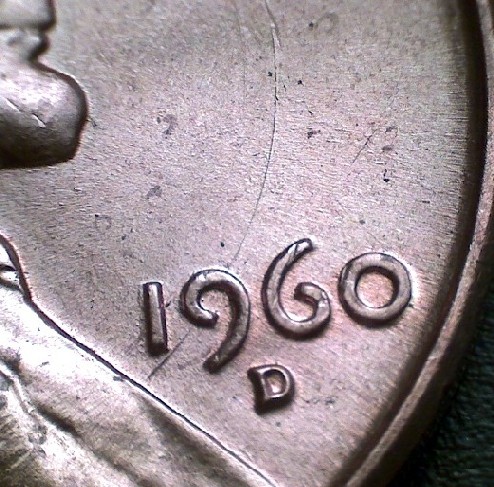
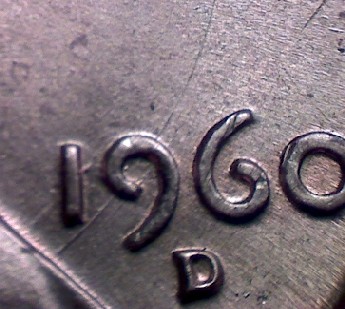
They look like semicircular die scratches. I couldn't speculate on what caused them.
Error coin writer and researcher.
|
|
Pillar of the Community
 United States
1915 Posts |
I found 3 coins from the same "uncirculated" roll that had these same markings. I just found it odd that these "scratches" did not appear on the devices.
|
|
Pillar of the Community
United States
1256 Posts |
The working die is negative. What you see on a cent as a deep flat field is a high flat plateau on the working die. Easy to scratch without touching the deep devices.
|
|
Pillar of the Community
United States
1915 Posts |
Which I understand, but when it skips over the entire chest area before continuing again, it makes for a puzzling point of interest.
|
|
Moderator
 United States
56855 Posts |
The chest area is recessed on the die. Everything raised on a coin is recessed on the die. John1  |
|
Pillar of the Community
United States
1915 Posts |
Folks, I understand that the dies are negatives of the finished product. I am a grown man not a little boy. What I am saying is that if these are indeed die scratches, I would think that they would affect the area in chest as well as it has the fields. I can understand how it would skip over an area where say a letter or number in present, as they do not have a wide surface area. But the chest area makes up close to a sixth of the entire obverse.
|
|
Rest in Peace
United States
9104 Posts |
If the scratch is 0.0001 deep on the die and the bust is 0.0005 deep, whatever is causing the scratch will now be "floating" above the empty area.
|
|
Pillar of the Community
United States
1915 Posts |
That makes sense. I think it makes more sense on a straight scratch rather than one that circles the entire obverse like these. When a die is buffed, is it buffed over the entire surface at the same time? Or, is it many small areas at different times? If a single buffer covers the entire die and moves in a circular motion, I could see how maybe a small chip or speck of metal scratching the higher areas while missing the lower areas in a circular manner as displayed in the coins I have found.
Edited by seal006
07/03/2011 7:09 pm
|
|
Bedrock of the Community
United States
62064 Posts |
The fields are the outside part of the die. Scratches in this area show on fields and are missing through devices. They are just on the outside of the die. These lines are not feeder scratches, but this illustration might help to see what is going on with the die and what the coins can look like:  |
|
Bedrock of the Community
United States
62064 Posts |
These are die scratches, not lathe marks on the die. If they were lathe marks they would follow in a contour around the die. These vary like cleaning/polishing scratches do.
|
| |
Replies: 10 / Views: 1,069 |
|








 Posted 07/03/2011 11:38 am





