| Author |
 Replies: 12 / Views: 1,877 Replies: 12 / Views: 1,877 |
|
|
Pillar of the Community
United States
509 Posts |
These images were posted by SD on another thread.  Whatever technique this photographer was using, it was right on. Looks like this one is a PF but should work just as well for DMPL, PL or blast whites. My guess is some sort of reflected lighting setup with possibly a black reflector on one side. Any thoughts?   |
|
|
|
Pillar of the Community
United States
802 Posts |
Offer him $20 see if he'll take it :)
|
|
Pillar of the Community
 United States
509 Posts |
Be happy to if I knew the photographer. SD posted them. He didn't take them.
|
|
Pillar of the Community
United States
570 Posts |
I agree with a black background. I would have guessed axial lighting, but then the black doesn't go all the way through the coin. Nice photo though.
|
|
Moderator
 United States
23522 Posts |
With all due respect, Sidekick, those are nice images but it's not how you shoot a black-and-white Proof. This is how you shoot a black-and-white Proof, and this is my work: 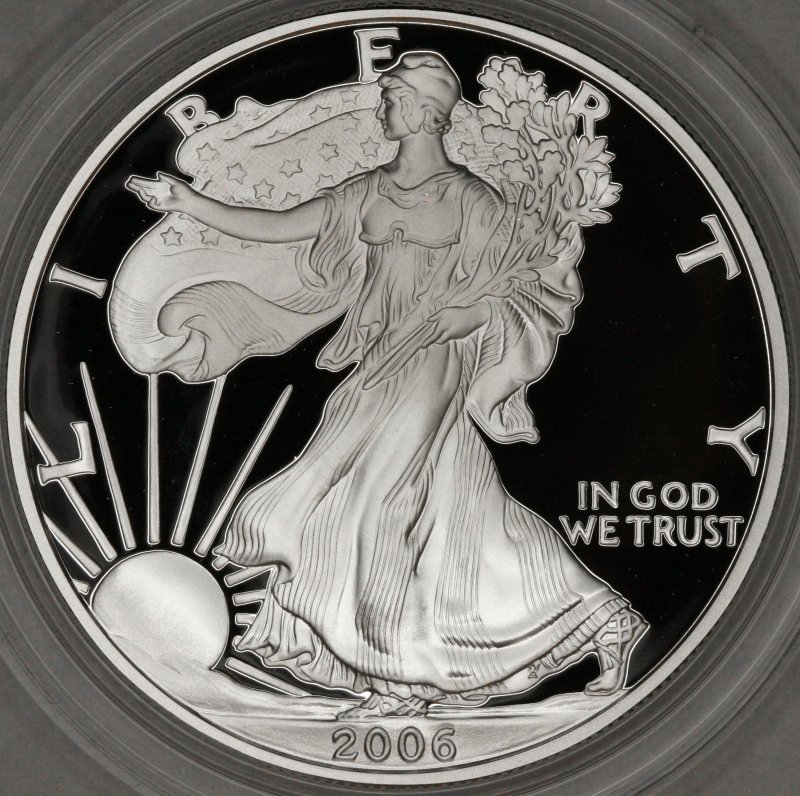 And anyone with $20 and a pair of tin snips can duplicate it. |
|
Pillar of the Community
United States
4051 Posts |
SuperDave...very nice! Have you described the technique in a previous post? If so, please link to it, and if not please describe the technique...Ray
|
|
Moderator
United States
23522 Posts |
Heh. Simple. I bought a 9" circular fluorescent kitchen ceiling fixture, cut a hole in the center and stuck the camera through it.  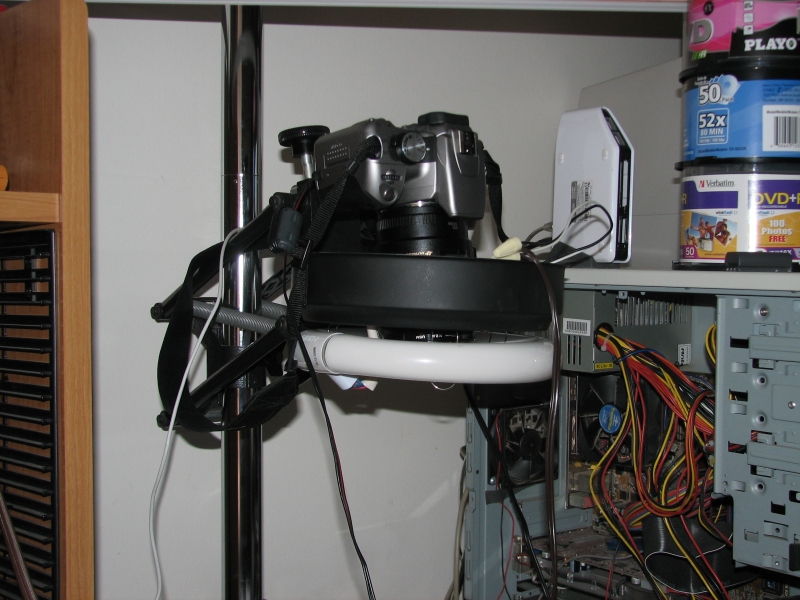 Caveats: 1) Color correction won't be easy; a circular fluorescent is not the same color temperature around its' circumference. You'll want to desaturate more or less. And 2) It's also not of equal brightness all around - note my image is brighter at the bottom than the top. I've corrected the mount since the image above was taken; the camera and the light are now parallel and the ASE was shot with the parallel setup. Having the patience to wait until the bulb warms up (maybe as much as 10 minutes) will help. I lack that patience. |
|
Moderator
United States
23522 Posts |
For the record, the next time I'm going to try a dual-circline fixture, modified so the connectors are 180 degrees out. That should even both the color and intensity. The image above was 1/60@f/14, ISO800, making me think I can wash the coin with a lot more light and not get hot spots. That's the beauty of the circline - no hot spot. Fair warning: this technique does ugly things to lustrous silver. 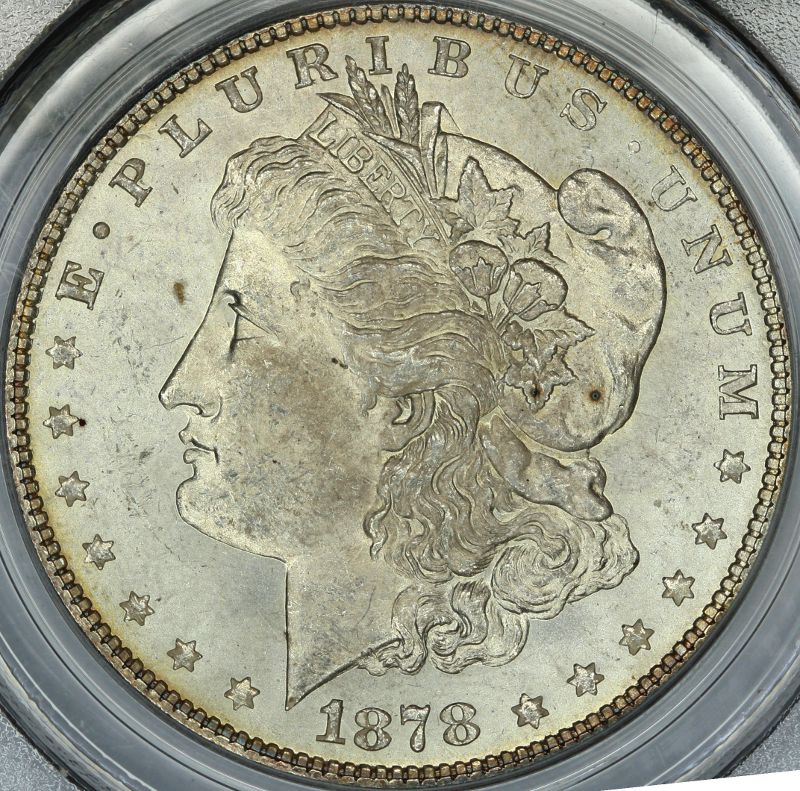 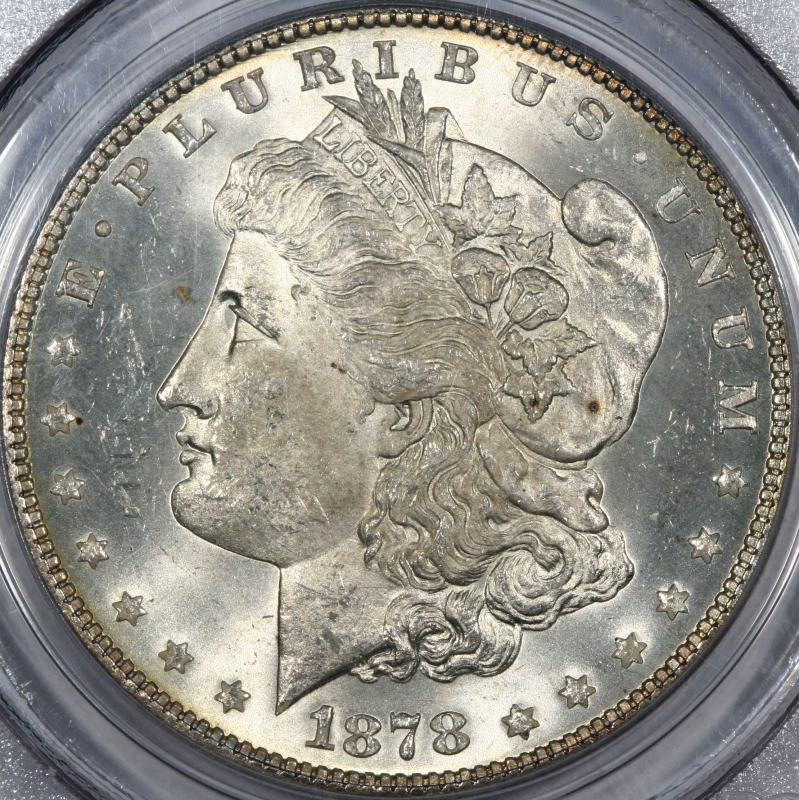 |
|
Pillar of the Community
United States
4051 Posts |
Yep, not unexpected. Ring lights are great for documenting every minor little problem a coin has.
Contact me for photographic equipment or visit my home page at: http://macrocoins.com |
|
Pillar of the Community
United States
509 Posts |
HHmmm....wasn't aware that 1896 shot was B&W. Looked to be some coloring along the rims especially between 9 and noon on the obverse and a bit more on the reverse side.
|
|
Pillar of the Community
2226 Posts |
The second I saw that 96 I knew it was SuperDave. I saw his original post. Dave has also shown us his photography set before. Top of the line compared to mine, a handheld digital and 10x loop.
|
|
Pillar of the Community
2226 Posts |
Beautiful 78s by the way.
|
|
Moderator
United States
23522 Posts |
Quote:
HHmmm....wasn't aware that 1896 shot was B&W. I was using the term to describe the appearance of the coin, not necessarily the photographic technique. Heaven knows I wouldn't mind trying my technique on that '96. Keep wishing, Dave. |
| |
Replies: 12 / Views: 1,877 |
|







 Posted 07/28/2011 7:30 pm





