| Author |
 Replies: 14 / Views: 1,425 Replies: 14 / Views: 1,425 |
|
|
Valued Member
Canada
258 Posts |
|
|
|
|
Valued Member
 Canada
258 Posts |
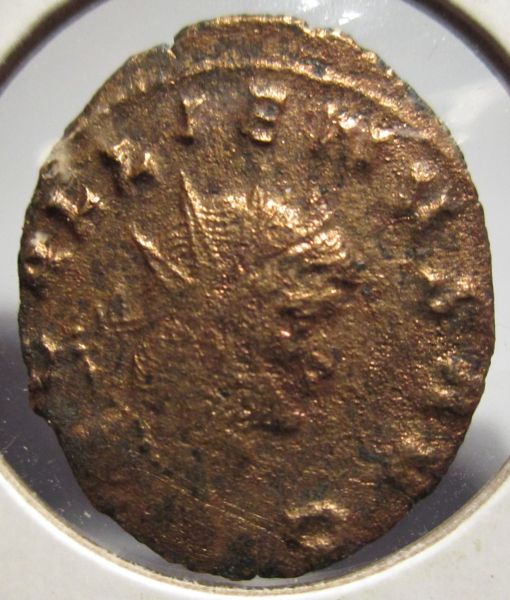
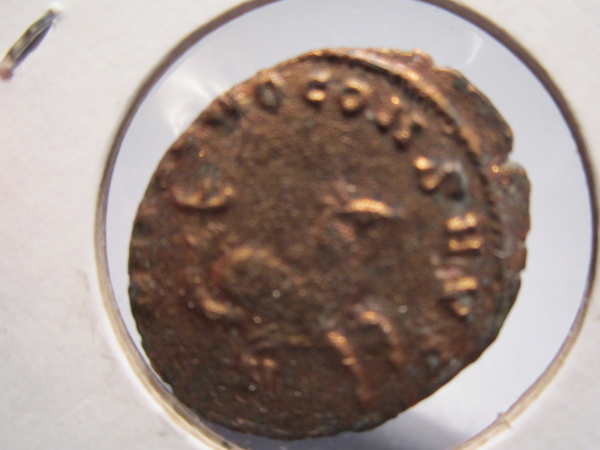
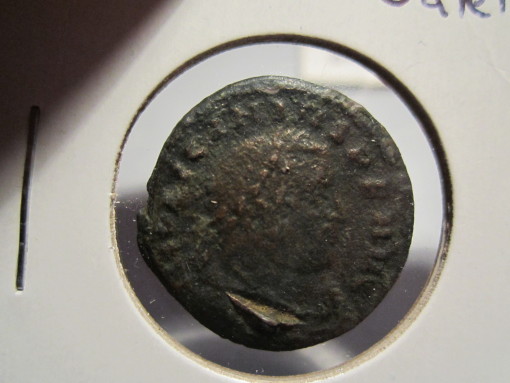
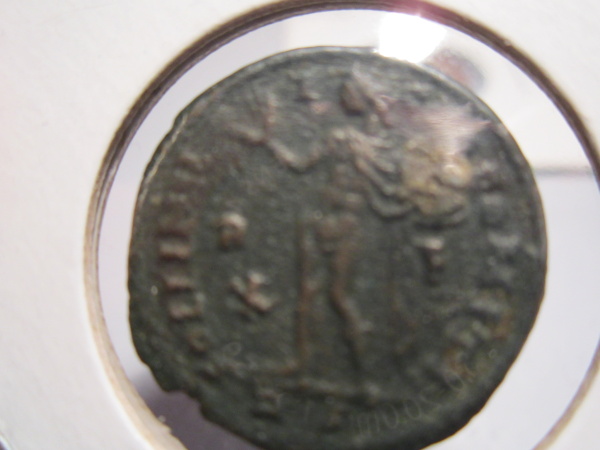
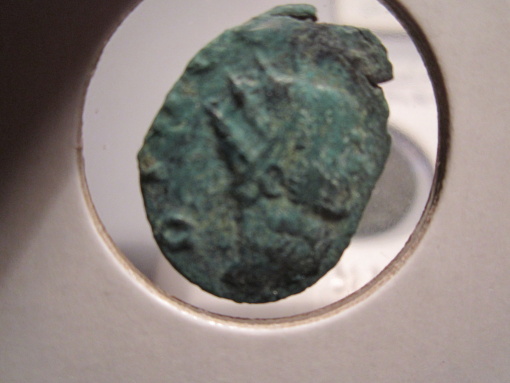
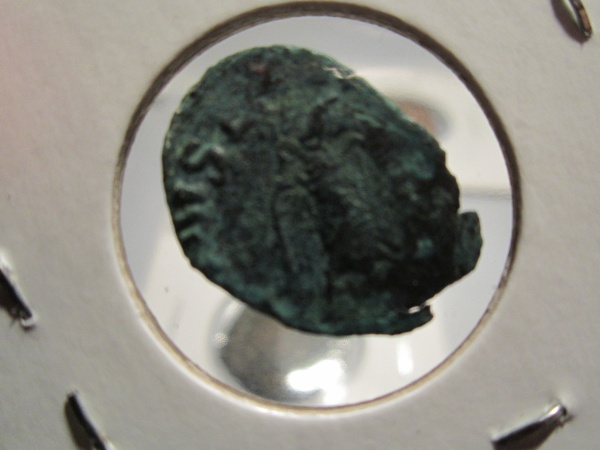
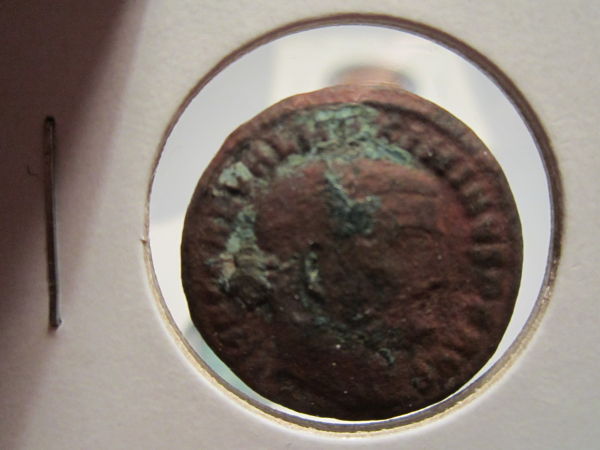
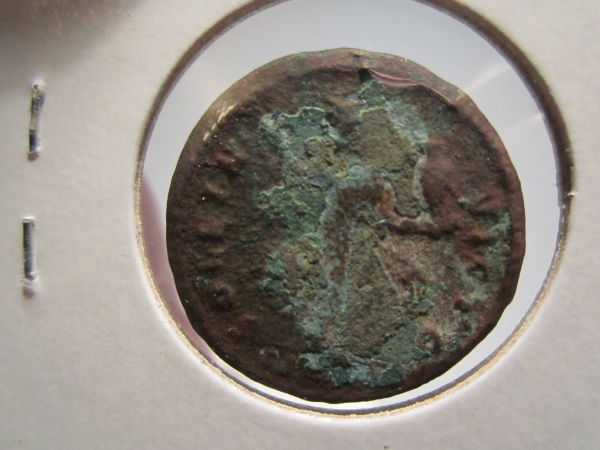
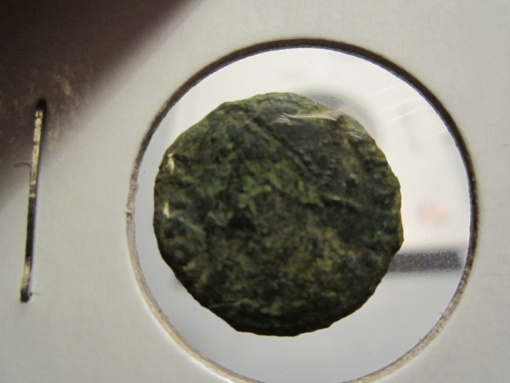
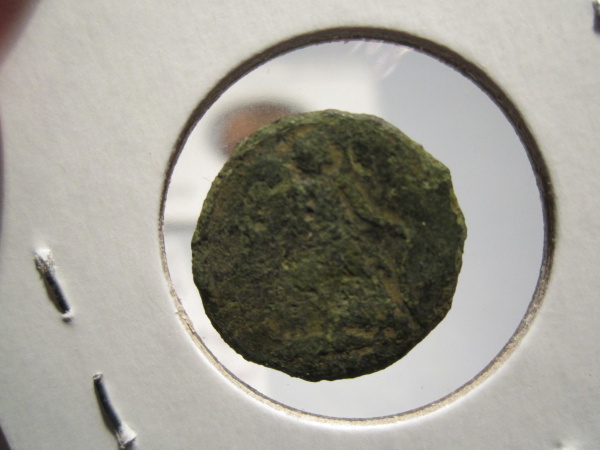
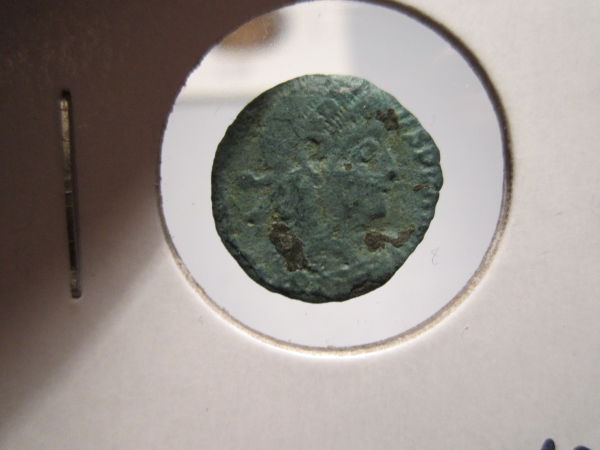
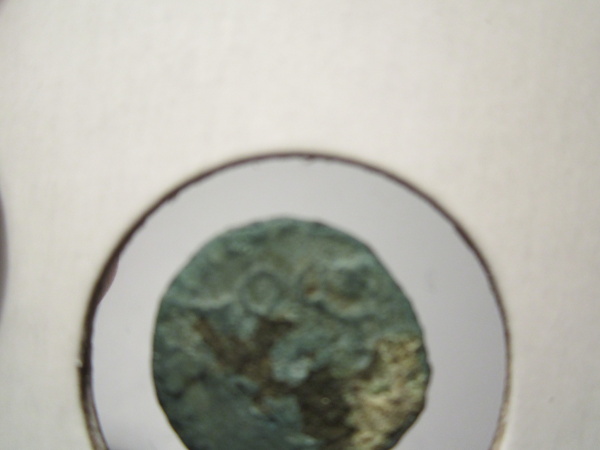
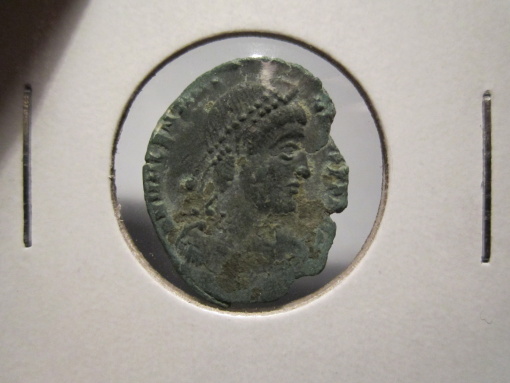
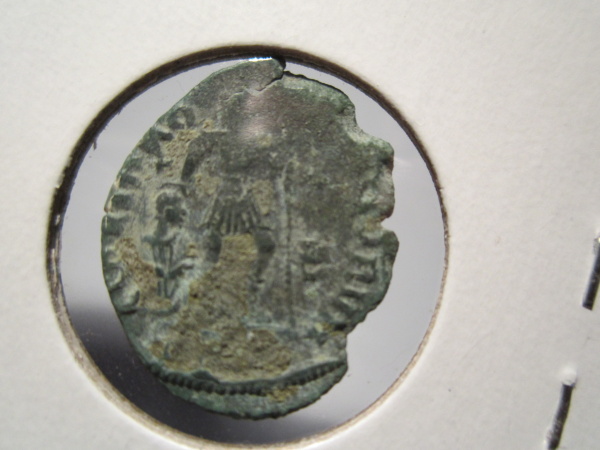
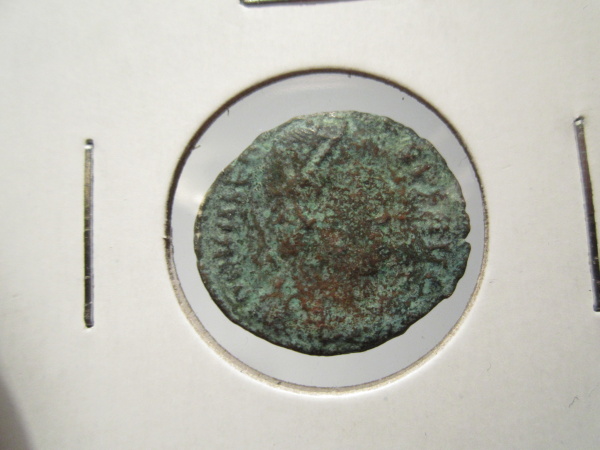
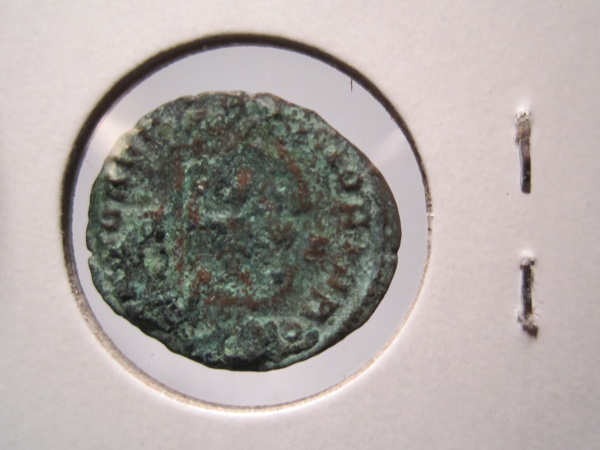
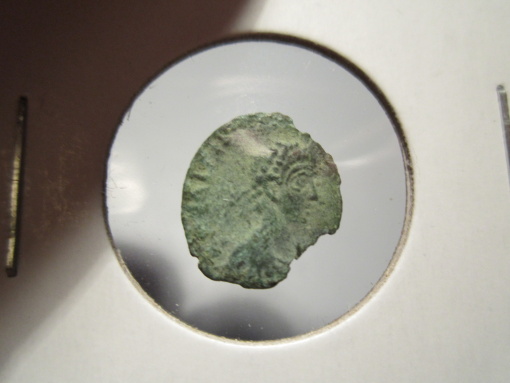
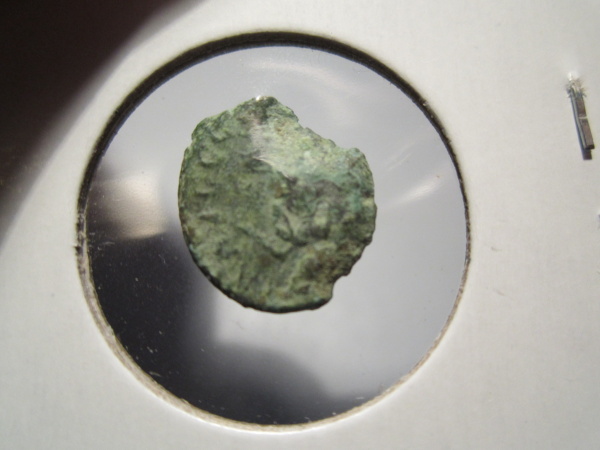
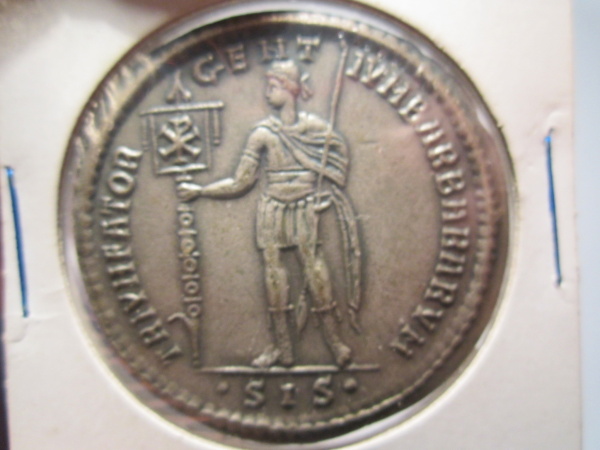
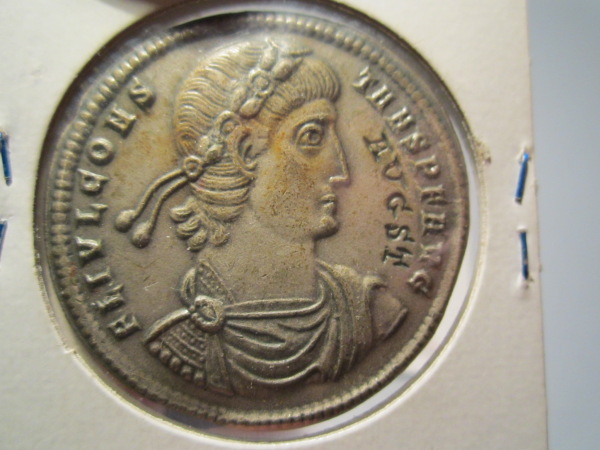
Pictures go: Obverse then reverse then next coin.
Thanks everyone!
|
|
Pillar of the Community
United States
2596 Posts |
The first coin is a 1.Gallienus, second is a 2.licinius, 3.Divus Claudius-looks like an eagle reverse and this is possibly a barbarous radiate because of the flan. 4.is very corroded and I cant make out hte legend. 5.the fifth is a constantinople commemorative with victory on prow reverse.6. this one looks like possible a constantius II with two victories on the reverse. 7. la Valentinian? with Valentinian advancing right dragging captive and holding labarum . the last three I'm not sure about except the tenth coin looks like a modern repro. These are just my first guesses. I'm sure somebody else will come and correct me with a few of these and add more info since these are just the emperors that I think the coins belong to.
Edited by jessvc1
04/17/2012 01:10 am
|
|
Valued Member
Canada
258 Posts |
Thanks for the great start Jessvc1!
|
|
Bedrock of the Community
Australia
21792 Posts |
The last coin is a rather pleasant looking reproduction. The style give it away, especially on the reverse. Just for interest's sake, take it out of the 2 x 2, and examine the edge closely, perhaps photograph this, and weigh it if you a scales accurate enough.
From the picture on the screen it does look a little brown, perhaps suggesting that a copper or bronze core is trying to peep through the surface. The same brown effect can also come about by a good silver coin being stored too long inside a protective PVC cover.
Sometimes, fake coins look TOO good.
I am a gem cutter. To spot created emeralds from natural ones is dead easy. The created ones are very obviously too good, when you examine them for internal flaws. With the natural ones, it is possible to determine which mine they came from, just by examining the flaws, which are specific to a particular mine.
Edited by sel_69l
04/17/2012 04:57 am
|
|
Pillar of the Community
United States
4253 Posts |
Let me take this one coin at a time, and I'll begin with the last. As the others have already indicated, it is a modern fake/replica of a coin of Constans. I believe the others to be authentic.
Coin 1 is, in fact, a Gallienus Antoninianus, possibly RIC 245, with a Hippocamp reverse:
OBV: GALLIENVS AVG, radiate head right
REV: NEPTVNO CONS AVG, hippocamp or Capricorn right, A, N V or D below
|
|
Pillar of the Community
United States
4253 Posts |
Coin 2 is Licinus I AE3 RIC VII 29. AD 314-315. IMP LICINIVS P F AVG, laureate, draped & cuirassed bust right / SOLI INV-I-CTO COMITI, Sol standing left, holding globe & raising right hand, R over X and F at sides, RT in ex (Rome mint).
Edited by Bing
04/17/2012 08:48 am
|
|
Pillar of the Community
United States
4253 Posts |
Coin 3 does look like it would be a Claudius II (Gothicus) Antoninianus , possibly RIC 266. DIVO CLAVDIO, radiate head right / CONSECRATIO, eagle standing facing with head right or left.
|
|
Pillar of the Community
United States
4253 Posts |
Coin 4 the image is not clear enough for me to make out the legends, but I think it may also be a Licinius I. Post a clearer image if you can.
I don't think I can add much more than what jessvc1 has posted without clearer images. I think he has called them correctly based on the images, but to attribute them will take some more work and clearer photos. It looks like you are taking pictures of these coins in a 2x2. It would probably be better if you would remove them to take the photos.
Edited by Bing
04/17/2012 08:59 am
|
|
Pillar of the Community
United Kingdom
2838 Posts |
Hello, I agree with what jessvc1 and jw have said so far. I can add info to coin 4 though. Its Maximinus II with a Sol reverse. IMP C GAL VAL MAXIMINVS P F AVG, laureate head right. SOLI INVICTO, Sol standing left in long robe, with raised right hand & holding up head of Serapis in left. I would guess, due to the bust style that your coin is from Nicomedia in Greece, it could though also be from Antioch or Heraclea. It will date to around 310AD. An example from Nicomedia:  Not rare but also not seen very often. I really like the reverse on these. Not sure but yours could have Bronze Disease so it could be worth taking it out of the 2x2 and soaking it in some distilled water for a while, if nothing else this should help clean the coin a little. There are several coin types which show the head of Serapis being carried by another deity or personification. This was not meant to be taken literally, but as a symbol that the attributes of Serapis were being absorbed or subsumed or perhaps just displayed by the other. Serapis was an invented god. He was a composite of several Egyptian and Hellenistic deities who was introduced to the world at the beginning of the Ptolemaic Period in Egypt during the reign of Ptolemy I. |
|
Pillar of the Community
United Kingdom
2838 Posts |
Forgot to add - I like the reproduction coin, have no idea what its based on but sure someone can find it and the story behind it  |
|
Valued Member
Canada
258 Posts |
Great info everyone! Thank you all for the help identifying and I will post the specs on the reproduction as soon as I get the chance.
|
|
Valued Member
Canada
258 Posts |
The reproduction has smooth edges, it's non-magnetic, weights 22.7 grams and has a diameter of 36mm.
|
|
Moderator
 Australia
17007 Posts |
The repro has "AUGST" stamped into it; I would assume it is a museum replica from the town of Augst, in Switzerland. If you go to the English Wikipedia page and scroll down to the bottom, you'll see a pic of the coins in the Augst Roman Museum collection; your coin is one of them (or maybe two of them). Don't say "infinitely" when you mean "very"; otherwise, you'll have no word left when you want to talk about something really infinite. - C. S. Lewis
|
|
Valued Member
Canada
258 Posts |
Wow this is actually a pretty cool repro then !
|
| |
Replies: 14 / Views: 1,425 |
|










 Posted 04/17/2012 01:07 am


