| Author |
 Replies: 814 / Views: 111,845 Replies: 814 / Views: 111,845 |
|
|
|
Bedrock of the Community
Canada
24885 Posts |
@ numismatic student Quote:
Souvenir So-Called Dollar distributed by the Treasury Department at the 1893 Columbian World Expo (37mm) HK-154
Very interesting souvenir coin ..  |
|
Moderator
 United States
195559 Posts |
|
|
Bedrock of the Community
 United States
11966 Posts |
Thanks for your continued support and interest! Let me know what you like and post what you find interesting here. This is purported to be an unofficial copper restrike using defaced/cancelled 1884cc Morgan dollar dies. Looking at the design, I am not sure that the dies were authentic CC mint dies. 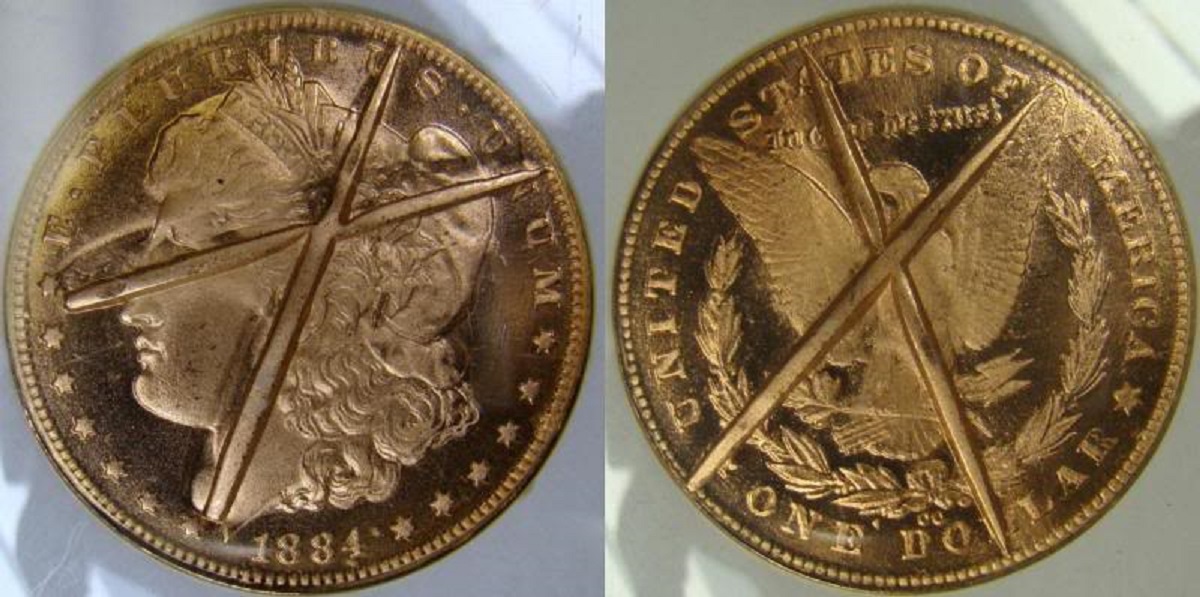 |
|
Bedrock of the Community
United States
11966 Posts |
Just purchased a copy of the Browning reference - The Early Quarter Dollars of the United States (1796-1838). 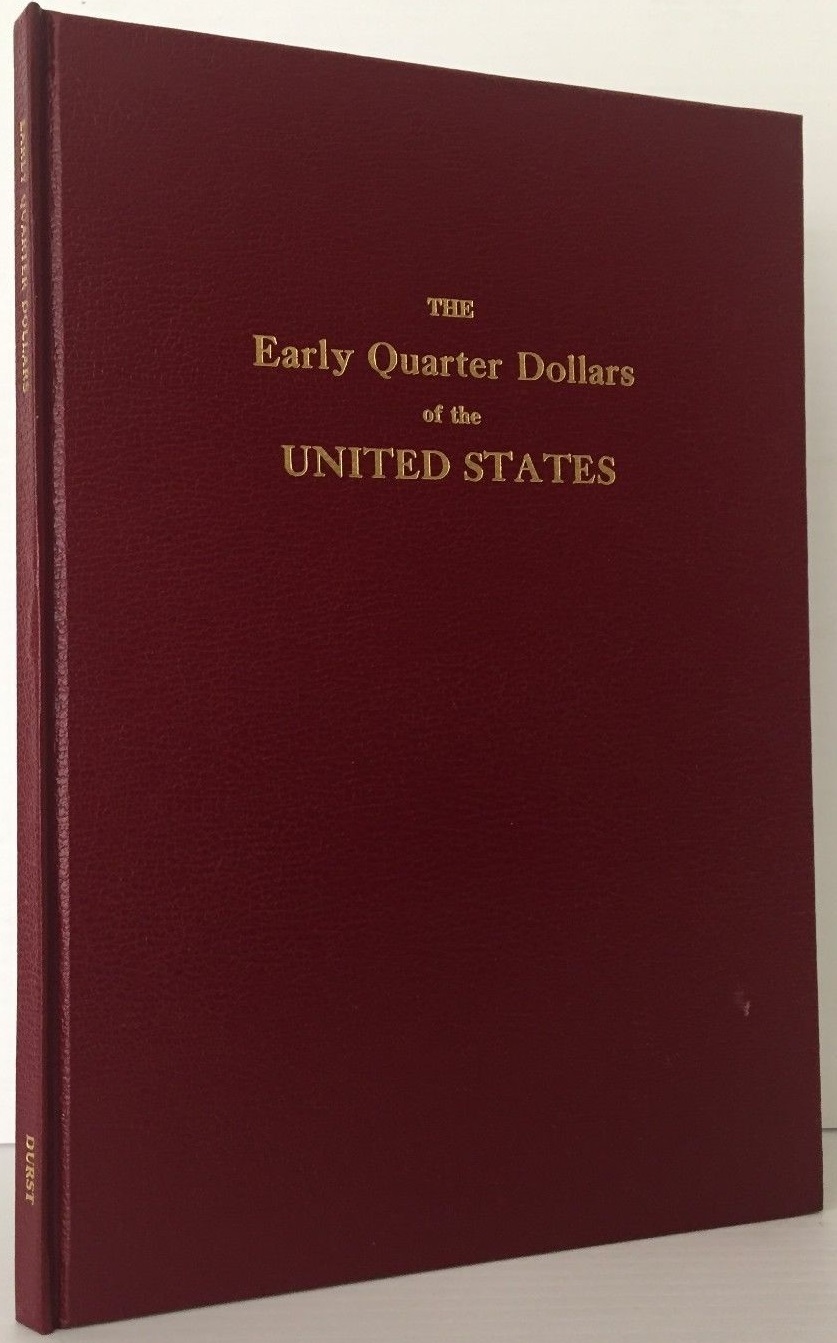 |
|
Moderator
United States
195559 Posts |
Quote:
Just purchased a copy of the Browning reference - The Early Quarter Dollars of the United States (1796-1838). Very nice! |
|
Bedrock of the Community
United States
11966 Posts |
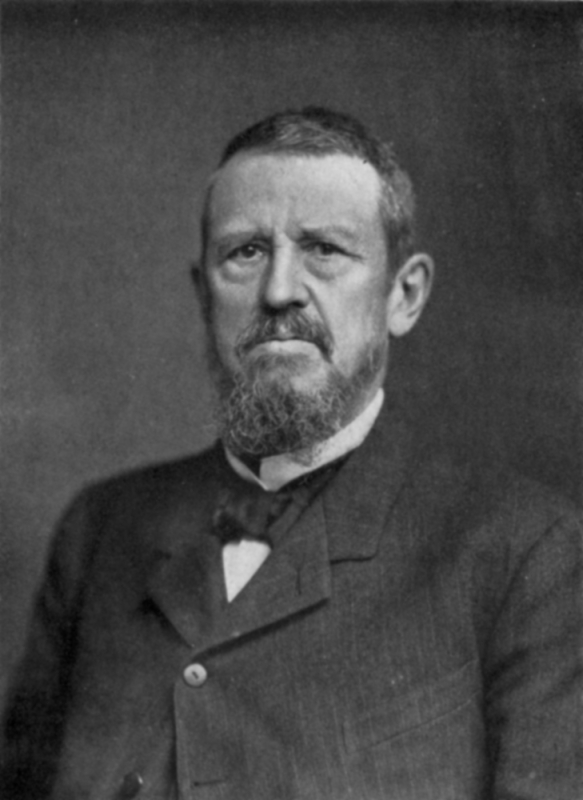 Joseph Wharton (March 3, 1826 - January 11, 1909) was an American industrialist. He was involved in mining, manufacturing and education. He founded the Wharton School at the University of Pennsylvania, co-founded the Bethlehem Steel company, and was one of the founders of Swarthmore College. Hoping to profit from the use of nickel in coins, Wharton in 1863 sold his interest in zinc and started the manufacture of nickel at Camden, New Jersey, taking over a nickel mine and refining works at Nickel Mines, Pennsylvania. The Camden plant was located on the east side of 10th Street, adjacent to Cooper Creek, and had several large brick buildings and smokestacks. Wharton renamed the Camden plant the American Nickel Works, and his office there became his center of operations. However, the use of nickel in coinage was temporarily halted, and soon the Camden plant burned. Wharton rebuilt it in 1868 and made excellent profits from producing nickel because it became favored for coinage. Wharton won wide acclaim for his malleable nickel, the first in the world, and also for nickel magnets, and received the Gold Medal at the Paris Exposition of 1878. His factory produced the only nickel in the US and a significant fraction of the world supply. Eventually the surface deposits at the Gap mine were depleted and Wharton was obliged to purchase nickel ore from a mine in Sudbury, Ontario, Canada. This experience was a challenge to Wharton, who learned about market economics and protection when foreign nickel manufacturers opposed his nickel purchasing and manufacture efforts. Wharton by then had learned the value of meeting personally with his managers and regularly inspecting the mines and manufacturing plants with them. He was successful because he worked hard to increase efficiency and profitability of the businesses he acquired, and energetically pursued markets for his products. Wharton made a robust profit from his nickel business over its 40-year duration, but by 1900 its outlook was fading due to foreign competition. Wharton and a group of other United States and Canadian nickel enterprises formed the International Nickel Company (Inco) in 1902. He sold his American Nickel Works in Camden and the Gap mine for a share in the new company, and was named one of the dozen board members. By this time the profitability of his business empire did not depend on the manufacture of nickel because he had already diversified into other profitable businesses. Wharton, who had interests in nickel mining and production, had been influential in the decision to use the metal in coinage in the mid-1860s, leading to the introduction of the Shield nickel in 1866. The Shield nickel presented difficulties through its life: the intricate design made the coins not strike well. Modification to the design failed to solve the technical problems, and the mint had considered replacing the design as early as 1867. Nevertheless, the Shield nickel remained in production. With production of copper-nickel five-cent pieces lagging in the late 1870s, and with production of copper-nickel three-cent pieces nearly moribund, Wharton sought to increase his sales of nickel to the United States Mint. Although copper-nickel coins were struck only in small numbers, the bronze cent represented a major portion of the Mint's production, and Wharton began to lobby for the piece to be struck in copper-nickel. In 1881, this lobbying led Mint Superintendent Archibald Loudon Snowden to order Mint Chief Engraver Charles Barber to produce uniform designs for a new cent, three-cent nickel, and five-cent piece. Snowden informed Barber that the proposed designs were to feature on the obverse (or heads side) a classic head of Liberty with the legend "Liberty" and the date. The reverse (or tails side) was to feature a wreath of wheat, cotton, and corn around a Roman numeral designating the denomination of the coin; thus the five-cent piece was to have the Roman numeral "V". The proposal for the cent would decrease its size to 16 millimetres (0.63 in) and its weight to 1.5 grams (0.053 oz), and the modifications to the three-cent piece would increase its size to 19 millimetres (0.75 in) and its weight to 3 grams (0.11 oz). The nickel would retain its weight of 5 grams (0.18 oz), but its diameter would be increased to 22 millimetres (0.87 in). |
|
Bedrock of the Community
United States
10065 Posts |
Thanks for sharing this - an enjoyable read for sure.
|
|
Bedrock of the Community
United States
11966 Posts |
Glad you found it interesting Earle. 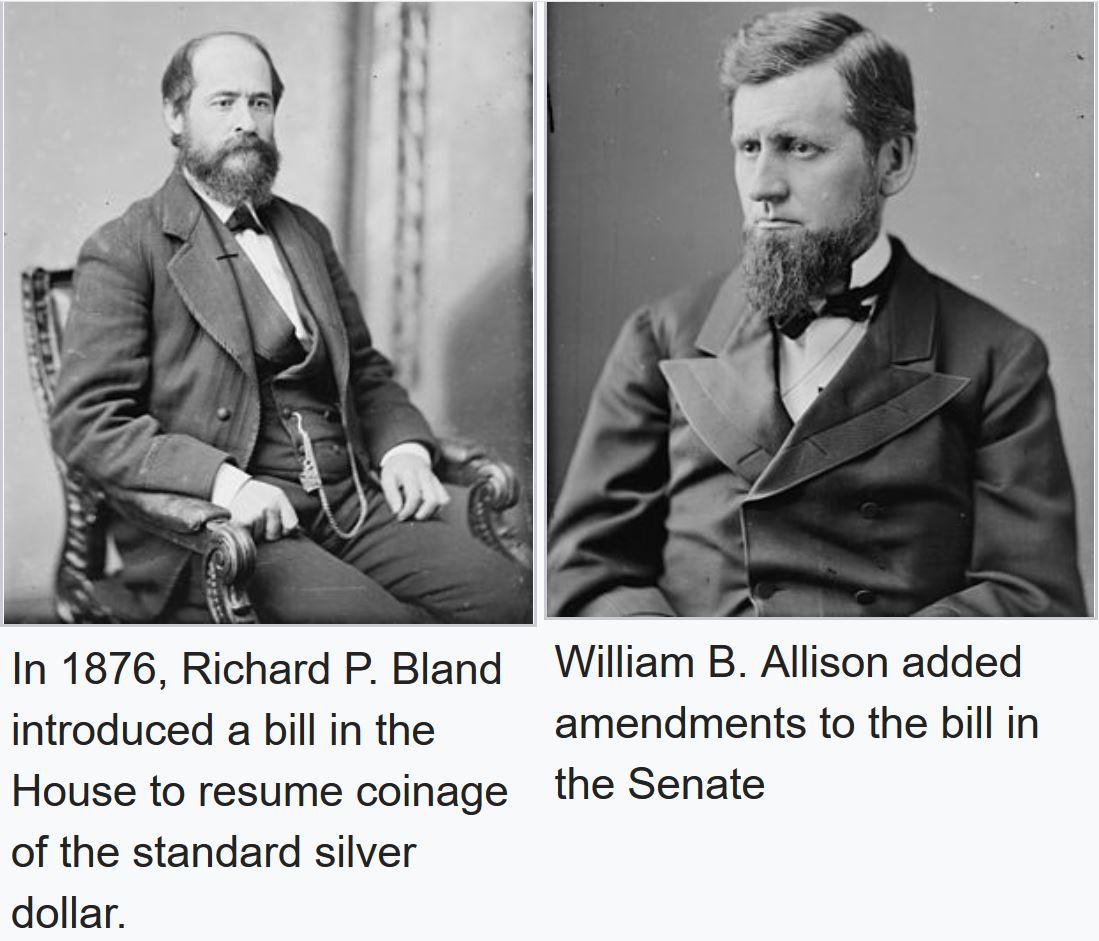 The Law that Created the Morgan dollarThe Bland-Allison Act, also referred to as the Grand Bland Plan of 1878, was an act of United States Congress requiring the U.S. Treasury to buy a certain amount of silver and put it into circulation as silver dollars. Though the bill was vetoed by President Rutherford B. Hayes, the Congress overrode Hayes's veto on February 28, 1878 to enact the law. The five-year depression following the Panic of 1873 caused cheap-money advocates (led by Representative Richard P. Bland, a Democrat of Missouri), to join with silver-producing interests in urging a return to bimetallism, the use of both silver and gold as a standard. Coupled with Senator William B. Allison of Iowa, they agreed to a proposal that allowed silver to be purchased at market rates, metals to be minted into silver dollars, and required the US Treasury to purchase between $2 million to $4 million silver each month from western mines. President Rutherford B. Hayes, who held interests in industrials and banking, vetoed the measure, which was overturned by Congress. As a result, the Hayes administration purchased the limited amount of silver each month. This act helped restore bimetallism with gold and silver both supporting the currency. However, gold remained heavily favored over silver, paving way for the gold standard. The free-silver movement of the late 19th century advocated the unlimited coinage of silver, which would have resulted in inflationary monetary policy. In 1873, Congress had removed the usage of silver dollar from the list of authorized coins under the Coinage Act of 1873 (referred to by opponents as 'the Crime of '73'"). Although the Bland-Allison Act of 1878 directed the Treasury to purchase silver from the "best-western" miners, President Grover Cleveland repealed the act in 1893. Advocates of free silver included owners of silver mines in the West, farmers who believed an inclusion of silver would increase crop prices, and debtors who believed would alleviate their debts. Although the free silver movement ended, the debate of inflation and monetary policy continues to this day. The Fourth Coinage Act acknowledged the gold standard over silver. Those who advocated for silver labeled this act as the Crime of '73. As a result of demonetized silver, gold became the only metallic standard in the United States and became the default standard. The price of gold was more stable than that of silver, largely due to silver discoveries in Nevada and other places in the West, and the price of silver to gold declined from 16-to-1 in 1873 to nearly 30-to-1 by 1893. The term limping bimetallism describes this problem. The U.S. government finally ceded to pressure from the western mining states and the Bland-Allison Act went into effect in 1878, which was replaced by the Sherman Silver Purchase Act of 1890. The law was replaced in 1890 by the similar Sherman Silver Purchase Act, which in turn was repealed by Congress in 1893. These were two instances where the United States attempted to establish bimetallic standards in the long run. Reactions and economic impact Western miners and debtors regarded the Bland-Allison Act as an insufficient measure to enforce unlimited coinage of silver, but opponents repealed the act and advocated for the gold standard. The effect of the Bland-Allison act was also blunted by the minimal purchase of silver required by the Hayes administration. Although the act was a near turning point for bimetallism, gold continued to be favored over the bimetallism standard. Throughout 1860 to 1871, several attempts were made by the Treasury to establish the bimetallic standard by having gold and silver franc. However, the discovery of silver led to an influx of supply, lowering the price of silver. The eventual removal of the bimetallic standard, including the Bland-Allison Act and the acceptance of the gold standard formed the monetary stability in the late 19th century. The limitation placed on the supply of new notes and the Treasury control over the issue of new notes allowed for economic stability. Prior to the acceptance, the devaluation of silver forced local governments into a financial turmoil. In addition, there was a need for money supply to increase as the credit system expanded and large banks established themselves across states. |
|
Moderator
United States
195559 Posts |
Two interesting pieces of history. |
|
Bedrock of the Community
United States
11966 Posts |
Thanks jbuck.  James Barton Longacre James Barton Longacre (August 11, 1794 - January 1, 1869) was an American portraitist and engraver, and from 1844 until his death the fourth Chief Engraver of the United States Mint. Longacre is best known for designing the Indian Head cent, which entered commerce in 1859, and for the designs of the Shield nickel, Flying Eagle cent and other coins of the mid-19th century. Longacre was born in Delaware County, Pennsylvania in 1794. He ran away to Philadelphia at age 12, becoming an apprentice in a bookstore. His artistic talent developed and he was released to apprentice in an engraving firm. He struck out on his own in 1819, making a name providing illustrations for popular biographical books. He portrayed the leading men of his day; support from some of them, such as South Carolina Senator John C. Calhoun, led to his appointment as chief engraver after the death of Christian Gobrecht in 1844. In Longacre's first years as a chief engraver, the Philadelphia Mint was dominated by Mint Director Robert M. Patterson and Chief Coiner Franklin Peale. Conflict between Longacre and the two men developed after Congress ordered a new gold dollar and double eagle, with both to be designed by Longacre. Peale and Patterson nearly had Longacre fired, but the chief engraver was able to convince Treasury Secretary William M. Meredith that he should be retained. Both Patterson and Peale left the Mint in the early 1850s, ending the conflict. In 1856, Longacre designed the Flying Eagle cent. When that design proved difficult to strike, Longacre was responsible for the replacement, the Indian Head cent, issued beginning in 1859. Other coins designed by Longacre include the silver and nickel three-cent pieces, the Shield nickel, and the two-cent piece. In 1866-1867, he redesigned the coins of Chile. Longacre died suddenly on New Year's Day 1869; he was succeeded by William Barber. Longacre's coins are generally well-regarded today, although they have been criticized for lack of artistic advancement. |
|
Moderator
United States
195559 Posts |
Great write-up. |
|
Bedrock of the Community
United States
11966 Posts |
1859 Paquet 50c pattern Judd 249 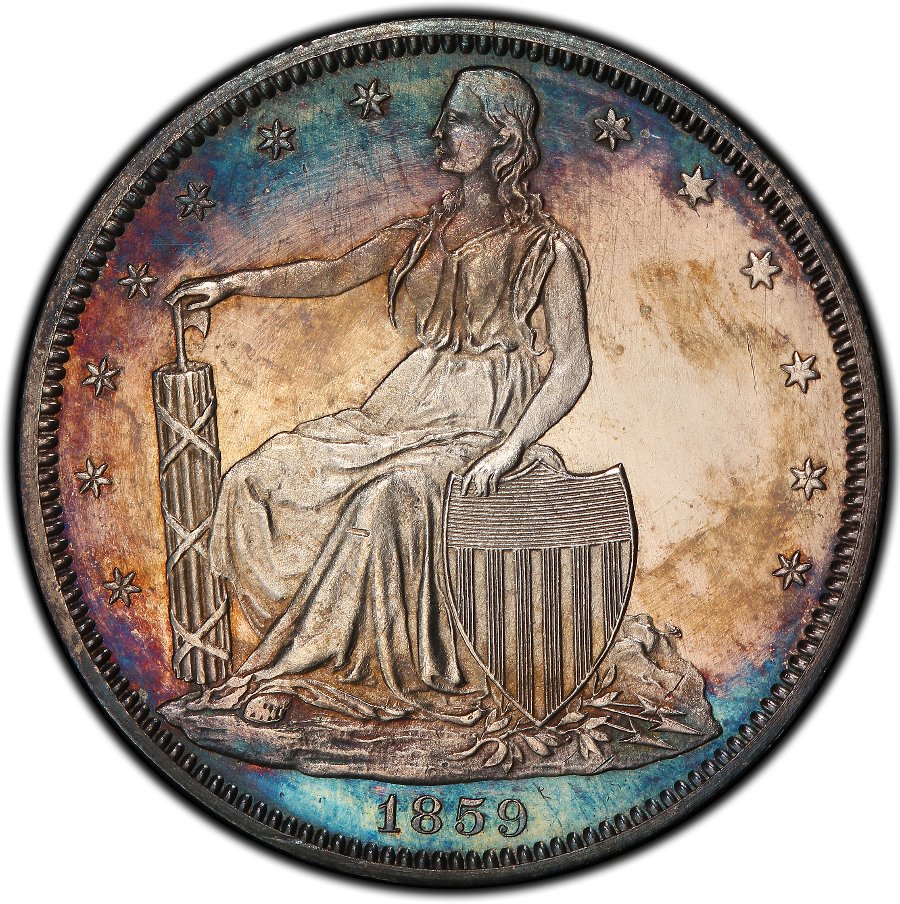 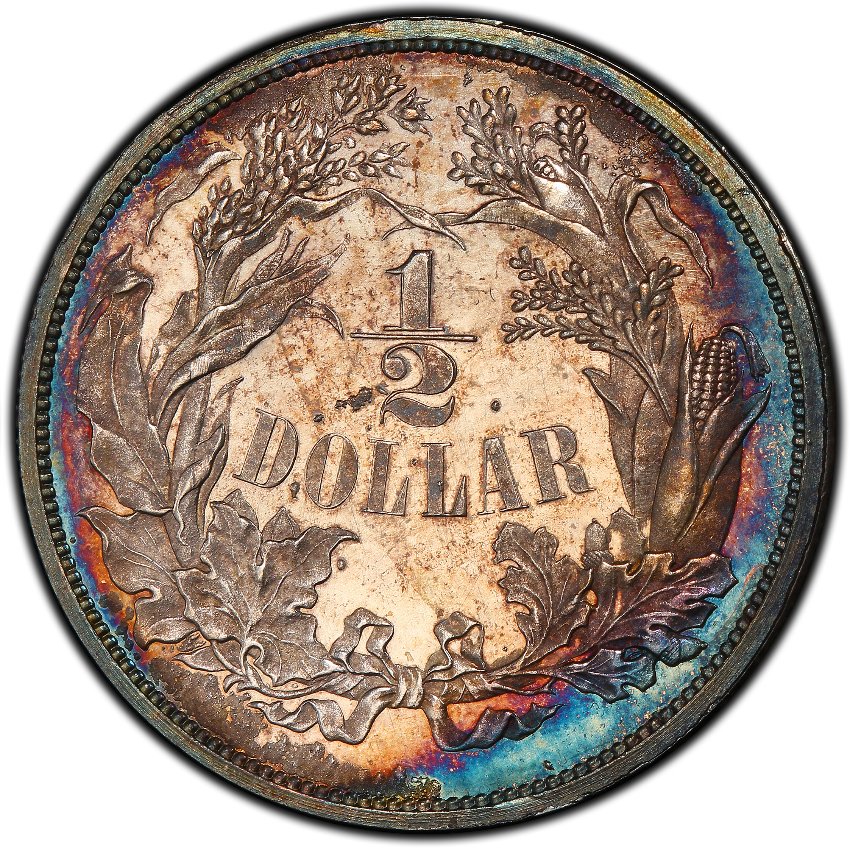 |
|
Bedrock of the Community
United States
11966 Posts |
Leaving San Juan Puerto Rico on our cruise for the next 8 days. Will have internet but will be spotty. Happy collecting until then! 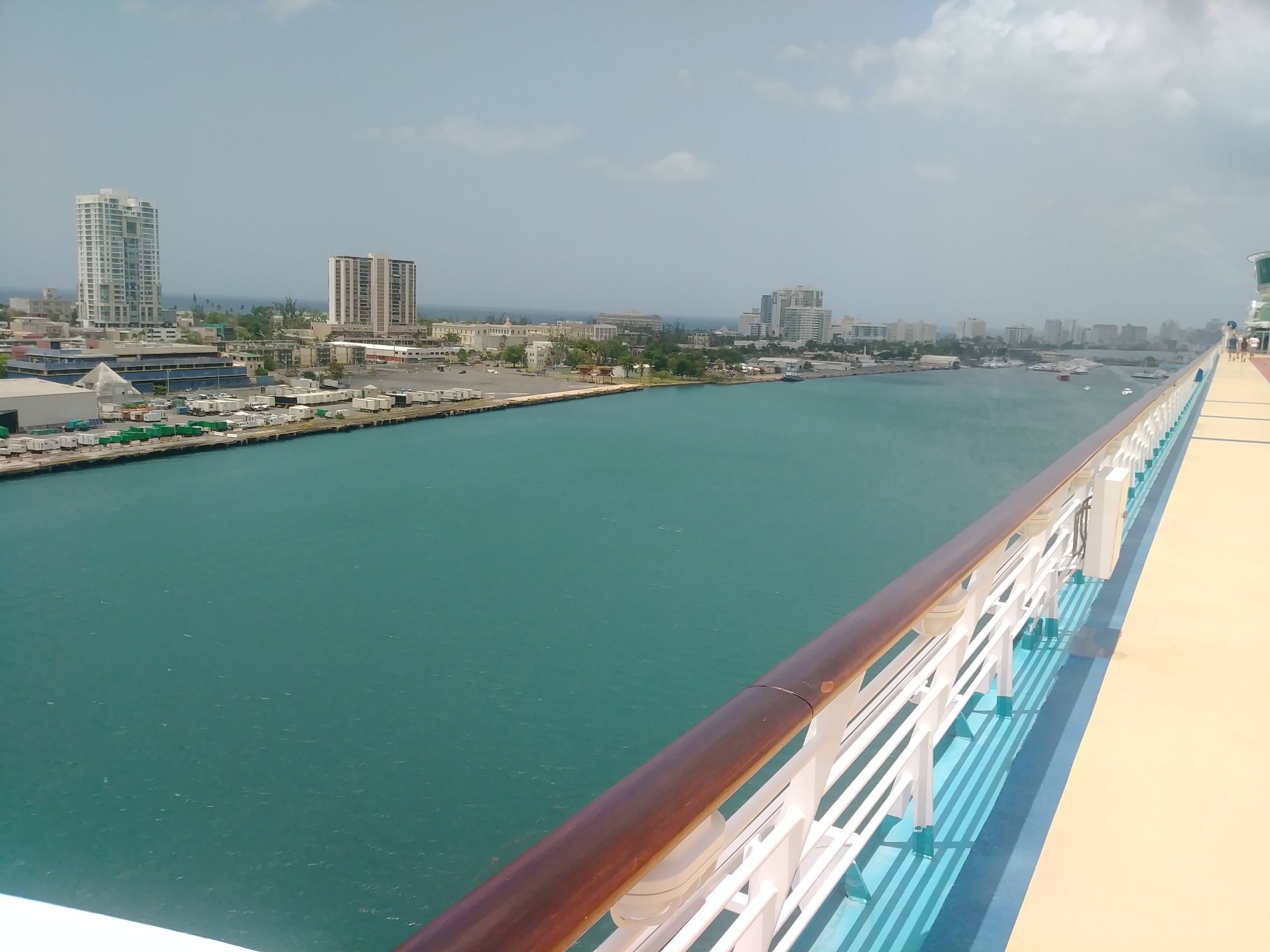  |
|
Moderator
United States
195559 Posts |
Quote:
1859 Paquet 50c pattern Judd 249 Pretty!  |
|
Bedrock of the Community
United States
11966 Posts |
Somewhere earlier on this thread there was an 1874 picture of construction of the San Francisco Mint. This second one below shows people working on its construction. 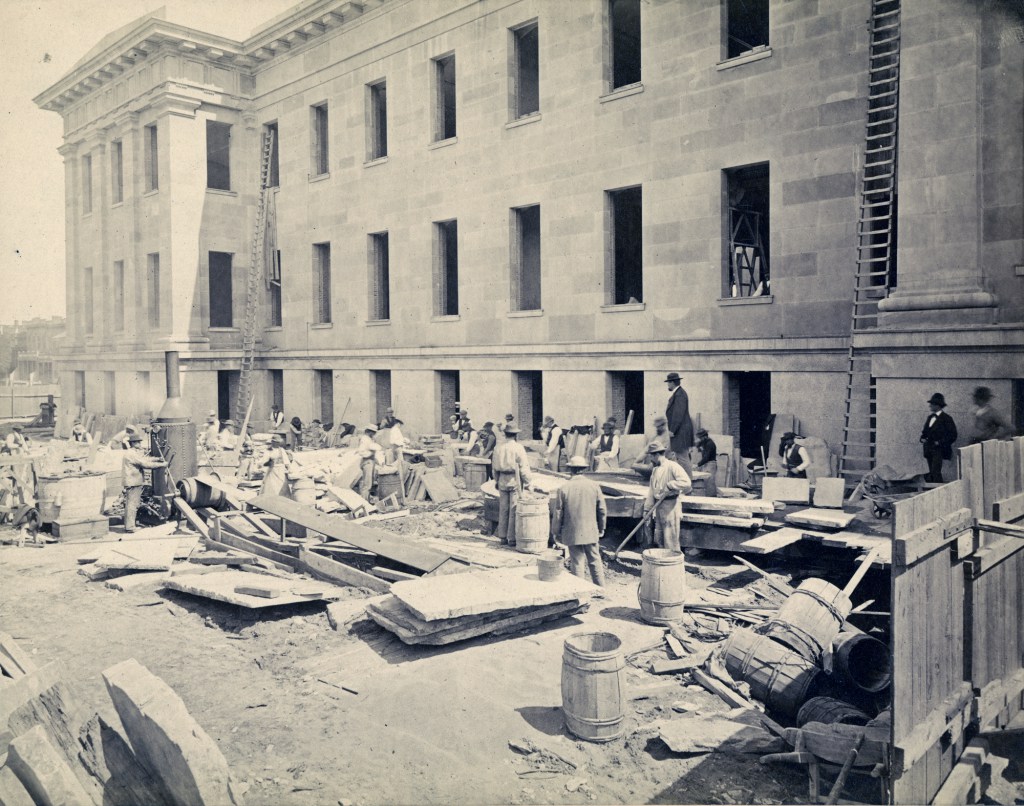 |
| |
Replies: 814 / Views: 111,845 |







 First Page
 Previous Page


 Posted 05/19/2018 10:45 pm


