First Page
 Previous Page


 Posted 08/17/2018 01:48 am


Remember the forum family is always here to answer questions and we are eager to do so. Its not a bother.
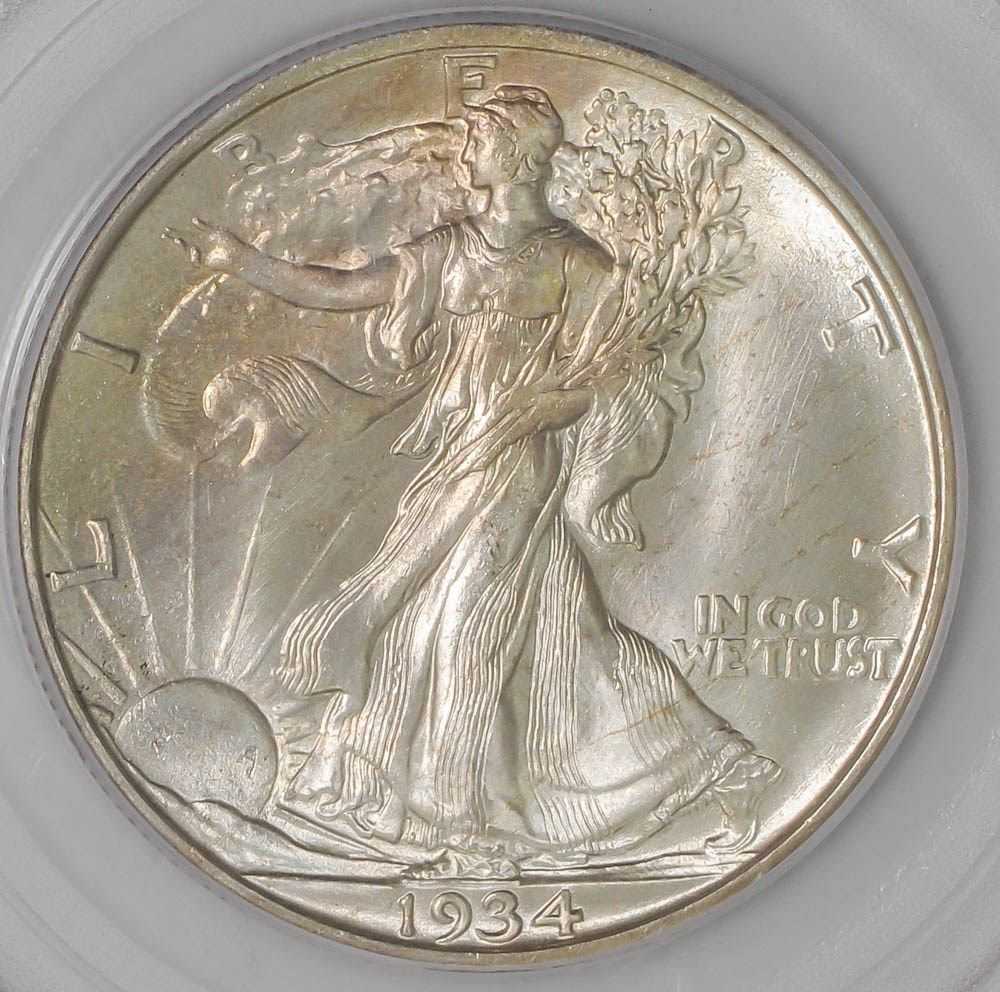
As to the cheek - when I see it zoomed it just looks like it took a small hit.
Remember too that grading professional grading is respected by many collectors, but the more you research, the more you will find the systems definitely are not perfect. There are many threads on this forum showing this. Ron Guth, a former president of PCGS can be quoted as saying the best graders only get it right 80& of the time (which is why they use three graders per coin to help get a better idea), and the companies will tell you the system is subjective - an art - not a science.
So saying a grade is "the absolute right grade" for any coin is calling an art form a science. Marketers like this, but subjectivity is a fact of the system and keeping the subjectivity in mind helps keep a good focus.
The forum saying for slabbed coins is to buy the coin, not the slab. This is wise.
You will also find that different companies train their graders in different ways, hence not even "experts" from one company to another will agree. Just learn to tell cleaning in hand, browse the grading threads here, get a book and use it. I have read/used the ANACs grading standards when looking at slabbed coins as a help.
BTW - Mr. Guth has also mentioned anyone can learn to grade, it just takes experience.
Youtube vids can also help. I think it may have been a PCGS video in which I learned that weak areas can be told from worn areas on an MS coin because a weak strike area will still show unbroken cartwheel luster over it when the coin's face is rotated under a light source. Of course knowing, from reading, the typical places of weak strike for a series plus the video together were a great help.
The key is just to educate yourself as much as possible (and its fun!).
As to the cheek - when I see it zoomed it just looks like it took a small hit.
Remember too that grading professional grading is respected by many collectors, but the more you research, the more you will find the systems definitely are not perfect. There are many threads on this forum showing this. Ron Guth, a former president of PCGS can be quoted as saying the best graders only get it right 80& of the time (which is why they use three graders per coin to help get a better idea), and the companies will tell you the system is subjective - an art - not a science.
So saying a grade is "the absolute right grade" for any coin is calling an art form a science. Marketers like this, but subjectivity is a fact of the system and keeping the subjectivity in mind helps keep a good focus.
The forum saying for slabbed coins is to buy the coin, not the slab. This is wise.
You will also find that different companies train their graders in different ways, hence not even "experts" from one company to another will agree. Just learn to tell cleaning in hand, browse the grading threads here, get a book and use it. I have read/used the ANACs grading standards when looking at slabbed coins as a help.
BTW - Mr. Guth has also mentioned anyone can learn to grade, it just takes experience.
Youtube vids can also help. I think it may have been a PCGS video in which I learned that weak areas can be told from worn areas on an MS coin because a weak strike area will still show unbroken cartwheel luster over it when the coin's face is rotated under a light source. Of course knowing, from reading, the typical places of weak strike for a series plus the video together were a great help.
The key is just to educate yourself as much as possible (and its fun!).
How much squash could a Sasquatch squash if a Sasquatch would squash squash?
Download and read: Grading the graders
Costly TPG ineptitude and No FG Kennedy halves
https://ln5.sync.com/dl/7ca91bdd0/w...i3b-rbj9fir2
Download and read: Grading the graders
Costly TPG ineptitude and No FG Kennedy halves
https://ln5.sync.com/dl/7ca91bdd0/w...i3b-rbj9fir2


 Maybe it's scratches on the slab?