| Author |
 Replies: 10,175 / Views: 337,655 Replies: 10,175 / Views: 337,655 |
|
|
|
Pillar of the Community
 United States
8074 Posts |
Oh well...so much for all those plentiful Polish-Lithuanian coins. Here is a 1506 groschen from the Duchy of Glogow: 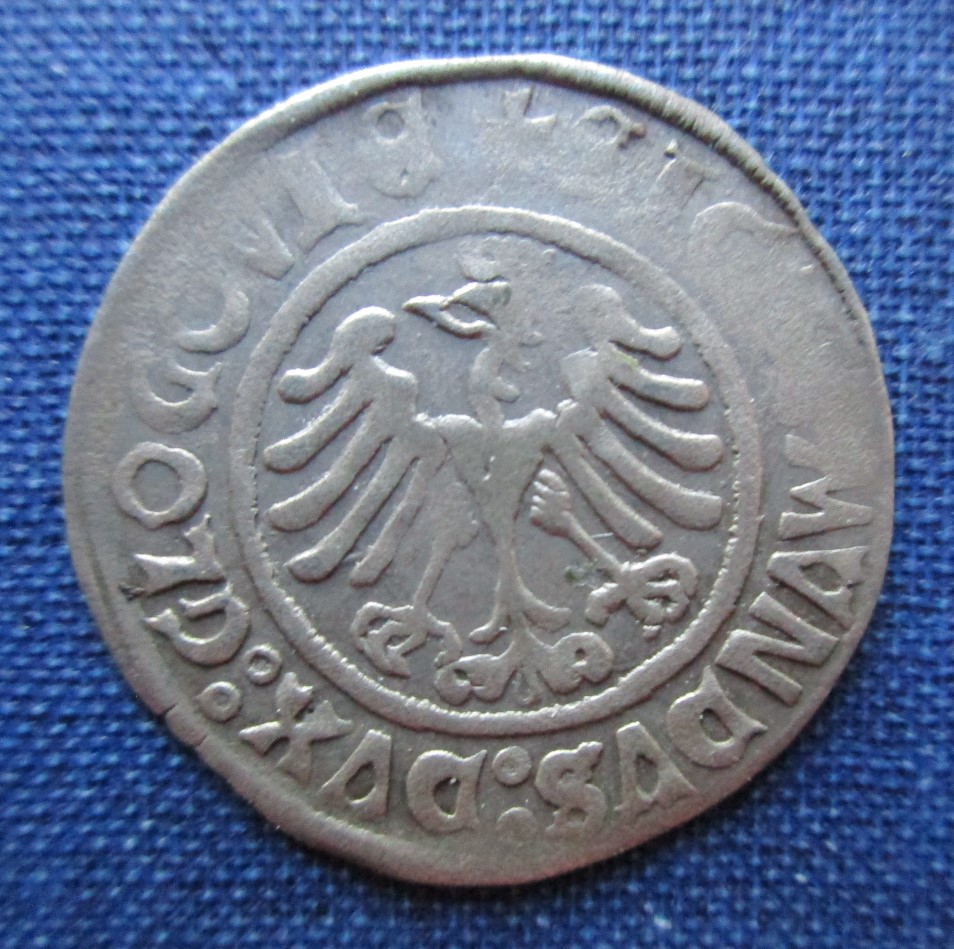 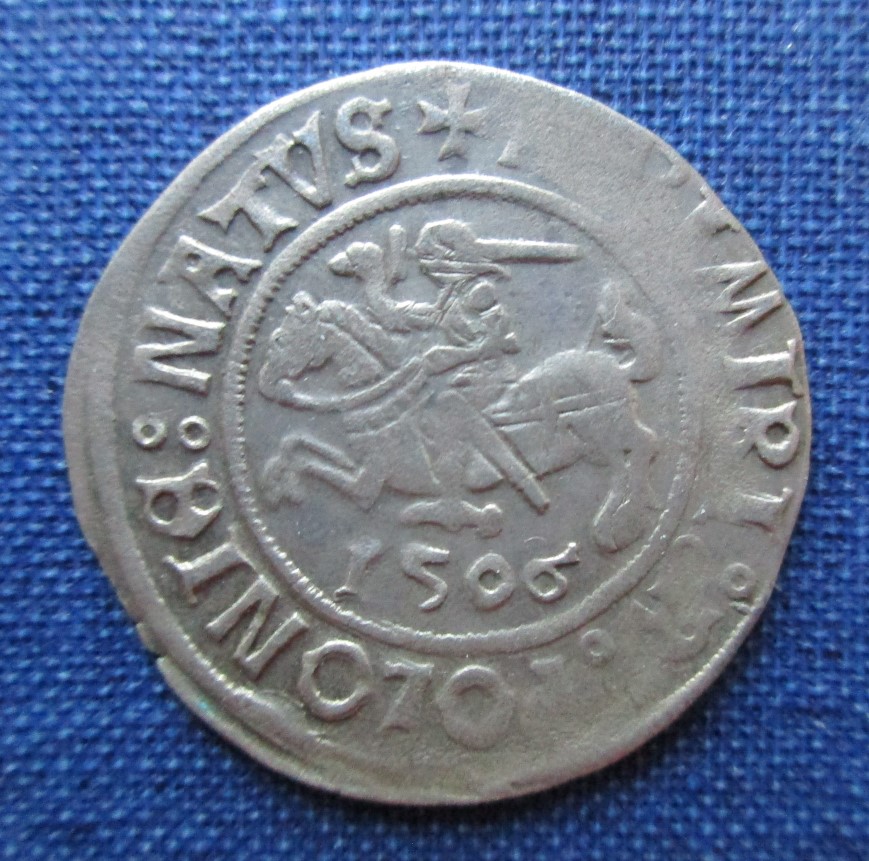 |
|
Moderator
  United States
197800 Posts |
Quote:
Oh well...so much for all those plentiful Polish-Lithuanian coins.  Quote:
Here is a 1506 groschen from the Duchy of Glogow: Excellent!  |
|
Pillar of the Community
United States
1871 Posts |
|
|
Moderator
United States
197800 Posts |
Quote:
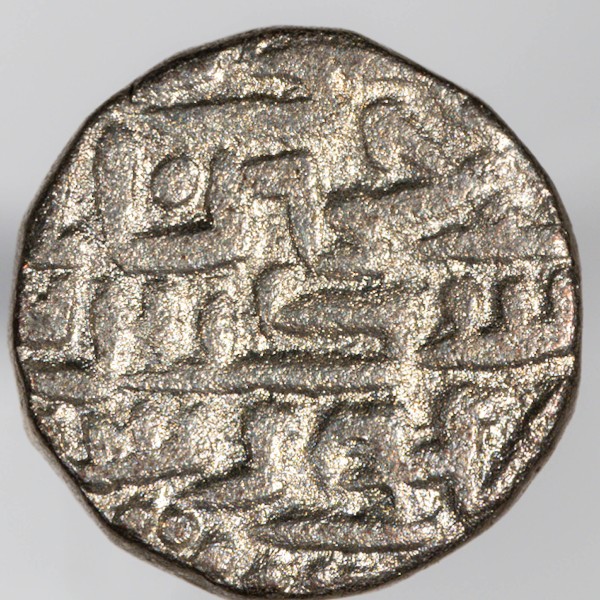
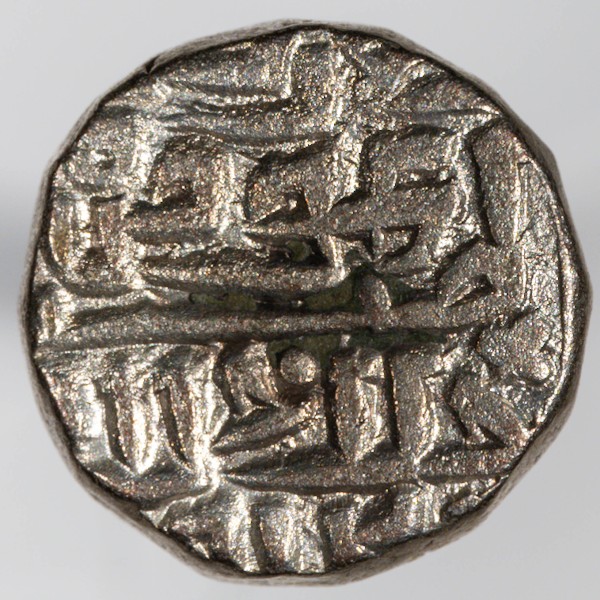
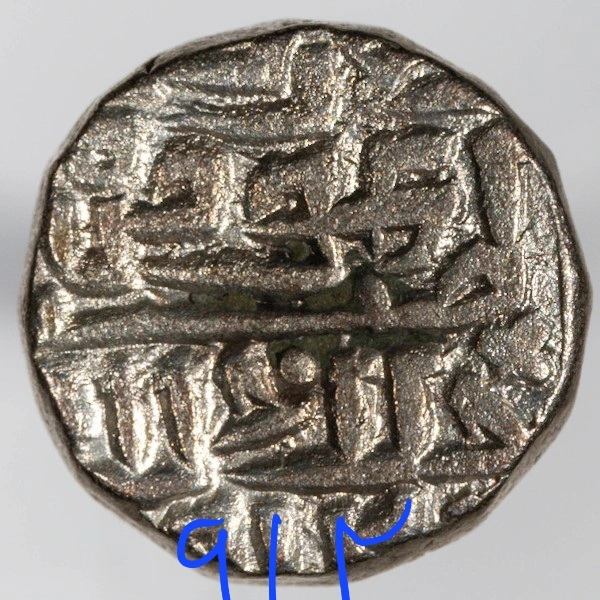
AH 912 (1506 CE) Delhi Sultanate billon tanka Very nice! |
|
Pillar of the Community
Russian Federation
5186 Posts |
Quote:
Here is a 1506 groschen from the Duchy of Glogow Often called the oldest dated Polish (or Polish-Lithuanian) coin; technically Glogow was a Silesian duchy, but the design of the coin echoes the later (and to a lesser extent earlier) Polish-Lithuanian types, and of course the guy named on it became King of Poland only months later. There is a variant that was historically attributed to 1504, but AFAIK further research had shown that it is merely a variety of the 1506 type with a die chip on the date. (I feel like I can see the traces of that die chip here? Probably just my imagination.) |
|
Moderator
United States
34570 Posts |
Germany Half Batzen 1506: 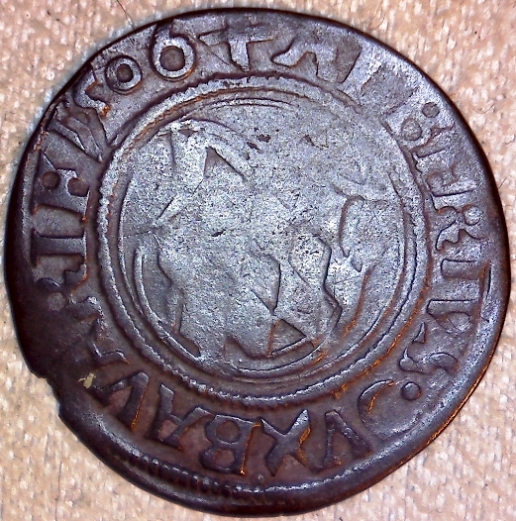 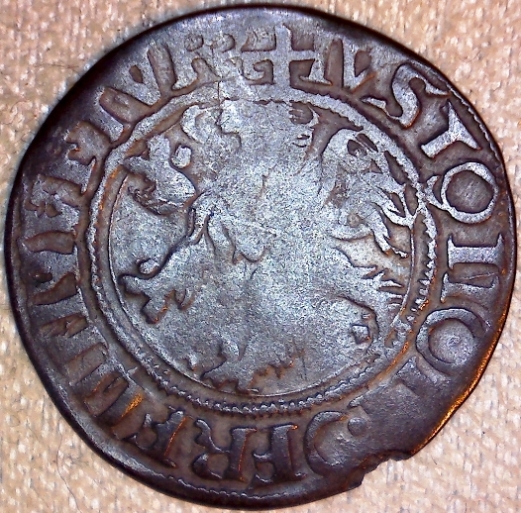 "If you climb a good tree, you get a push."
-----Ghanaian proverb
"The danger we all now face is distinguishing between what is authentic and what is performed."
-----King Adz
|
|
Pillar of the Community
United States
8074 Posts |
Quote:
Often called the oldest dated Polish (or Polish-Lithuanian) coin; technically Glogow was a Silesian duchy, but the design of the coin echoes the later (and to a lesser extent earlier) Polish-Lithuanian types, and of course the guy named on it became King of Poland only months later.
Yes, as you say, it's not really a Polish coin (which took me a while to understand), though it bears all the symbols. The complicated history goes like this: - Glogow was a fief of the Bohemian crown (not the Polish crown) at this time. - Vladislaus II Jagiello ascended the throne of Bohemia in 1471. In 1491 he granted Glogow to his brother John Albert, who later became King of Poland. - In 1499 he granted it to Sigismund, a younger brother, and when Sigismund became King of Poland in 1506, it passed back to direct rule of the Bohemian crown. The eagle/rider combination was first used by Alexander (yet another brother) for the Lithuanian half groat in the late 1490s. So SIgismund copies this design of his brother's coins and applies it to an even larger coin than is in use in either Poland or Lithuania at the time (but which was in use in Silesia because of the link to Bohemia). The unusual legend, "Sigismund, Duke of Glogow, born of Casimir, King of Poland" sounds like a little brother saying "hey, look at me! I finally got to issue coins like my older brothers Vladislaus, John Albert and Alexander!" Or maybe, "Like my father I am headed to bigger things." Edited by tdziemia
02/05/2026 08:44 am
|
|
Moderator
United States
197800 Posts |
Quote:
Germany Half Batzen 1506: Very nice! Today we are ready for 1505.  |
|
Pillar of the Community
United States
8074 Posts |
1505 schilling of the Duchy of Pomerania 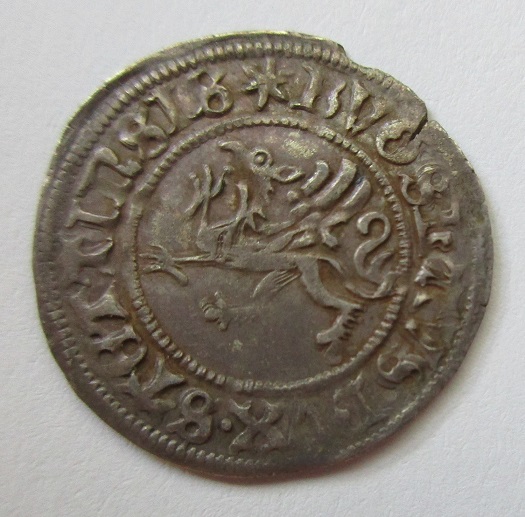 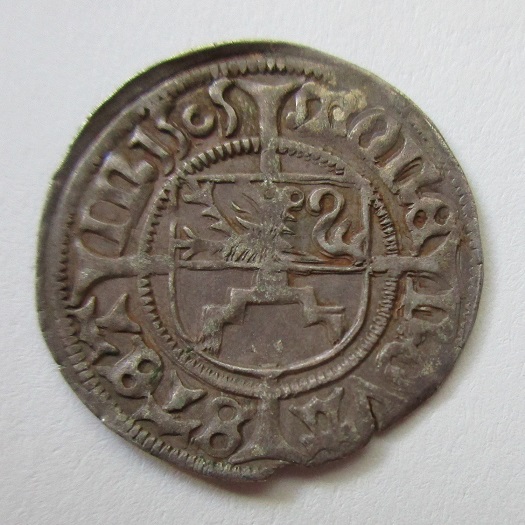 Edited by tdziemia
02/05/2026 8:54 pm
|
|
Moderator
United States
197800 Posts |
Quote:
1505 achilling of the Duchy of Pomerania Fantastic! I was getting worried you might forget.  |
|
Moderator
United States
109800 Posts |
excellent looking coins |
|
Valued Member
Norway
376 Posts |
Schilling, Pomerania, 1504. Pomerania in 1504 was a duchy of the Holy Roman Empire, characterized by political fragmentation, rivalries between local rulers, and an economy dominated by the Baltic Sea trade. The region played an important role in North German history and was strongly influenced by developments in both the Holy Roman Empire and the Hanseatic League. 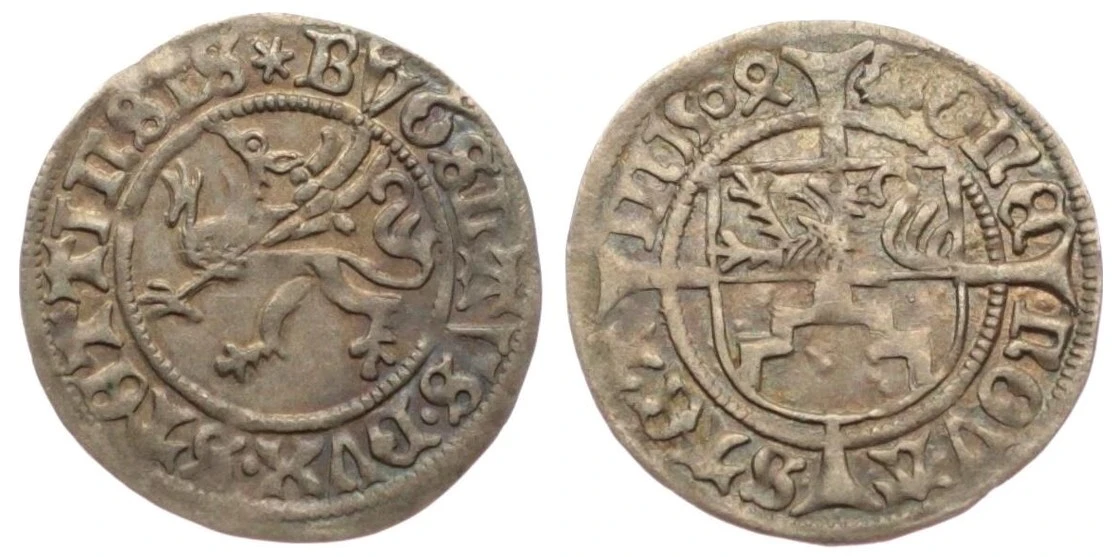 |
|
Moderator
United States
34570 Posts |
I'm loving these Pomeranian coins! Here is a Patard from Brabant dated 1504: 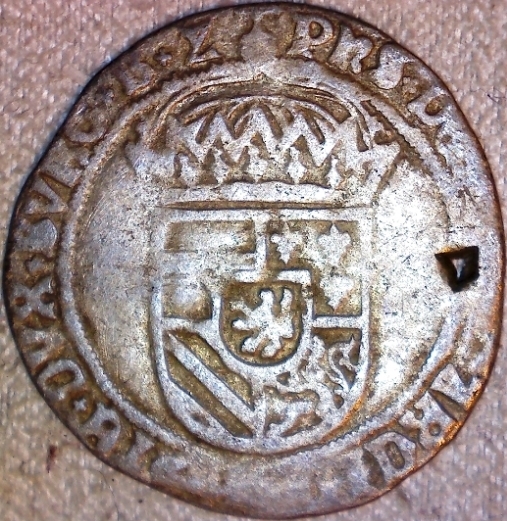 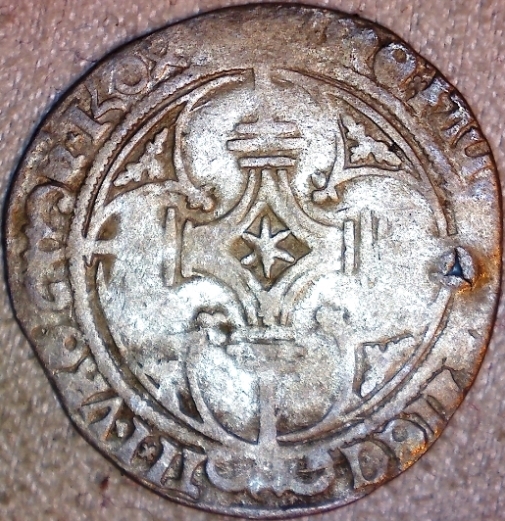 "If you climb a good tree, you get a push."
-----Ghanaian proverb
"The danger we all now face is distinguishing between what is authentic and what is performed."
-----King Adz
|
|
Pillar of the Community
United States
8074 Posts |
And the corresponding 1504 Brabant double patard. 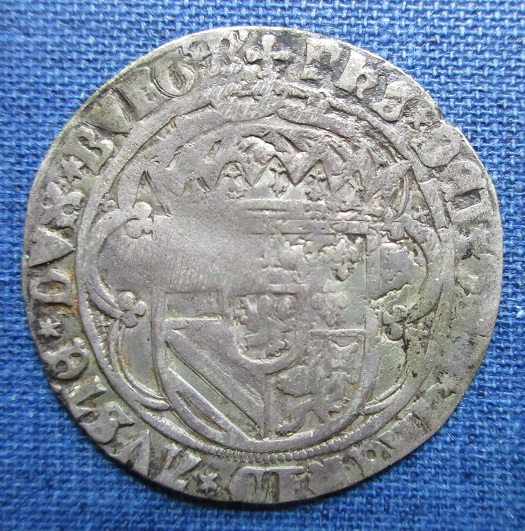 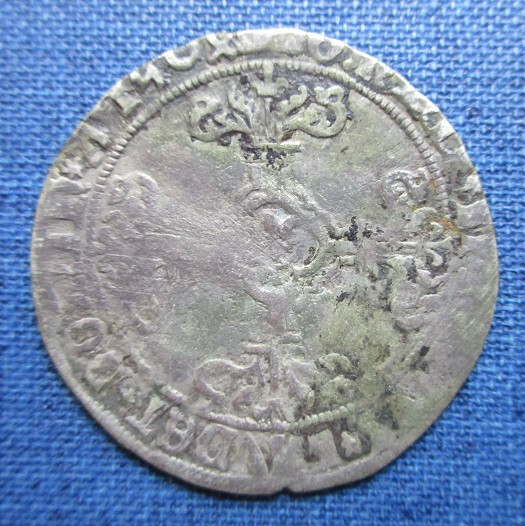 From the 1470s to around 1520 the patard (stuiver) and 2 patard (2 stuiver) coins were the same weight, but the silver purity was double in the 2 patard. In the early years, the coin designs told which was which: the single patard (or briquet) had one lion and the double patard (or double briquet) had two. But it must have gotten confusing with these later shield/cross design. Edited by tdziemia
02/06/2026 10:32 am
|
|
Moderator
United States
197800 Posts |
Excellent examples! |
| |
Replies: 10,175 / Views: 337,655 |





 First Page
 Previous Page


 Posted 02/04/2026 09:04 am