Quote:
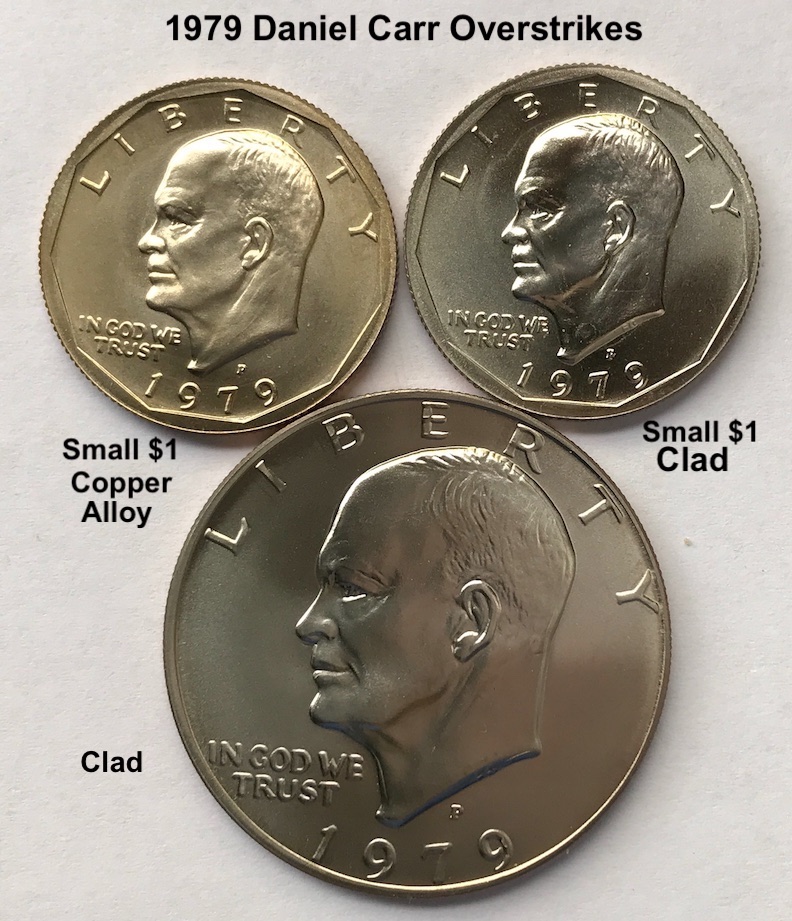
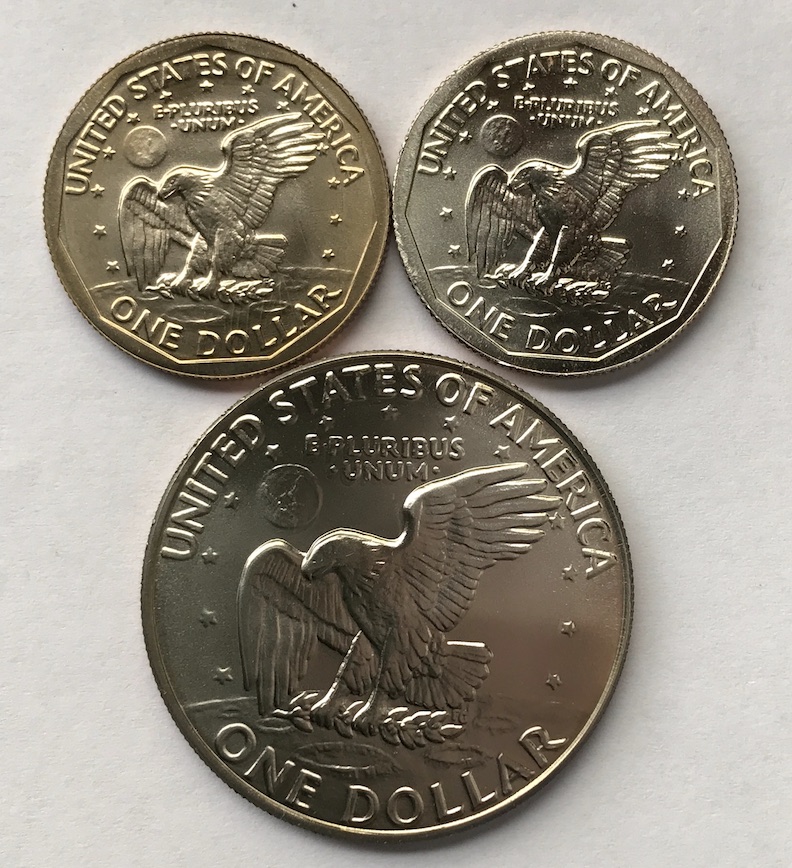
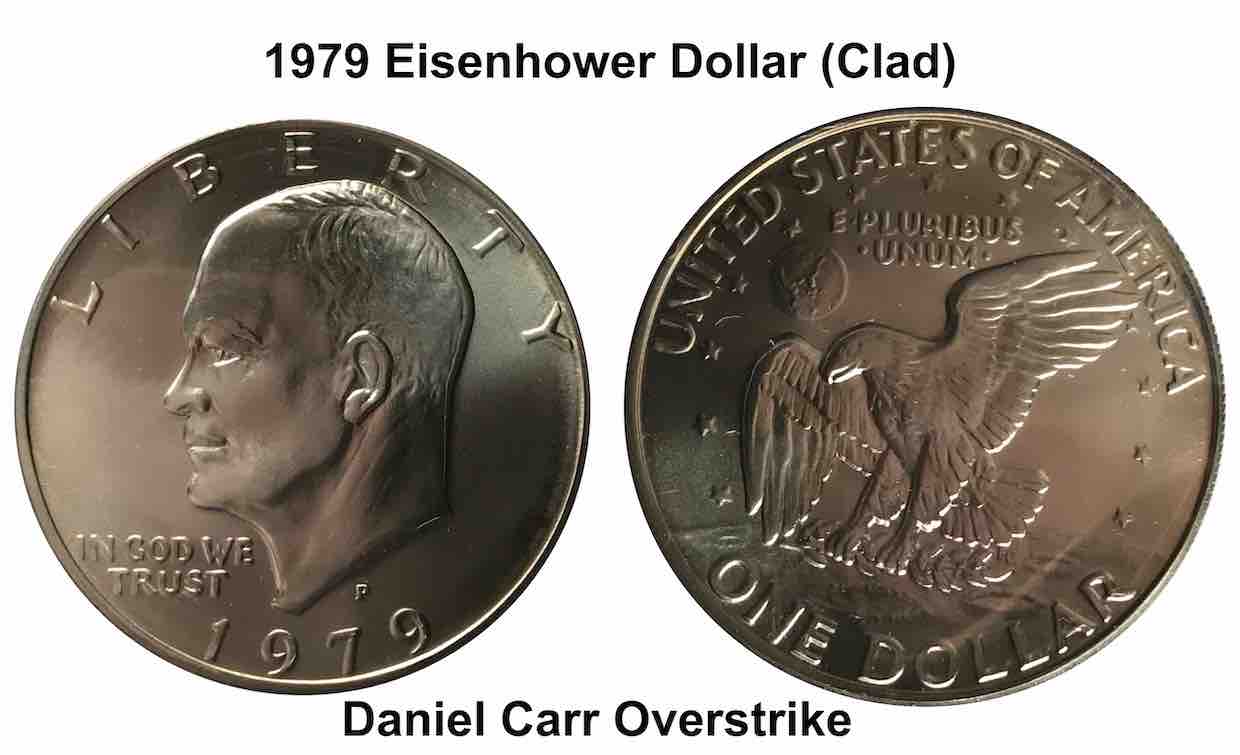
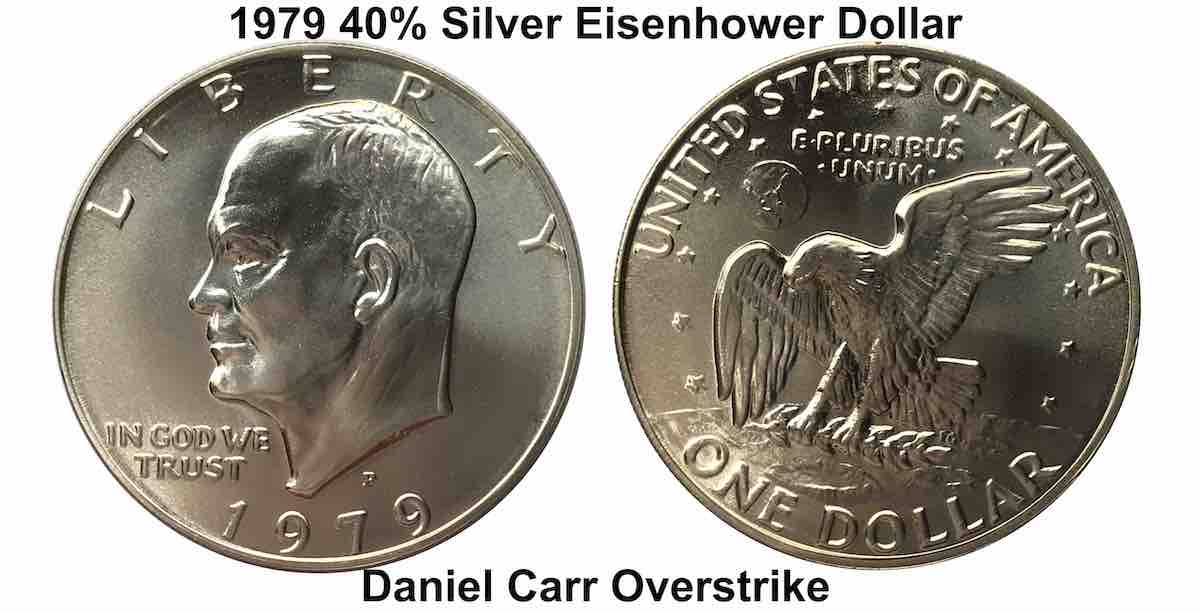
I am quite surprised that the control obsessed U.S. Gov't. actually lets him get away with what can be viewed as a form of counterfeiting.
This subject comes up every now and then when Carr overstrikes are the subject.
Simply put, you cannot counterfeit a coin that the US government never made. People tend to forget that there are silver rounds made that also copy the designs of
US coins. To the average person on the street into coins (who cannot tell you which presidents are on
US coinage), some of those rounds look like they are US, let's say,
Morgan dollars.
Then we have exact duplicates made that are legal if the word copy is part of the design. Yet more than once I have actually seen people post their coin online and wonder what it is worth. They are told the word COPY means it is just a replica coin, and they reply with something showing they had no idea it was not a real coin!
Quote:
And what happens if some future clueless inheritor of grandpa's hoard decides to use these 'art pieces' as spending money, or turn them in at a bank?
Nothing. The law of using counterfeit coins says you have to have had the intent of fooling someone with a worthless item being passed off as legitimate. This is why people are not arrested when they ignorantly pass a fake bill to a cashier.
Add to that the fact that if someone got a, let's say, 1975 Carr
Washington quarter overstrike in change, if they even noticed it, and if they even then looked it up, they would find they gained 200.00 of value rather than being taken for .25. And again I mention that there have been counterfeit bills in circulation for a long time that people use. The US keeps trying to change up our 100.00 bills because China is so good at faking them.
The reason the over-controlling government has not clamped down yet on Daniel Carr, and won't, is because he is not breaking the law as it is written on the books. He was not dumb enough to start up a business like this when he first started making his overstrikes. He went to the huge expense of buying the equipment he would need (including an actual Denver-used coin press that he srestored), did the homework, and knows that factually what he is doing is totally legal.
It is only those of us out here who have never taken the time to find out actually what the law says that, until we do the homework, have an idea his overstrikes are an act of counterfeiting. Years ago when I first saw his overstrikes I wondered the same thing and did the homework. I found out I really did not know what counterfeiting in the eyes of the actual law is.
Another point to make in all of this is again hinging on intent. He is not trying to pass these of as currency (like Henning did with his nickels), he is, like the silver round people, making objects to be sold for collectable items.
Quote:
...somewhat against what coin collecting is or should be about.
I would suggest another viewpoint in that these overstrikes are just a niche in the exonumia section of the hobby. The ones in my collection, to me, are fun use to fill in missing holes (like the 1975 quarter mentioned), but where they are inserted I also have a note (for when I am pass on) of what those overstrikes actually are. If I am honest with myself, I never see them as being an actual US coin that is part of the set, rather they remind me what could have been and so they are a fun part of the collection.
Granted, I think I was influenced by them b/c when I was a kid and the Bicentennial came around, I was very disappointed my yearly run of coins in my albums would not include 1975 quarters, halves and Ikes. I actually, as a 12 year old, dreamed many times of finding those coins and adding them to my collection. So many years later when something as close as could be (even made on a former US coining press and an actual US coin) to being the real thing was available, I admit it was incredibly fun for me to see a childhood dream come true (sort of) and be able to have those coins/dates in hand.








 First Page
 Previous Page


 Posted 01/15/2025 11:03 pm