| Author |
 Replies: 16 / Views: 2,455 Replies: 16 / Views: 2,455 |
Page 2 of 2
|
|
|
|
Valued Member
United States
162 Posts |
I'm just starting to learn about ancients, and it seems that the only comprehensive (or as near to comprehensive as one gets with ancients) guides are pricy, multi-volume works, and probably not worth the expense if you're only interested in a few coins. However, the folks on this forum are usually more than happy to give an attribution and a rough value if you post pictures of the coins.
|
|
Pillar of the Community
United States
4253 Posts |
echizento is right. There are a lot of on-line resouces that can help attribute and others that will help in determining value. If you are interested, just ask on this forum and we will provide you the addresses. And like ZiggyZ said, post the images here. Not only will we help, but we can point you in the right direction. Glad to have you on this forum.
|
|
Valued Member
United States
422 Posts |
Ditto! Put some images up and these guys will most likely zero in on its identity very quickly. BTW welcome to the ancients forum.
|
|
Bedrock of the Community
Australia
21792 Posts |
ccw2805: There are lots of CCF members who can help you, who have extensive book references, which you don't need to spend any money on just now, if you are just starting out into ancients.
There are also extensive and very valuable Web references available. Just keep plugged into the ancients forum within the CCF, and you will eventually find all of them, and all of us.
|
|
Valued Member
 United States
78 Posts |
Thanks, I posted pictures of these coins before but didn't quite get all the information I was looking for I will post them again and see what happens.
|
|
Valued Member
United States
78 Posts |
|
|
Pillar of the Community
United States
870 Posts |
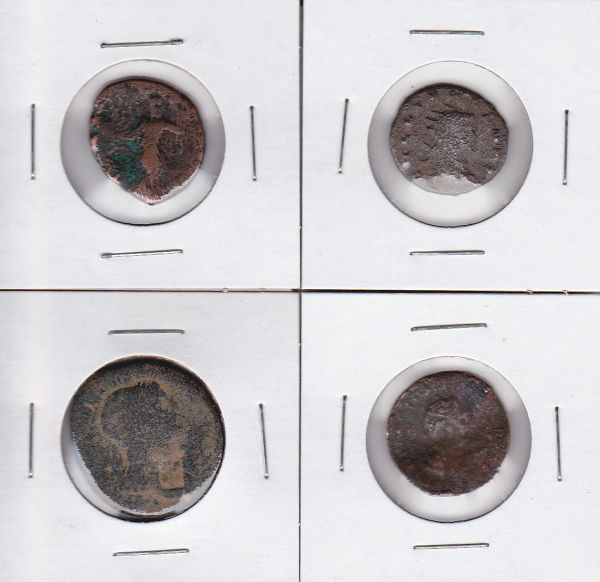
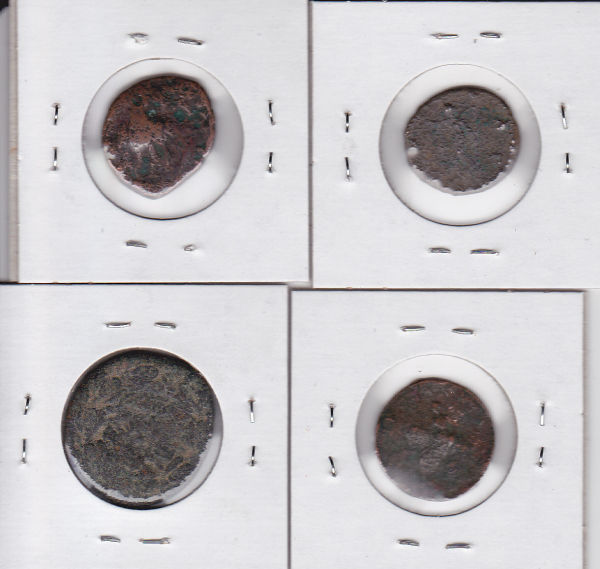
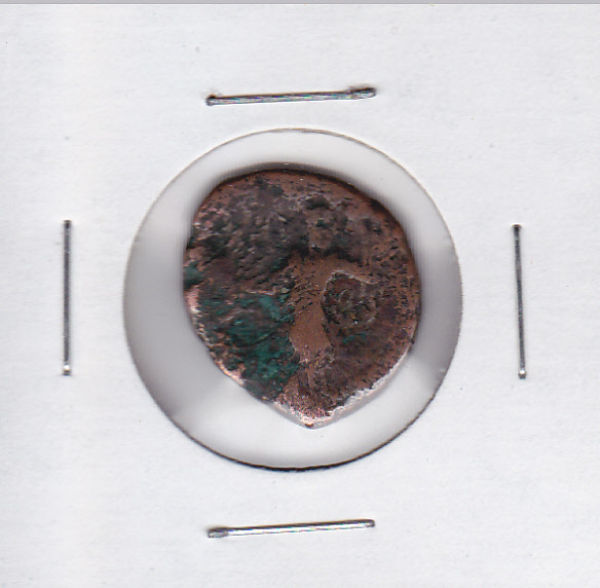
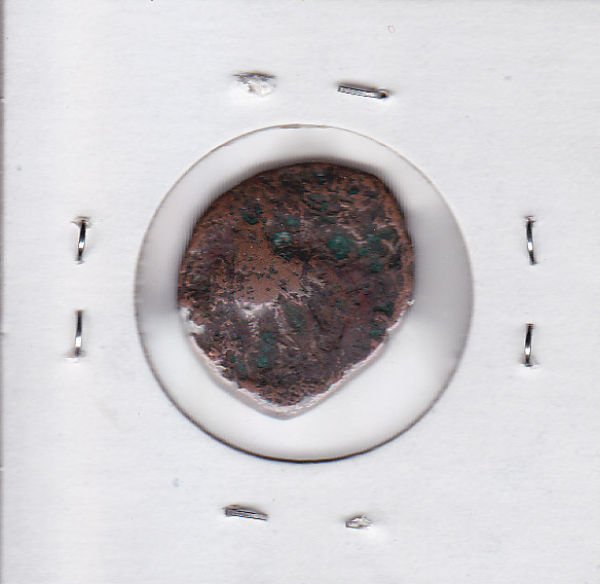
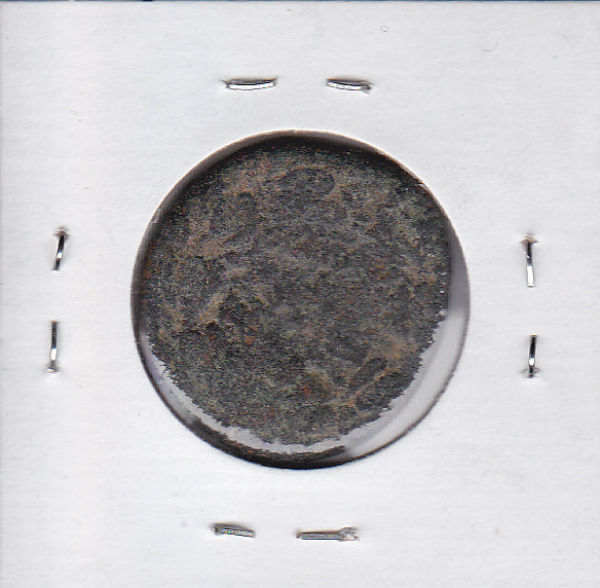
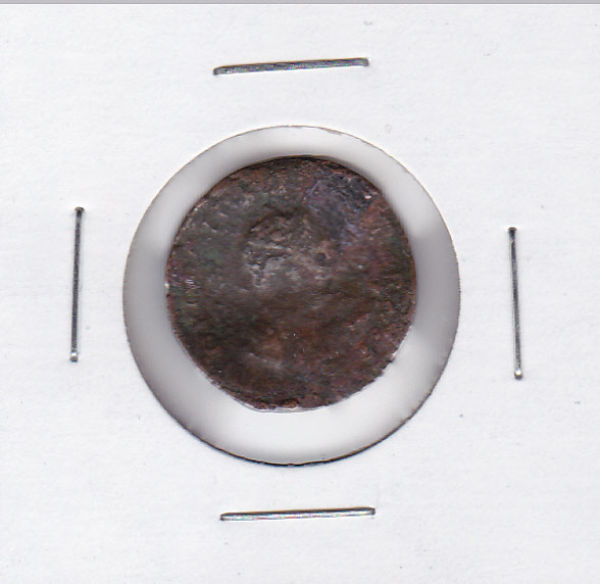
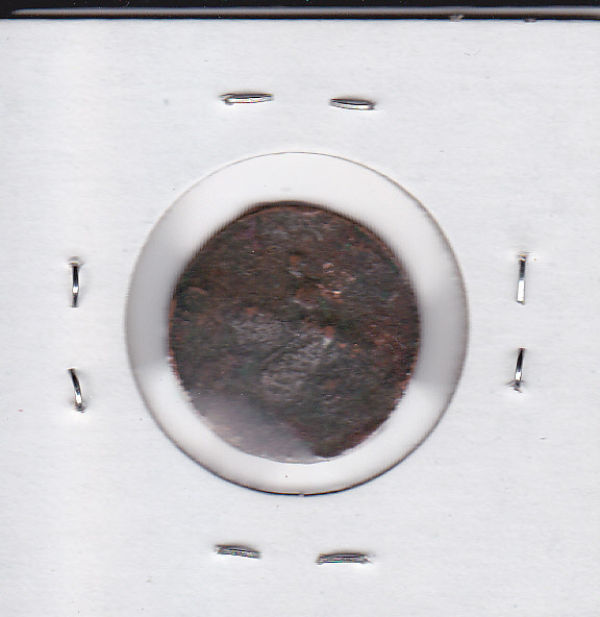
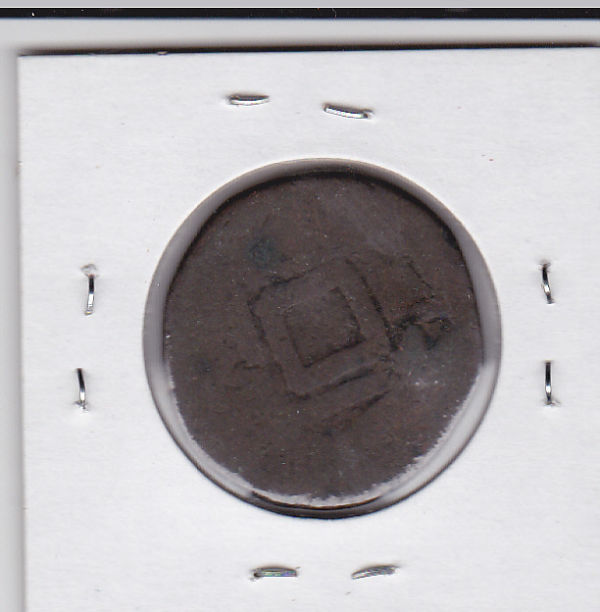
Unfortunately those coins do not appear to be attributable at all. They all appear to be 3rd - 4th century Roman coins except the last one which looks to be Indian or Arabic. In the state they are in they are probably worth about one dollar a piece.
|
|
Moderator
 United States
23731 Posts |
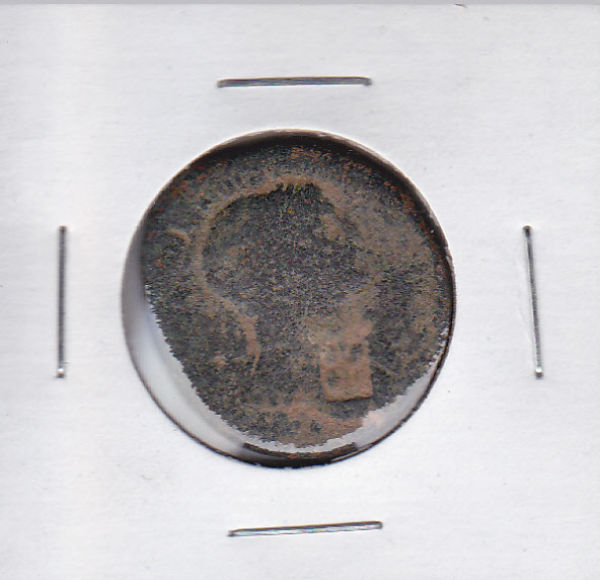
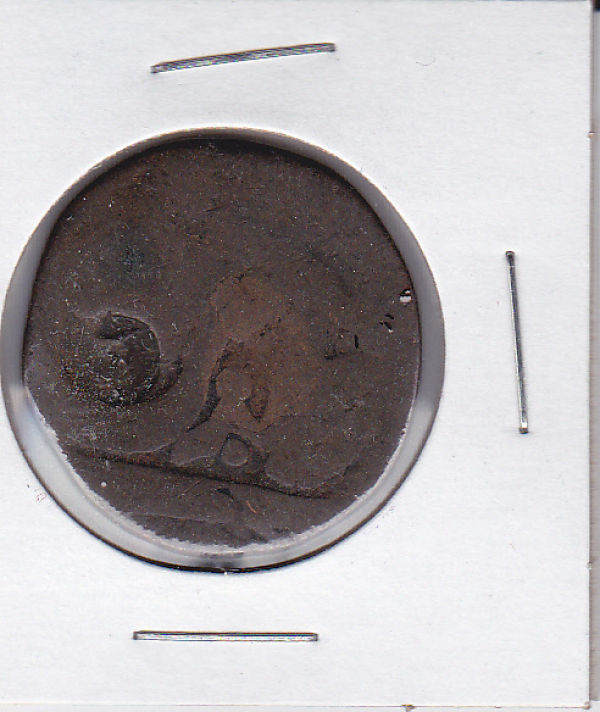
Sadly they are all too worn to be able to attribute. However the third one on the left appears to have a counter mark if some of the dirt where removed it may reveal the mark and we might be able to attribute it that way.
|
|
Pillar of the Community
United States
4253 Posts |
For the most part, MartiVltori is correct. However, the first coin appears to be a Gallienus and the third coin appears to be a first century AD coin, perhaps Claudius or even as late as a Trajan. I will do some checking and get back to you later if no one has Identified them by that time.
Regards,
|
|
Bedrock of the Community
United States
10045 Posts |
My guess on the countermark coin is Greek Provincial?  |
|
Pillar of the Community
United States
4253 Posts |
As I said, I believe the first coin is a Gallienus Antoninianus with a Victory reverse. The problem is that there are several Gallienus coins with this reverse and your coin's condition is not good enough to distinguish which coin it may be. However, your coin is at least similar to RIC 305: Gallienus AR Antoninianus. GALLIENVS P F AVG, radiate & cuirassed bust right / VICTORIA AVG, Victory advancing left holding wreath & palm-branch. http://www.wildwinds.com/coins/sear...tml#RIC_0305 |
|
Moderator
United States
23731 Posts |
I think you might be right DVC.
|
|
Valued Member
United States
78 Posts |
Thanks for the information, so the last coin looks like its not a roman one? Also what are these coins made out of?
|
|
Pillar of the Community
United Kingdom
2936 Posts |
Number 2 (the red one) is most likely Kushan rather than Roman.
|
|
Moderator
Australia
17011 Posts |
In order the larger pictures were posted:
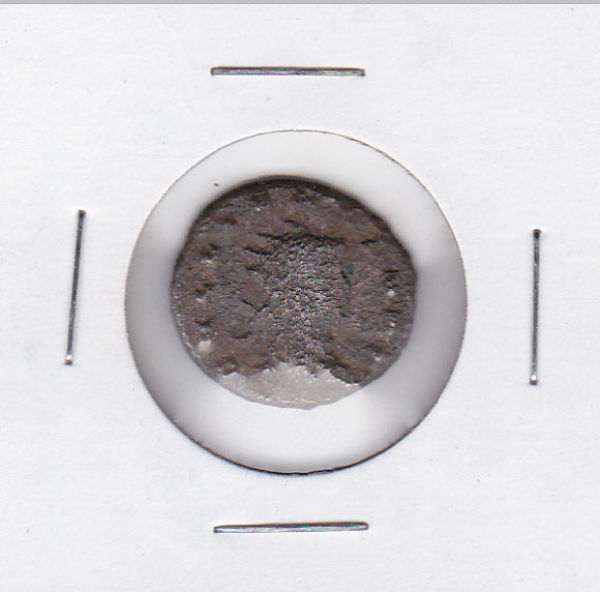
#1: Roman Empire, Gallienus antoninianus, as others have said. There's not enough space left for "VICTORIA" to fit on the reverse lettering; I think it's PAX AVG. Antoninianii of this period were made of extremely debased silver - less than 5%.
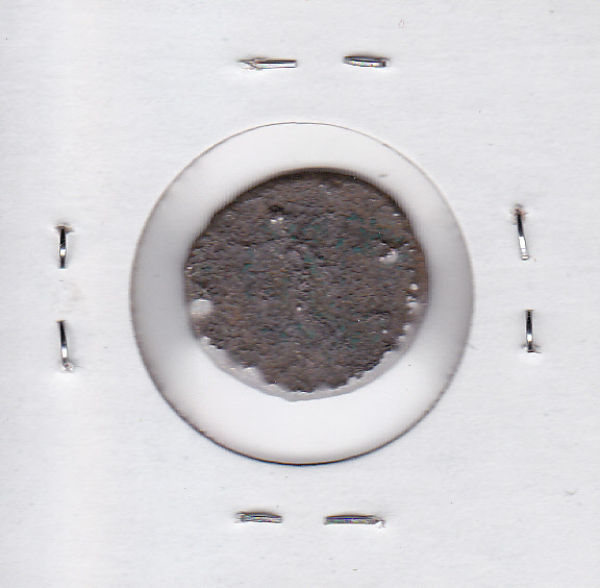
#2: I have no idea. It looks a bit too small to be a Kushan copper, and appears to have a human figure on one side and an eagle on the other.
#3: Roman Provincial, I think I can make out a large "SC" inside a wreath on the reverse. That's a very common design for coppers of Antioch. Being counterstamped like this one also seems to be a common fate for Antioch coppers.
#4: Appears to be Late Roman, from what I can see of the portrait, but the seated figure on the reverse looks earlier than that. I can't read enough of the lettering to be able to tell whether it's a Greek or Latin legend on the obverse. It looks copper but there's no way to know for sure unless we can actually ID the coin.
#5: It looks more Islamic/Indian, rather than ancient. It appears to be bronze/copper.
Don't say "infinitely" when you mean "very"; otherwise, you'll have no word left when you want to talk about something really infinite. - C. S. Lewis
|
|
Page 2 of 2
|
Replies: 16 / Views: 2,455 |
Page 2 of 2
|





 First Page


 Posted 03/15/2012 10:24 pm