| Author |
 Replies: 17 / Views: 2,898 Replies: 17 / Views: 2,898 |
Page 2 of 2
|
|
|
|
Bedrock of the Community
United States
12477 Posts |
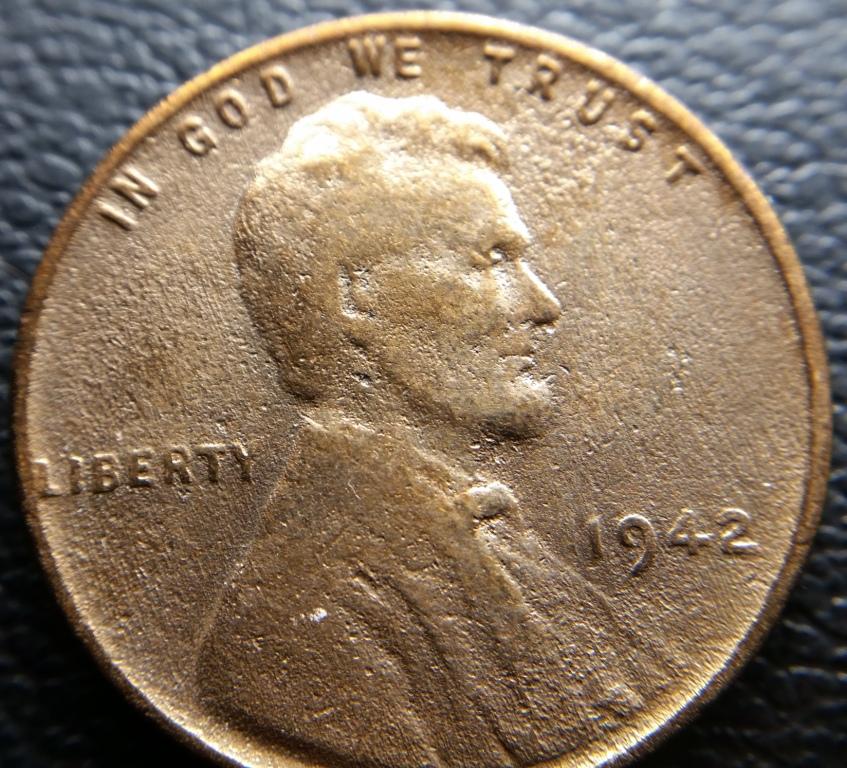
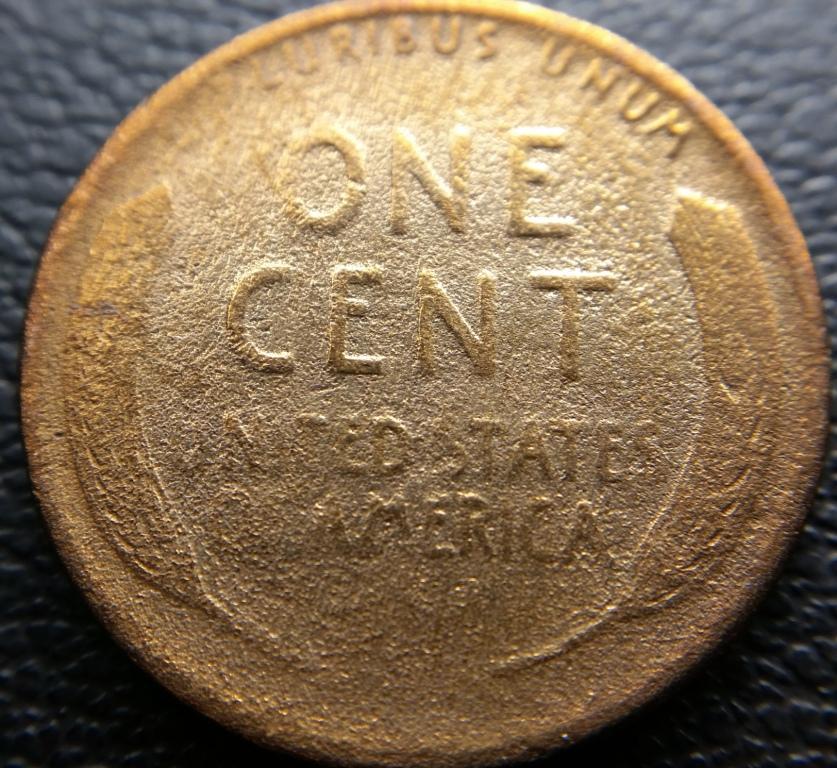
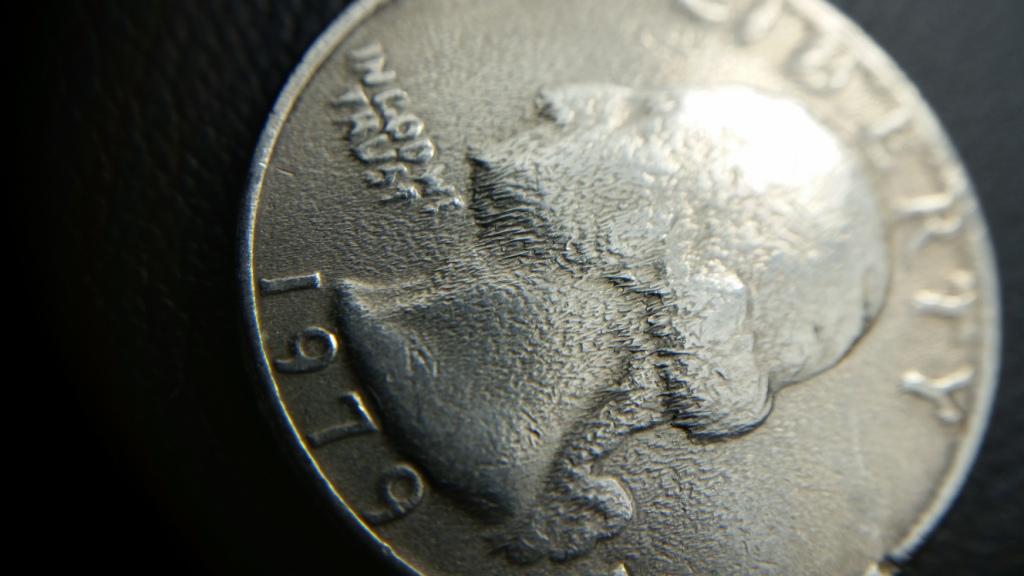
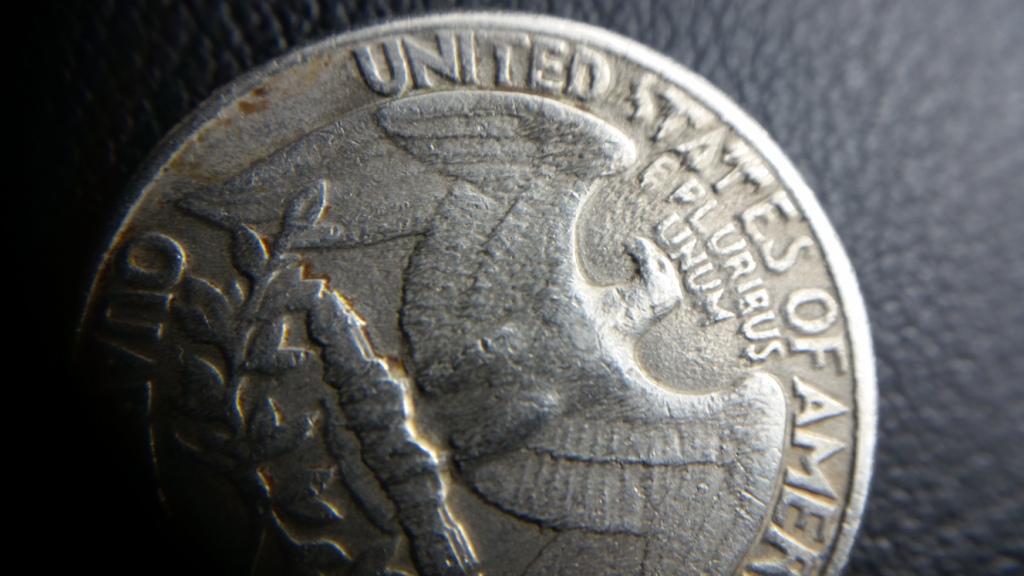
 Either acid-treated or environmental damage/corrosion. In Memory of Crazyb0 12-26-1951 to 7-27-2020
In Memory of Tootallious 3-31-1964 to 4-15-2020
In Memory of T-BOP 10-12-1949 to 1-19-2024
|
|
Pillar of the Community
United States
5964 Posts |
Looks to me like a late die state and maybe some environmental damage. Whatever it is, it has a unique effect. I like it.  |
|
Valued Member
 United States
147 Posts |
It is something I do not remember seeing before. I thought it may have been a light even coat of grease or something like that. The other explanations seem more plausible though. Thanks for the comments.
|
|
Moderator
 United States
56855 Posts |
Acid or heat damage. John1  |
|
Pillar of the Community
United States
1609 Posts |
That's a new one for me. Can anybody replicate it. Challenge for the chemists in the CCFamily!  |
|
Pillar of the Community
United States
2775 Posts |
I vote acid. Maybe a class room experiment or someone got bored.
I remember when I went to school (way back when) we were not allowed to experiment with acid(s), but was allowed to experiment with mercury. Thanks, Doug.
Edited by Halo1st
02/27/2017 11:20 am
|
|
Bedrock of the Community
United States
62064 Posts |
The weight will tell us if it was heated or dipped into acid. The Acid one will be thinner and lighter.
|
|
New Member
United States
33 Posts |
Well I can easily replicate this..ok not exactly.. but somewhat similar I think.. Not with acid or any chemicals. The use of a very fine Wire (or even super high grit plasitic flap wheel meant for super fine polishing of soft metals) brush attached to a high speed drill... I only know cause I have done it on some wheat ears that were well far beyond being saved.ill get a pic as soon as I get home later and you can compare, but I'm pretty sure that's the case with this one... unless my coins were on the same kind of defected planchet or whatever caused this and I just didn't notice beforehand. I thought it was a super cool looking affect though..
Edited by slickbb6
03/01/2017 07:14 am
|
|
New Member
United States
33 Posts |
|
|
Pillar of the Community
United States
3463 Posts |
Nice experiment.
Should have posted "before" pictures too, but I think we can see the damage.
|
|
Bedrock of the Community
United States
62064 Posts |
I just wondered what a coin would look like squeezed with sand paper on both sides. I'm sure it would be more incuse dots on the coin. (from the sand and depending on the grid number)
|
|
Valued Member
United States
147 Posts |
Quote:
The weight will tell us if it was heated or dipped into acid. The Acid one will be thinner and lighter. The weight is 3.07g |
|
Pillar of the Community
United States
3463 Posts |
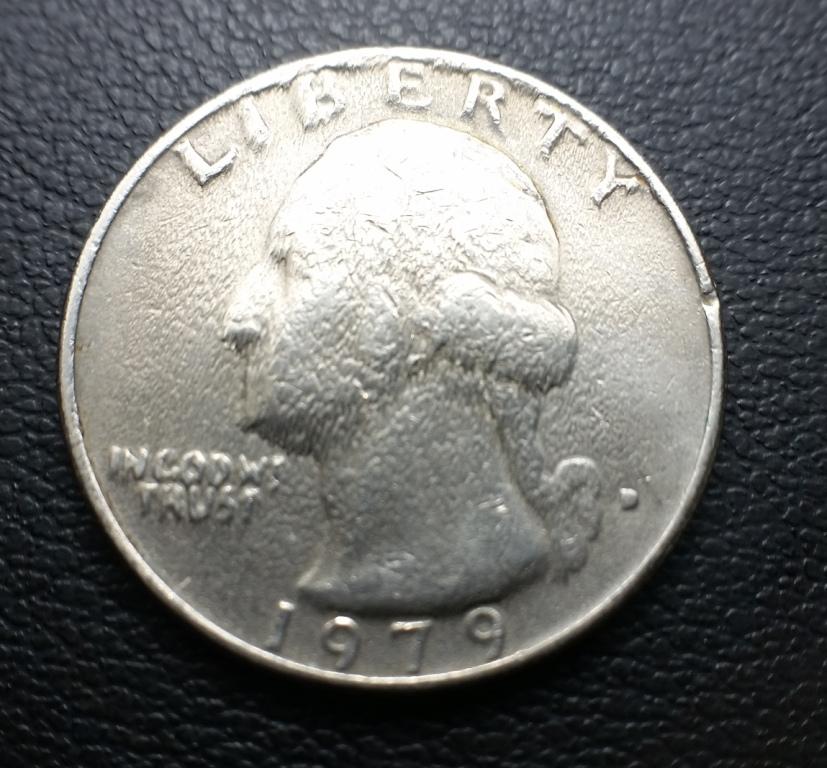
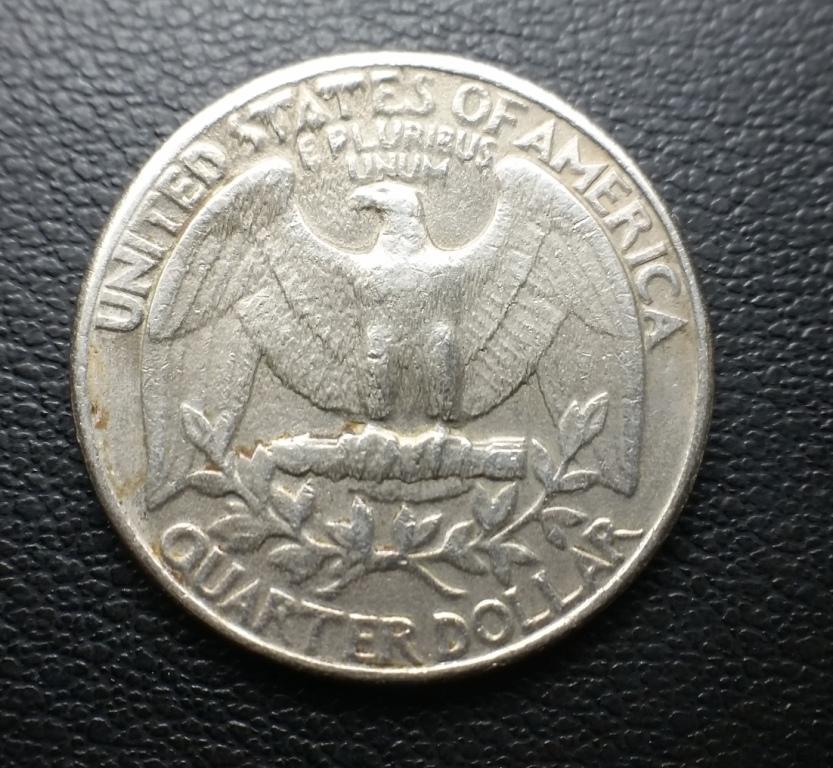
The word "STATES" on the quarter looks like horror movie font.
|
|
Pillar of the Community
United States
5964 Posts |
I also think the whole quarter looks like a horror movie. Looks like acid to me. In addition to the rough texture, acid can make "lines" between higher relief areas and lower areas. I think that's what happened at the base of Washington's bun, and under his chin and jaw. Edited by CoinMasters
03/01/2017 9:45 pm
|
|
Bedrock of the Community
United States
10065 Posts |
When I was a kid who did not know any better, I used to shine up pennies with my dad's wire wheel -- it was a part of his bench grinder.
If I pushed overly hard, this type of pattern on the coin would result.
|
|
Page 2 of 2
|
Replies: 17 / Views: 2,898 |
Page 2 of 2
|






 First Page


 Posted 02/27/2017 12:01 am