| Author |
 Replies: 24 / Views: 6,505 Replies: 24 / Views: 6,505 |
Page 2 of 2
|
|
|
|
Bedrock of the Community
United States
62064 Posts |
|
|
Pillar of the Community
United States
2775 Posts |
Quote:
would a strike through show as a bump on the opposite side? Short answer is no, but that is pending the die(s) condition. I see no raised ridge surrounding the anomaly. That is what catches my eye. Obverse Die Deterioration showing some. Could it not also be present on reverse as well? Thanks, Doug. |
|
Bedrock of the Community
United States
62064 Posts |
If the coin was altered after the strike, then it would push out on the opposite side: 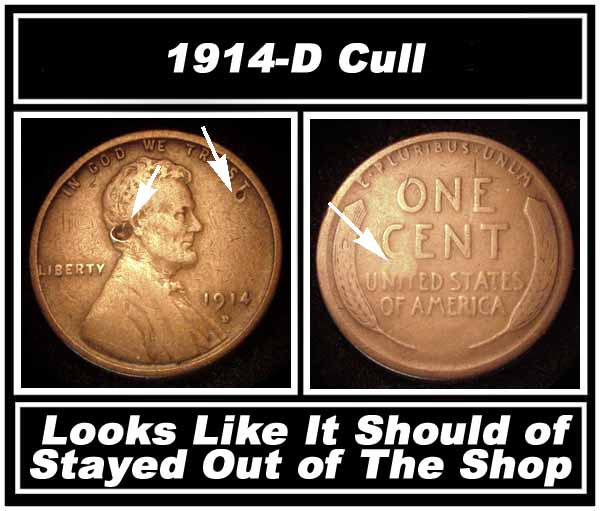 |
|
Pillar of the Community
United States
2775 Posts |
See coops 1914D example. The obverse screams of after strike indentions. Raised ridge around both blunt intrusions. The sharp protrusion on the reverse confirms it as well. Maybe you can see it in hand, but I'm not seeing that here on my end yet. Thanks, Doug.
|
|
Pillar of the Community
 United States
3003 Posts |
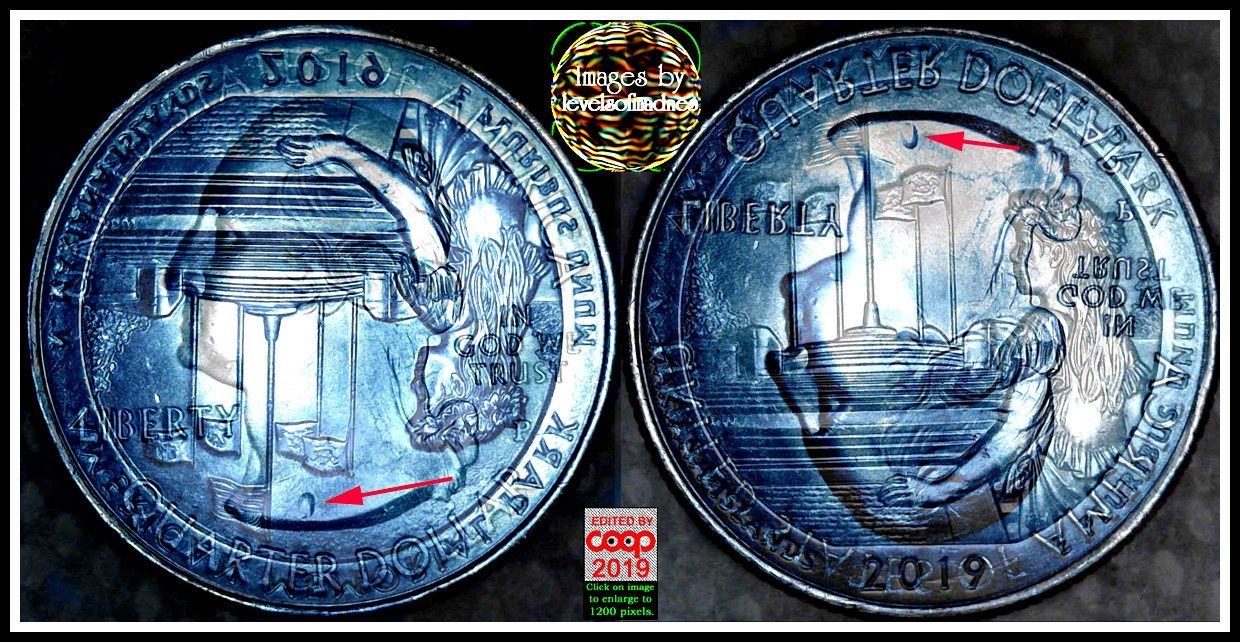
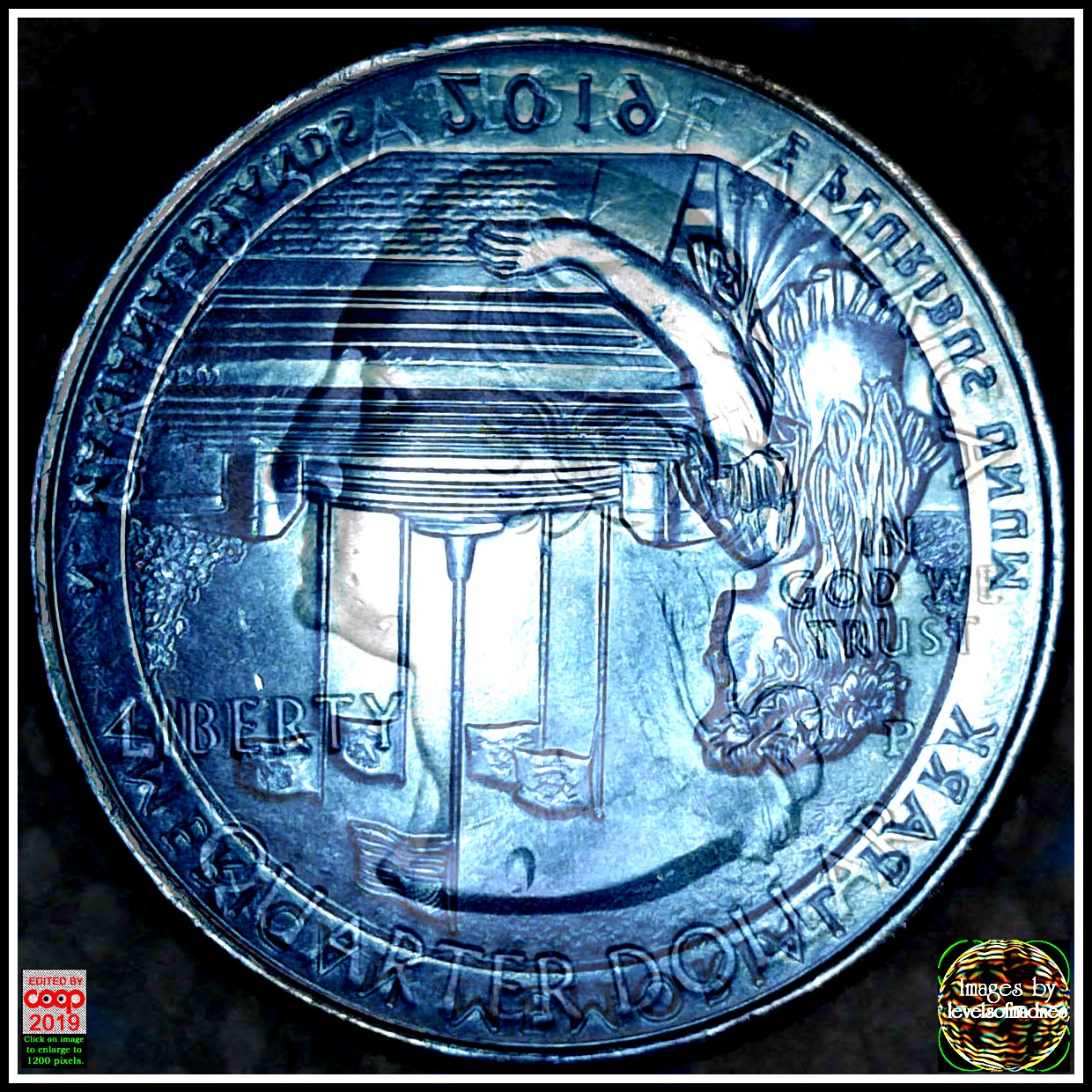
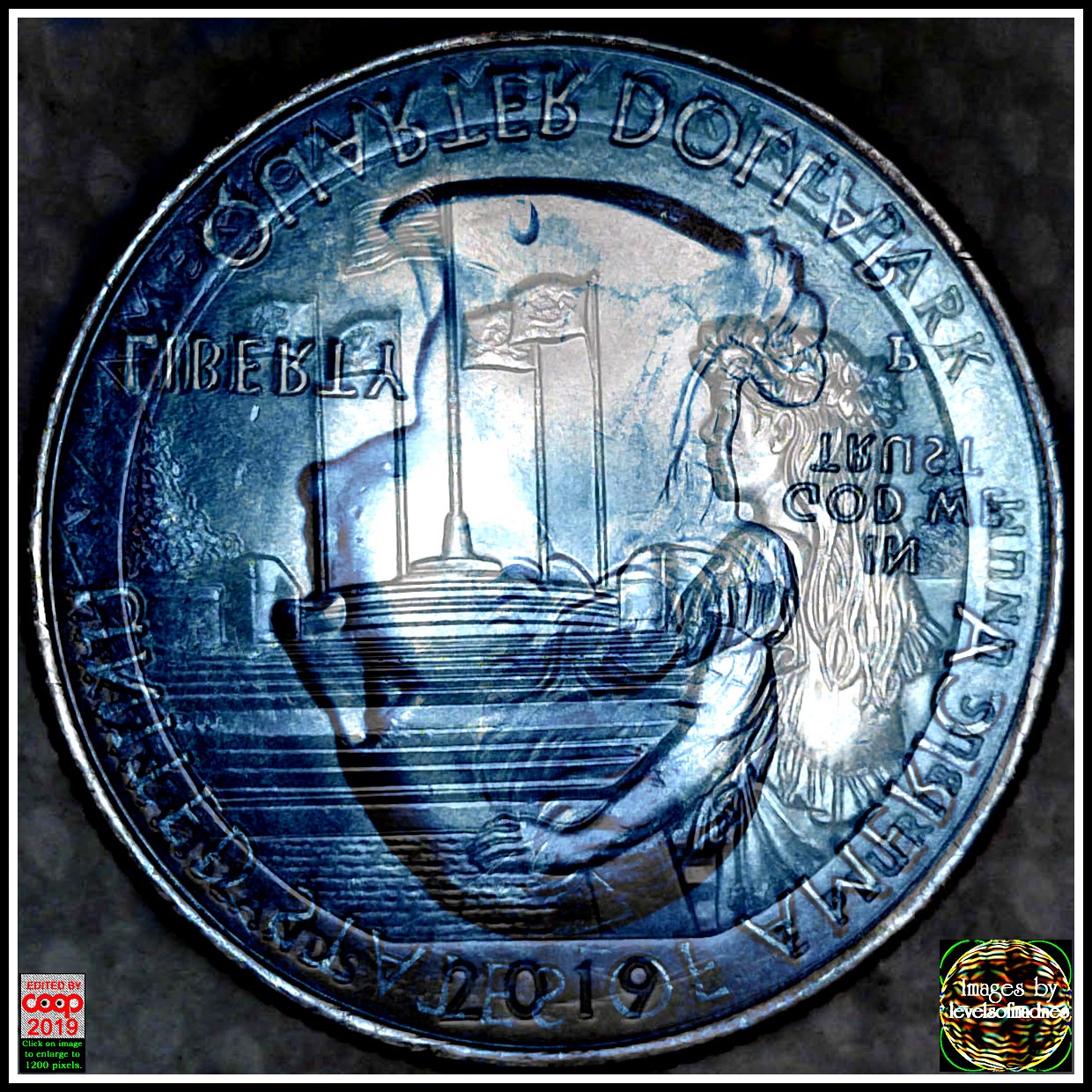
Yup. I figured I would have a hard time capturing the slight bulge. Best analogy would be like a small dent on a car door. Cant really see it head on but if you go to the back or front of the car and move your head from side to side you can see the small dent. Yes, in hand it is there.
I just need to work on my picture capturing skills.
Thanks everyone . now to see if there is a video on coin Rockwell hardness test. Need to see exactly how it is performed.
|
|
Pillar of the Community
United States
1566 Posts |
I just posted a 1956 Wheat cent with the same marks on it but mine has two marks looking the same as your mark!  ODD A 1956 and a 2019 WOULD HAVE THE ((( SAME ))) MARKS !! |
|
Pillar of the Community
United States
1566 Posts |
|
|
Valued Member
United States
318 Posts |
Do these Rockwell coins carry a premium in dollar value?
|
|
Pillar of the Community
United States
3003 Posts |
Quote:
Do these Rockwell coins carry a premium in dollar value? I don't know if there is a premium; probably not. I just wanted one IN HAND for knowledge. |
|
Pillar of the Community
United States
2752 Posts |
Right now, ALL Rockwell Hardness Test marks are suspect. Last year I wrote a Collectors' Clearinghouse column in Coin World which cast serious doubt about some of the best, most well-accepted examples. Error coin writer and researcher.
|
|
Pillar of the Community
United States
3003 Posts |
Thanks Mike Diamond.
I guess stand by to stand by.
EDIT: ... for now will put it in a 2x2 for safe keeping
Edited by levelsofmadnes
04/14/2019 10:28 am
|
|
Bedrock of the Community
United States
62064 Posts |
I could see a need to test planchets to make sure they are softened. But they don't soften cents, so that theory goes out the window.
|
|
Pillar of the Community
United States
2752 Posts |
Copper-alloy cent planchets were annealed (heat-softened), zinc cent planchets are not.
Error coin writer and researcher.
|
|
Pillar of the Community
United States
3363 Posts |
The anvil effect on the opposite side means this indentation happened after the strike. The shape is also inconsistent with a RTM along with the fact that it is on the bust. A RTM in that area would be expected to be obliterated by the metal movement to fill the area of the bust. You can see a more extended discussion of RTM in my paper at this link: https://conecaonline.org/rockwell-h...ncoln-cents/As an update on this paper, I was recently disappointed to hear from Mike Diamond who just examined the coin I featured in this paper as having likely RTM. He said "Upon examination under high magnification, a (sic) was able to detect a very subtle, very diffuse pressure ridge around each circular pit." I am waiting for him to return the coin now and plan an attempt to see what he is talking about. The marks (there were 2 of them on my coin) must have been subtle indeed, because he also said that they were too subtle to capture digital images! I am not going to give up the search even though I think that my chances of winning the Lottery would be better than finding a RTM!! I have established a couple of data bits about RTM  The mint scraps all planchets which have been tested, so it would be less likely one would escape and go into production. The fact that they scrap the tested planchets illustrates their determination that, depending on the orientation of the planchet in the striking chamber, the RTM could survive the pressure of the strike. Were dies to have a RTM on the face of the die, the coin struck would have a raised bump. However this cannot happen, because the dies are tested on the neck of the die and not the face. Edited by Pete2226
06/29/2019 2:13 pm
|
|
Pillar of the Community
United States
3003 Posts |
Thanks Pete2226.
And good luck on finding a conclusion to your marathon research.
|
|
Page 2 of 2
|
Replies: 24 / Views: 6,505 |
Page 2 of 2
|





 First Page


 Posted 04/13/2019 10:22 pm


