First Page
 Previous Page


 Posted 06/21/2023 9:02 pm


Silvio, I missed your comment earlier:
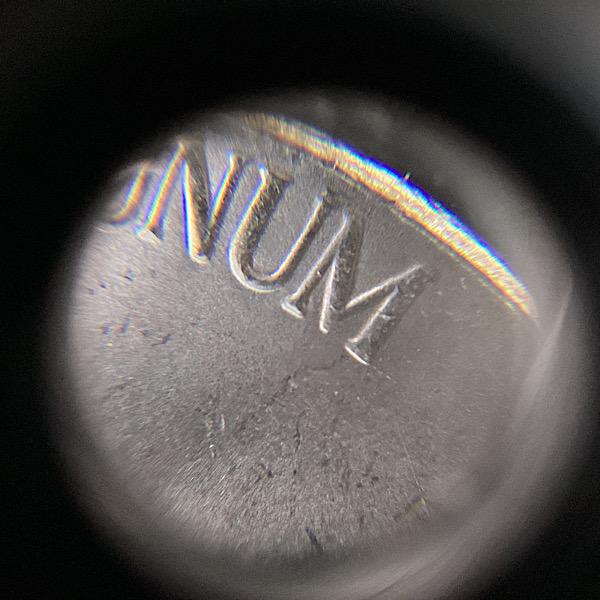
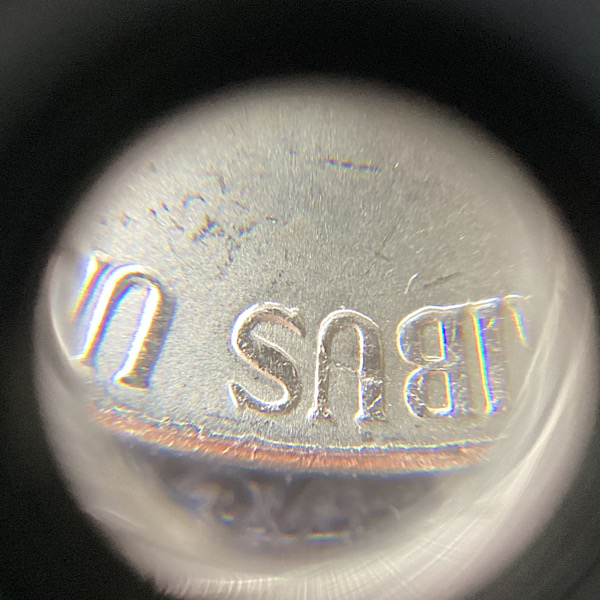
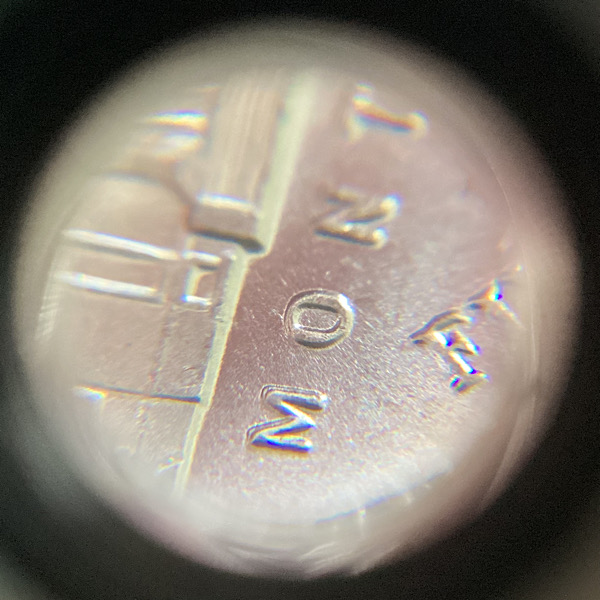
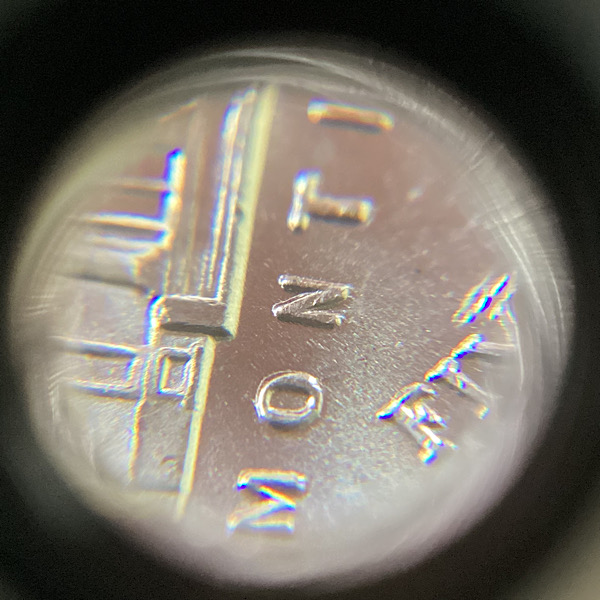
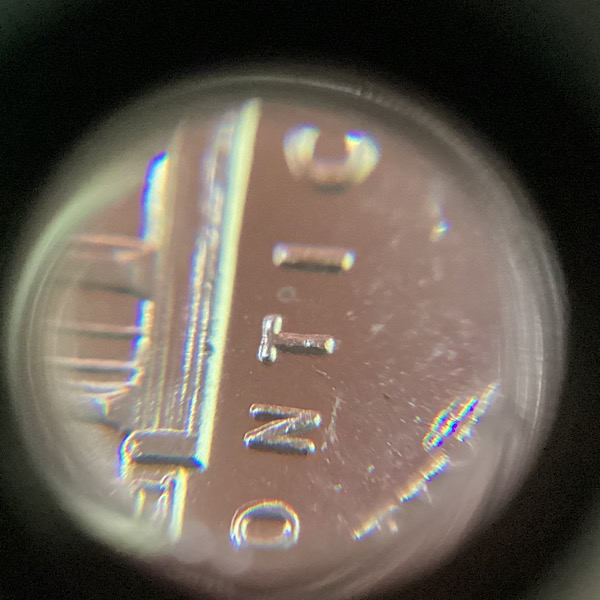
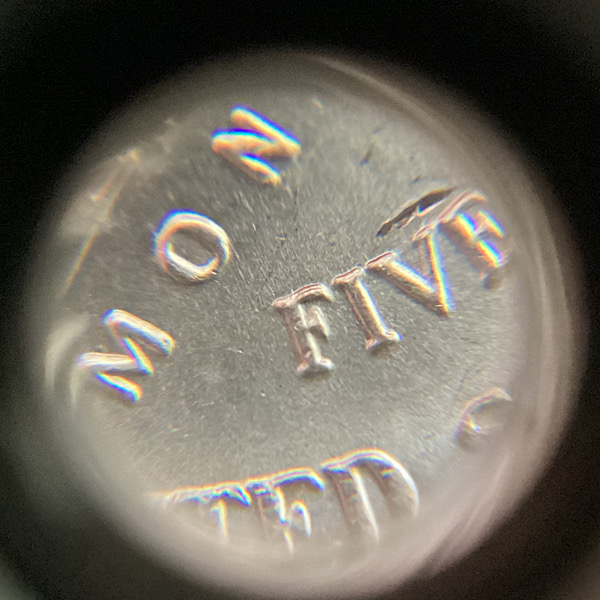
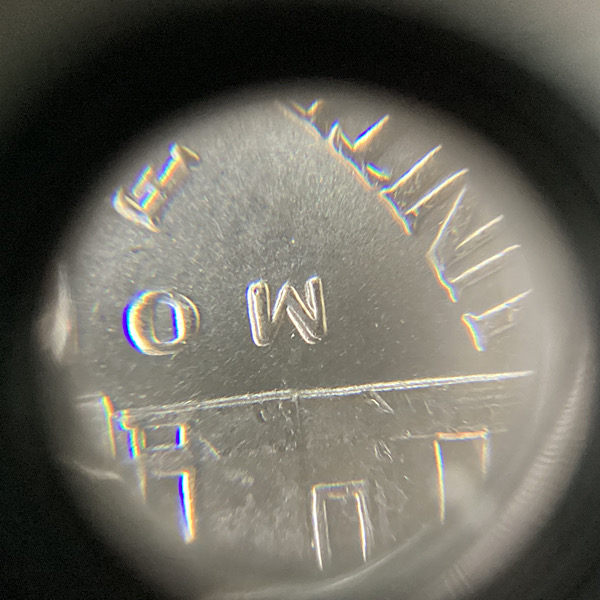
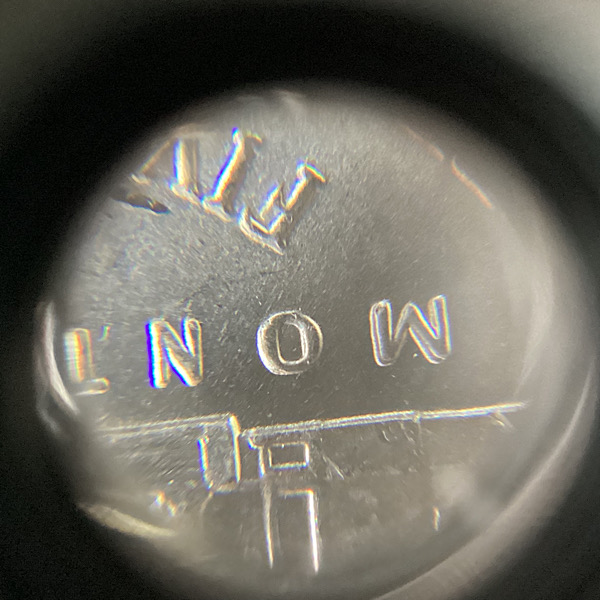
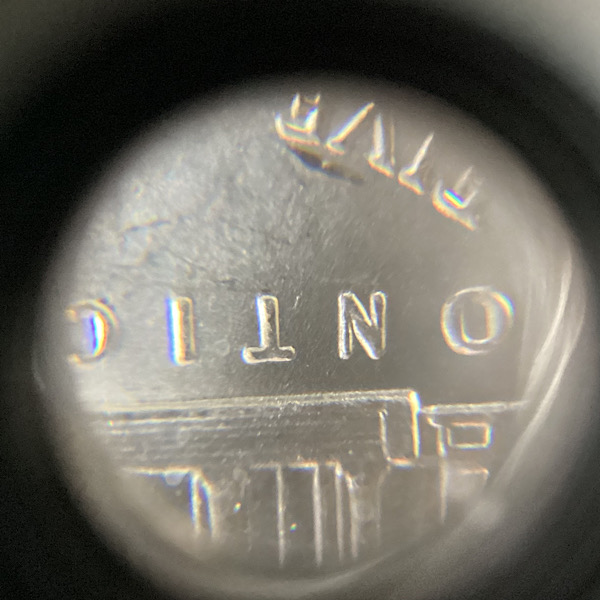
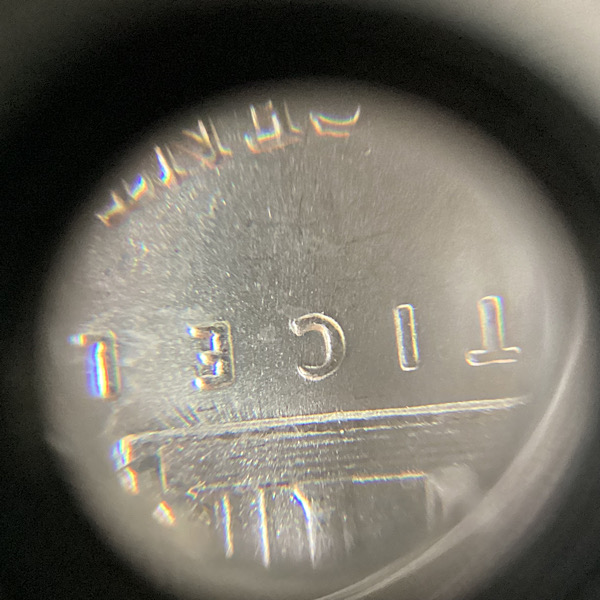
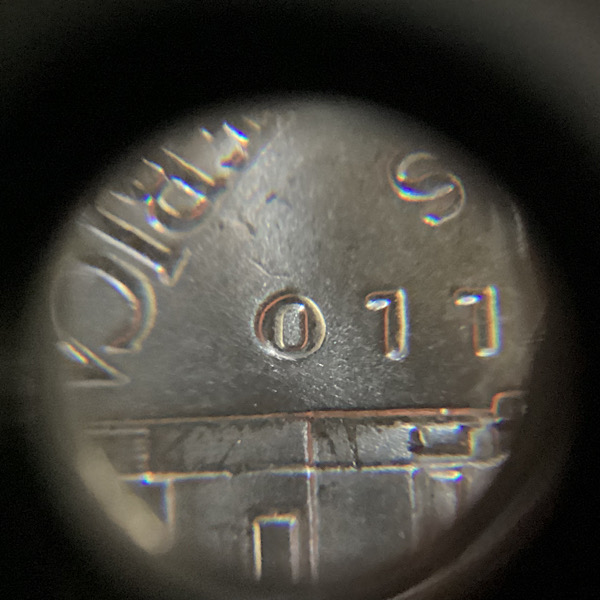
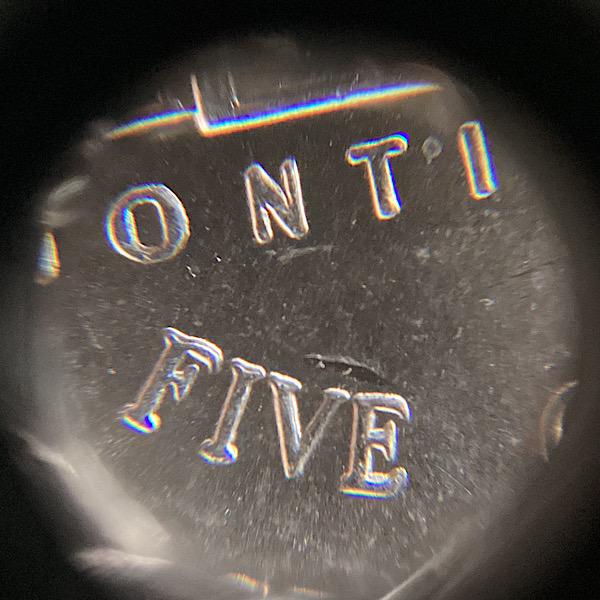
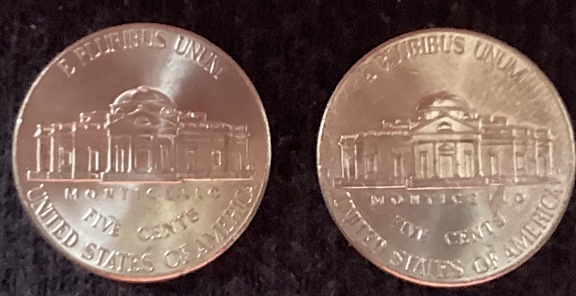
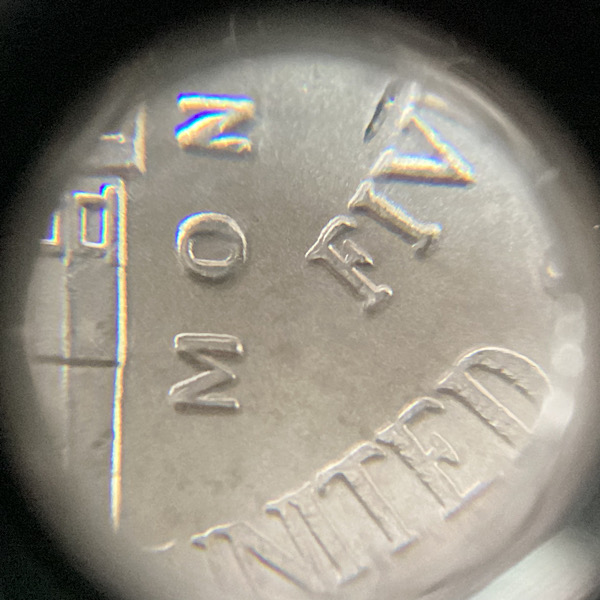
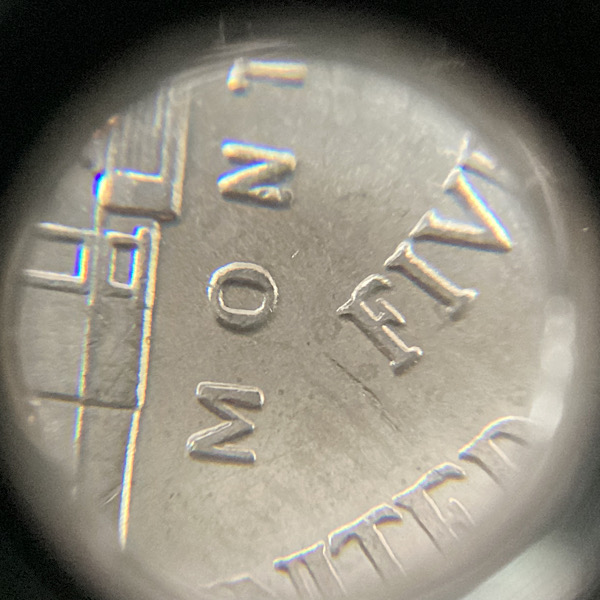
Essentially what you are saying is that the post-2000 changes to the minting process (including hub and die making) must be treated as separate from the older manufacturing. Some old doubling classifications are no longer likely—or perhaps no longer even physically possible—and new quirks have been born that cannot be accurately described by the old I-VIII. Nickels are a good example coin, because the transition to single squeeze changed a great deal about how and where errors can be introduced in the manufacturing process.
What you are saying reminds me of semiconductors after Y2K. As transistors kept shrinking, the problem classifications shifted considerably in manufacturing. When transistors were huge (relatively speaking), they dominated the faults. As transistor geometries shrank faster than everything else, chips became dominated by the wires. The wires became insanely thin and went much, much greater distances. Metal migration was a huge problem, standby leakage currents became a huge problem, speed testing millions (or billions) of internal pathways became a huge problem.
Superficially, making chips was the same process of using metal, chemical, and photo-lithography techniques to etch semiconductors. But the old problems went away, and were replaced by entirely new (and sometimes completely unforeseen) problems.
So perhaps a better question would be: what are the irregularities in the current tooling and minting strategies that produce doubling effects? What are the signatures of the results, and can we reliably diagnose those back to a cause?
Quote:
Me personally I do not look at the coins from 2000 till now as the same as before on two squeeze. I wrote many time not to look at the coins in the same way. Seem the communities of collectors are stack with the old 9 plus 3 doubling classes and the Mint process before 2000.
Me personally I do not look at the coins from 2000 till now as the same as before on two squeeze. I wrote many time not to look at the coins in the same way. Seem the communities of collectors are stack with the old 9 plus 3 doubling classes and the Mint process before 2000.
Essentially what you are saying is that the post-2000 changes to the minting process (including hub and die making) must be treated as separate from the older manufacturing. Some old doubling classifications are no longer likely—or perhaps no longer even physically possible—and new quirks have been born that cannot be accurately described by the old I-VIII. Nickels are a good example coin, because the transition to single squeeze changed a great deal about how and where errors can be introduced in the manufacturing process.
What you are saying reminds me of semiconductors after Y2K. As transistors kept shrinking, the problem classifications shifted considerably in manufacturing. When transistors were huge (relatively speaking), they dominated the faults. As transistor geometries shrank faster than everything else, chips became dominated by the wires. The wires became insanely thin and went much, much greater distances. Metal migration was a huge problem, standby leakage currents became a huge problem, speed testing millions (or billions) of internal pathways became a huge problem.
Superficially, making chips was the same process of using metal, chemical, and photo-lithography techniques to etch semiconductors. But the old problems went away, and were replaced by entirely new (and sometimes completely unforeseen) problems.
So perhaps a better question would be: what are the irregularities in the current tooling and minting strategies that produce doubling effects? What are the signatures of the results, and can we reliably diagnose those back to a cause?