| Author |
 Replies: 24 / Views: 2,777 Replies: 24 / Views: 2,777 |
Page 2 of 2
|
|
|
|
New Member
 United States
13 Posts |
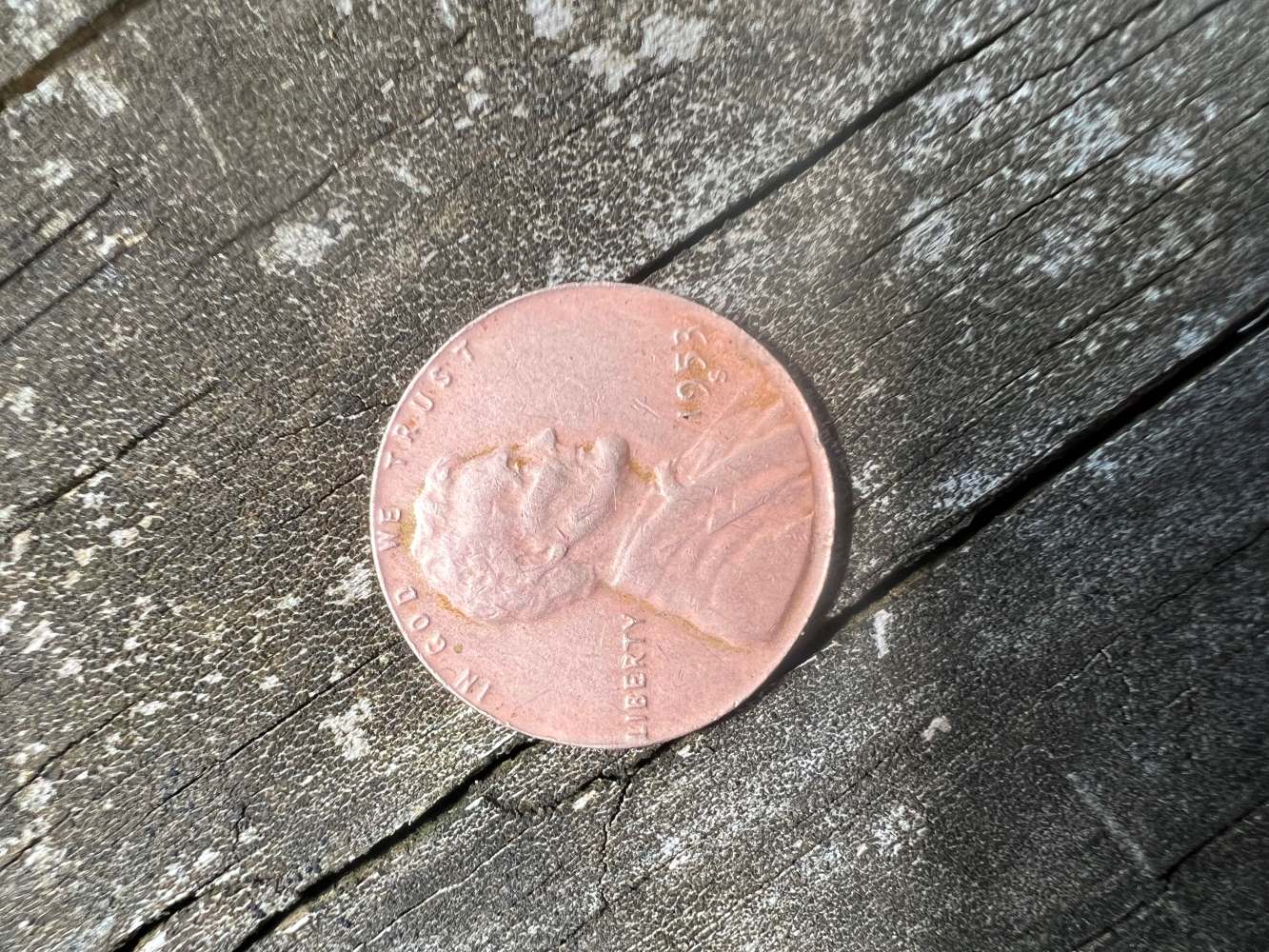
its as thin or thinner than a dime and almost the same circumference.
|
|
New Member
United States
13 Posts |
|
|
Bedrock of the Community
United States
94367 Posts |
Spence calls it.  to the CCF! |
|
New Member
United States
13 Posts |
|
|
New Member
United States
13 Posts |
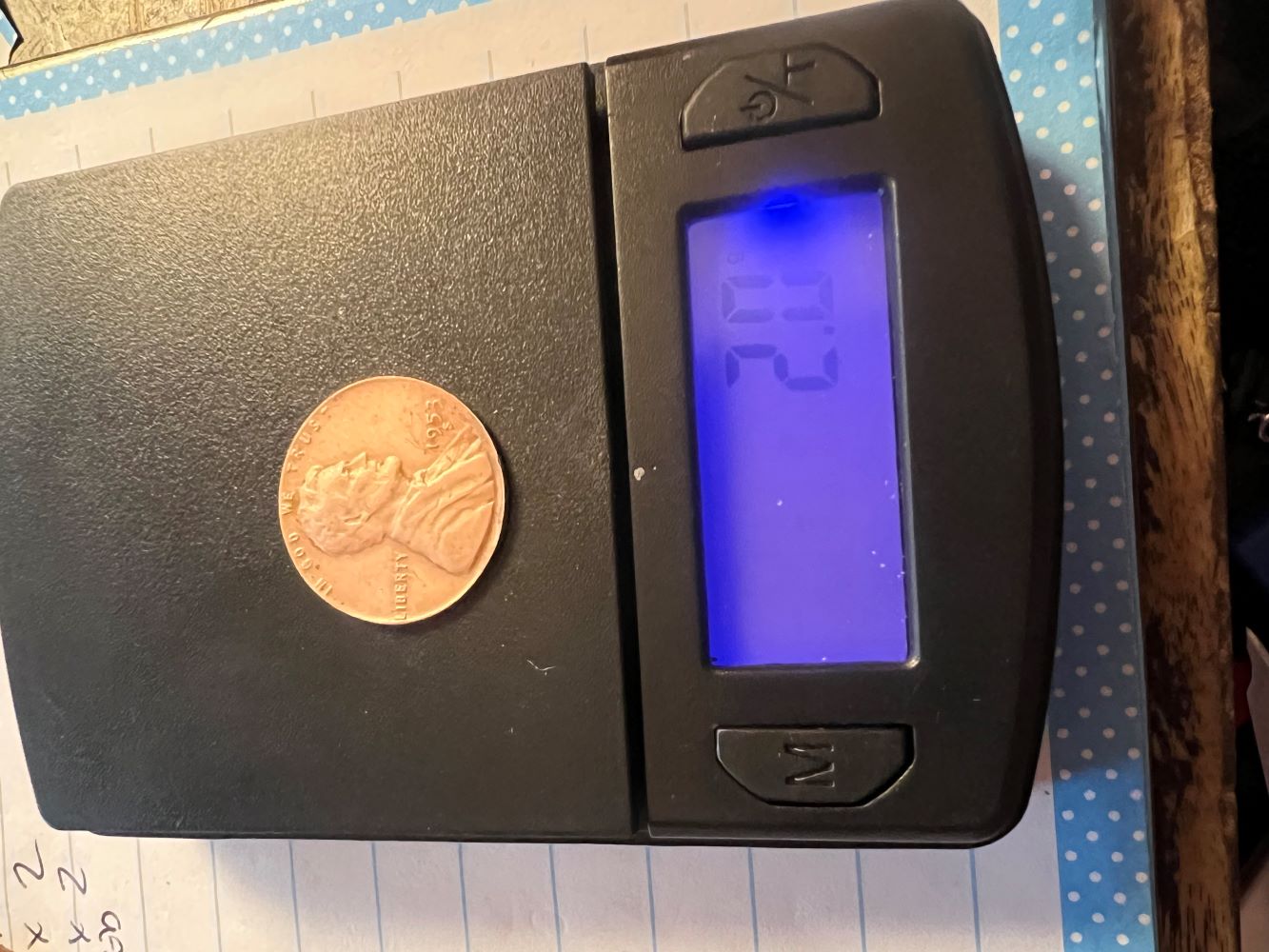
you are the guys with the knowledge so don't take this as disagreeing. every night I collect change out off the machines. The zinc pennies don't survive. the copper ones get all the patina removed but no mass. can you help me understand why this one weighs 1.1 gs less than a normal penny but still has edges that are sharp to the touch? the face wear is typical of other penny's I have, but without patina it doesn't look the same. how is it so thin but still retain the detail a normal penny has? if acid was used wouldn't the details would be much more reduced and the edges rounded? I could take a normal penny with patina and put it in the tank to demonstrate? wish I could put up some higher res shots.
|
|
Moderator
 United States
34553 Posts |
Quote:
don't take this as disagreeing We are always glad to have a robust discussion here, including different viewpoints. In the end, it is all a bit of speculation to say exactly how this cent was abused over the course of the last 70 years. We are trying our best, but honestly don't know with 100% certainty. With that said, we know that exposure to a corrosive liquid can eat away at the copper. Do all acids do this exactly the same way? It seems unlikely, but this isn't something I've researched. From seeing dozens and dozens of these (use the search box in the upper left hand part of your screen with keywords ACID and CENT) posted on CCF, there is a surprising amount of detail remaining even when the cent is wafer-thin. "If you climb a good tree, you get a push."
-----Ghanaian proverb
"The danger we all now face is distinguishing between what is authentic and what is performed."
-----King Adz
|
|
Pillar of the Community
United States
7174 Posts |
 We're not saying you did it or the floor chemicals did it. This coin sometime in it's life has been eaten away with acid. With the reverse more damaged than the obverse, maybe the reverse was the down side sitting in the acid and the obverse stayed above the acid. The floor chemicals just cleaned it off to look like it does. |
|
New Member
United States
13 Posts |
right on. here's another shot of two pennies, the one on the right having mild exposure to the stripper. 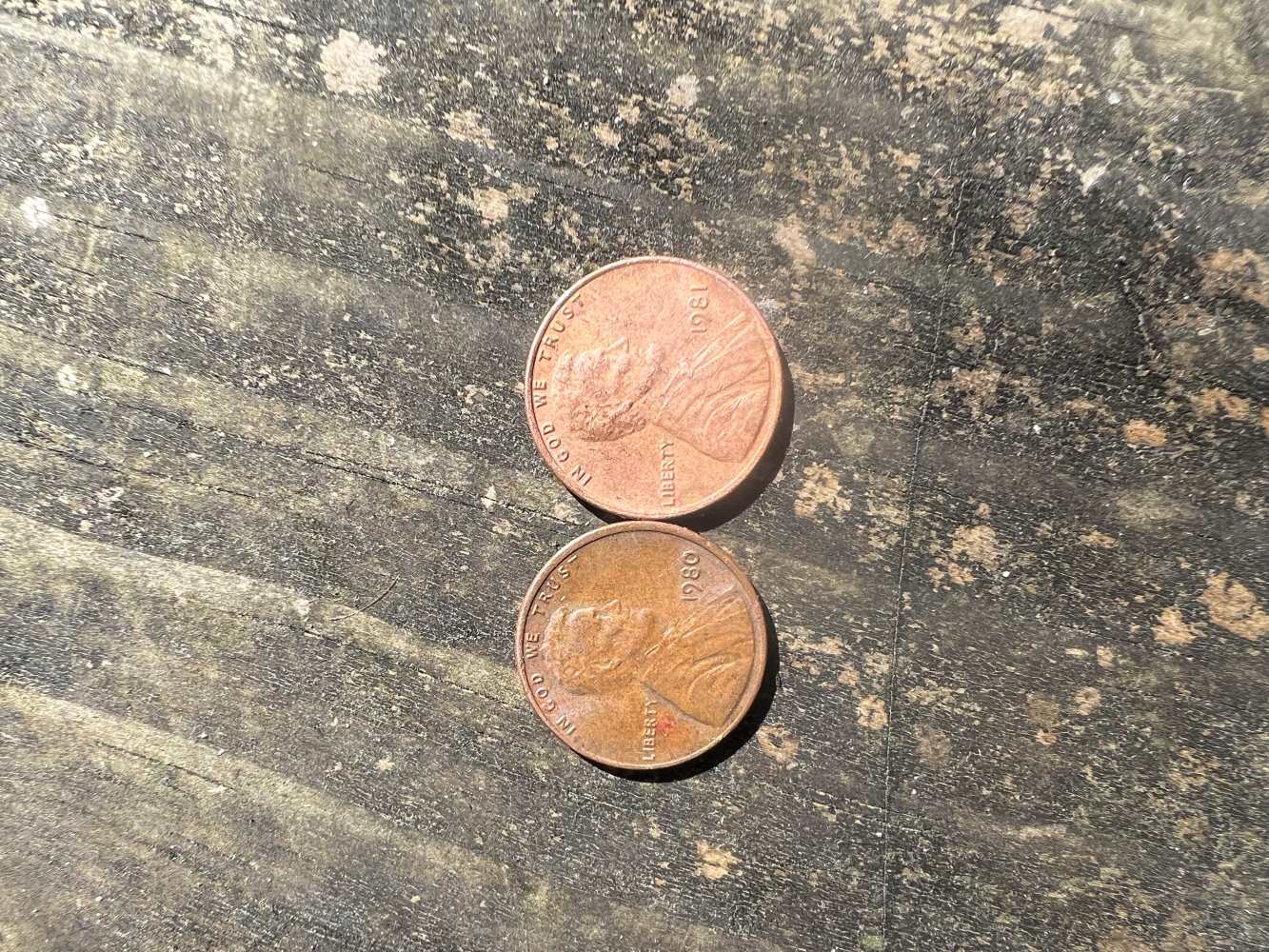 they both weigh in right at 3.1. the stripper does produce a weird color though on copper, I haven't seen anywhere else. it totally changes the patina. |
|
New Member
United States
13 Posts |
Thanks again for all the responses! should have some more stuff to post soon. all the stores we are cleaning have coin star machines in them. I take a head lamp and knock all kinds of crazy loot out from underneath those things.
|
|
Pillar of the Community
United States
5888 Posts |
This one has all the looks of an "acid dipped" cent.
Acid, such as orange juice or apple juice, will dissolve the whole surface leaving the design in tact but much weaker.
Looking at your first image comparing two coins. Notice the difference in the wdth of the rims on both coins. The rim on your coin is much narrower than the normal cent.
As the diameter of the coin is reduced, the width of the rim is reduced as well.
Words of encouragement are one of the major food groups.
We need to consume them regularly to thrive and grow.
|
|
Moderator
Australia
17002 Posts |
First, to address the hypothesis that it's a "foreign planchet". Here is a website that lists all of the foreign coins struck at US mints, sorted by country. The mint each one was struck at is also indicated: https://libertycoinservice.com/wp-c...int-type.pdfAs you can see, San Francisco has struck very few foreign coins since the end of WWII. By my reading of the list, only Costa Rica and El Salvador had coins struck by San Francisco in 1953, and none of those were copper or bronze. The explanation of "acid damage" is a sound one, accounting for all the features of this coin: the reduced weight, the reduced thickness and diameter, and the pinkish colouration are all likely due to the same acid damage. I don't know if it's your floor cleaner that did the damage, or some other acid. But acid, it certainly was. Don't say "infinitely" when you mean "very"; otherwise, you'll have no word left when you want to talk about something really infinite. - C. S. Lewis
|
|
New Member
United States
13 Posts |
that's what a few others had indicated. with this coin, all of the outer edges are really quite sharp. in hand it looks the same as the roll of wheat pennies I have. however it is smaller, thinner, and missing the typical rim. in hand it feels like it was struck on a smaller piece of metal and the floor stripper removed all of the patina. there is also a slight bulge in to profile on the liberty side edge. maybe somebody left it in acid in some part of its previous life. 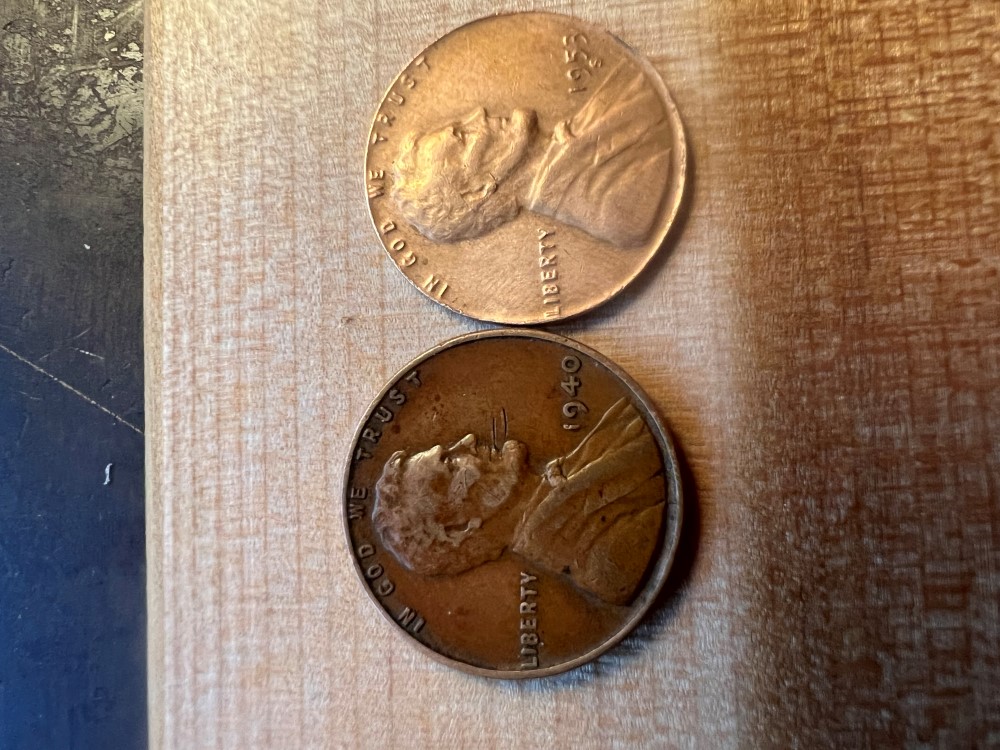 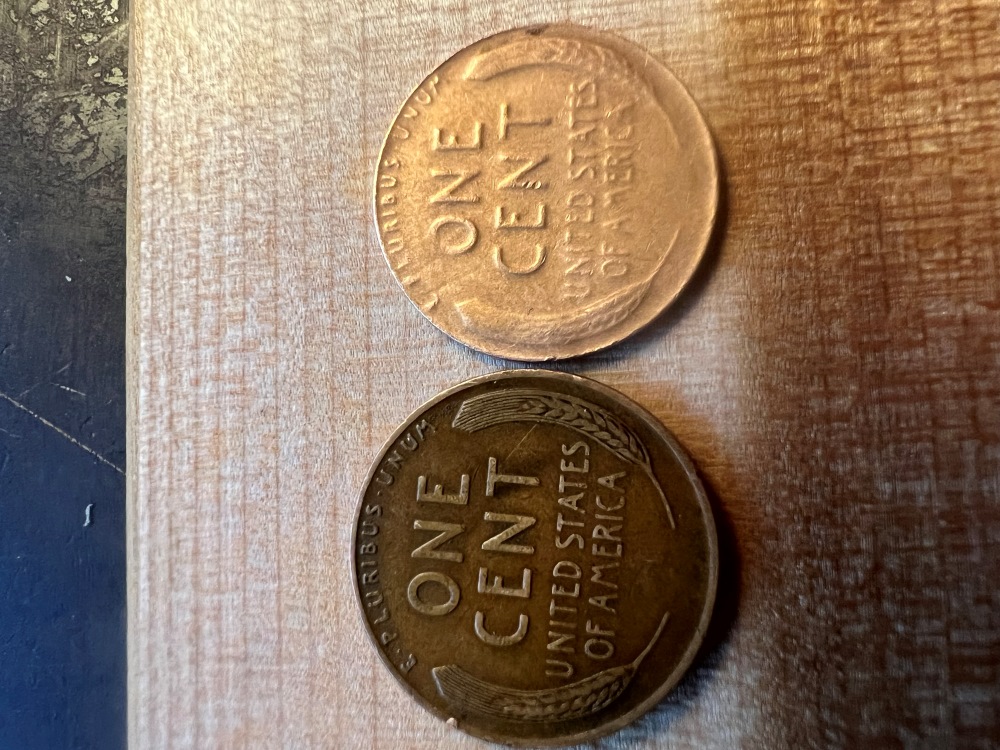 |
|
Pillar of the Community
 United States
2386 Posts |
to CCF Looking fwd to some more "loot" that you find!  smat |
|
Moderator
United States
107152 Posts |
The only other option I can think of that this cent (being from 1953) and a soda pop cost much less, Was this cent worked to a point to that is is the size of a dime to put into a pop machine?
|
|
Moderator
United States
195751 Posts |
to the Community! |
|
Page 2 of 2
|
Replies: 24 / Views: 2,777 |
Page 2 of 2
|







 First Page
 Posted 07/30/2023 4:52 pm