Spread? What is it? Is it important to know about?Spread. A term I use loosely and didn't think much about it. But it is important to know
what it is. It is used on coin information to denote that
spread that happens during the hub process on making the dies to strike coins. The
spread sometimes is strong, and sometimes barely existent.
What are the extremes?We are all familiar with the biggest doubled die, the 1955 DDO-001. We often see the devices, but don't think much about the
spread. You know the one I'm talking about:
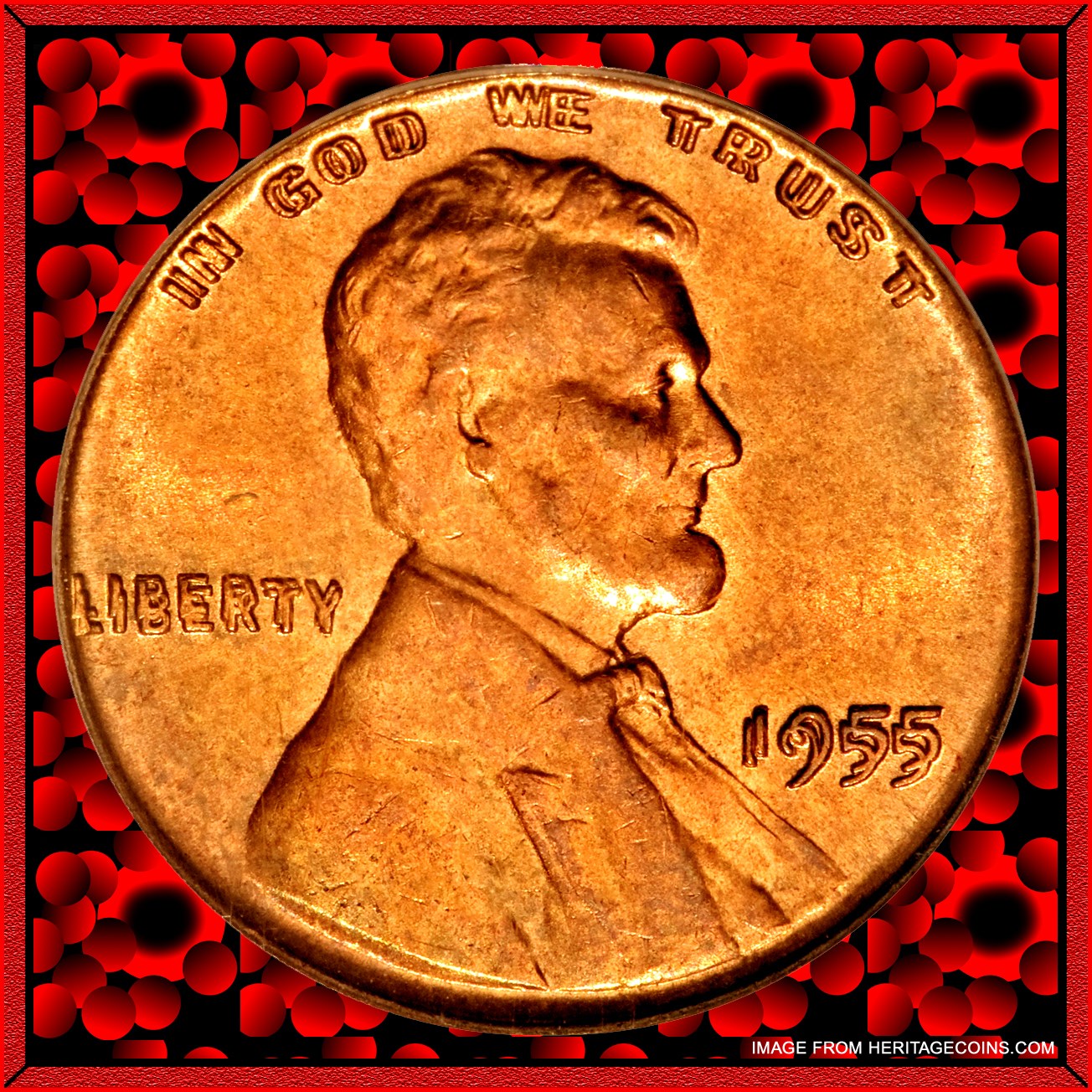
When we see that, the collectors that don't have one, can just look longingly at it. (I'm included also) But looking closer at this doubled die, we can see what
spread is:
 Note how far and how much space there is between the devices?
 That is called
spread. The distance that the hubs locations were not in correct, exact alignment . If they had been in the right alignment, then this die that was created would of had been just another normal die.
Another view:
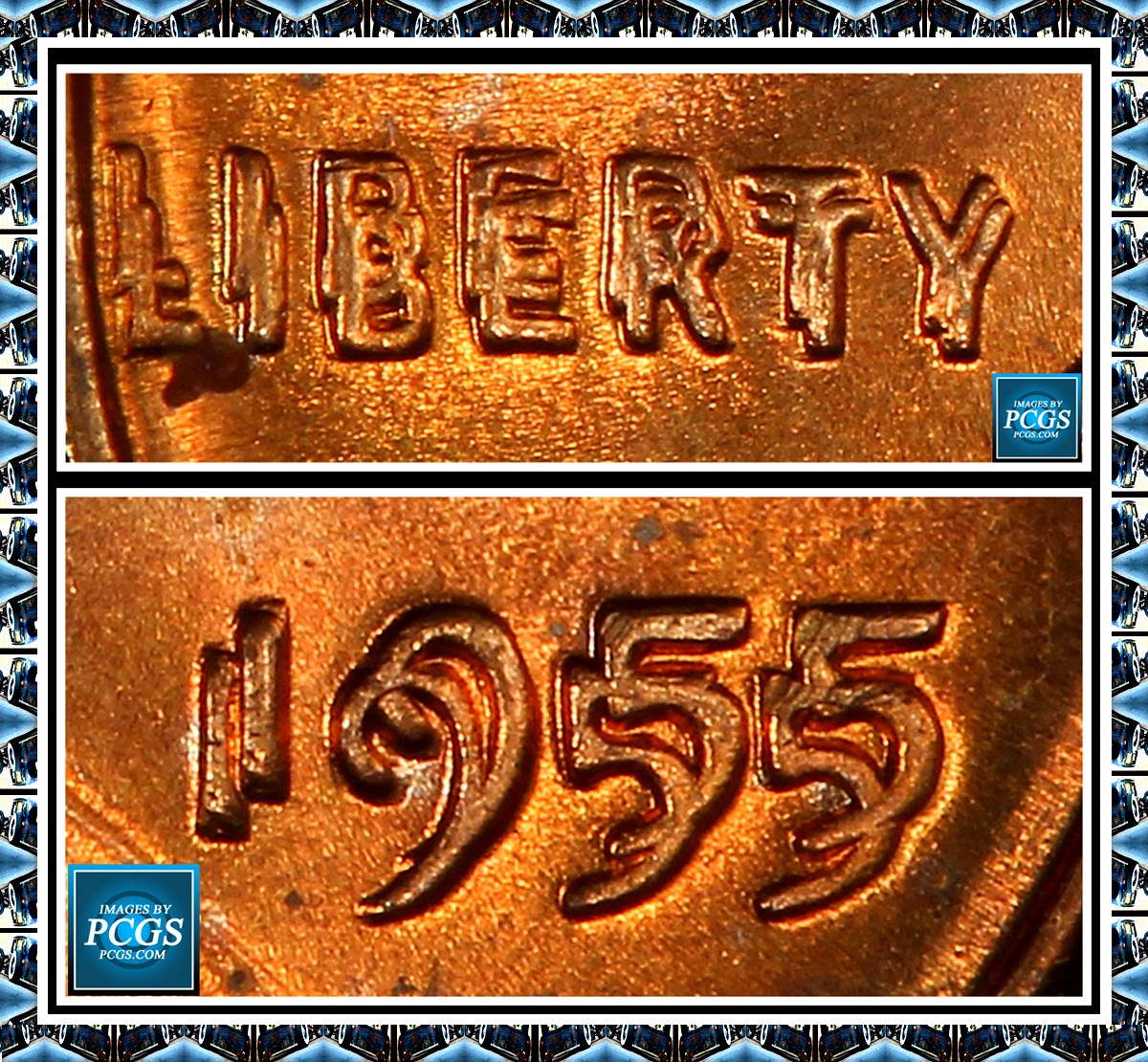
Looking at this image and thinking how much
spread was between the hubs used in this dies make up created perhaps the largest
spread of doubled dies. This one was not the first doubled die that was made, but the one that started the collecting of varieties called doubled dies. Variety collectors started looking even harder at our change because of the new interest of doubled dies.
Even up close this die is even more interesting:
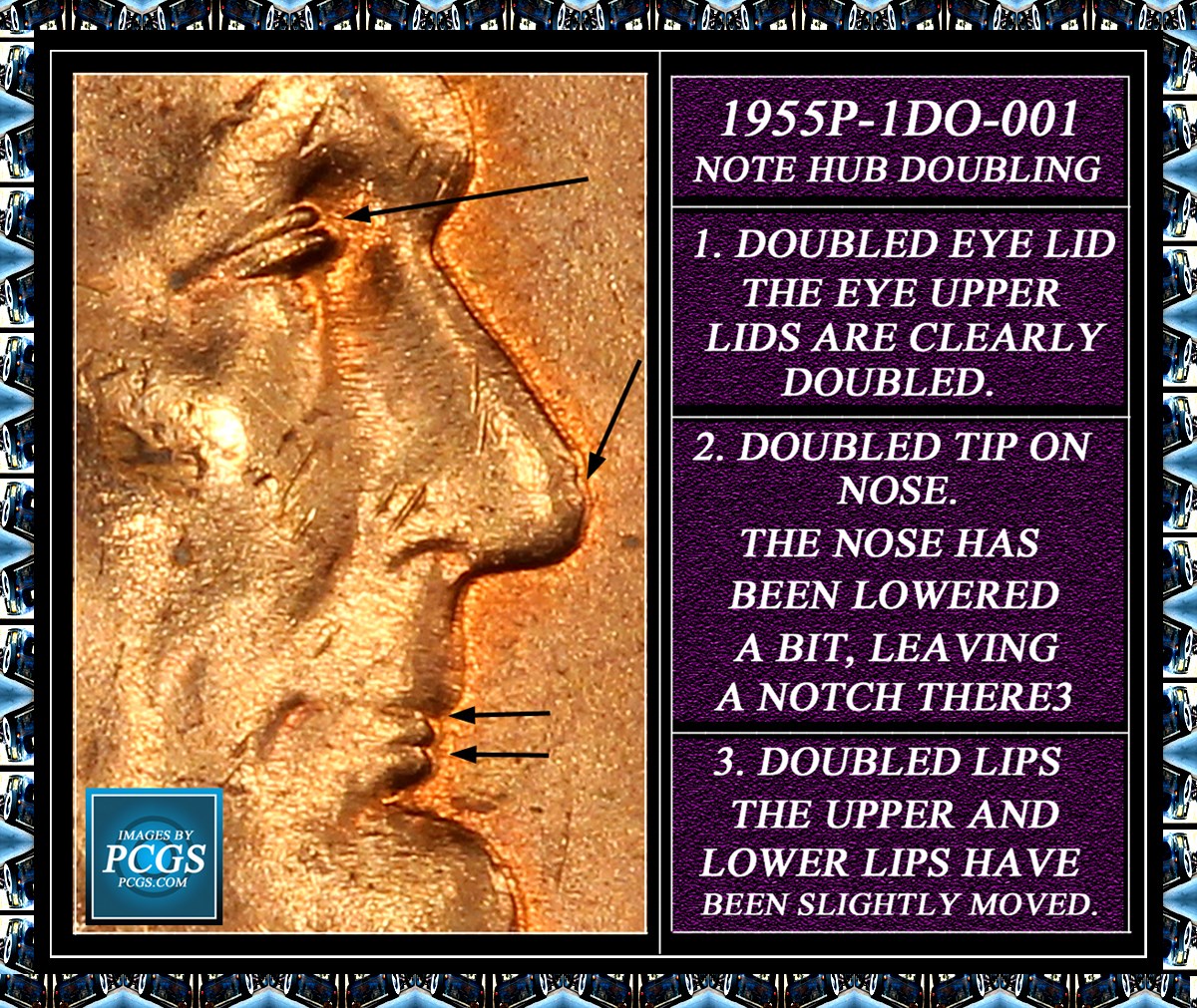 Did you realize that this die was not the first doubled eyelid?
 We were so amazed at everything else, we didn't even noticed the (1) doubled eyelid before. Also there is a (2) doubled nose
spreadd which I think is not known on other doubled dies this strong. Also there are (3) doubled lips. I think this is probably the only
cent I know of that shows doubling this profile of the face doubled on this many features of the bust. So probably most collectors have never thought of these doubled devices before because of all the attention of the
spread of the devices.
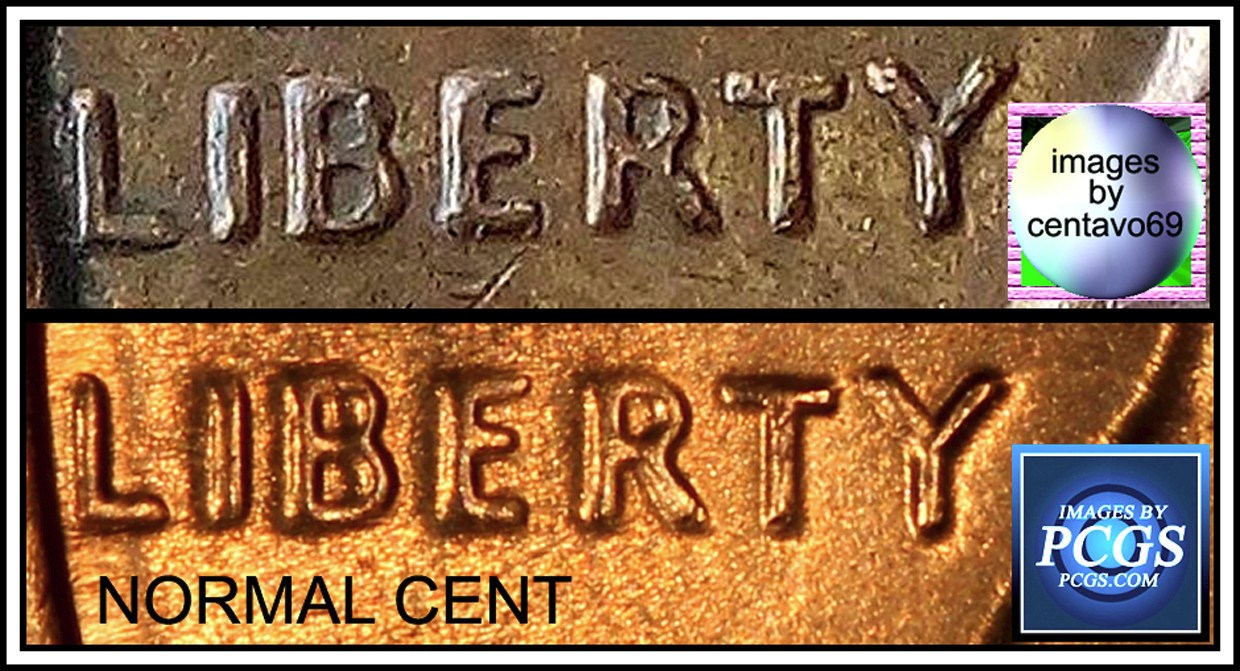
Beauty is in the eye of the beholder.So if we had a normal die for this year and it had a 'D' mint mark on it, then we would be seeing the devices like this:
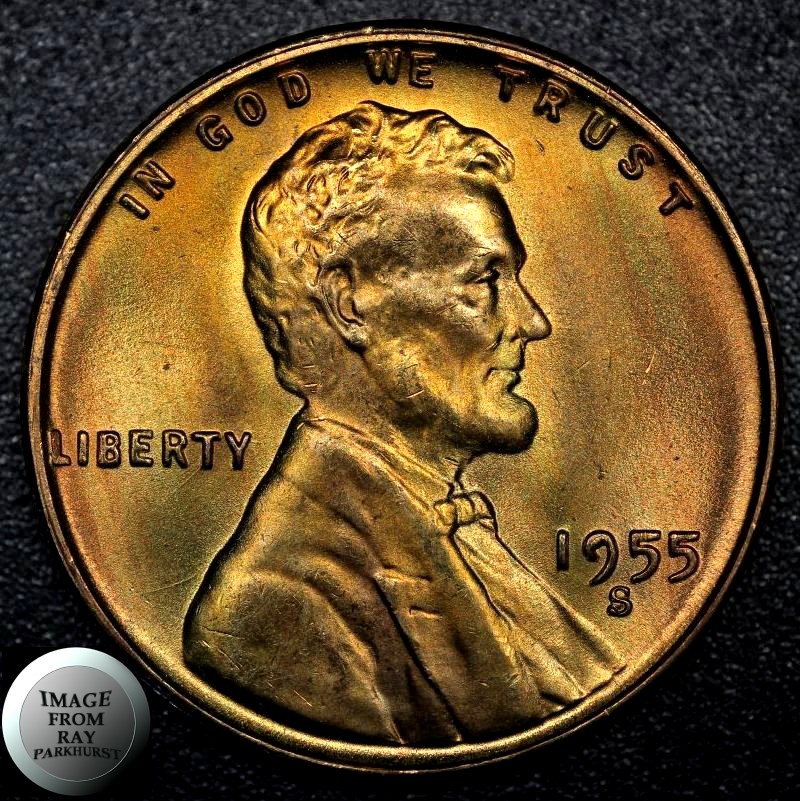
Then comparing it to the DDO-001 for the same year:
I put these side by side so you can appreciate the
spread compared with a normal coin. Having the images close by allows the eye to compare without loosing perspective of the previous object.
But when we say spread how much is involved? Well I created an image doubled die of my own to show how much spread can happen and what degrees of alignment causes this.

So even a 1 degree rotated
spreadd is larger than the big second doubled die for 1969-S DDO-001
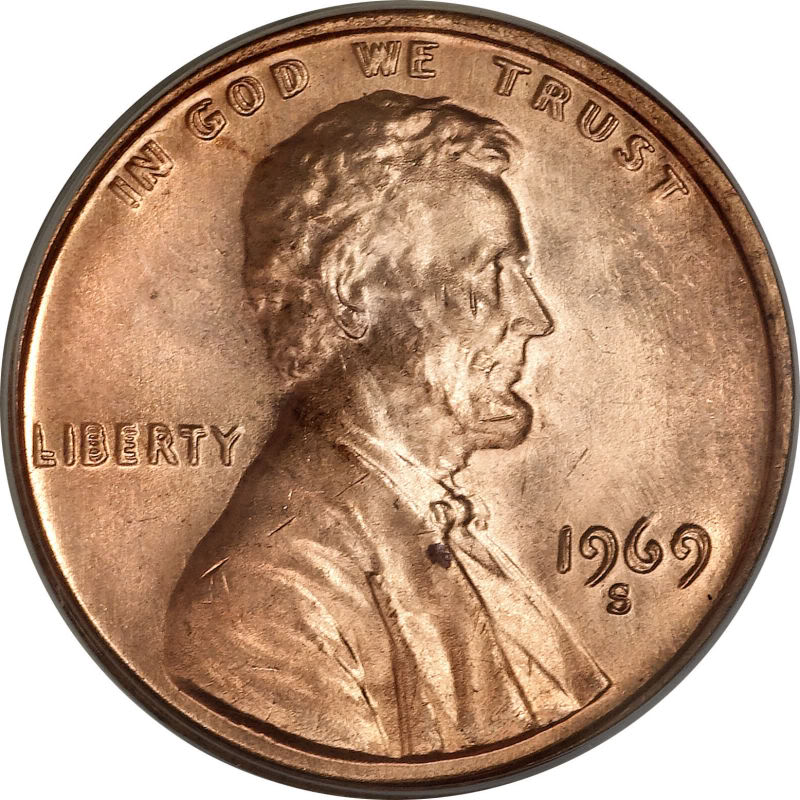
(Image by Robec @ Cointalk)
So now you are starting to understand
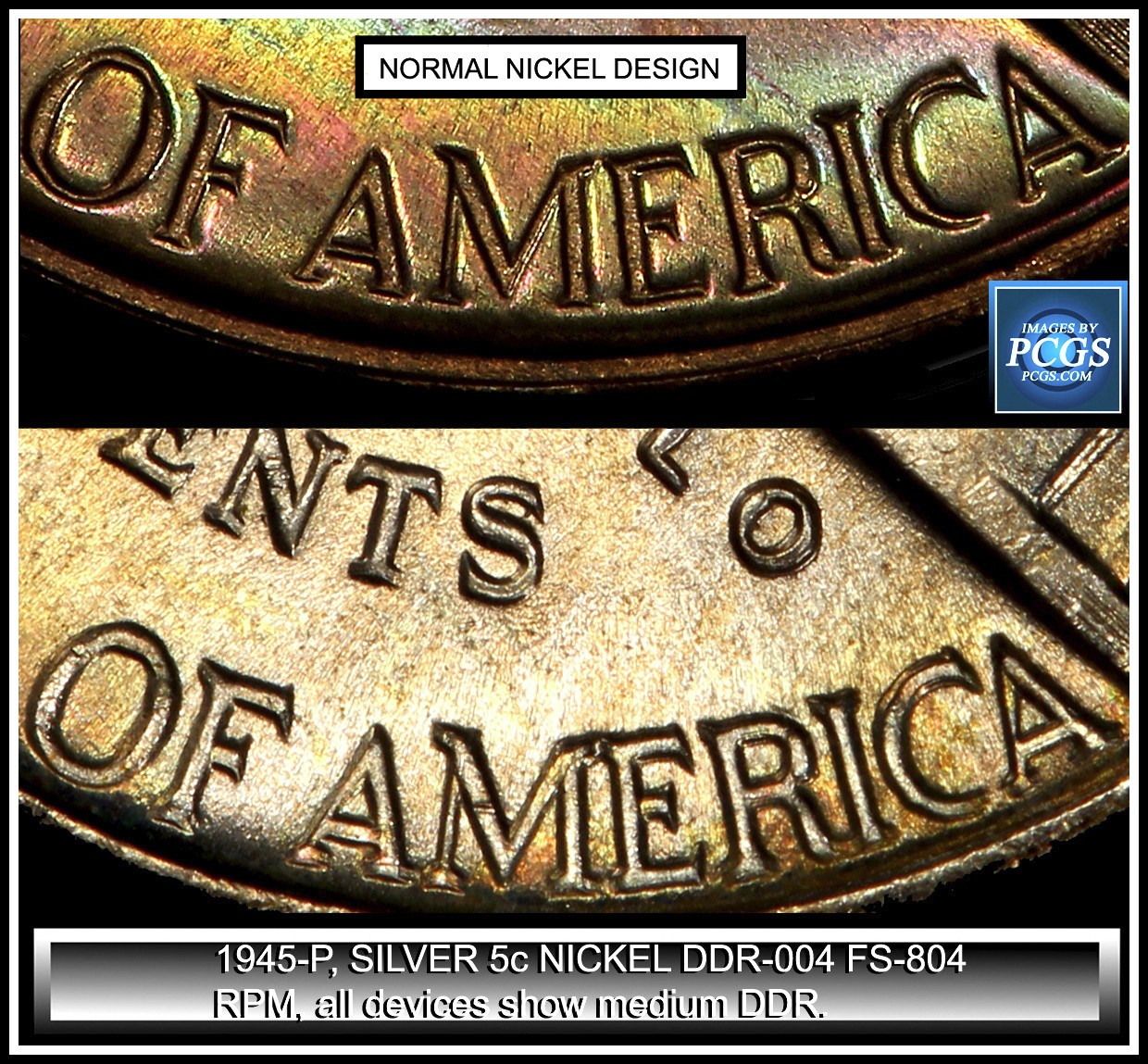
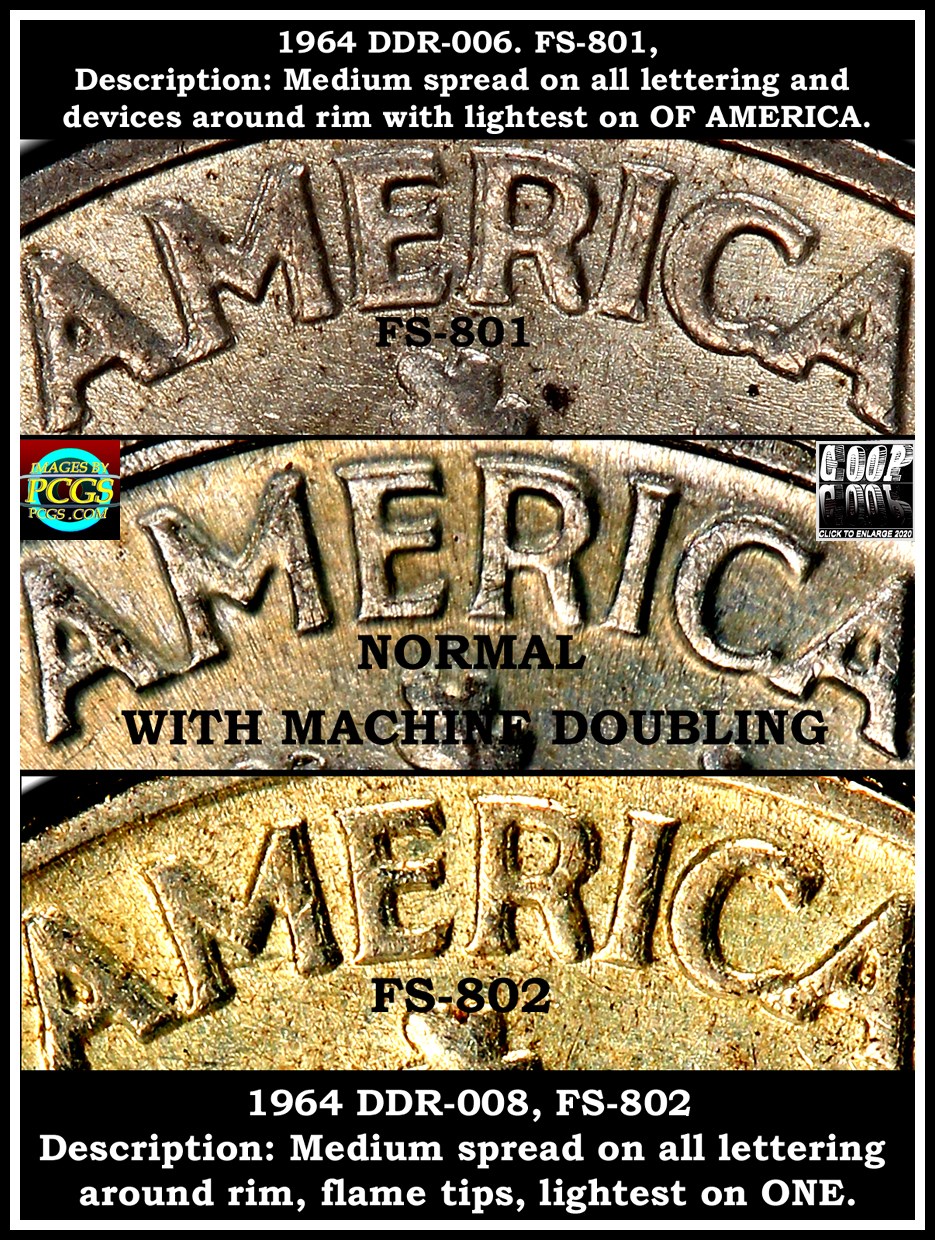
spread. Is it called something else, on the Reverses or even on RPMs?
No. Just hub spread on the creation of the die. The best example on the reverse, for hub spread is the 1983P-1DR-001
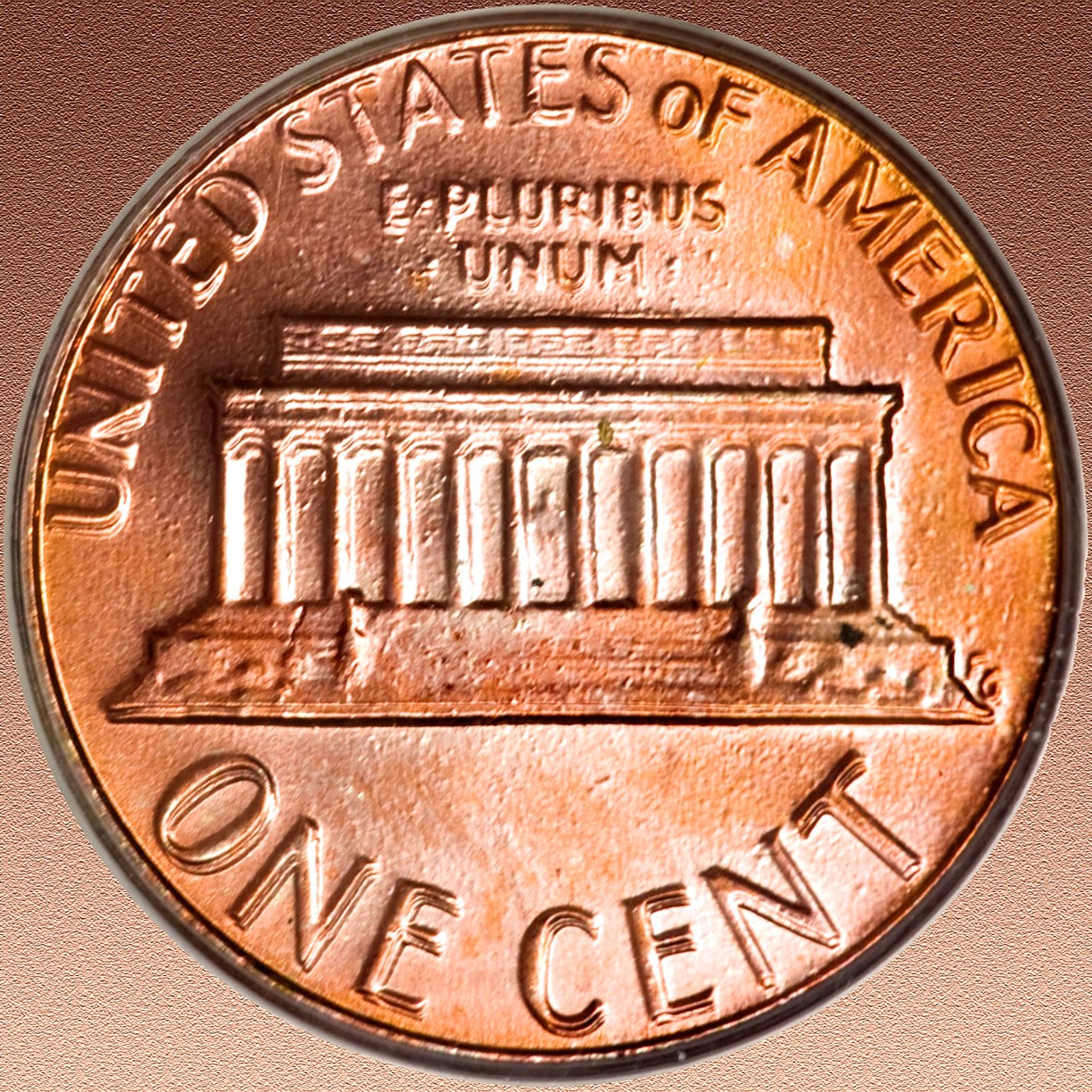
Even at a distance, we can see the spread on this one. So lets look a bit closer:
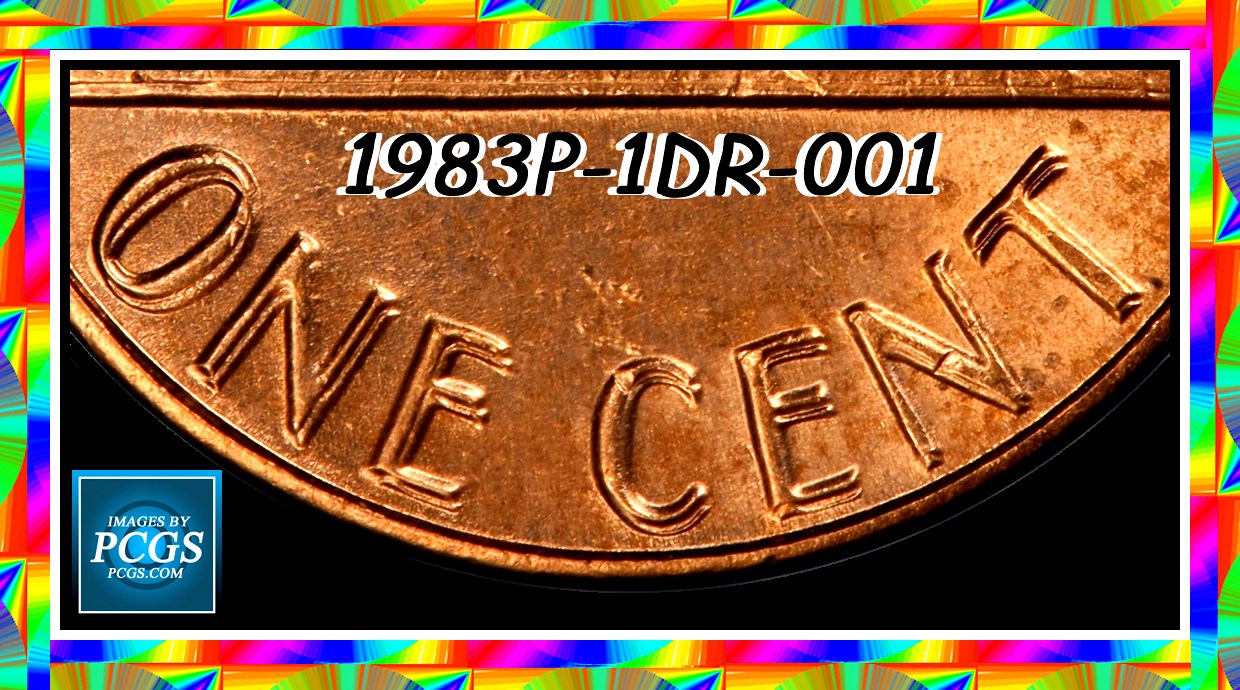
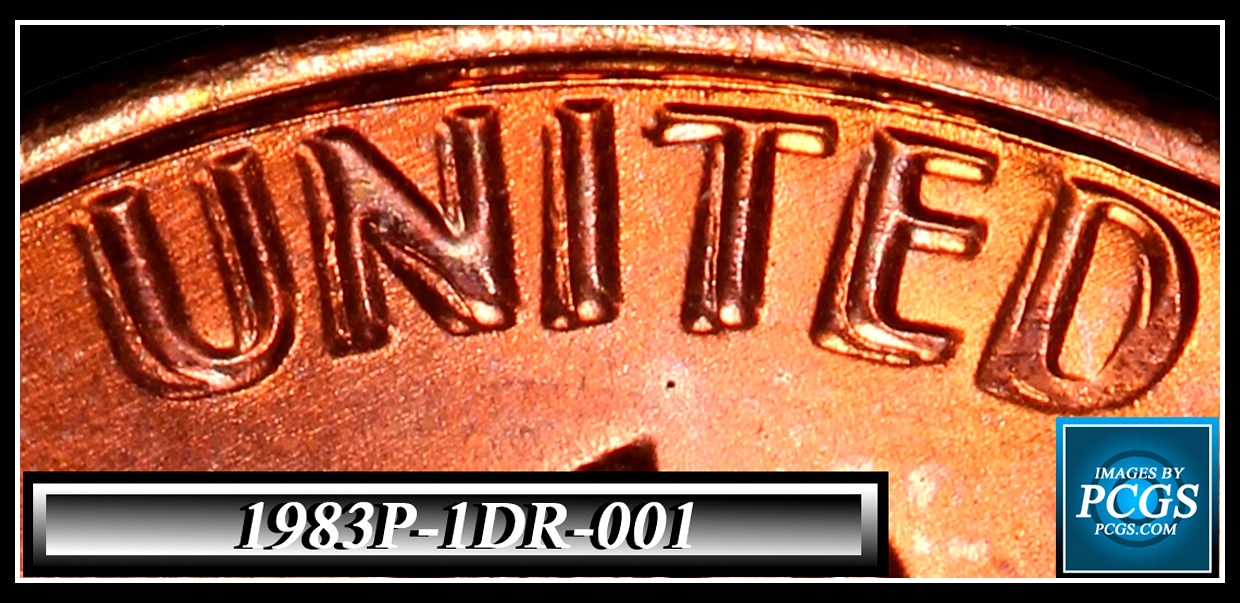
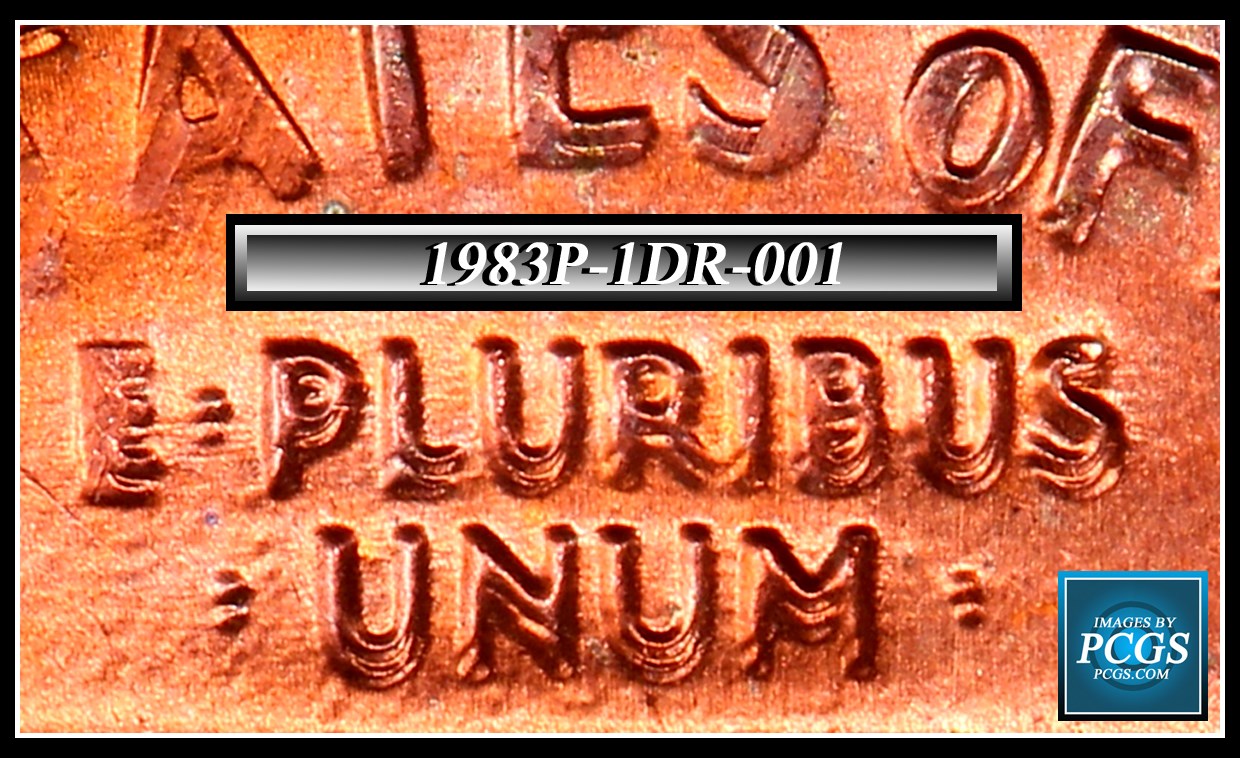
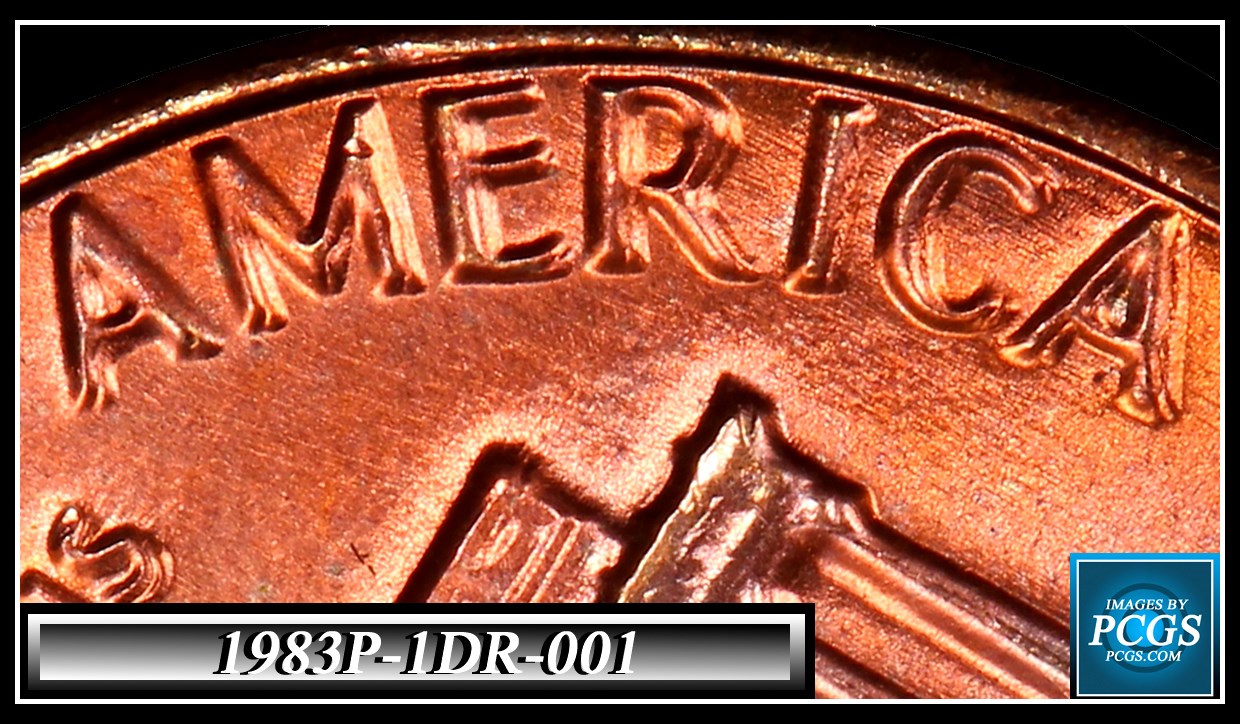
Note the
spread again on these devices and the last ones:
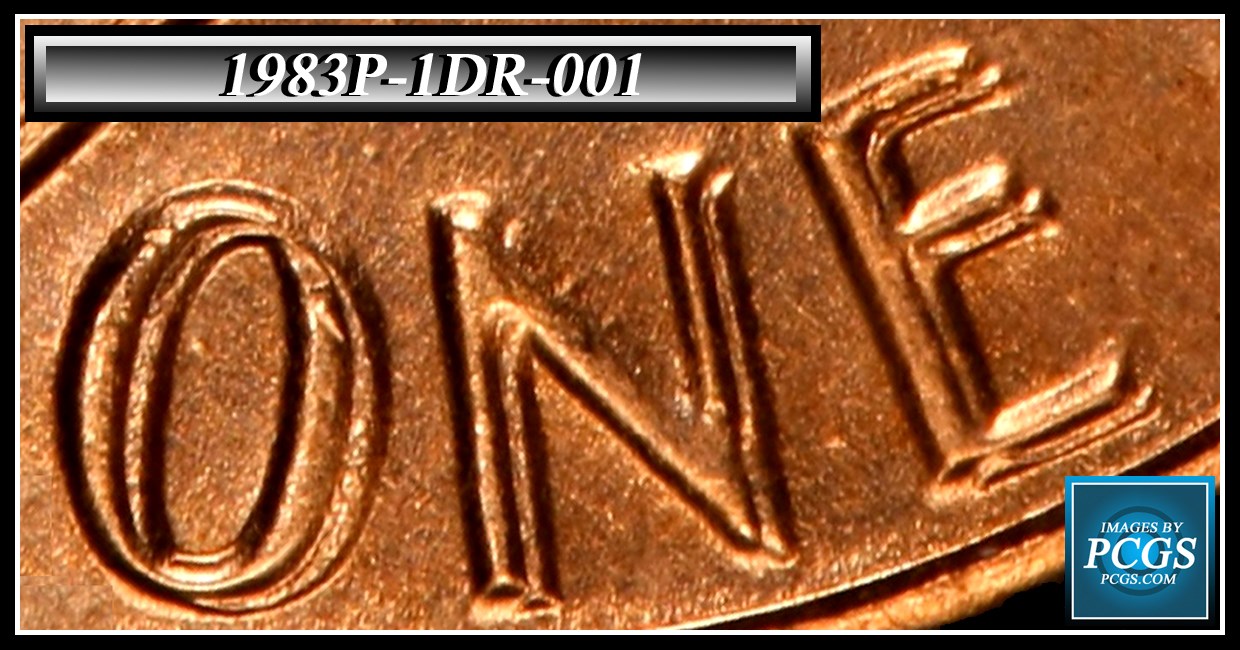
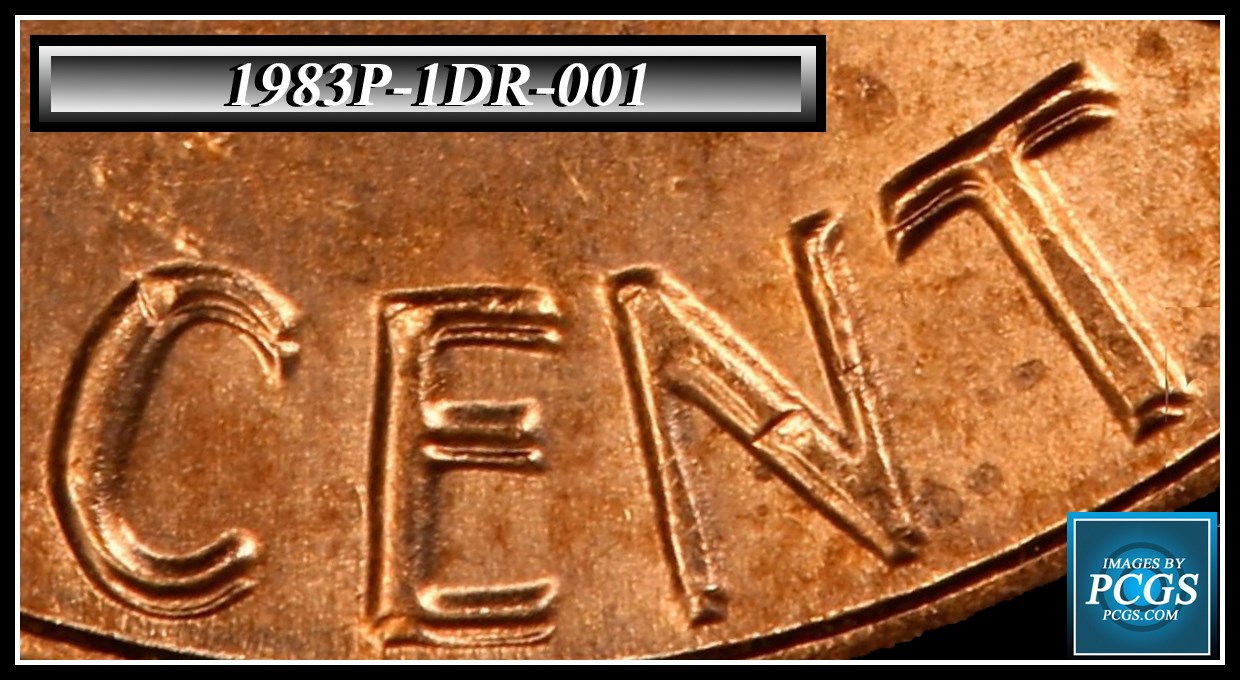
[red[On the last set of images do you notice something different? The devices on Cent is
spread less than the other devices on the other areas of the cent. This misalignment is more off centered in a different area. This die is a class 4 doubled die:

Misaligned in a different location than center will affect the amount of
spread on other devices. So some devices will show more/less
spread than the rest of the coin. But does these differences make a big difference. Yes. How? If the
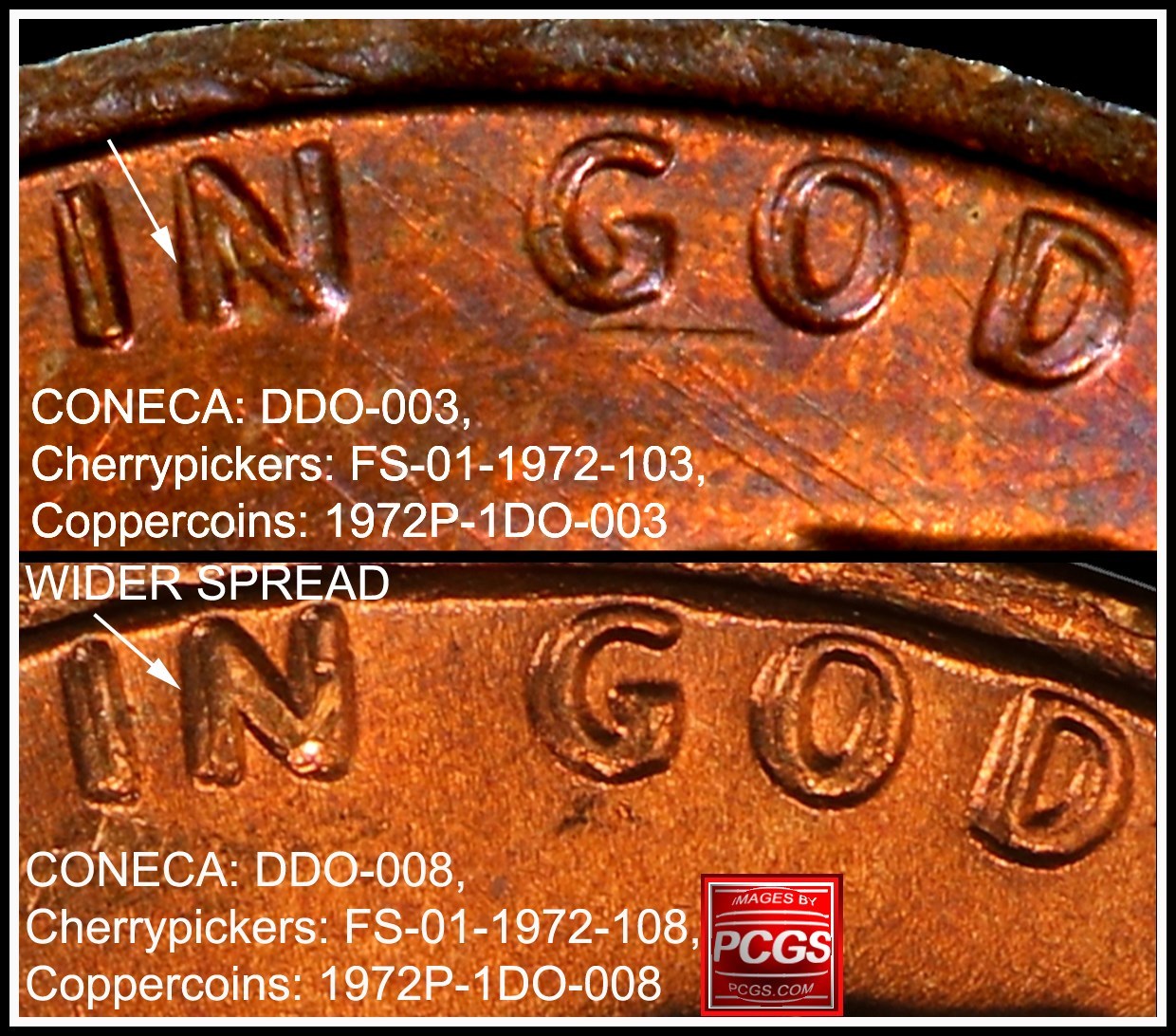
spread on one device is different even slightly, than that on a different die coins, is likely a different set of finger prints on a crime scene. The coins struck will show this
spread as different, because the hub process was slightly different on a different doubled die. Just like fingerprints, they ID or exclude the differences from one die to another.
OK, lets see this in action. We are going to check out another great
DDO that we have out there on a proof cent. But now that we are thinking about it
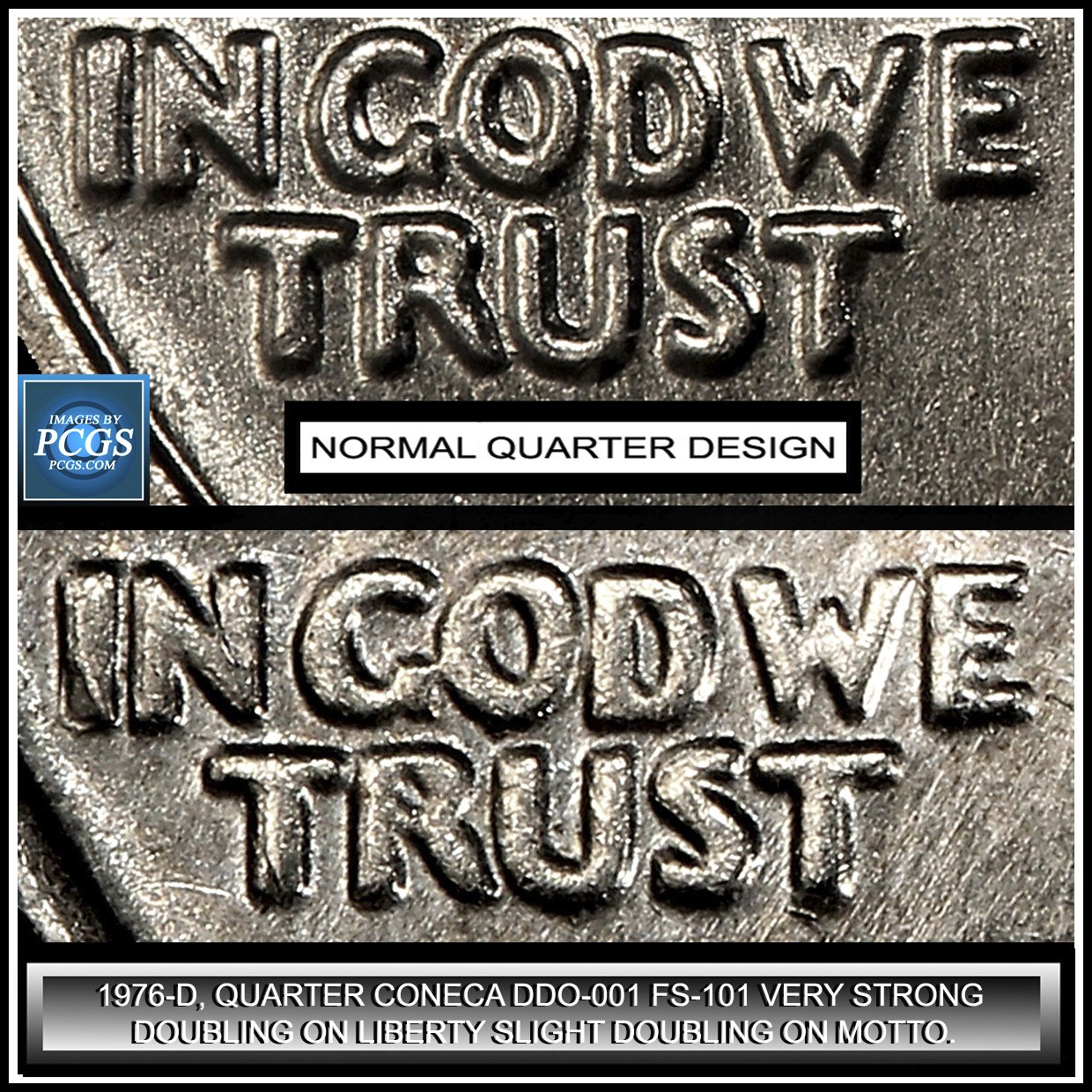
spread on devices. We are viewing it as a new event that happens to an old process. To appreciate how strong this die is, I have a side by side of a normal coin and the 1971-S DDO-001 or FS-101:
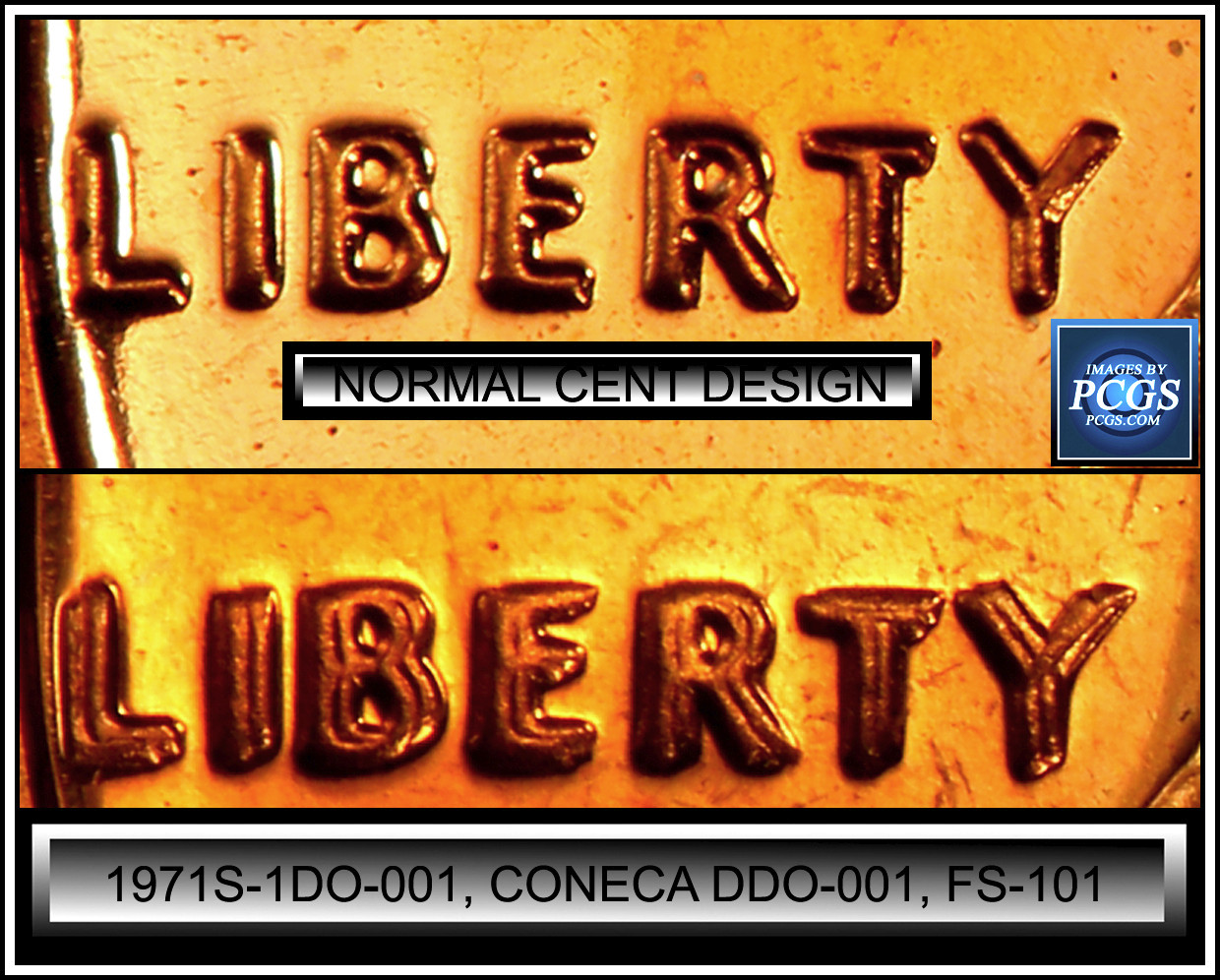
So what makes these two coins devices as being different? One coin was struck with a normal die, the other struck with a doubled die with a
spread.
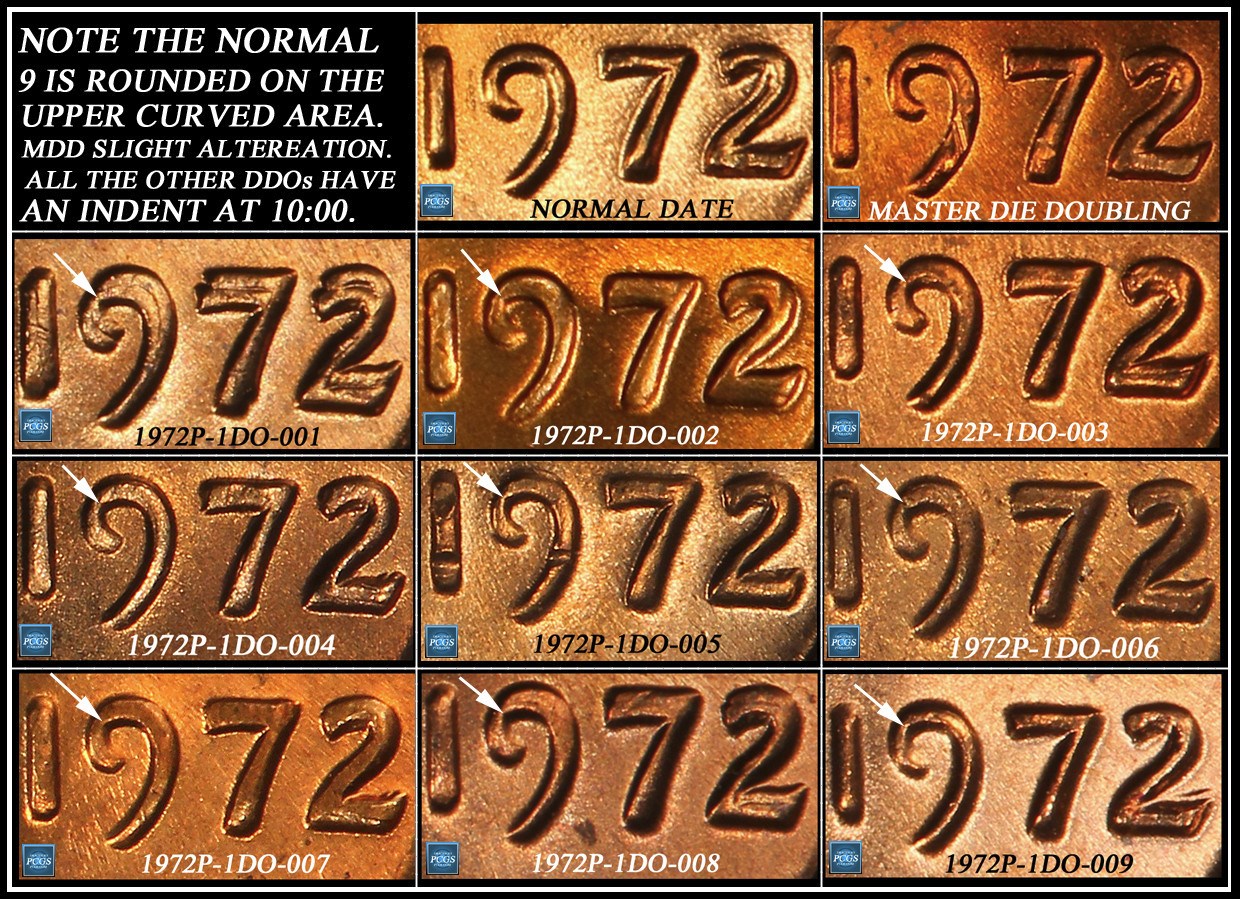
So where am I going with this? When I put two examples together we see how they look alike or different, do we see the difference? On this example were have examples from two different dies.
But why are they considered as different doubled dies? 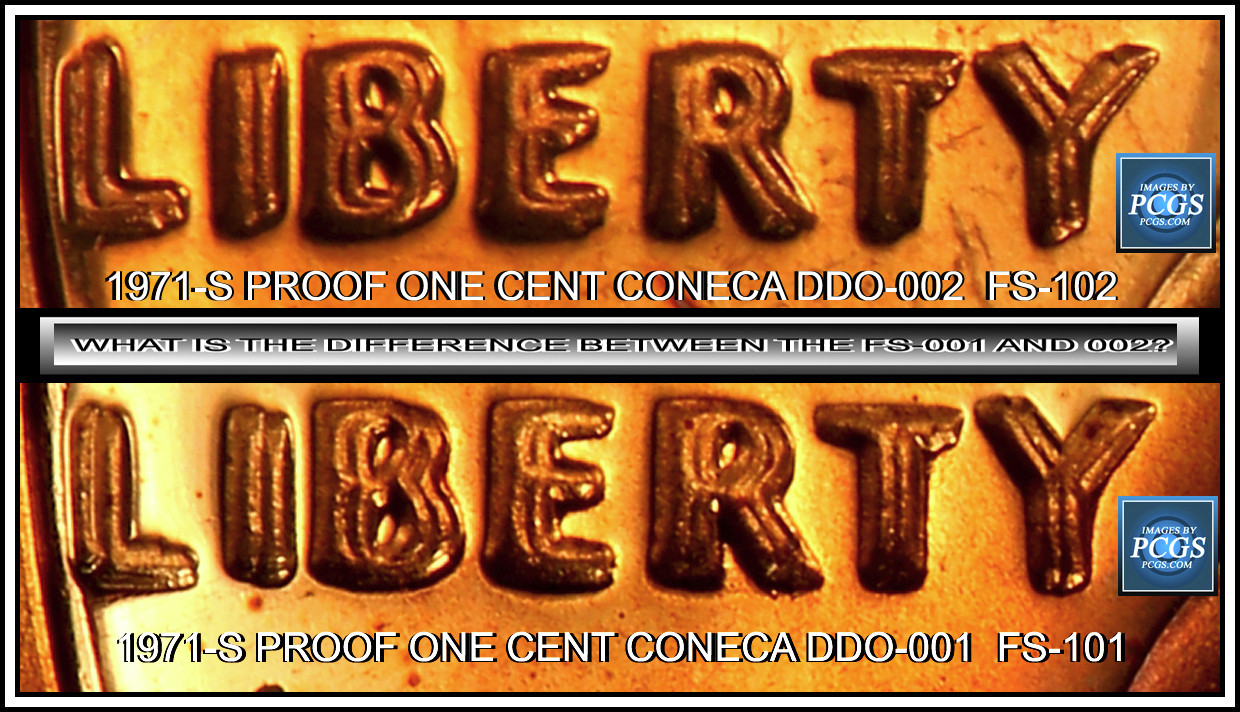
These both look the same at first glance.
So why is one marked 101, and the other one 102? There is a difference of
spread that makes different. So these two, are from two different hubs on proof dies.
How can tell? Looking at the
spread. Remember the
spread on the class 4 doubled dies is offset. Looking up this information on 'Variety Vista' we will see what is different on the descriptions:
1971-S DDO-001 : PR-1-O-II-C FS-101 (032)
This is telling us that this is a class 2 doubled die. 'C' clock wise
spread.
(Link to this site)
http://varietyvista.com/01b%20LC%20...1SDDO001.htm1971-S DDO-002, PR-2-O-II-E+V-CW from K-6: This is telling us that the is a class 2 doubled die, second one for that year. Not sure that the 'E+V' means in this formula, but the K6 is telling me the center is located towards 6:00 direction. (Not mentioned on the 101) So the differences are there. But how are the other devices are affected will show us the differences. Lets see:
http://varietyvista.com/01b%20LC%20...1SDDO002.htmDate area: 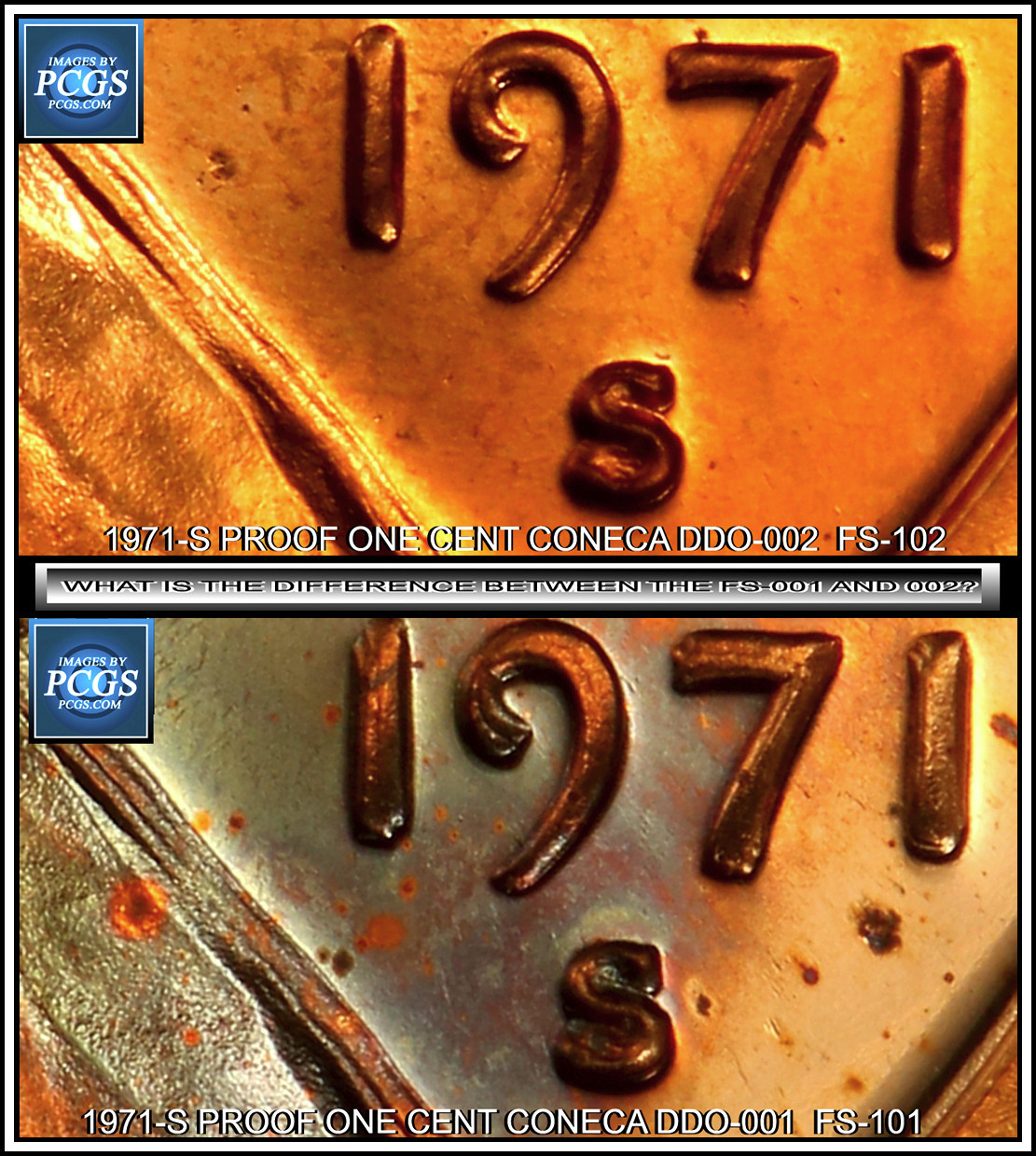
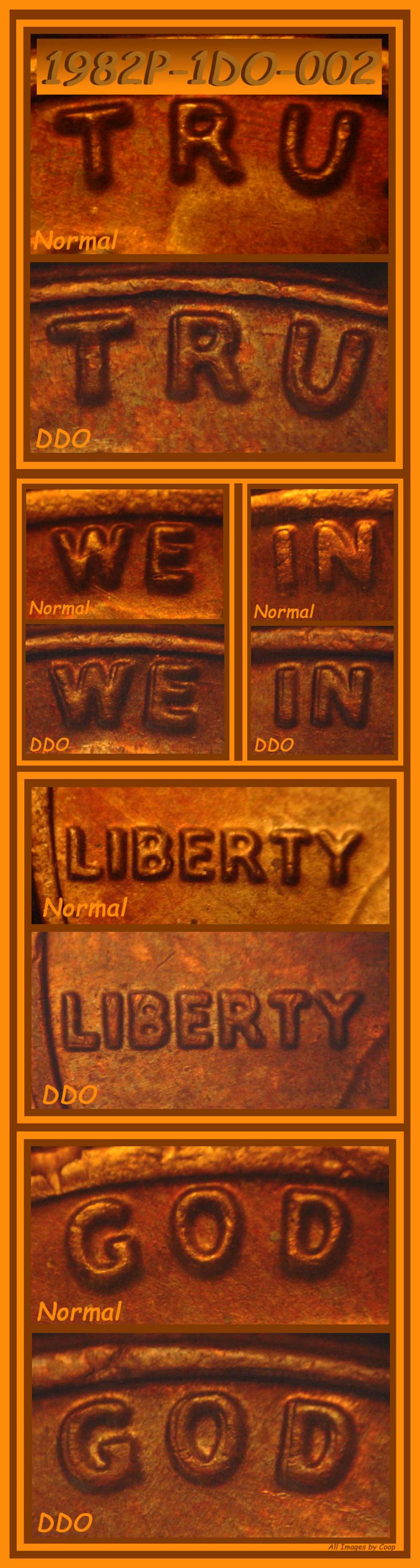
Note the spread on the FS-102 is stronger on this area of the coin. Weaker on the FS-101
Motto: 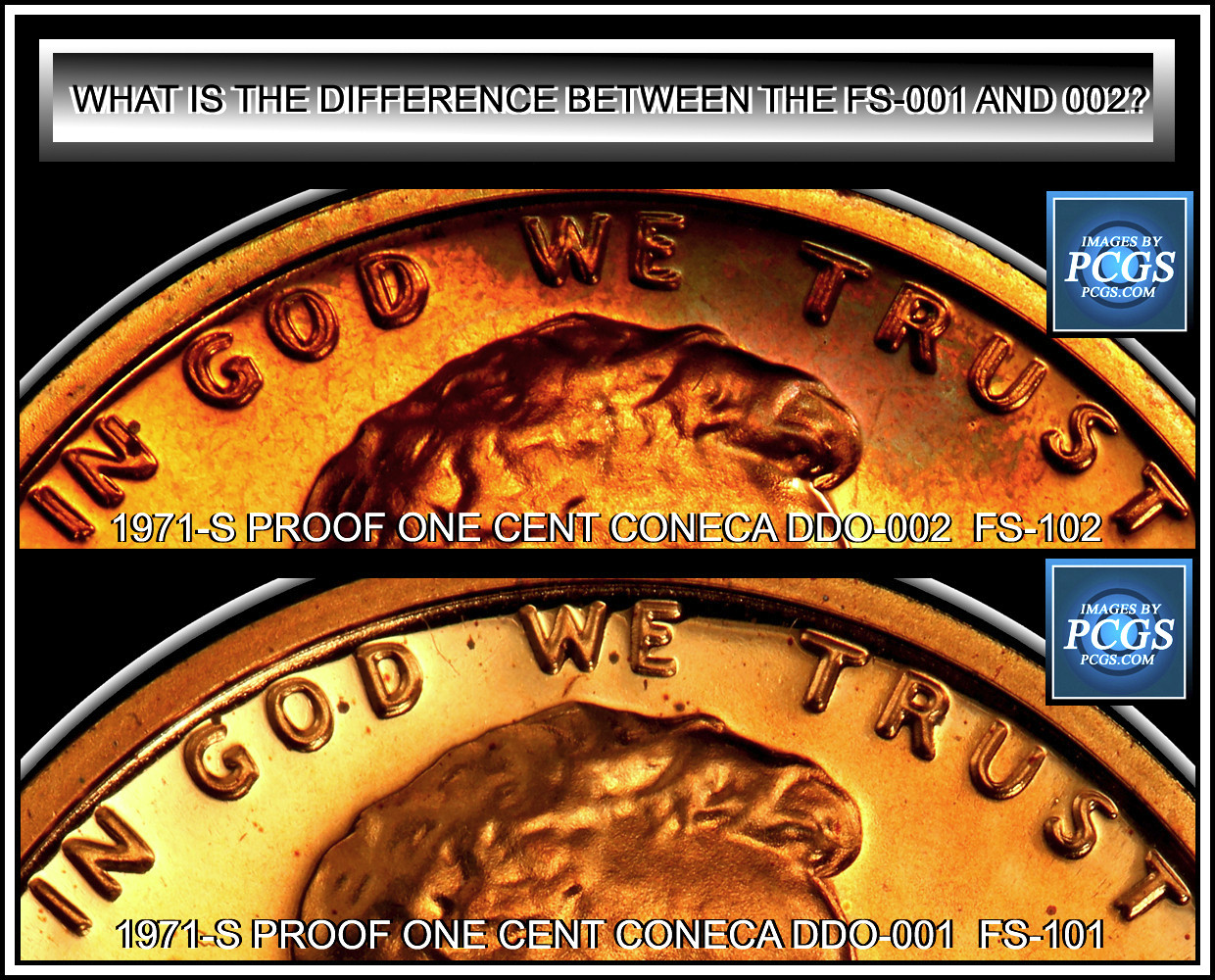
Note the top image is the FS-102, that shows stronger
spread. So with the centered located toward the 6:00 area, the devices show more
spread on the devices towards that direction.
So what tells us that they are different?[/red] Spread.
I was going to include the information on RPM spread also on this thread, but thinking now, I'm going to make a different thread for RPMs. So look forward to seeing that soon. So till the next one. Think of spread, how it affects the doubled dies differing them from one another. Without the same spread you don't have the same die. So [u]spread is the word today.
CoopHome spread










 Posted 04/03/2018 3:14 pm
















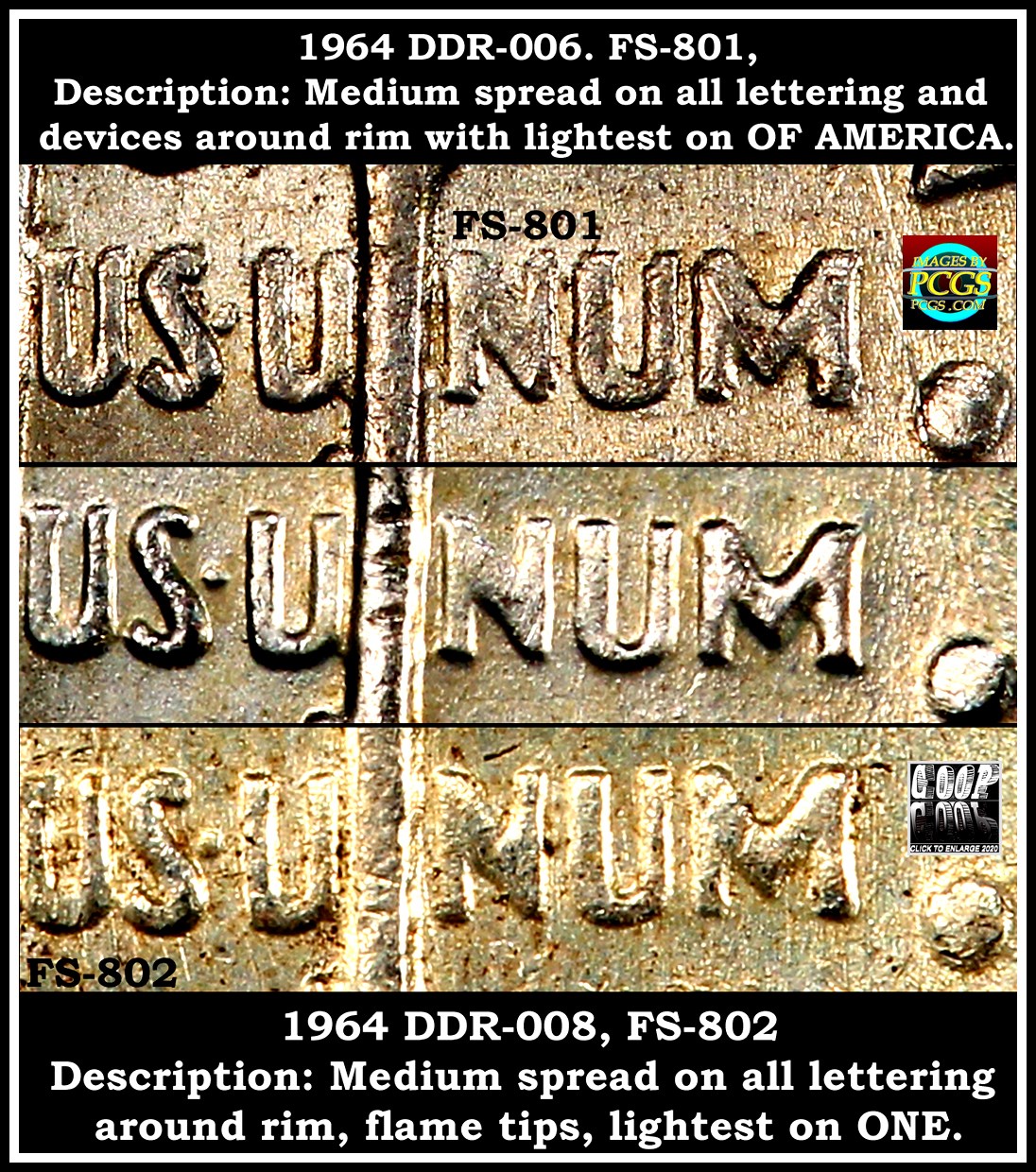
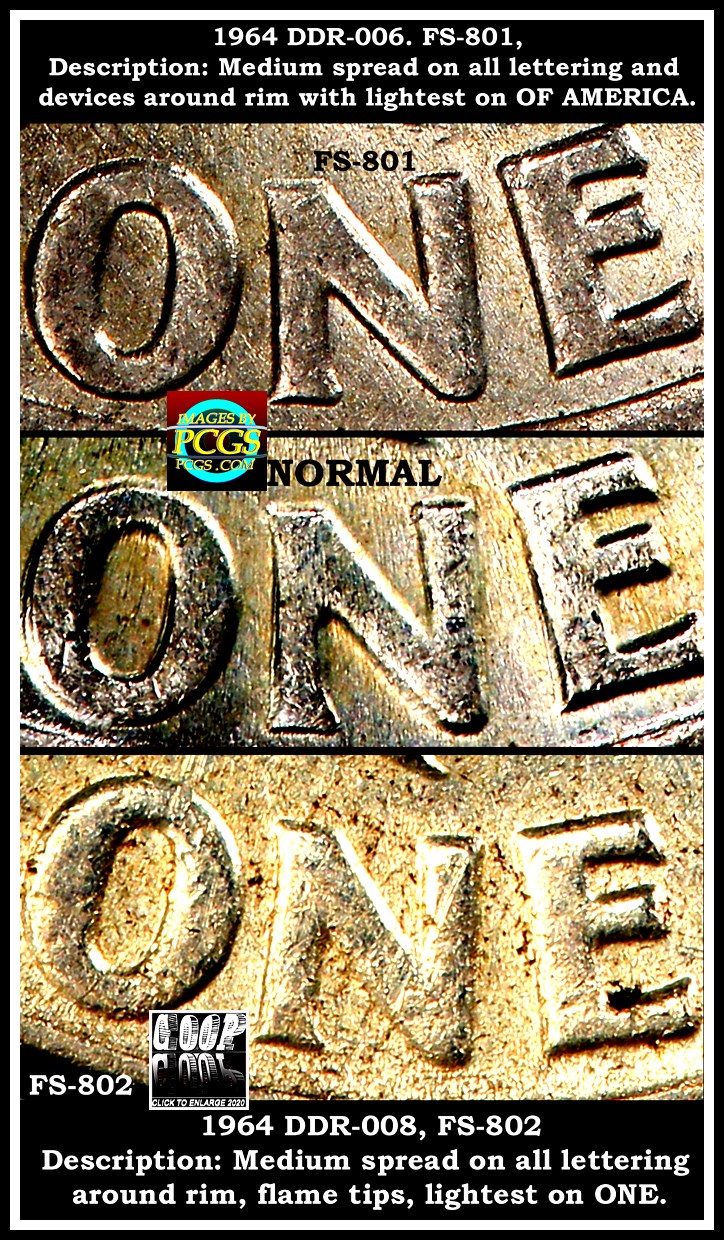
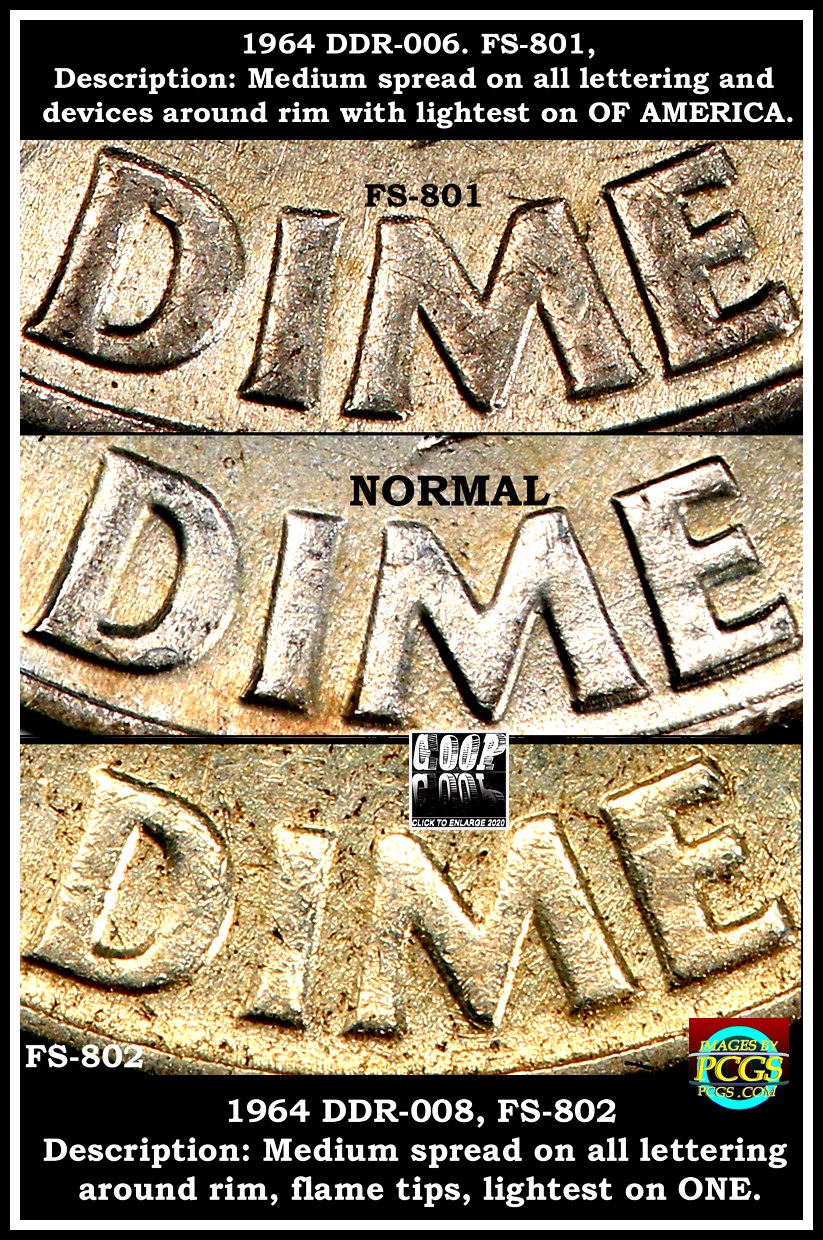
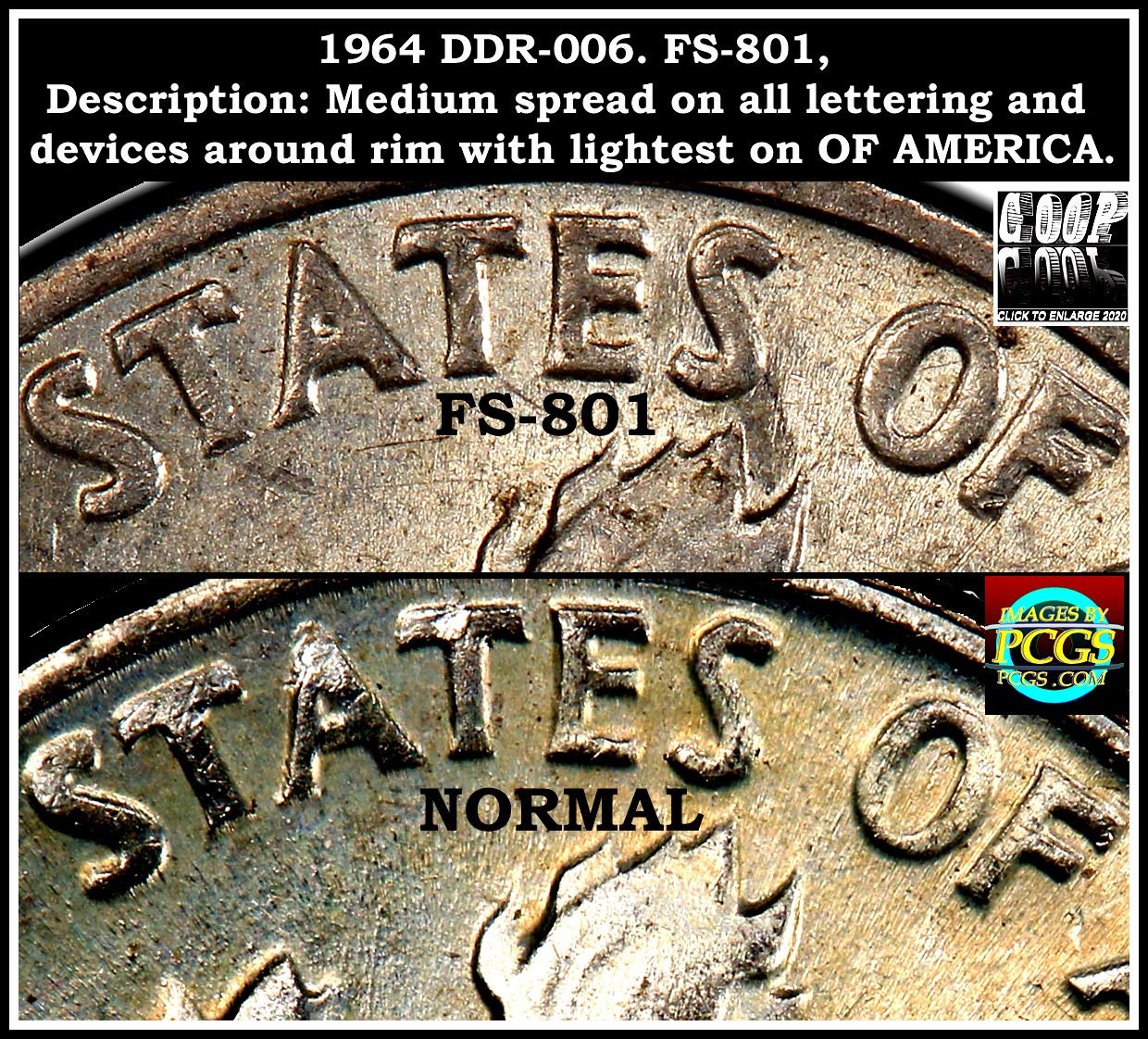


_SBS_nor_AAA.jpg)


 !
!


