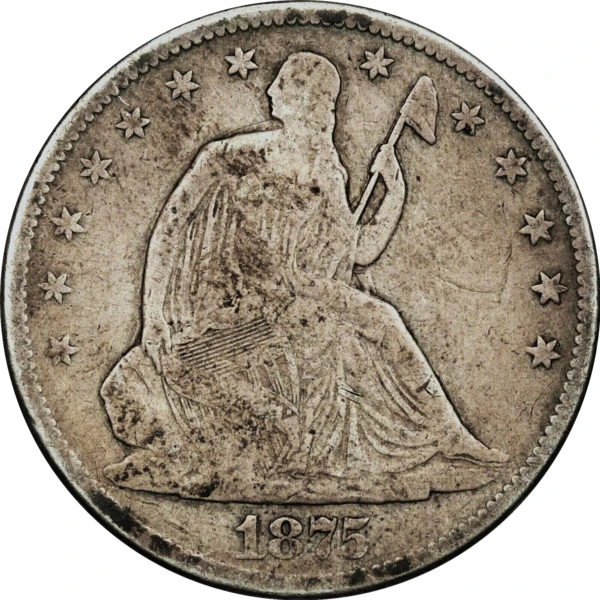
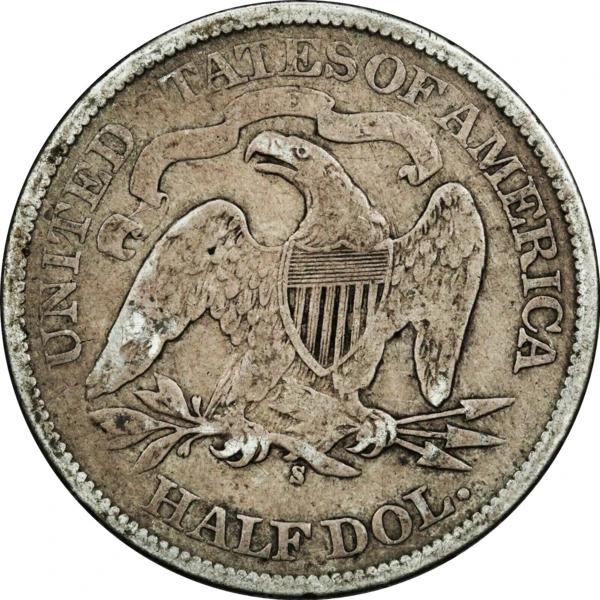
I didn't weigh in on this coin initially because I couldn't get a good feel for the surface conditions. Looking at the photos after the Vaseline treatment, I agree that the technical grade is VG-08.
Whether a
TPG would detail the coin is another issue. The original condition wasn't too good, and the coin might have detailed for environmental damage. The post-Vaseline situation might depend on the
TPG. I certainly don't speak for PCGS, but I
think PCGS might detail this coin under either a 94 code (altered surfaces) or 98 code (damage).
Here's how they describe the 94 code. I bolded the key language.
Quote:
Adding anything to the surface of the coin to either "improve" its appearance or to cover marks. Surface alteration methods include adding dental wax, putty, lacquer, nose grease, etc. "Thumbing" is the application of a putty-like material to fill in marks, scratches, and other defects or to haze over portions of the coin. Coatings (such as lacquer), while intended to protect coins, result in a No Grade because it is impossible to determine the quality of the underlying surfaces.
I think they might see the Vaseline treatment as "covering" the scratches, since it is added to the surface and improves the appearance.
Here's how they describe the 98 code. I bolded the key language.
Quote:Any form of metal movement, either intentional or accidental. Damage may include excessive or heavy rim dings and bruises, deliberate surface damage such as graffiti, attempts to remove spots, etc. The severity and extent of the damage affects whether it will get a "No Grade" decision. The following damage descriptions are some of the more common that may be indicated on your 98 graded insert.
1. Graffiti (significant distracting etchings- occasionally net graded on early coins) 2. Planchet streak removed (usually found on gold coins) 3. Spot(s) removed (leaving some form of damage that is evident) 4. Machine damage (either: counting machine or
Coin Wrapping Machine) 5. Rim damage (either: rim gouge or test cut) 6. Surface damage (either large gouge, drill or chop mark [except on
Trade dollars], hole, corrosion removed, smoothed or polished) 7. Mount removed (located on either the edge or surface of coin) 8. Repaired (including plugged holes) 9. Surface Plated (Any addition of metal, paint or other material to the surface that materially alters the appearance of the coin. This is sometimes seen on 1943 Steel Cents which have been replated with a fresh coat of zinc, or on American Silver Eagles which have been "colorized" as a collector's item.)
10. Smoothed (A coin whose surface has been disturbed in order to give it the appearance of a higher grade. This often involves the use of a rotating wire brush to remove scratches or marks and simulate luster. This treatment is commonly referred to as "whizzing.") For Chinese Ancients, this also includes cracks and pressed damage.
The right obverse field between Liberty's left arm and stars 10-11-12 has
something in the field. I can't tell whether that something is or was graffiti. I also can't tell whether it was worn in circulation or reduced by abrading. Whatever may have been done wasn't recent.












 Posted 04/08/2026 8:49 pm


 VG 10
VG 10


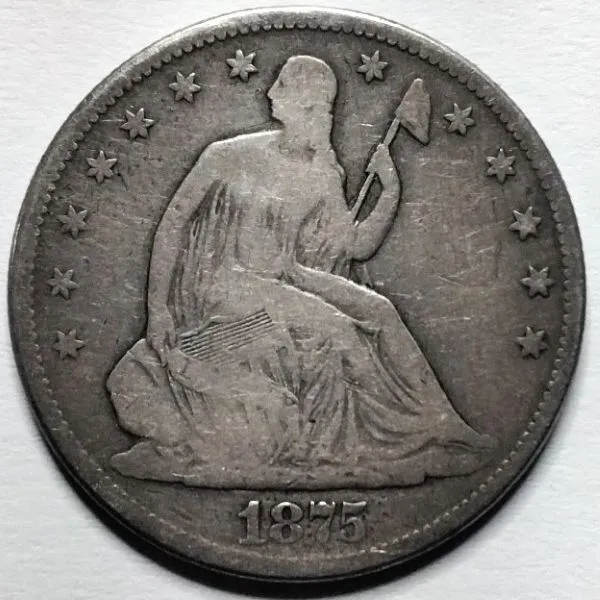
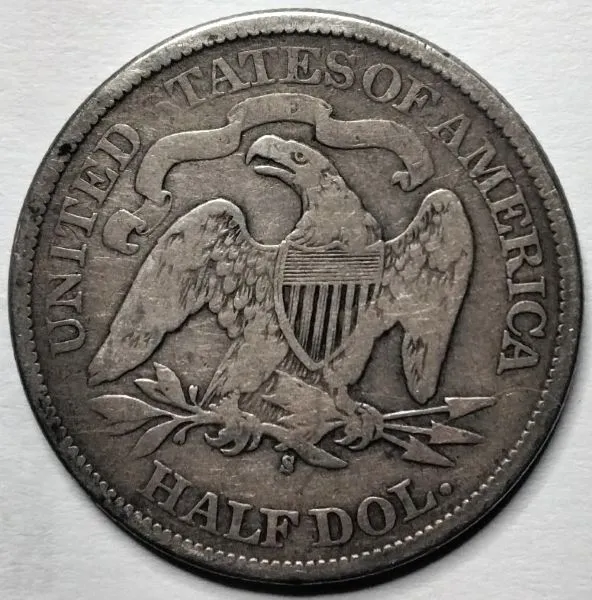

 I'd expect a residue would remain from Vaseline. A final soak in acetone would hopefully remove any residue but it would have been better to not use the Vaseline in the first place.


