MathieuMa Jumping in just a bit late again, but here is my take.
The last posted 1757 is a FAKE period no doubt what-so-ever. The edge is simply AWFUL. The color looks artificial and I see no real evidence of the coin actually circulating - it looks too new. Modern Chines (probably) and JUNK definitely.
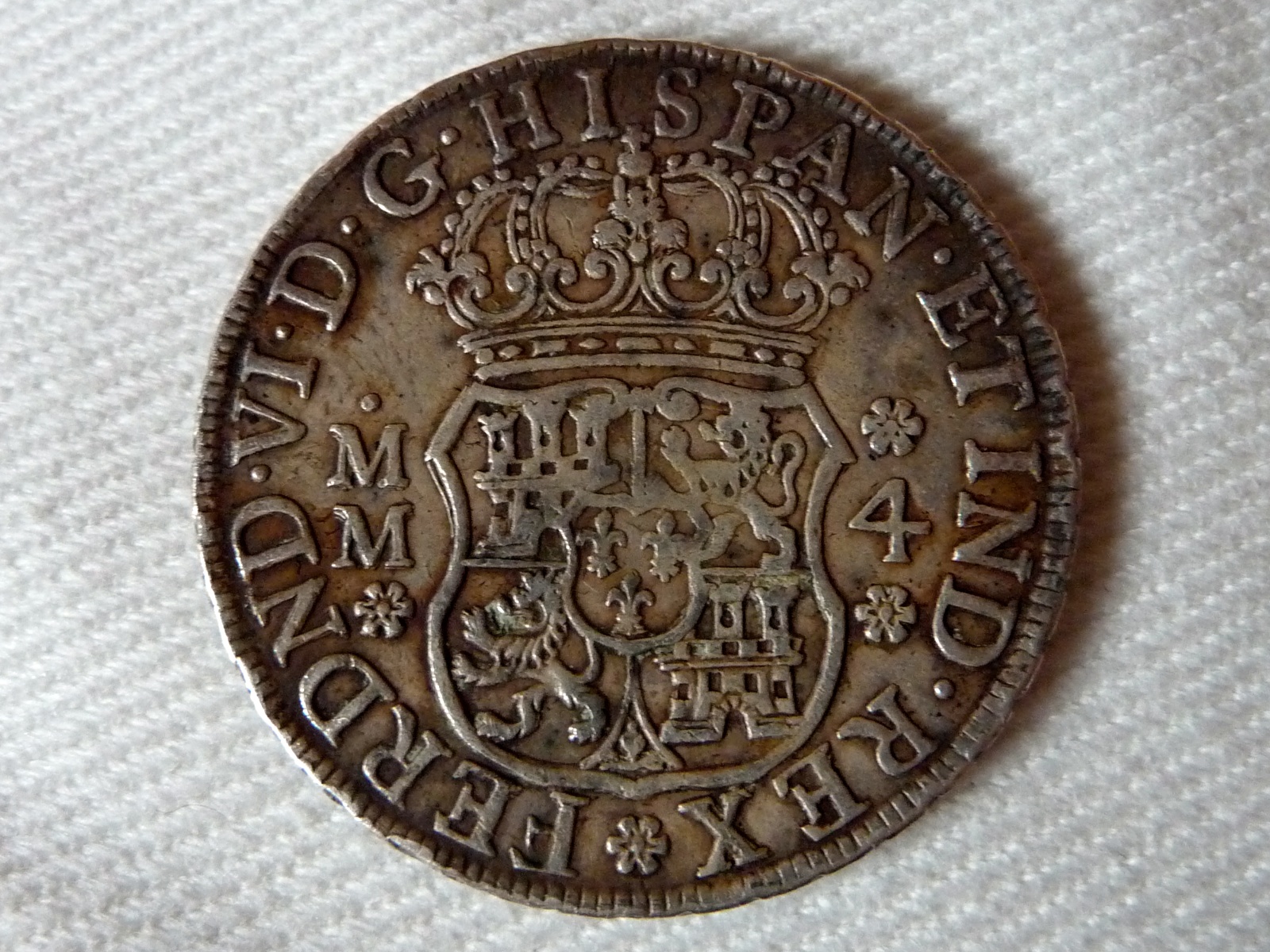
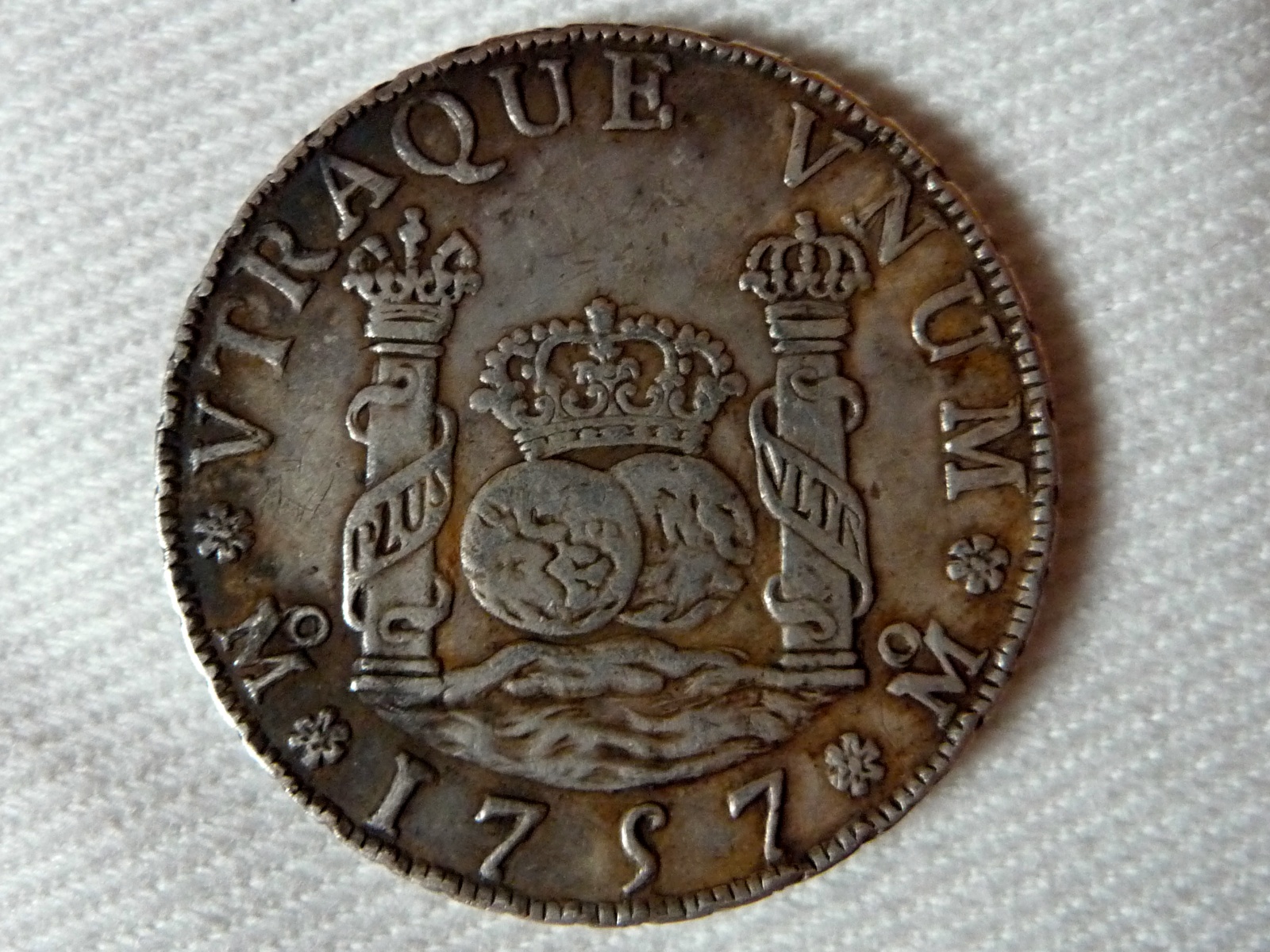
That said the first posting of a rather similar coin is highly suspect - in my opinion. But NOT for the obvious reasons.
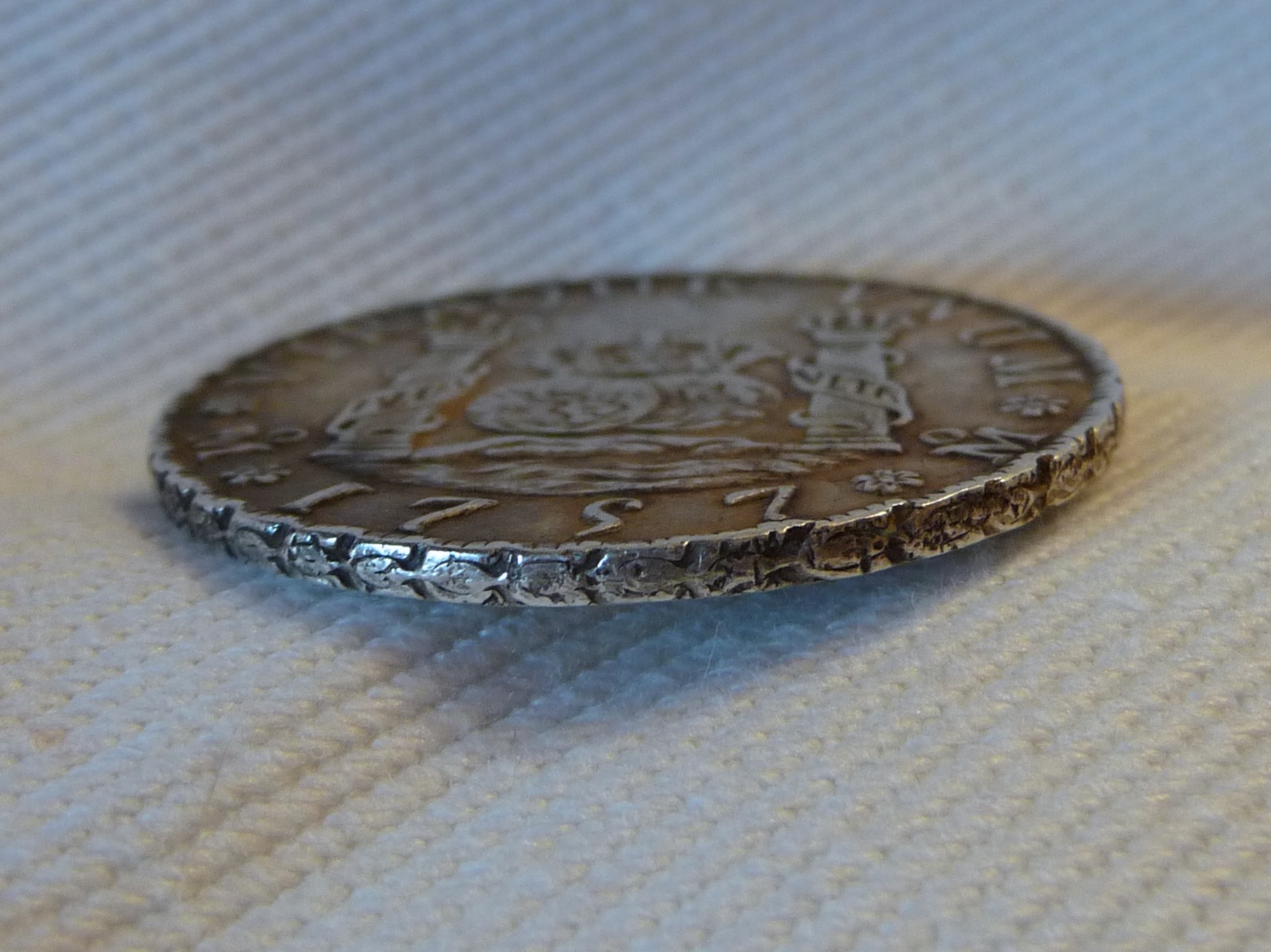
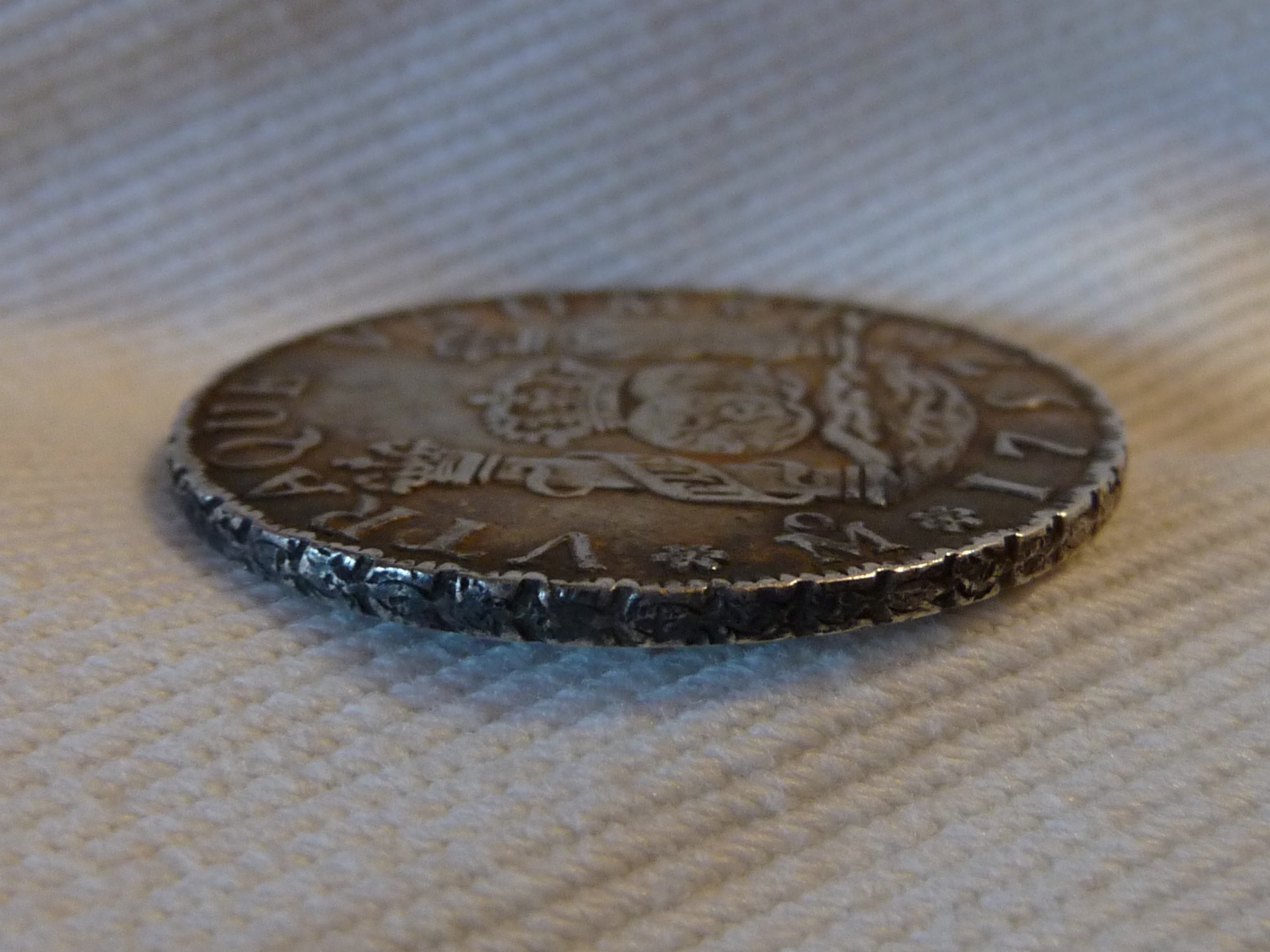
I would really like to know what people thought was wrong with the edge. I agree BUT WHY?
If the coin is actually real you have gotten a remarkable coin. The Pillar 4Rs rarely look this nice and most of the nice ones like this were gobbled up years ago and quite frankly I would suspect the coin would have a suspicious origin if it was real. This coin belongs in a high end auction and would be encapsulated by most owners - at least in the US.
Consignment to an upstanding seller on
ebay who "does not specialize" in this particular variety means that the seller's reputation (which is VERY GOOD BY THE WAY)is entirely meaningless. So cross out that line of thought - if she does not know the coin type - who cares about her opinion.
So back to the coin. It actually looks TOO nice to me on the face of the matter (pun intended).
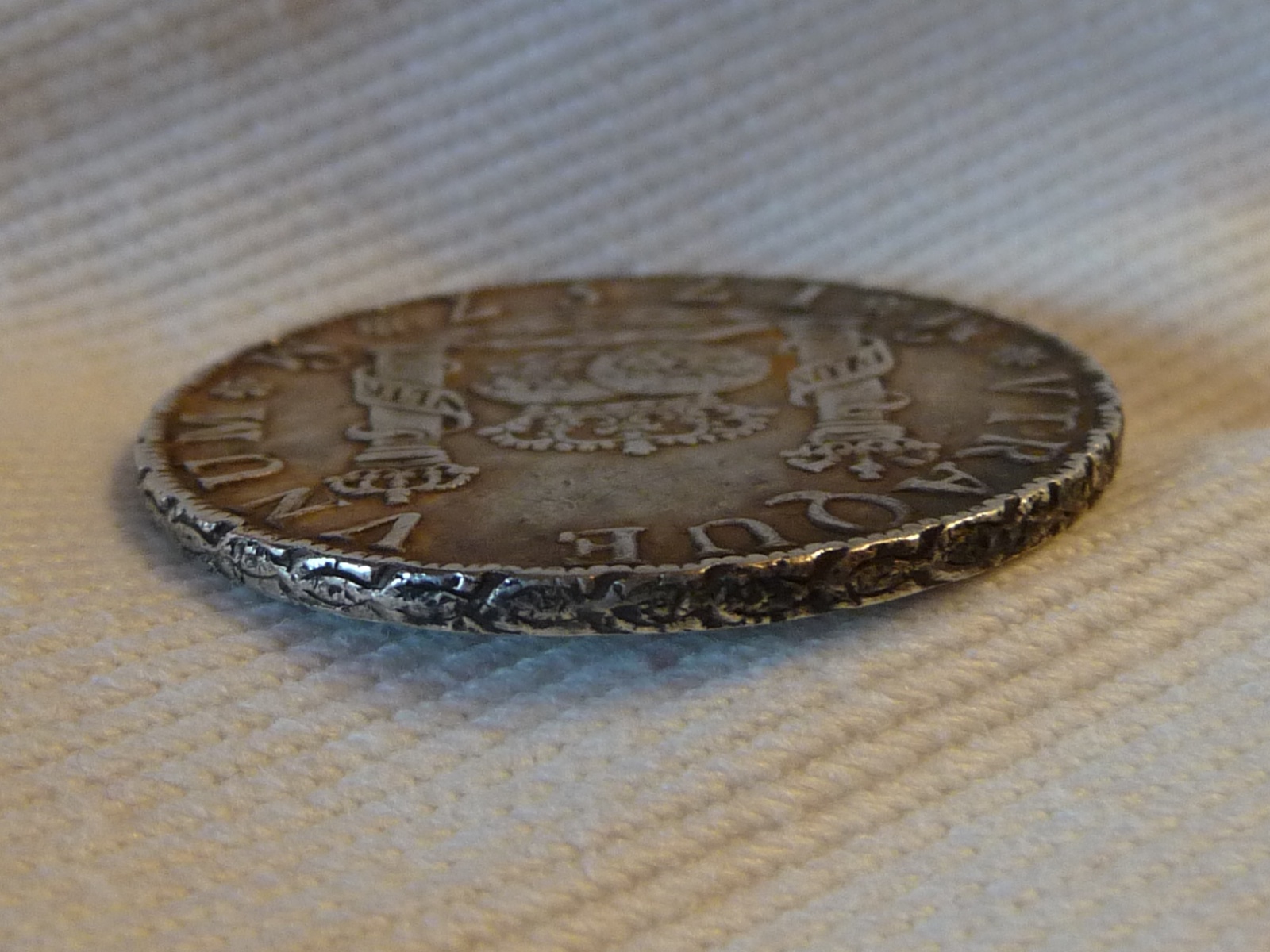
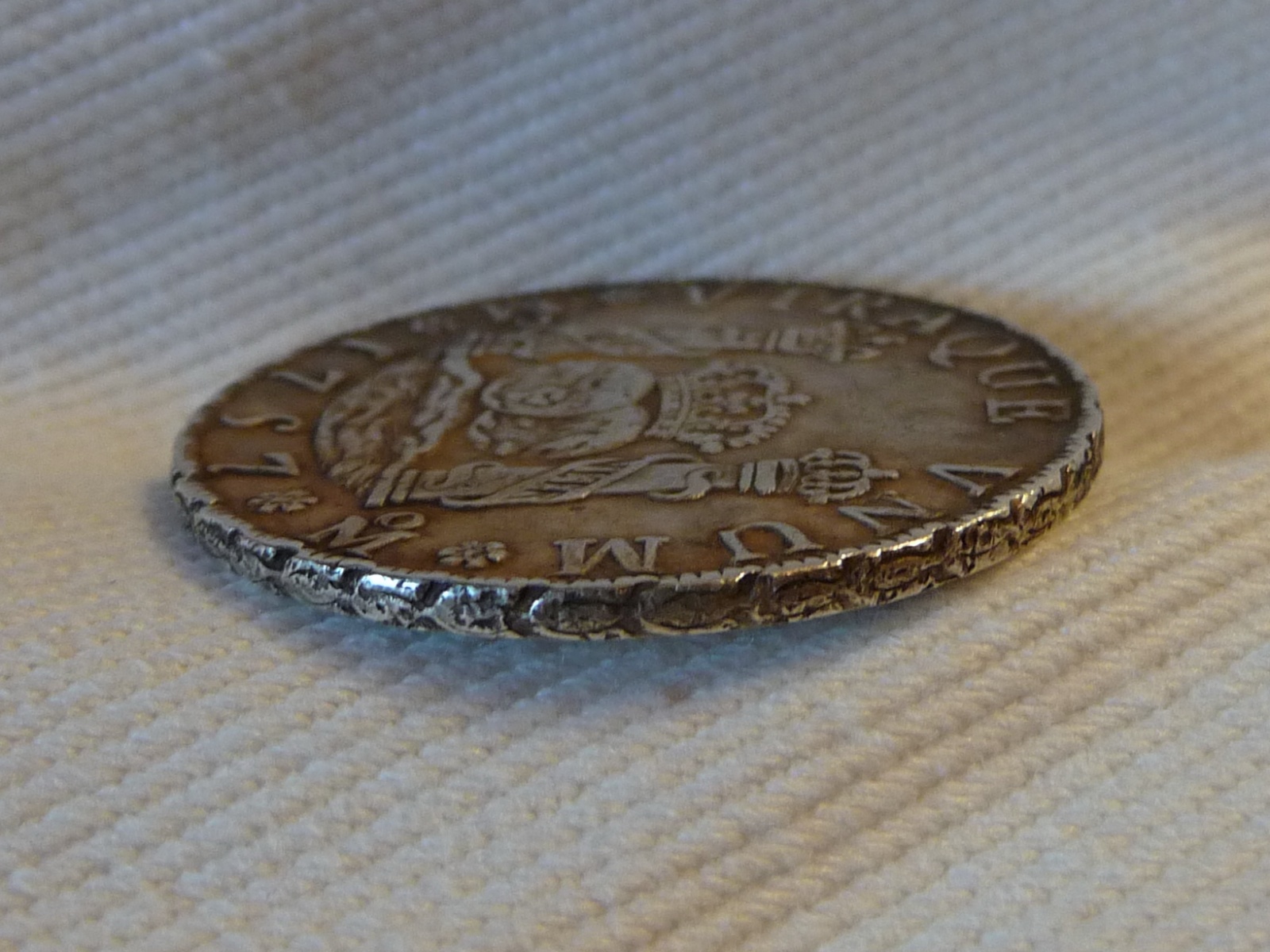
Several people have called attention to the edge. But there seems to be some misunderstanding of what this coin is really showing us. First of all I see a clear priority in this case. If you look at the dentils on the Dos Mundos side there is CLEARLY a distortion of the dentils (an undulation) by the application of the edge design. The way the dentils darken at the low spots and appear brighter especially above the letter V are clearly indicative that the edge application followed the strike (or casting) and that the color application (or natural toning) occurred after the strike BUT before the coin ceased to circulate.
The application of the edge AFTER the strike is not absolutely precluded for a date of 1757 but is rather late in the game. I would have expected a pre-strike application of the edge but even 1% being done post strike could mean the coin is real. So no definitive answer there.
The color variance could also be due to a toned coin returning to circulation AFTER it darkened so that the high points get cleaned off by subsequent circulation. Of course a modern artificial aging produces the same effect and is much more common that a re-circulation of a deeply toned coin. But here again it is POSSIBLE even if unlikely that this is real.
But I really looked FIRST at the OVERALL appearance of the edge. Forget for a second the actual design used and the arguments that could be made as to whether or not it is the correct lotus shape or not - also forget the overlaps and the directionality for a second.
Look at the DAMAGE level on the edge. I see dings, gouges, significant wear etc., ETC. Now look at the two faces of the coin.

DOES THE EDGE BELONG WITH THESE TWO FACES?

Not in my book. Not by a long-shot. The edge and the two faces are like night and day.
FAKE

FAKE

FAKE

. That is what I see.
But you should try to get this one graded. It is worth a shot. Most TPGs never look at the edge and if they encapsulate the coin as real and HIDE THE EDGE FROM VIEW, then it will be REAL ............ RIGHT

I believe this is a Numismatic Forgery done rather well but a 20th century product.







 Posted 10/20/2011 12:01 pm





