| Author |
 Replies: 51 / Views: 16,133 Replies: 51 / Views: 16,133 |
|
Valued Member
United States
328 Posts |
From reading many of the posts in the CCF archives I am trying to educate myself on the counterfeit 8 reales coins and how to spot them. And I know that many of them are so well done it's questionable if they are real(e) or not. My question is on the edge of the coin. I know the mints rolled the edge first and then struck the coins. And that many of the counterfeits are struck first then the edges are rolled. I don't know what the difference would look like on the coins. Could someone post pictures of both pointing out what to look for?
Thanks in advance.
Larry
|
|
|
|
Valued Member
United States
426 Posts |
Spanish 8 Reales or Mexican 8 Reales ?
The spanish 8R's had a circle square pattern the Mexican 8 R's had something like this (((((((((((((
|
|
Valued Member
 United States
328 Posts |
Milled Colonial Spain Portrait 8 Reales coins minted in the 1700's. I am familiar with the design on the edge. I would like to see a picture of what the difference is when a counterfeit 8 reales coin has the edge rolled after being struck compaired to a genuine coin that has the edge rolled first and then is struck. swamperbob has described it in his posts but I can't picture it in my head other than knowing there is a difference.
Edited by Larryh86GT
11/06/2011 08:38 am
|
|
Pillar of the Community
United States
5362 Posts |
Larry - it is a difficult image to capture, because the picture does not show what is visible in three dimensions. The edge applied after the strike distorts the shape of the dentils at the edge of the coin on both faces.
The distortion in that case is often an undulation in the dentils that can result in a variation in wear sometimes visible as a noticeable change in color as a result.
The coin struck AFTER edging will have NO distortion in the edge dentils and may show some compression of the edge details itself.
|
|
Pillar of the Community
France
1591 Posts |
I wish there were a nice reference with method used (before / after strike) , edge type (pattern, two half press or rolled press) and mint / date ...
It would help a lot detecting forgeries (but maybe forgers as well ...)
|
|
Valued Member
United States
328 Posts |
Quote:
Larry - it is a difficult image to capture, because the picture does not show what is visible in three dimensions. The edge applied after the strike distorts the shape of the dentils at the edge of the coin on both faces.
The distortion in that case is often an undulation in the dentils that can result in a variation in wear sometimes visible as a noticeable change in color as a result.
The coin struck AFTER edging will have NO distortion in the edge dentils and may show some compression of the edge details itself.
You can see the distortion but it doesn't show in a picture? Two pictures next to each other - 1 real and 1 a counterfeit and they will look the same then? So when looking at a photo of a coin for sale you cannot tell if the dentils are distorted from looking at the photo? Sounds like a lost cause..........Thanks. |
|
Pillar of the Community
United States
1801 Posts |
I think the best way to visualize it is to compare a pillar dollar that was edged post strike with obvious indentation on the denticles to a well struck portrait where there is no indentation 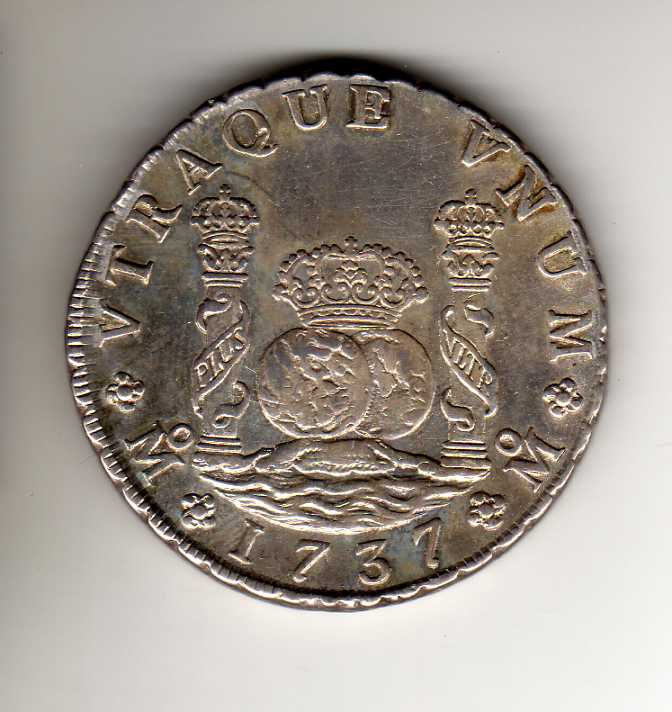 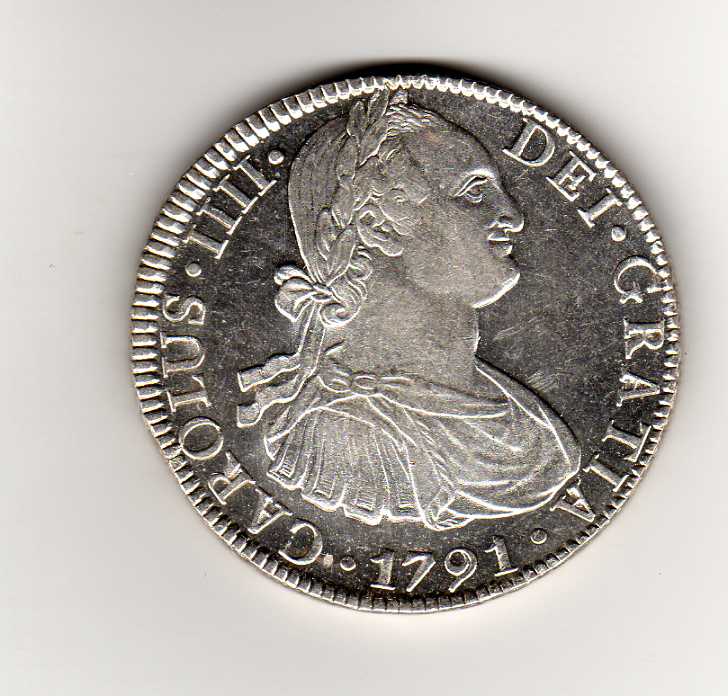 |
|
Valued Member
United States
328 Posts |
Thanks jfransch. So the divets showing in the dentils of the pillar dollar are from the post strike edging. The portrait dollar dentils would look much different then in a counterfeit coin.
|
|
Pillar of the Community
United States
1801 Posts |
The denticles on a real Portrait coin should not show damage from the edging process. The Pillar example is one where the damage is obvious (chosen for illustration purposes). On a counterfeit coin, the edge damage may be very subtle, often the edge is "ground" to remove signs of damage. The best thing I can suggest is to go to coin shows and examine lots and lots of coins and ask questions of knowledgeable dealers and collectors until you feel comfortable with how the edge should look on the different coins.
|
|
Valued Member
United States
328 Posts |
Quote:
The best thing I can suggest is to go to coin shows and examine lots and lots of coins and ask questions of knowledgeable dealers and collectors until you feel comfortable with how the edge should look on the different coins.
Good idea. Some of those dealers are selling counterfeits I've heard. |
|
Pillar of the Community
United States
5362 Posts |
Larry - You said: Quote:
Some of those dealers are selling counterfeits I've heard. That is all too true but part of the problem is simple unfamiliarity on the part of the dealer. The 8R edges are a subject that has never been well covered in written sources. The book we are coming out with in 2013 should remedy that in part. I am the author of that section and I am still writing it up. As an example of how often dealer's get the call wrong, I recently discovered 6 counterfeit Portrait 8R coins - all of which had incorrect edges in the personal collection of a well known dealer who has been in business DECADES. Once I explained to him in person and could show him exactly what I was seeing he also saw how they were made incorrectly. That "experience" is what I am finding very difficult to put into words. A three dimensional image is often needed. |
|
Pillar of the Community
Thailand
1509 Posts |
As RealPeso mentioned some have a circle/square pattern on the edge.
I have a read few similar threads where this is explained much better (some with illustrations). Try some searches on the forum.
By no means an expert I found the info invaluable when I recently bought my first (Colombian) 8 Reales piece. The weight was correct, it had the 'right' look and I was sold when I saw the edge was continuous. Apparently many counterfeits have a broken pattern with an incomplete or overlapping sequence in the circle/square edge.
|
|
Pillar of the Community
France
1591 Posts |
Actually depending on the date and mint, there can be one or two overlap ... at least on the ones with leafs.
The pattern should be regular on genuine one - and the circles ... circles (inside and outside).
|
|
Valued Member
United States
328 Posts |
Perhaps I have not expressed my question properly as the discussion has evolved into describing the circles/rectangle edge of the coin itself. I am more curious about the faces of the coin and what the dentils look like when the edge of a counterfeit coin was rolled last after being struck. And if the edge was filed down to hide whatever the damage was what that coin would look like. I doubt a dealer at a coin show is going to have something like that for me to look at and if he does he is trying to sell it and will not admit it's counterfeit.  |
|
Pillar of the Community
France
1591 Posts |
I'll take pictures for fake 8 reales I got at home tomorrow morning. Hope this will help :) You were clear though, I just wanted to get some other informations related to the rim at the same time  (sorry for polluting the topic). Edited by MathieuMa
11/07/2011 09:51 am
|
|
Valued Member
United States
328 Posts |
That would be great. Thanks.  |
| |
Replies: 51 / Views: 16,133 |










 Posted 11/06/2011 03:30 am


