| Author |
 Replies: 11 / Views: 2,291 Replies: 11 / Views: 2,291 |
|
|
Pillar of the Community
Canada
1984 Posts |
I thought I would follow up on the last post about the silver coloured penny. I have two pennies that I am currently unable to definitvely identify. I am hoping to have SPP from the Canadian forum do XRF analysis on them in the future to definitively determine their metal composition. In the meantime I would appreciate any views. The coins are both, I think, cupro nickel. Note there is no ghosting as per the last post. The 1900 weighs 9.38g, the 1909 weighs 9.51g. Both are harder than copper when scratched on the edge and scratch a pure silver colour. Whatever the metal is on the outside, I don't think it is silver. It does not have that greasy silver feeling. There is no hint of copper anywhere on the coins. These both came from a very old (early 1900s) collection of a sophisticated collector. Has anyone heard of or seen cupro nickel pennies? Any thoughts? 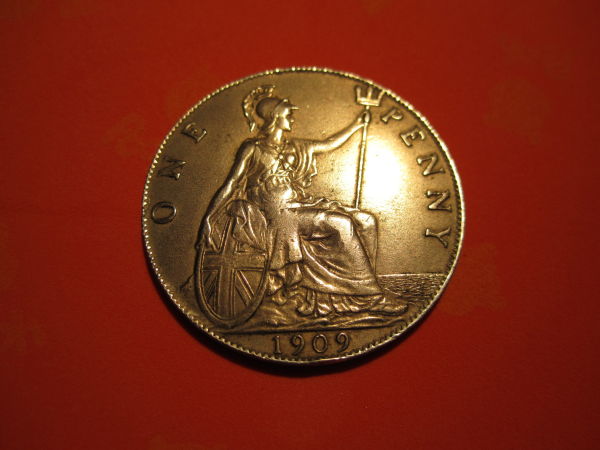 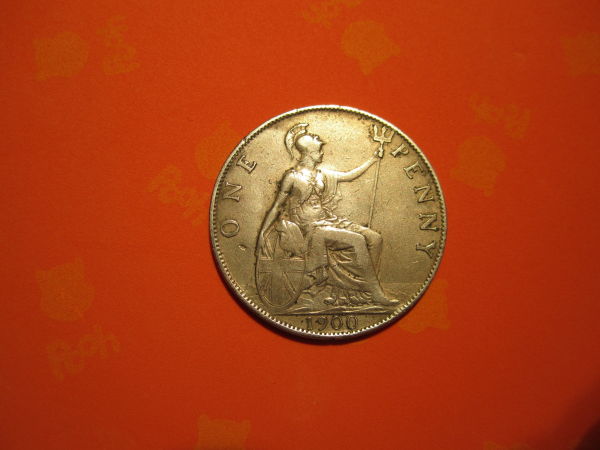 Edited by Smallcentguy
11/21/2011 8:34 pm
|
|
|
|
Pillar of the Community
United States
1674 Posts |
The first one appears to be cast, which would rule out it being an official coin. The picture of the second coin doesn't show a whole lot, but the irregular zeros in the date also lead me to believe it's cast rather than struck. Can you post pics of the other side, and possibly clear close-ups the edge?
|
|
Pillar of the Community
 Canada
1984 Posts |
I don't see any give aways on casting, but I am not 100% sure what to look for. What clues would you focus on? If they are cast the quality is exceptional. The lettering under the busts is quite clear...... I would expect that these were not one-offs if they were cast. Here are more photos. Close ups to follow. 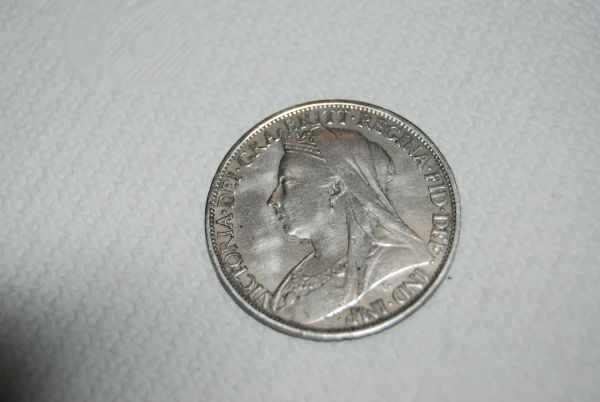 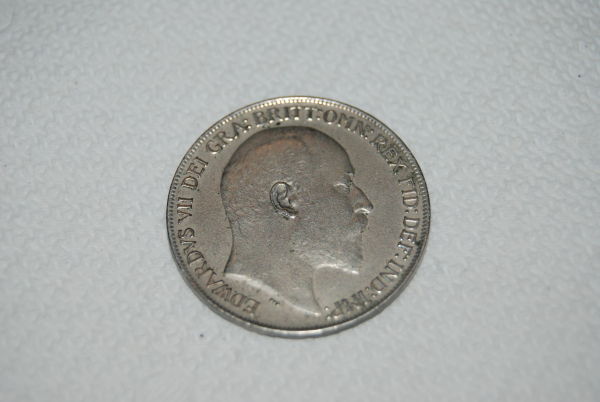 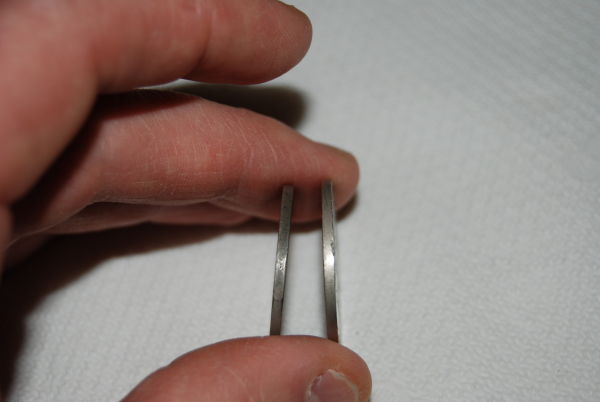 |
|
Pillar of the Community
Canada
1984 Posts |
Here are a couple of date close ups. Sorry the 1909 is a little out of focus. I think the irregular 00s was more dirt than anything else.... 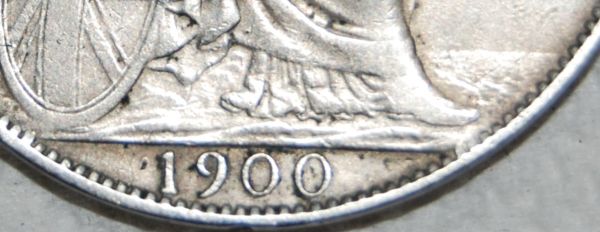 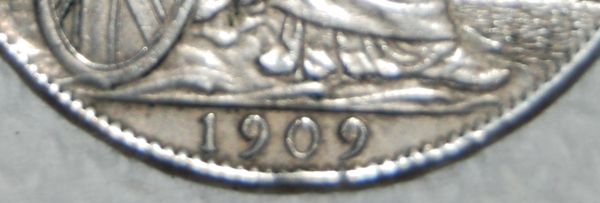 |
|
Pillar of the Community
Canada
1984 Posts |
Here are a couple of close ups showing the detail on the lettering under the busts. Sorry, but with the magnification here we are testing the limits of my equipment/skill. So we are a little out of focus. 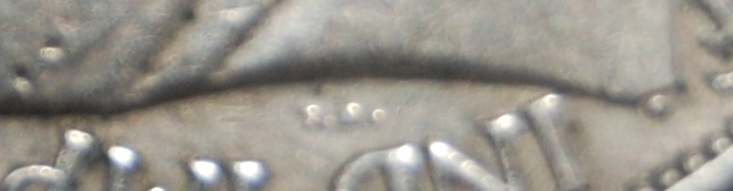 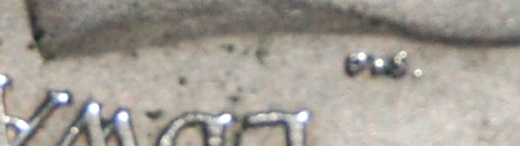 |
|
Pillar of the Community
Netherlands
565 Posts |
These where normal Pennies, only after "chemistry lessons" they turned in the way they are now.. When I'm back home after work i'll post exactly how to do..
|
|
Bedrock of the Community
Australia
21792 Posts |
I am somewhat suspicious.
I have a few nickel plated coins from different countries.
If a coin is a genuine off metal strike, and is in EF or better condition, mint lustre should be present. NONE of my plated coins show ANY sign of mint lustre.
There are no nickel pennies of 1900 or 1909 listed in the 1998 Coincraft Catalogue.
Has anybody a reference to C. Wilson Peck's work on British copper and bronze pennies? This would be the most authorative work on this subject.
I DO have a a gold plated Roman silver antoninianus of Postumus, and I rather like it. It's not worth very much, though.
|
|
Pillar of the Community
Canada
1984 Posts |
Thanks for the thoughts....more thoughts are most welcome. I concur on the lustre comments and I think that the lustre is there on the Edward coin. The Victoria coin is too worn to have mint lustre. Instead it has the polished look of a well circulated Engllish penny.
The surface of the Edward coin is not lustrous in a brightly reflective way but it does look pretty much exactly like the surface of many other cupro nickel and silver coins that were stored along side it in the same coin cabinet for the 60+ years.
I have quite a number of coins plated and/or washed in different materials. I don't think that it is a plated or washed coin. The scratch test would have penetrated any wash and only the thickest plating would not have been penetrated. A plating that was thick enough to have survived the scratch IMHO would not have transmitted Edward's hair detail.
I am not discounting casting yet. The other obvious possibility is that they are complete forgeries. If they are they are old ones that predate the Chinese coin forging period. In either the case of casting or forging, though, I would be surprised if these were the only ones out there.
|
|
Pillar of the Community
United States
1674 Posts |
The closer pics actually make me believe it's not cast, as what looked irregular before was probably due to the photos. It'll be interesting to read sander's follow-up regarding the "chemistry lesson".
|
|
Pillar of the Community
Canada
1984 Posts |
I am curious to see it too. Perhaps we will also learn how to turn lead into gold!
I am pretty confident that SPP-Ottawa will be able to XRF these for me in the next couple of months It will tell the tale on composition. For those not familiar with XRF, he has posts on the topic in the Canadian thread. It is a $100,000 labratory device that is used to identify the composition of among other things geological samples. I will post the results when they are available.
Then, if they are cupro-nickel, the question will be how they came to be .....
|
|
Pillar of the Community
Netherlands
565 Posts |
Quote:
You will need no chemistry really need a local hearing. A bowl of lukewarm water with salt or soda is the 'basis'. Silver nitrate (nitrate is also a gold gilt effect), aluminum powder, zinc powder or any other metal (oxide) through mixing.
What else you need is just a transformer. An old printer adapter from a o.i.d. doing it. The wire to the negative terminal connected to a clip or paper clip daarnaan with a coin or other metal object. The positive side to a loose screw or nail into the container and there is piece of cake! Above is translated from a dutch coin forum.. I found total of 3 English and 1 dutch coin in bulk lots.. http://www.chymist.com/copper%20sil...d%20expl.pdf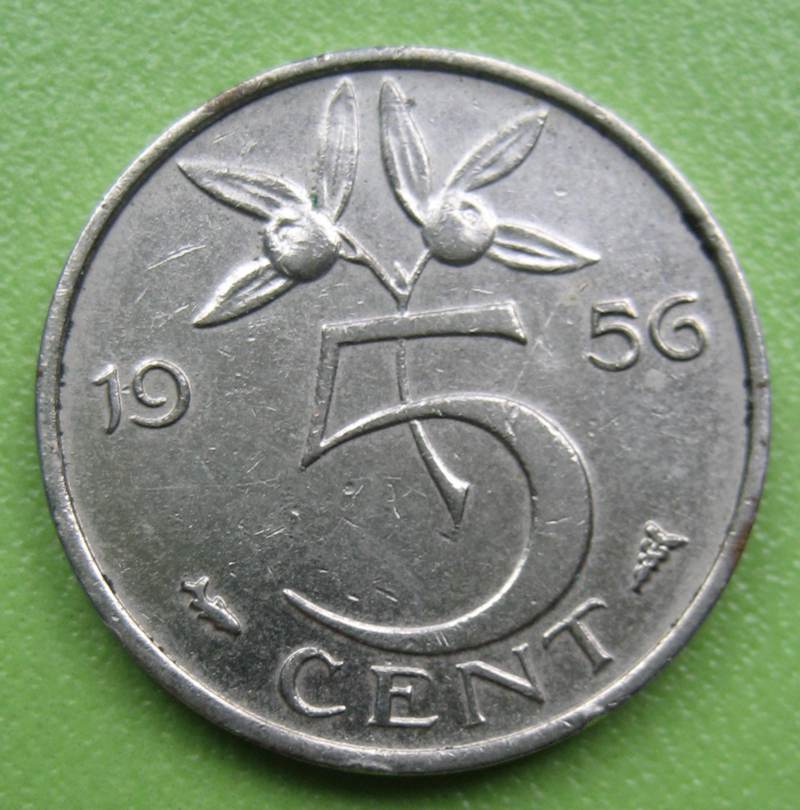 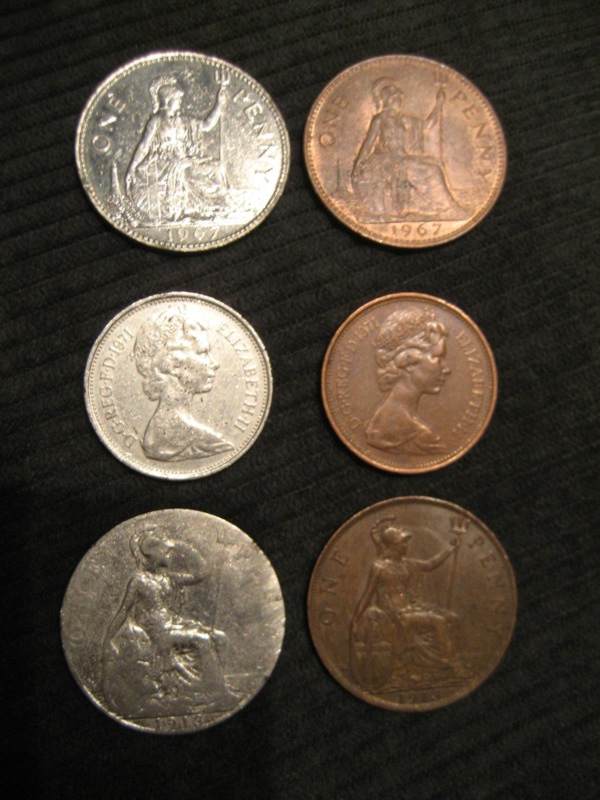 |
|
Pillar of the Community
Canada
1984 Posts |
Your coins will not pass a scratch test. Take a sewing needle or other hard steel pointed device and make a scratch (very carefully) on the edge. These soft platings will be removed in a narrow scratch and the copper underneath will be revealed. If a metal is properly plated with a high performance metal that is harder than tool steel the needle may fail to scratch the plating, but this is a give away of plating also. A pure metal coin just keeps exposing more of the true metal of the coin as it is repeatedly scratched in the same place.
|
| |
Replies: 11 / Views: 2,291 |
|










 Posted 11/21/2011 9:36 pm


