| Author |
 Replies: 8 / Views: 1,426 Replies: 8 / Views: 1,426 |
|
|
Pillar of the Community
United States
1490 Posts |
Does anyone know what caused this gouge. I may be off in my thinking but I question whether this is post mint damage because the leaves and the arrow bundle is still intact and not blundered. Thanks, 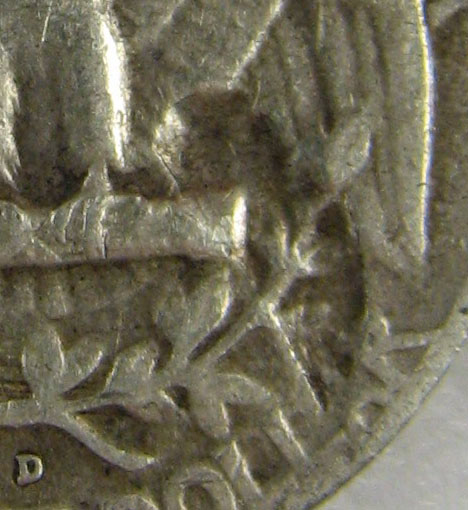 |
|
|
|
Valued Member
United States
146 Posts |
JimR My first guess would be some type defective planchet,but that would only be a semi-educated guess.Maybe Coppercoins or some of the other error guys will chime in. If they can explain yours,maybe that will explain mine. 1912S Barber 50c 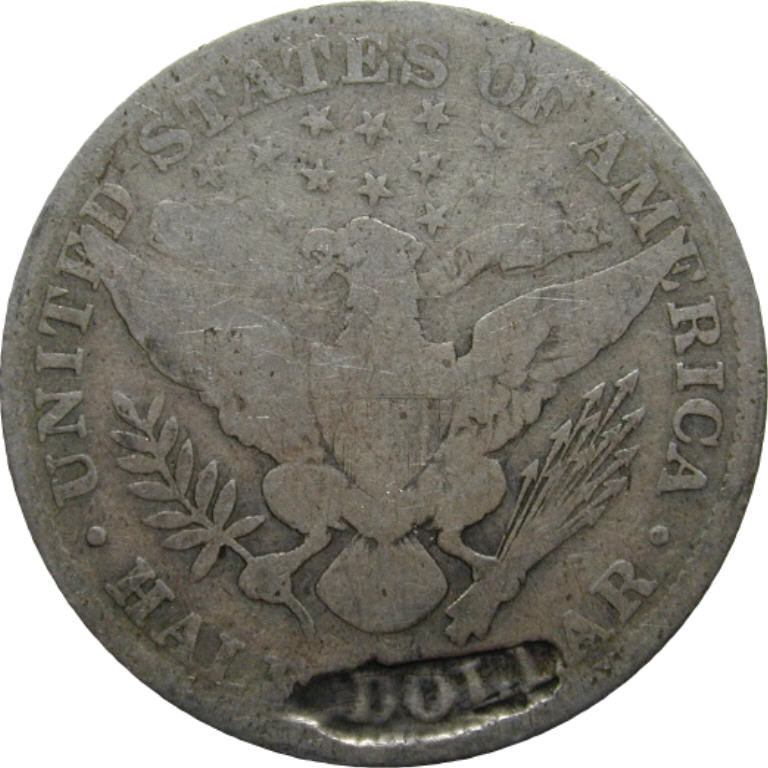 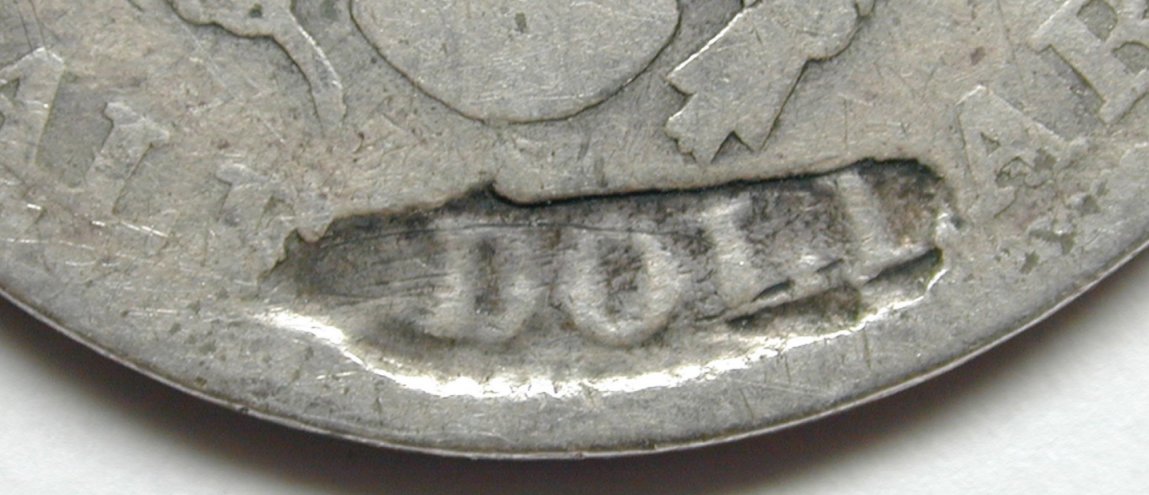 RW  Edited by coffeecup57
02/19/2007 11:13 am
|
|
Pillar of the Community
United States
7629 Posts |
Both are struck-through. Both appear to be struck-through metal fragments or something. Both are good enough to warrant premium value. As for how much, I can't tell...don't know the market.
|
|
Pillar of the Community
 United States
1490 Posts |
Copper,
What causes them to be struck through?
|
|
Member
United States
3242 Posts |
This is a bad planchet I sold. Only the pre 40s coin seam to sell easy and fast and at a crazy prices Image Insert: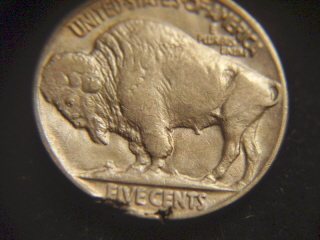 Image Insert: Image Insert: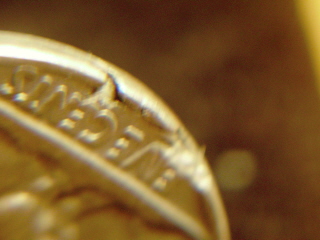  Edited by amac44
02/19/2007 10:46 am
|
|
Pillar of the Community
United States
7629 Posts |
What causes strike throughs is any number of things that drop onto the planchet or onto the reverse die before the coin is struck. The piece of foreign matter is struck into the coin with the design, then usually falls off after the coin is ejected.
Imagine clay, and you're going to use your hand (the die) to make an impression. Drop a pebble onto the clay before pressing your hand into it. When you pull your hand out, remove the pebble. You end up with a cast of your hand with a hole where the pebble was. Same thing happens to coins (if you use your imagination a little).
Most common struck through items are grease (used to lubricate and keep the dies clean) and metal fragments.
|
|
Pillar of the Community
United States
1490 Posts |
Makes sense.
Thanks for the explanation.
|
|
Valued Member
United States
146 Posts |
Given this scenario,If you pressed your hand into the clay and the pebble fell onto a ridgeline on your palm,pull your hand out and the pebble fell out you would have a smooth hole in the clay,and a broken ridge line where the pebble was.No part of your ridgeline would appear under where the pebble was. My question,could anything hard enough to withstand striking pressure and get struck into the coin,then fall out as the coin is ejected or jostled into the collecting bin,still have the design so clearly show beneath this object. Instead of a planchet flaw or defective planchet,how about a scenario where when the planchets strips are rolled out,an object is rolled into the strip and falls during all the processes prior to the planchet being struck as a coin. Possible? RW |
|
Bedrock of the Community
United States
12437 Posts |
|
| |
Replies: 8 / Views: 1,426 |
|




 Posted 02/19/2007 09:50 am





