| Author |
 Replies: 89 / Views: 30,853 Replies: 89 / Views: 30,853 |
|
|
|
Moderator
 United States
23522 Posts |
Quote:
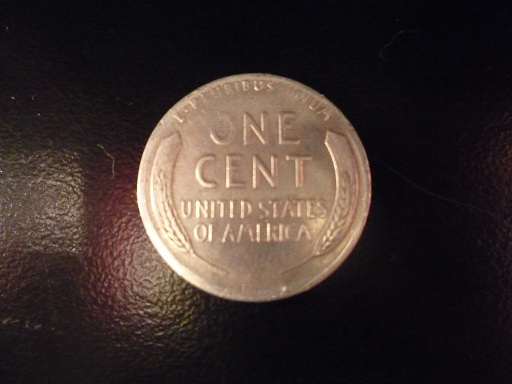
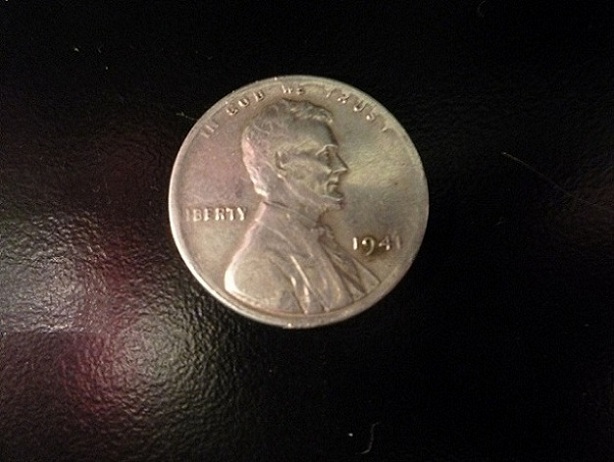
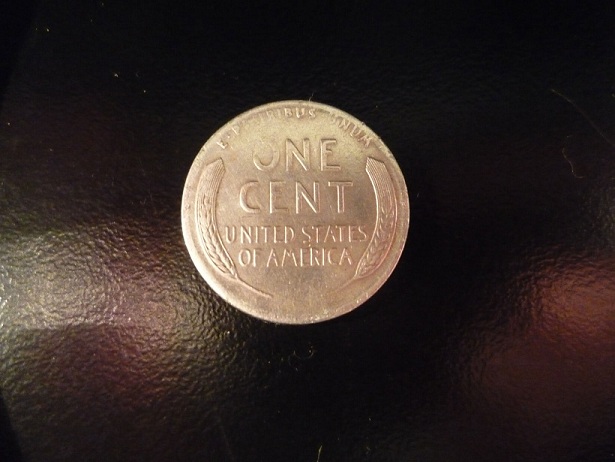
The nearest place to get this professionally cert and slabbed is about 2 hours away. Unless that place is in Newport Beach, CA, Sarasota, FL or Englewood, CO, chances are you cannot trust whatever opinion is rendered. Those are the locations of PCGS, NGC and ANACS (in order), and they're the only ones I'd trust so make such a determination. Off-metal stampings are not unknown. The Mint produced coins for many different countries, in many compositions, and this would not be the first such which has turned up dated 1941. Goldberg sold one a few years back. In addition, at this time the Mint was exploring the usage of alternative metals to save copper for the war effort. Patterns of various types were struck, dated 1942, but it isn't out of the realm of possibility to imagine one with a 1941 date because they used whatever dies they had lying around. Either way, an accurate opinion on this coin is beyond 99.5% of all experienced dealers, much less anyone here regardless of the quality of any images you might offer. Quote:
it is in superb shape for a coin so old. Actually, not really - there are thousands upon thousands available which have never seen circulation at all. This will make identification all the more difficult, and die markers will have been erased by circulation. In truth, it's almost certain that this is a coin which was pulled from circulation and used as a science class experiment. There is a remote possibility that such is not the case, and the process of being absolutely positive will be a long and difficult one. It will probably end with you throwing a whole bunch of money at someone who can determine the precise metallic composition, and then giving the coin and all that data to one of the three top-tier TPG's I mention above for authentication. |
|
Valued Member
United States
349 Posts |
|
|
New Member
 United States
23 Posts |
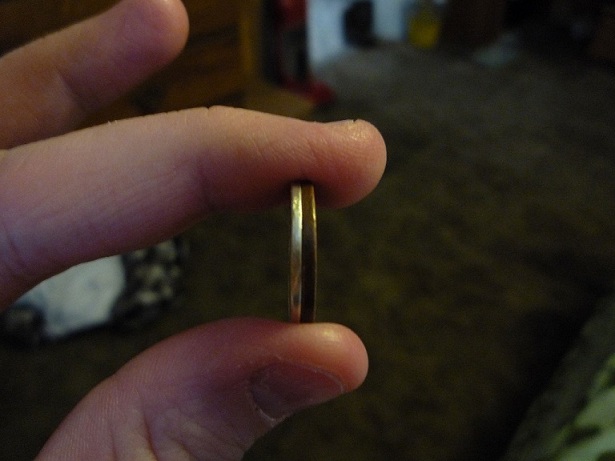
Had some measures done to it.The weight is 48 grains and 1.11 mm thick..a 41 copper penny I had on hand was 46 grains 1.48 mm thick.This jeweler did a light silver test..did not show up as silver.He also does not think it is plated.So still puzzled.
|
|
Pillar of the Community
United States
3453 Posts |
Correct me if I am wrong but a dime planchet is 38.58 grains so there is no way this is a dime planchet.
What is a light silver test?
|
|
New Member
United States
23 Posts |
i just told the jeweler to not scratch it up to deep to test for silver.So he did not.Still does not seem to be silver
|
|
New Member
United States
23 Posts |
|
|
Pillar of the Community
United States
802 Posts |
The wheat may look slightly filled in. I have no idea, but if I were to guess I am going to say it's dipped.
|
|
Moderator
United States
23522 Posts |
Testing this coin (and I'll admit I'm a bit intrigued) need not be destructive. As one example, X-Ray Fluorescence could likely nail down the exact chemical composition of its' metal, and that's a technology a high-end gold buyer will likely have. I know at least one member here at CCF who has such an instrument. I'm hardly "knowledgeable" regarding interpretation of the findings, but what I do know indicates that an unmixed bimetallic composition (as you'd see in a plated coin) is likely to show up - the results would, to coin a phrase, add up to more than 100. There are services out there which use this technology to evaluate the quality of deliberate electroplating.
The trouble is, on their own these results indicate nothing. Even if it's an unplated alloy dissimilar to what was minted in that day, it could also be a counterfeit of some sort. The data would need to be handled by someone who was expert in the alloys of the day, who had knowledge of what sort of compositions the Mint might have been experimenting with. Even if that panned out, you'd still need to convince a reputable verification service - or a known expert in the field who could then throw in on your behalf - that it was actually a trial strike.
Look into getting the composition tested. That shouldn't be an outlandish investment, especially if you can get the service provider interested in the outcome. If that pans out, we'll talk more.
And there's no way dipping would do this to copper. Um....trust me on this.
|
|
Moderator
United States
23522 Posts |
One more thing. Look very closely for one or maybe two places on the rim where the color has a different character than the rest - that would be indicative of plating as well.
|
|
New Member
United States
23 Posts |
Yes SsuperDdave that is exactly what I plan on doing next.I am really rather new to coins and inherited these pretty much.So I will look into that tomorrow.But you don't think it has been dipped either? |
|
New Member
United States
23 Posts |
I can not seem to find any color changes..even what was scratched is still the same color.I have looked for bubbling or anything.That was also looked at under a microscope by a jeweler.I am not sure how expensive it is to counterfeit coins but that is an odd date for that. 1944 counterfeit I could see the reasoning behind.Anything is possible
|
|
Valued Member
United States
349 Posts |
It sort of looks like my 1943-S steel penny....possible it is steel?
|
|
Pillar of the Community
United States
4897 Posts |
Quote:
....possible it is steel? Ummmm....no... Quote:
The odd thing is it is not copper or magnetic Mercury coated science experiment....imo |
|
New Member
United States
23 Posts |
If it is steel ..its something of the non-magnetic variety.I have like 6 or 7 steel 43 all of which leaps onto a magnet while this one will not.
|
|
New Member
United States
23 Posts |
I would think mercury from a science project would either have worn a bit in 40+ years or would have been scratched off.Once again even the small detail in Lincolns hair is filled perfectly.I get some plated for my kids at Walmart its showing in a matter of weeks..lol |
| |
Replies: 89 / Views: 30,853 |





 First Page


 Posted 07/17/2012 3:58 pm