| Author |
 Replies: 69 / Views: 8,706 Replies: 69 / Views: 8,706 |
|
|
|
Valued Member
 United States
322 Posts |
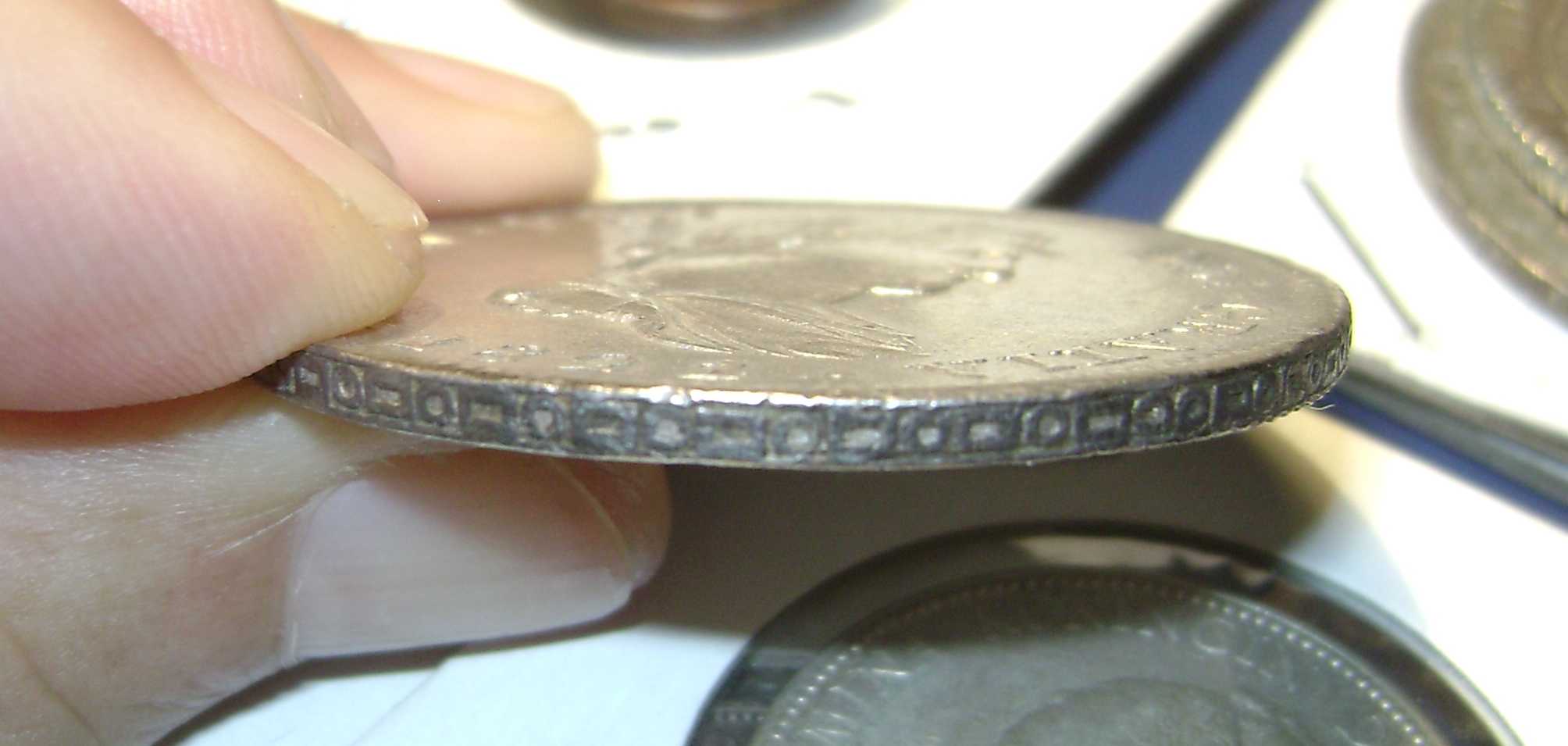
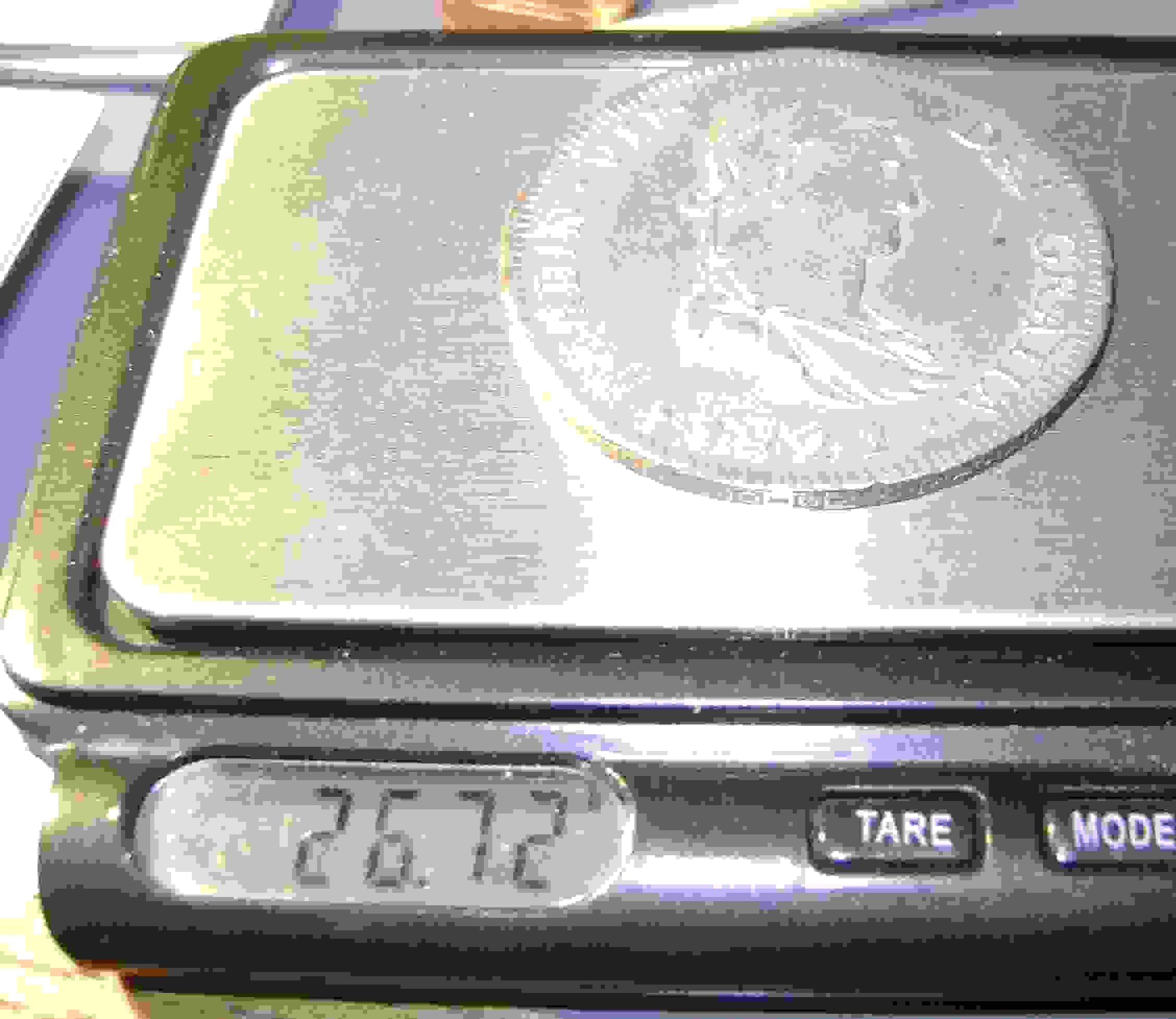
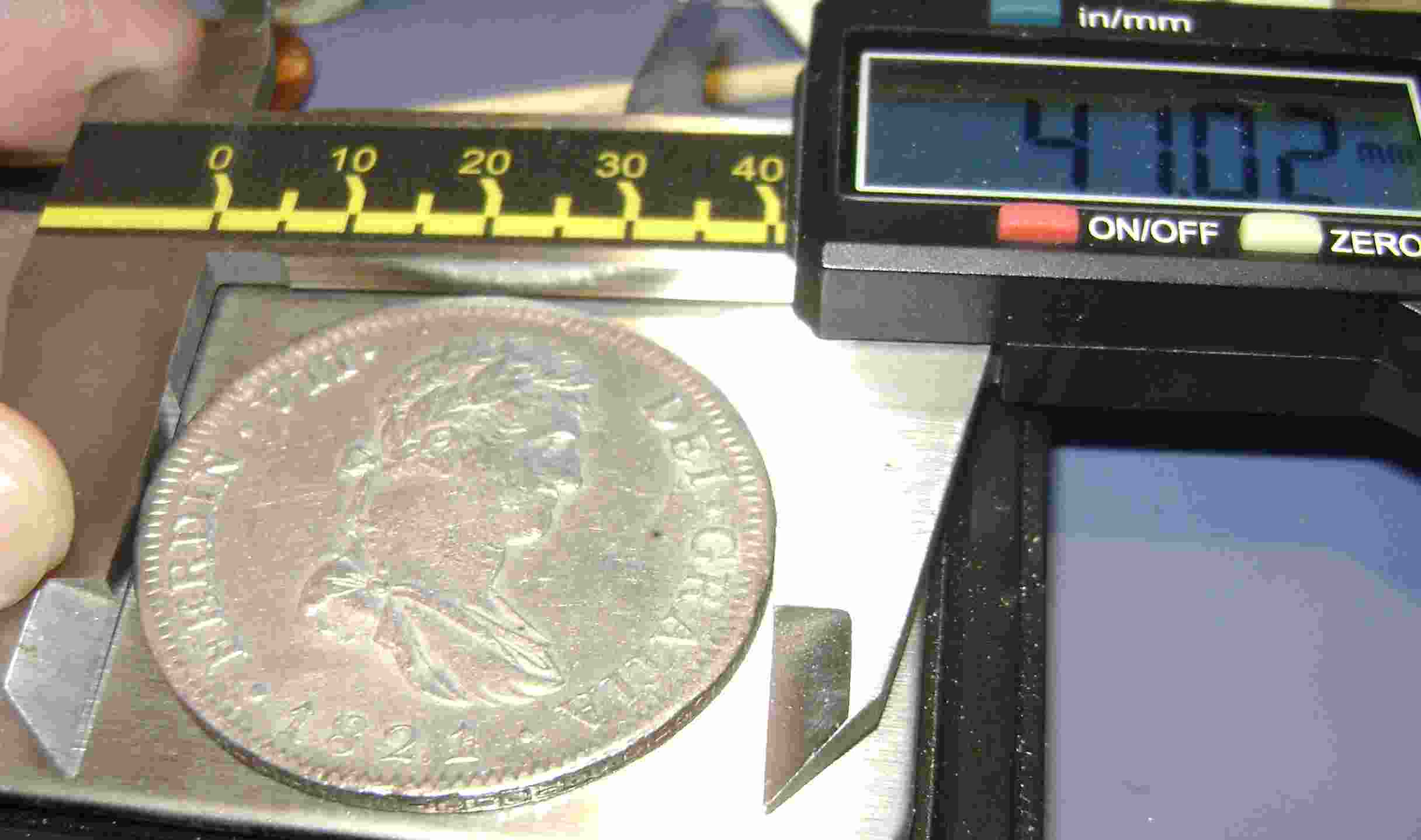
jfransch, MathewMa, Thanks for your input. At the beginning of this Topic, I mentioned one of them was tempered. Somebody was desperate to hand filed the edges to steel few Silver. I kept missing that coin since it is not too obvious, it blend in with the others. Unfortunately that coin is this 1824 hook neck. 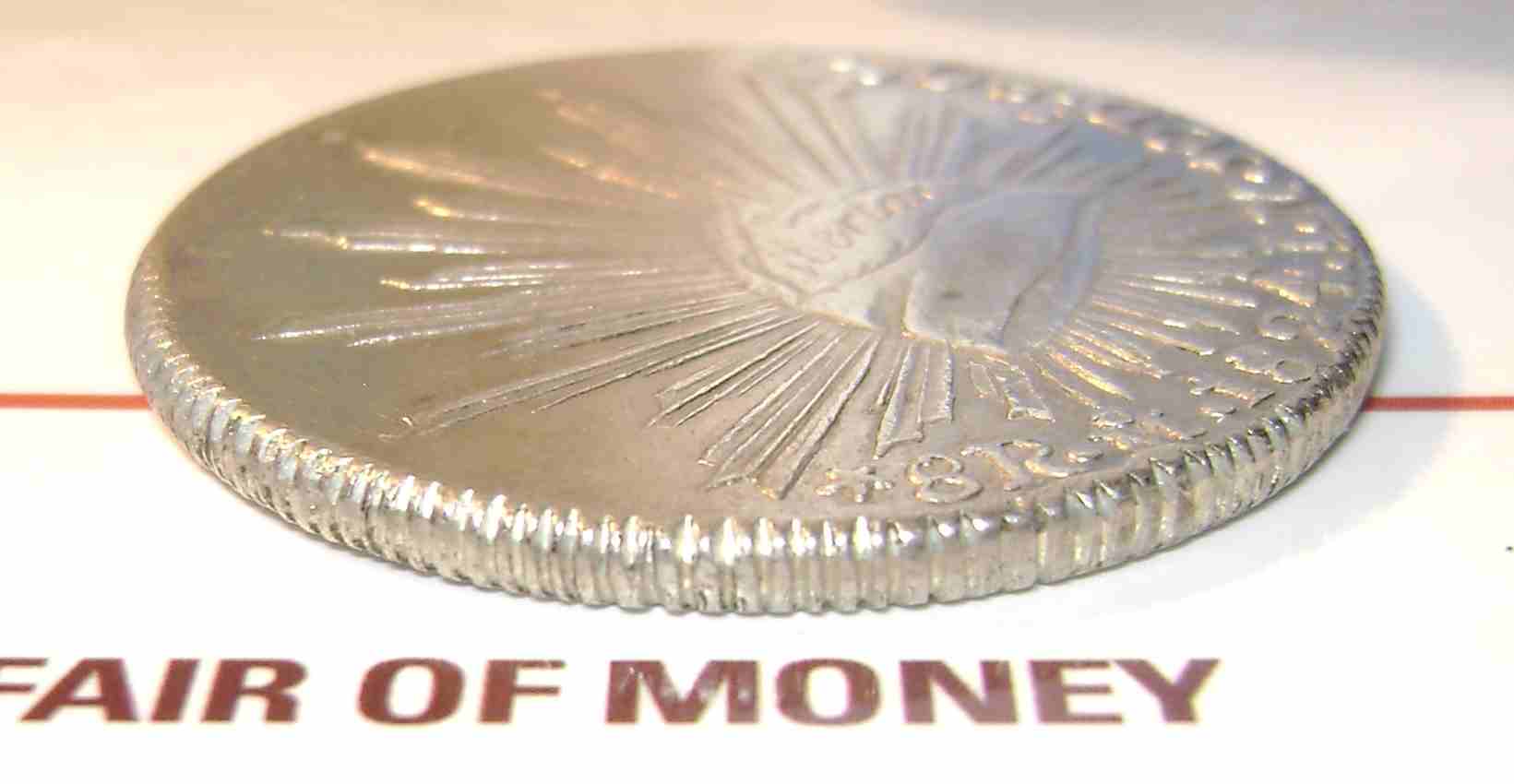 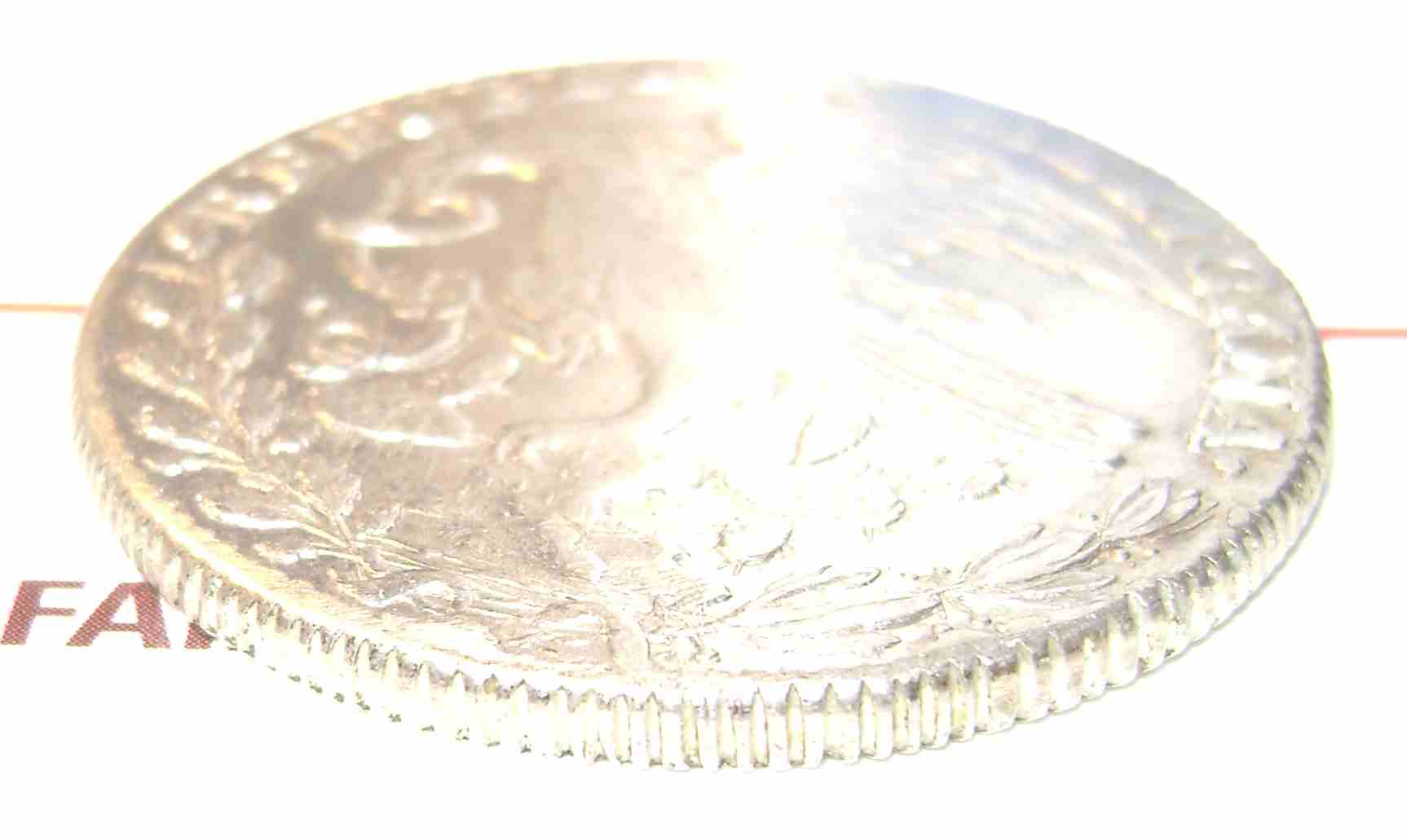 |
|
Valued Member
United States
322 Posts |
Hurray, I am legit to sell in this forum.
wonghinghi and others, yes I am thinking to sell these and many other Silver coins.
Please read my post in family forum.
|
|
Pillar of the Community
United States
1801 Posts |
I am concerned that the hookneck is a fake after seeing the edge posting. What does the coin weigh and can you post some really high resoltion scans of just the snake head area of the coin?
|
|
Valued Member
United States
322 Posts |
The coin is not fake, it was confirmed by Stack's Bowers and Ponterio's appraisers. Somebody just filed the edge, not newly done, it was an old filing. I never realized until they point it out. 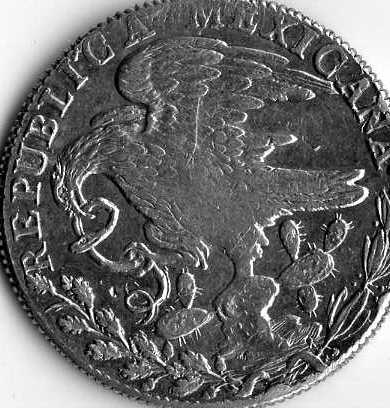 |
|
Pillar of the Community
United States
5362 Posts |
samuel tan Interesting Hookneck - looks like the edge was not just reeded but cut down all the way around first. Is it about 36.5 mm or less in diameter? I have seen a few done that way and when the edge starts to hit too much of the legend the coin is too small. It is an alteration that make the coin a Class 4 fraud. Interesting.
The second 1806 Carolus the IV the better of the two is a Class 2 silver counterfeit - I own a duplicate that is headed off for testing.
The 1821 Ga is a coin I suspect of being a modern counterfeit - I have seen one in copper. The one I have is a transfer impression.
|
|
Valued Member
United States
322 Posts |
It is 24.65 gram and 36 mm, they steel 0.5 mm all around. I pulled all three of them to have it checked again. If the 1821 counterfeit, I don't know what to say. I have to relearn the whole thing all over again. I couldn't detect it at all, it looks really nice. As far 1806, it has cracks on surface. Is that the reason to suspect? I would like to learn further. 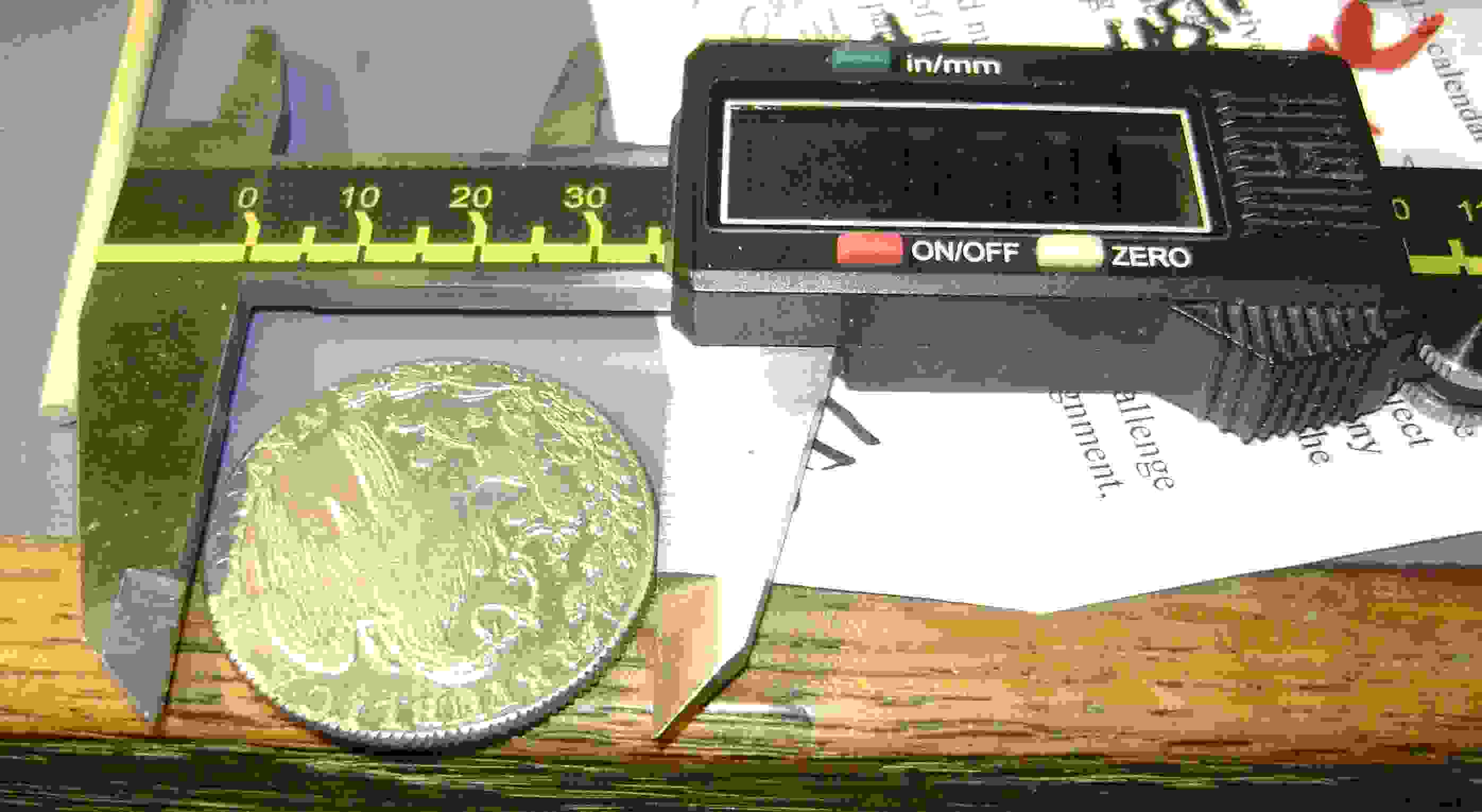 |
|
Pillar of the Community
United States
5362 Posts |
samuel tan The reduction in diameter and weight proves the coin was altered to steal silver. The thief removed 9% of the value of the coin. That means they made a dollar for every 11 coins he destroyed. What an absolute waste.  But you have a nice example of a Class 4 coin which is a Fraudulent Alteration under the sub-class "Silver Removal". It would make a great plate coin to use as an example of what that method of theft looks like. It is a shame it was done to such a nice coin. Hookneck coins are all rather scare and for one to be damaged to steal a few cents worth of silver is - CRIMINAL. Come to think of it - that is exactly what it was when it was done.  Filing the edge of a coin to steal silver was even a crime in the US. It was and is fraud. I had to go back and look at an earlier page in this thread to see the 1806 and 1821 coins to affirm my earlier statements, so it required an edit to complete this post. Sorry if anyone read the incomplete first post. The second 1806 has several diagnostics which I can see on the pictures. In person they are far clearer. - However, in this case, I matched the die pair to one in my collection which I am 100% sure is a counterfeit. It is being tested to make sure it is a Class 2 and not a Class 3 forgery. The coin has characteristics of both classes and the distinction can be very hard to draw at times. The 1806 has 5 surface characteristics of a Class 2 coin which I have marked on your picture. That is 5 out of 20. The most I have ever found on one coin is 13. Here are the locations; 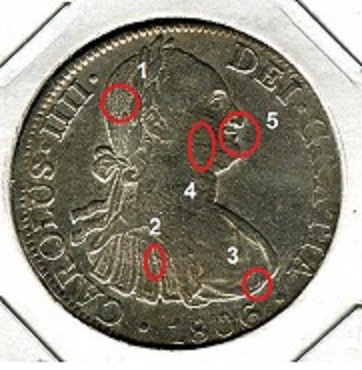 1. In between the strands of hair are features which are often called die rust - however in this case the marks are remnants of a wet transfer process where the removal of the host coin created a series of small raised features which look like the surface after you pull something off still tacky plaster. Little peaks like those that form on frosting on a cake. The raised features are shaped like a bunch of tiny inverted meniscuses. 2. In between and connecting the armour is a "soft crack". That is a break seen on plaster or plastic molds which is simply not the correct shape for a fracture in hardened die steel. 3. The circle is around a series of raised lumps. Look closely with a binocular microscope and you should be able to see one that looks like it was a loose piece of dirt that was cast onto the surface of the mold. 4. The surface cracks in the silver that you point out come from the laminating machine which smoothed the surface of the strip of silver AFTER it was rolled and before it was blanked. This points to the original coin being produced in a mint that followed all the proper steps in planchet production in the era BEFORE large scale power production made strips several coins in width. The cracks form when the surface temperature of the silver falls too low in relation to the drawing pressure. This feature is seen on many coins which were produced on hand drawn silver both original and forged BUT they are far more common on the Class 2 forged coins than on real 8Rs. Therefore, it is a tool I use as a preliminary step. I look much more closely at the edge when this feature is visible. 5. Based on what I see (especially on my coin) - the mouth is simply the wrong shape - too straight and it gets wider the further left you look and ends in an INDETERMINATE shape. It is as if the die were lapped just at that point removing the King's expression. The 1821 Ga is a far less certain case. The portrait looks too much like Zacatecas to be from Guadalajara, in my own opinion. The nose shape, the location and size of the mouth and most especially the THREE hair strands which stand straight out from the forehead. I have 6 coins that share that least feature and ALL of those are ABSOLUTELY FAKE. Yours could be original - it may be a die that I have never seen. (There are still a lot of those actually and I do get surprised with War time issues.) But I would STUDY the edging rather closely. I certainly hope I am wrong in this case because the coin is very high grade and is super attractive.
Edited by swamperbob
07/28/2012 11:36 pm
|
|
Valued Member
United States
322 Posts |
swamperbob, I really appreciates your advise. It makes me a\interested to learn deeper. I have to finished my listing on ebay today. I listed most of these coins, except the one we have questions. I will get back to you. For other members, if you guys interested to buy these coins, please go to ccfm2012 on ebay. They are listed for 5 days only. Have fun bidding and help me out :). |
|
Rest in Peace
United States
1501 Posts |
OK, I'm gonna try for the Guadalajara Thanks for letting us know samuel tan
|
|
Pillar of the Community
United States
5362 Posts |
samuel tan The 1805 4 Reales you have listed is Spanish from the Madrid mint not Mexico. The portrait and Shield were always different to distinguish a colonial issue from a homeland coin.
The significance of the Pillars was a reference to the colonies that were located BEYOND the pillars of Hercules. The actual pillars of Hercules are located at Gibraltar at the entrance to the Atlantic from the Med.
Good luck.
|
|
Valued Member
United States
322 Posts |
Thanks guys:
Coinaholic for your supports.
swamperbob, I feel like having family or tutor to guide me to sell for the first time. Am I right, they are all .900 silver?
jfransch, I will list few more pillars (few that I have) today or latest tomorrow. I have to go to Library to check them first.
wonghinghi, I am having problem to open to outside US market due to USPS and Paypal regulations. I don't want to take the risk, neither you do. I tried to talk to them, but no good way out. Sorry, I am not alone in this situation.
I really appreciates your supports.
|
|
Valued Member
United States
322 Posts |
|
|
Valued Member
United States
322 Posts |
swamperbob, I just read that those Mexicana comes in many different Silver content. I need your help, I post on ebay stated .900. If this is not true, I have to remove it before somebody bid. Regarding the older (18th century)coins, I couldn't get the catalog from library. Could somebody advise me at what price should I list them? |
|
Pillar of the Community
France
1591 Posts |
Samuel Tan : I can only see 3 coins in your listing - is that normal ? (Netherland coins)
|
|
Pillar of the Community
United States
5362 Posts |
The coins shown - Mexican Cap and Ray, Hookneck and Portrait are all on average about 90% silver. That is usually a fair way to put it. Some are just under some are just over but I would keep it simple.
If you post the Hookneck I would be interested in it as a Fraud that falls in Class 4.
|
| |
Replies: 69 / Views: 8,706 |






 First Page
 Previous Page


 Posted 07/26/2012 3:54 pm