











 Posted 07/24/2012 08:55 am


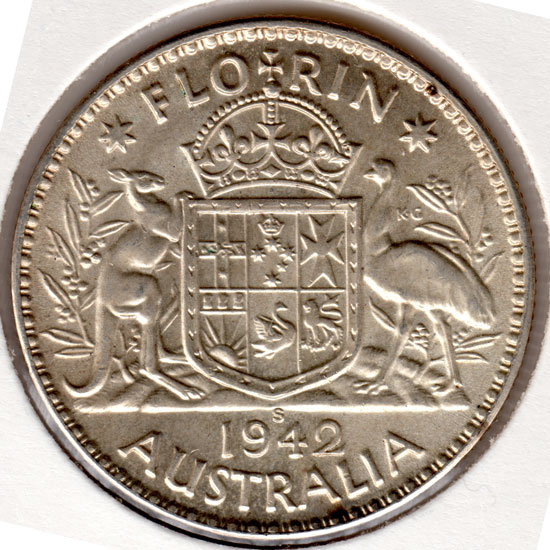
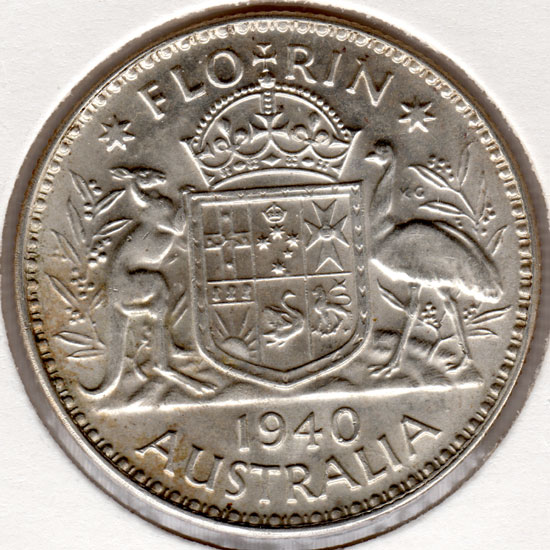
I have sad suspicion that the black spot is an oxidation spot.
Fortunately, very small.
Oxidising agents are oxygen (obvoiusly), chlorine and sulphur, producing
oxides, chlorides and sulphides.
They are all black and probably have eaten into the surface by a micrscopic amount, and are strongly attached to the surface.
I doubt if acetone will have any effect, but try that solvent first because no damage will be caused, and the spot may be organic, but I really doubt it.
IF it were my coin, I would't touch it. Unfortunately, if you REALLY want to get rid of the spot, mechanical removal will have to be resorted to.
If mechanical removal is decided on, try a wet cotton bud, and rub hard. Obviously the results of your efforts will be seen, but the collateral damage resulting from this treatment may be acceptable.
Your risk. It is up to you.
Fortunately, very small.
Oxidising agents are oxygen (obvoiusly), chlorine and sulphur, producing
oxides, chlorides and sulphides.
They are all black and probably have eaten into the surface by a micrscopic amount, and are strongly attached to the surface.
I doubt if acetone will have any effect, but try that solvent first because no damage will be caused, and the spot may be organic, but I really doubt it.
IF it were my coin, I would't touch it. Unfortunately, if you REALLY want to get rid of the spot, mechanical removal will have to be resorted to.
If mechanical removal is decided on, try a wet cotton bud, and rub hard. Obviously the results of your efforts will be seen, but the collateral damage resulting from this treatment may be acceptable.
Your risk. It is up to you.


