Quote:
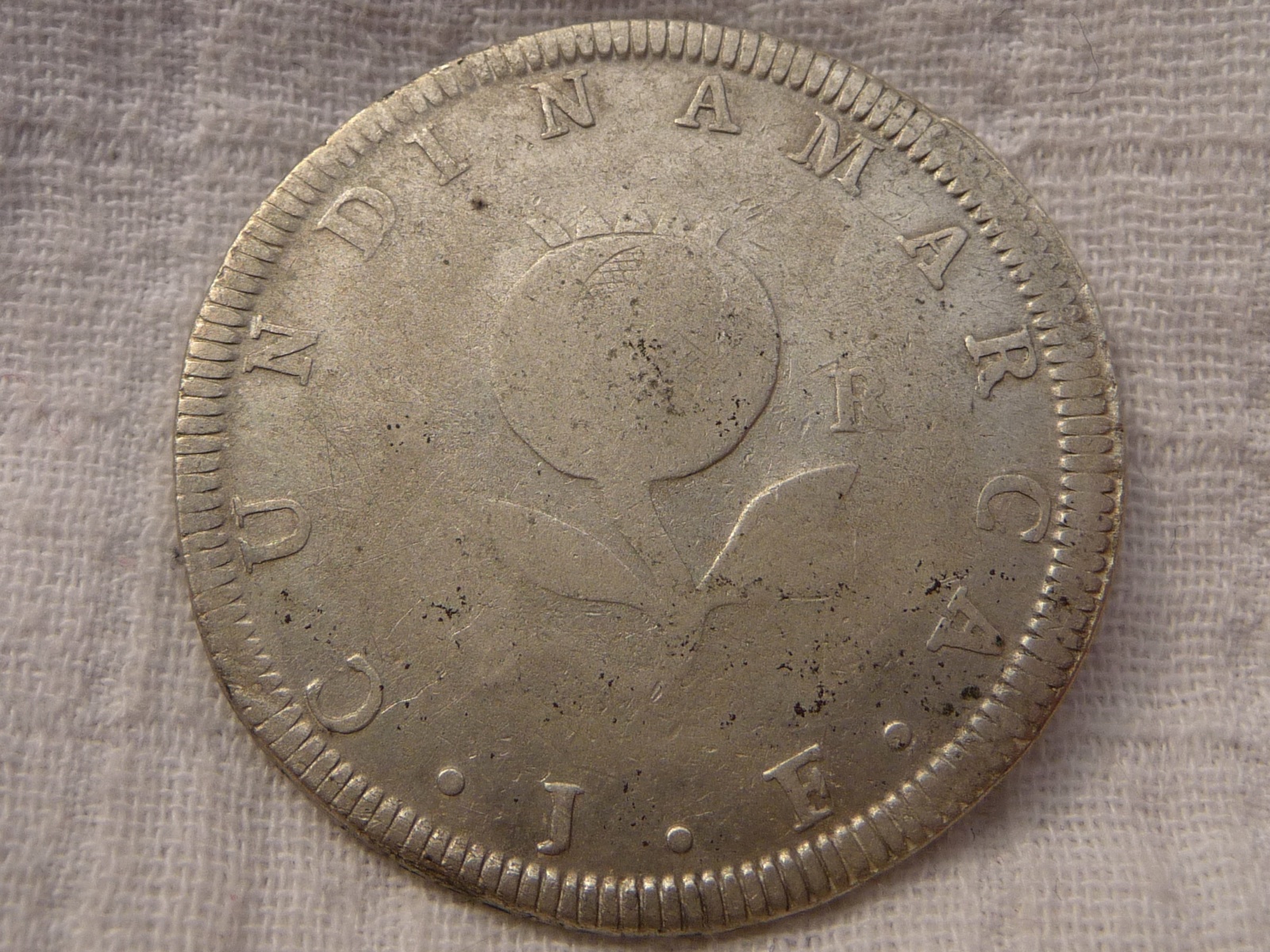
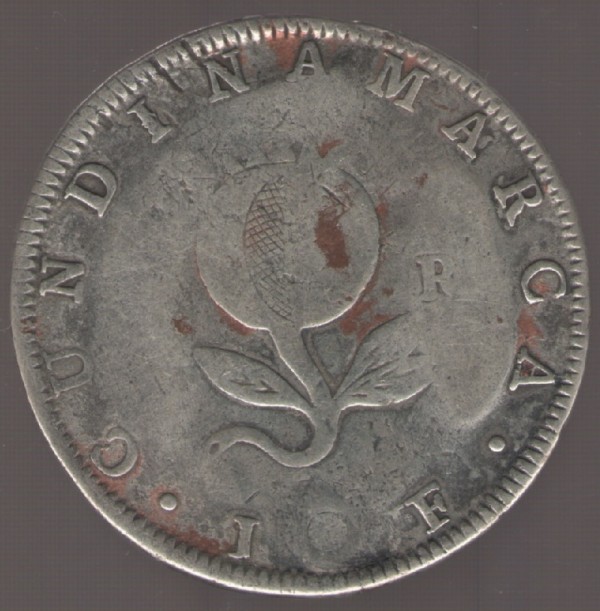
Do you think the pomegranate on the reverse side is a remembrance to the old state's name New Granada?
Yes. "Granada" is the Spanish word for "pomegranate". "Old Granada", of course, is the southernmost province of Spain, the last Islamic principality to surrender to the Reconquest. Old Granada is represented on the Spanish coat of arms by a pomegranate, down at the very bottom of the shield. The islands of Grenada and the Grenadines, both in the Caribbean, are also named after this Granada (though the spelling for these is derived from French, since it was the French that first annexed and named them).
And it took a long while for the "Granada" name to disappear from what is now Colombia. The official name of what is now Colombia changed several times: "Columbia" from 1819-1830 was the name for the unstable post-revolutionary republic that also included what are now Venezuela and Ecuador; it is sometimes called "Gran Colombia" in modern histories, to distinguish it. "New Granada" was the name for the piece of Colombia that is called Colombia today, from 1830 to 1858. Then it changed to the "Granadine Confederation" in 1858, then finally back to "Colombia" in 1863.
I have coins from all of these name changes; I consider them all "separate countries" in my one-from-every-country collection.
Don't say "infinitely" when you mean "very"; otherwise, you'll have no word left when you want to talk about something really infinite. - C. S. Lewis










 Thank you very much.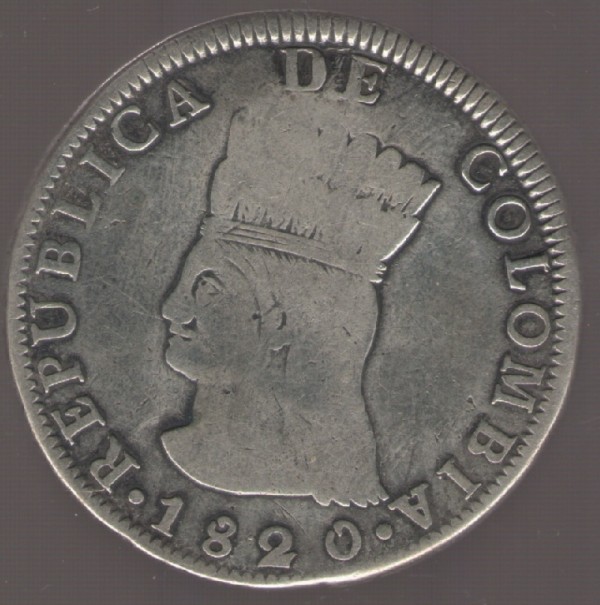


 Posted 10/02/2012 3:29 pm