| Author |
 Replies: 22 / Views: 3,172 Replies: 22 / Views: 3,172 |
|
Valued Member
494 Posts |
I've been trying to find info on coin extraction from concrete, but haven't been able to formulate a decent plan that won't destroy my finds.... so I turn to the brightest people on the planet! CCF'ers !  My uncle as a child/teen would "pitch pennies" into a crack on the side of my grandma's house between the foundation and driveway. This was around 1958-1964ish? My mom estimates that there is probably over $15 in pennies, nickels, dimes, quarters, and halves in that hole that accumulated over the years  . The tough part is that around the early 70's my grandfather sealed the gap (which is around 4 inches or so at its widest) with DIY concrete. So... my question that needs your input is... How in the heck do I get that change outa there without destroying the pieces? (more than already done) Should I cut around the gap and extract the sarcophagus to then chisel them out? Is there a type of concrete dissolving solution that you know of that wouldn't harm the foundation? Need some creativity - maybe from some engineers that are familiar with concrete - or even archaeologists. Heck - all good ideas welcome! .... keep in mind if I tore up the driveway/harmed the house in any way - not only would it not be worth it, but my grandma would have a heart attack (she's pushin 90) - non-destructive - or as minimal as possible. Here is a picture.... 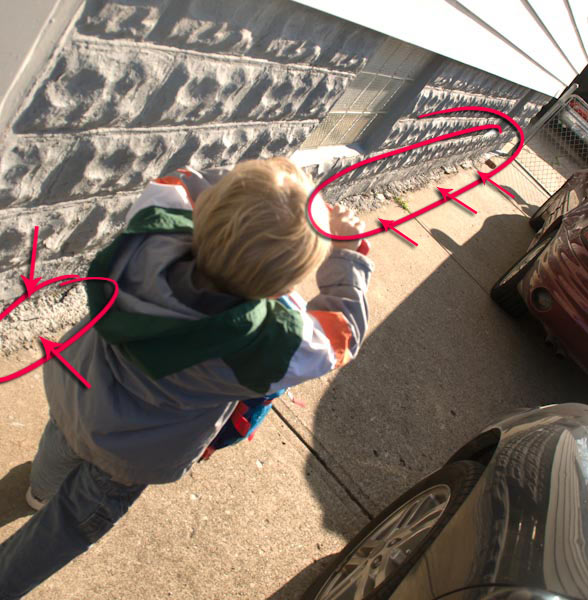 ... mods - if you think this should be in a different spot to get more eyeballs feel free to transport! Thanks!! Edited by Lonz
10/15/2012 4:04 pm
|
|
|
|
Pillar of the Community
United States
1620 Posts |
you can get a hammer drill with a small mason bit and drill several holes around the coin them maybe a small chisel and work it out from the bottom of the coin. I'm sure you'll have concrete stuck to the bottom of the coin and if you get that off it may have some rust damage to the bottom from it sitting in the wet concrete and I'm sure in the 70s they used lime in the concrete.
|
|
Pillar of the Community
United States
1620 Posts |
or just chisel it out by hand with a mason chisel and get you a cheap bag of concrete and get out what you need then fill it back up as long as you dont smash it like a wild bull in heat lol you should be good but. For all you know he could have covered them with dirt then put the concrete over top of the dirt preserving them.
|
|
Pillar of the Community
United States
3540 Posts |
Actually, I do not think this will be a big deal at all. The concrete does not really act like glue, so, if the coins were in the bottom, at most, they will be porous on the side that was in contact with the concrete as it dried.
Safety glasses, three pound hammer, a long/large/dull chisel, some thick gloves....and just break the DIY concrete. No other damage will occur to house or driveway, unless you don't keep that chisel pointed in the direction wanted.
|
|
Valued Member
 494 Posts |
Great ideas!! I'm note sure how far down they are.... assuming 6-10 inches? Sounds like a good approach.
|
|
Pillar of the Community
Canada
9772 Posts |
From what I'm seeing the old cement is not that good, do what others are saying and get a chisel and hammer, cut straight down about a foot or so in and see if you can lift that piece out, when you get that out kept doing the same thing, it will get easier as you go the piece will break off.
Then fill back in with new cement.
Edited by mcshilling
10/15/2012 5:09 pm
|
|
Pillar of the Community
United States
2335 Posts |
It looks like he just poured concrete over the crack. If he filled the hole with dirt before he poured the concrete an application of a 3lb hammer to the top of the lumps should break it allowing sections to be removed. If he didn't fill with dirt & the hole is much more than 1-2" you will have a lot tougher job.
|
|
Rest in Peace
United States
7075 Posts |
 I think you will need the patience of an archaeologist. and maybe some of his tools. Actually, it sounds like a fun project and I hope you find some good coins. |
|
Pillar of the Community
United States
620 Posts |
Hammer and a good masons chisel. Take your time and you
should be able to chip out the diy concrete, and save
most of the coins. Odds are many of the coins are in the dirt under
the concrete. So once the crack is opened up you should
be able to extract your treasure with ease.
Good luck and hope you get to the coins, and once there
they are worth the trip.
|
|
Pillar of the Community
United States
8904 Posts |
Quote:
Hammer and a good masons chisel. Take your time and you
should be able to chip out the diy concrete, and save
most of the coins. Odds are many of the coins are in the dirt under
the concrete. So once the crack is opened up you should
be able to extract your treasure with ease.
Good luck and hope you get to the coins, and once there
they are worth the trip. IMO, Capt Morgan has the solution. The DIY concrete should only have bonded to the other previously poured concrete superficially. The DIY concrete should come right out after you break it up. Use a good set of goggles for safety!! and...  |
|
Bedrock of the Community
United States
14454 Posts |
do you not think that you may find allot less coins than the $15.00 worth that they are telling you that is there because I know when I was a kid 10¢ would be $10.00 now if I were to tell a story about it (kind of like the fish that got away that gets bigger and bigger each time you tell the story). I think you will pay more for the concrete to fix the damage you cause then the coins would be worth. If they are wanting the concrete out of there anyway then by all means just bust it up and see how it goes. I really doubt very many would be stuck in the concrete as others have said because as it looks he just filled in the gaps. If you bust it up chances are all the coins will still be laying underneath it and not stuck in the concrete
|
|
Pillar of the Community
United States
1903 Posts |
These coins are gonna be in lousy shape as it stands due to the highly caustic chemistry of concrete. The coppers will be all but ruined and the silvers will be just melt value so I say...bang away and have fun....damage is already done, you won't do much more.
|
|
Valued Member
494 Posts |
Awesome input everyone! I will have a camera crew ready for the excavation so you will have all the documentation - I sure hope $15 isn't $1.50 - LOL! What was the average pocket change back then anyways? Obviously silver, and wheats... how common were IHC's in change during the late 50's? Hopefully some Mercs, War Nicks, maybe a couple Franklins? I'll try to do it sometime this week - if not the weekend. I will try a small strip to see what can be done with the advice given.... time to get a dull chisel... |
|
Valued Member
United States
116 Posts |
shouldnt matter how much they are worth, but the fun of digging them up and possibly rescuing some nice coins! think saftey and make sure to update us! I wanna see what you find!
|
|
Pillar of the Community
United States
8904 Posts |
Quote:
My uncle as a child/teen would "pitch pennies" I would think most of the coins, if not all, are actually cents.  |
|
Pillar of the Community
United States
2189 Posts |
This could be better than the mystery of Al Capone's vaults! At least you know there are some coins there, can't wait til you start your excavation!
As already stated, were safety goggles. Good Luck!
|
| |
Replies: 22 / Views: 3,172 |








 Posted 10/15/2012 4:14 pm


