| Author |
 Replies: 11 / Views: 4,958 Replies: 11 / Views: 4,958 |
|
|
Pillar of the Community
United States
3499 Posts |
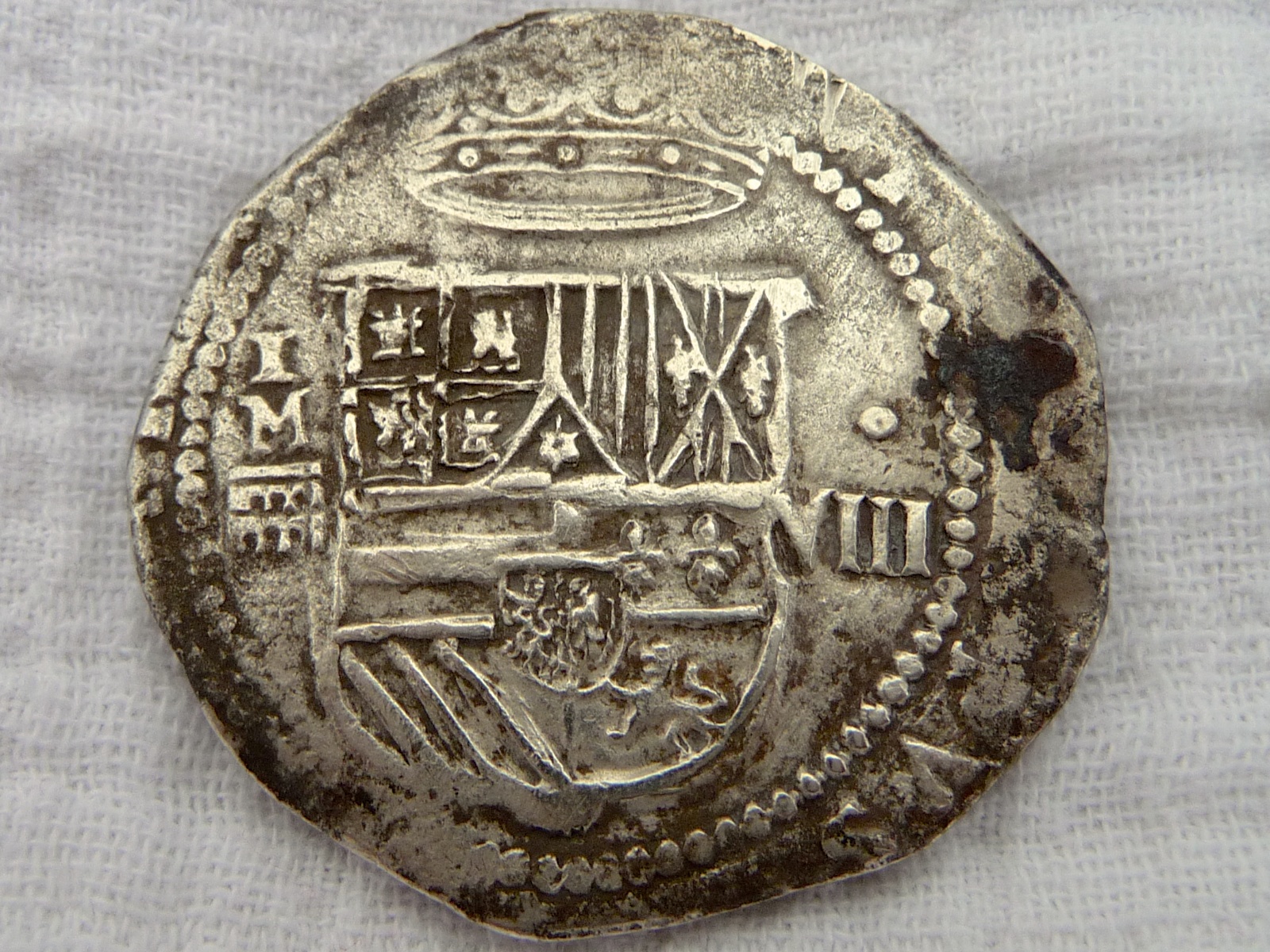
I just got this coin, and I must admit that I have little experience with Cobb 8 reales. It weighs 20.35 grams and it is 1 1/4 inches by 1 1/2 inches at its widest points. Of course, if it is real, then there is always the possibility that it has been clipped. Also, although there are some darker spots on the surfaces, I do not see any signs of casting. And the coin feels rather dense when in hand, so it does not feel like the common Chinese cast fake yuan. Any thoughts on this matter would be greatly appreciated! 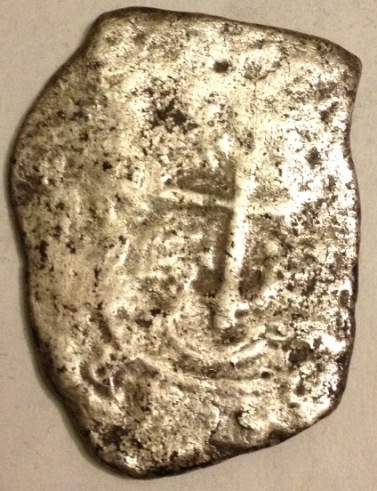 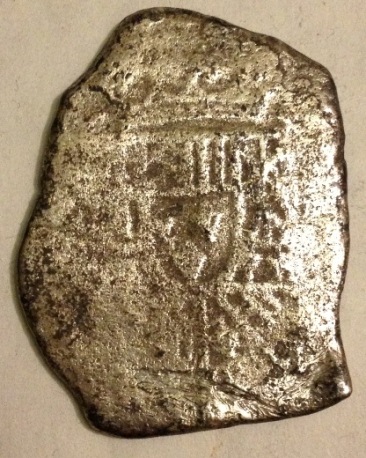 Edited by Archraz
12/08/2012 9:38 pm
|
|
|
|
Pillar of the Community
United States
1801 Posts |
Looks real in the picture. IMHO it is light because it looks like it is a salvage piece, either land or water. Sea salvage coins tend to be light as the sea water corrodes away the silver. I have many pieces that look like yours and I know they are real because I picked them up off the bottom myself. The blackness could be remaining silver oxide from the corrosion process. They are most often all black when brought up. The only way to be very sure it is real is to do a specific gravity test to determine the silver fineness. If there are no signs of casting after checking the edge carefully for a seam then I would vote real.
|
|
Pillar of the Community
 United States
3499 Posts |
jfransch- Great! Yes, I see no signs of casting, and it really does seem to be a fairly heavy coin for its size. And, I suppose, that the fact that it sounds of silver also supports my suspicions that it is real.
|
|
Pillar of the Community
United States
3499 Posts |
Also, any guesses as to the time period that the coin was minted? Based upon the design, is this coin most likely from the 17th century?
|
|
Pillar of the Community
United States
1801 Posts |
The design on the shield (it is Bourbon Shield) make it a Phillip V coin 1700-1746 with a partial year off in 1724 for Luis I who dies the same year. Here are a couple of your cob's brothers fresh off the bottom 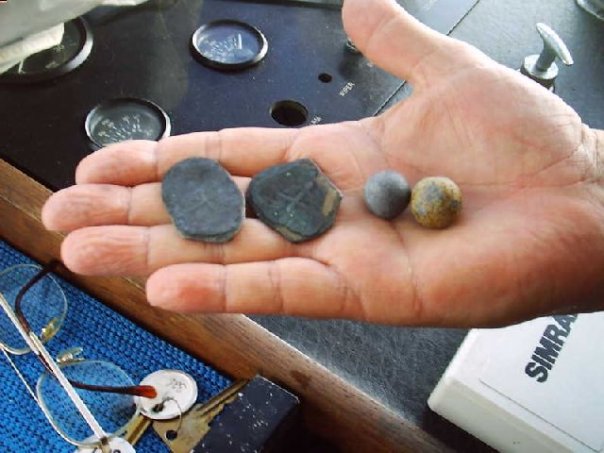 |
|
Valued Member
United States
80 Posts |
Agree. Also cross indicates Mexico mintage.
Mike
|
|
Pillar of the Community
United States
1962 Posts |
Mexico 8R, shield style of 1714-1724... can only see one castle on the cross side (proper rotation, FYI, is 90 deg. counter-clockwise), so I can't the pinpoint the date range for that... Now, looking carefully, there are two fleurs for the Burgundy sector of the shield... which I think should put it as 1714 or 15. Thus, it likely claims to be 1715 Fleet salvage.
That weight would certainly be commensurate with that amount of sea-corrosion. That said, I don't like the look of this piece - too much in the way of discrete pores on the obv, and especially the extreme mushiness on the rev. This was either someone's weekend garage project to make a cast of a 1715 Fleet piece. The other possibility is that was a Treasure Coast beach find that was cleaned "ham-handedly" (a term I saw recently that I liked), really doing a number on the surfaces.
There ARE casting methods that don't necessarily leave the seam, FYI... would it even be possible to identify a sprue on a piece like this?
jfransch - as John Lorenzo has pointed out, copper likes to leach out since it's so reactive, so this piece would likely likely have a density closer to that of pure silver as opposed to the 0.931 pure alloy this in theory should be made of... That said, IF this was a cast, it DOES have the look of being made of silver. However, I would think a cast (as opposed to a hammered cob) would have a lower NET specific gravity since there would be more air pockets/bubbles trapped within the planchet.
|
|
Pillar of the Community
United States
3499 Posts |
jfransch, mikelley, & realeswatcher- You guys are amazing! Thank very much!
|
|
Pillar of the Community
Hong Kong
1270 Posts |
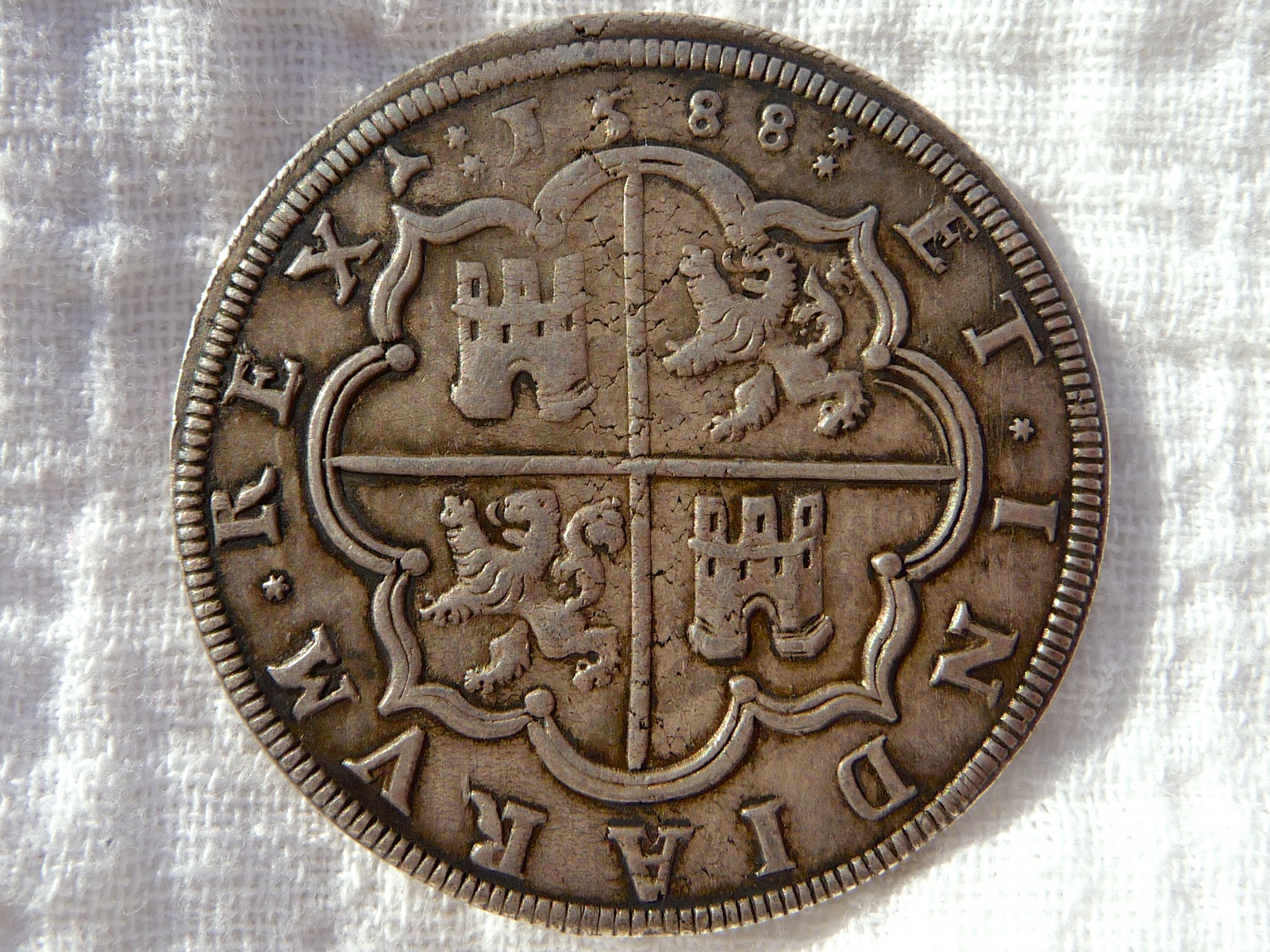
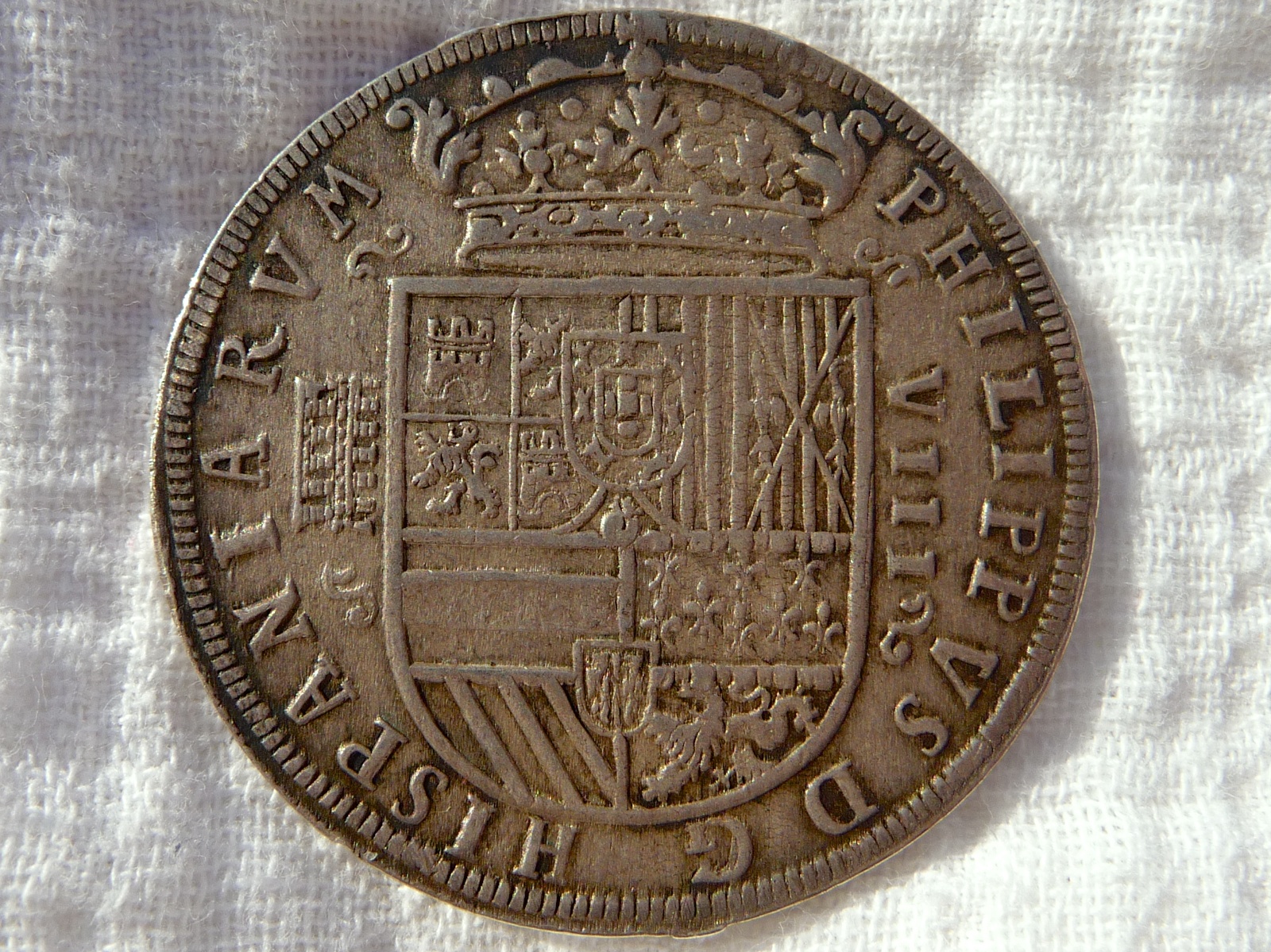
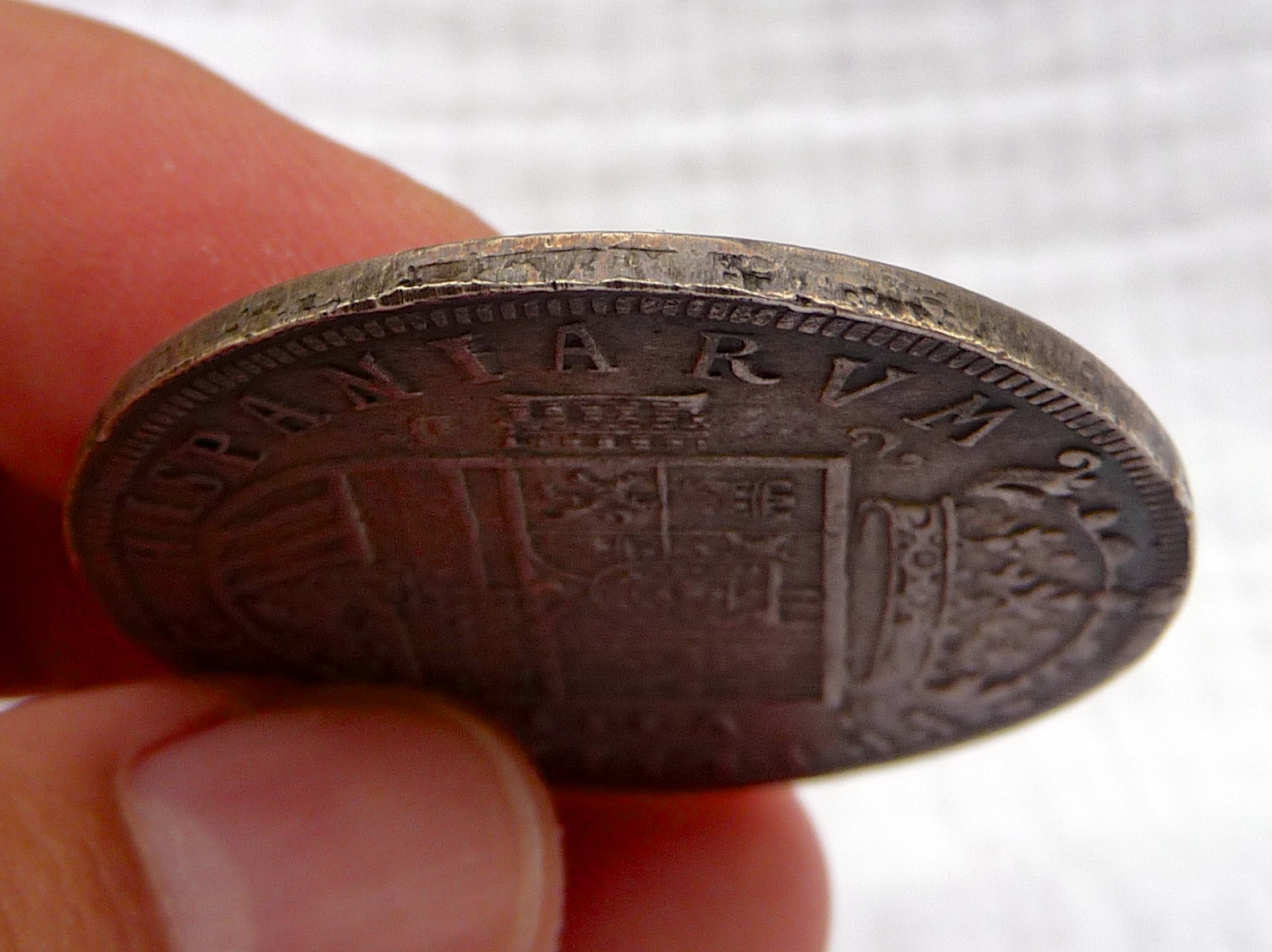
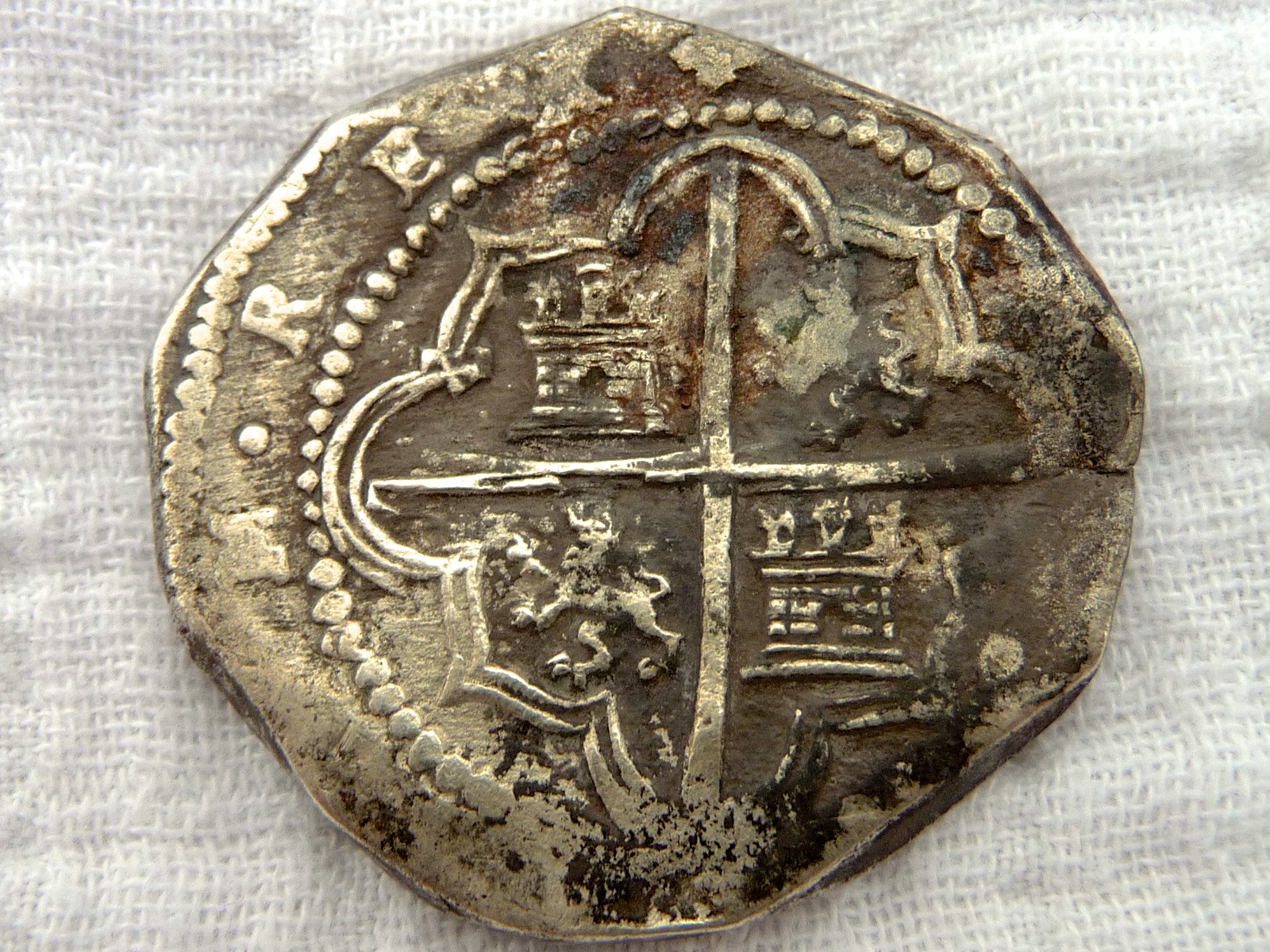
Hello group, I own only one Spanish colonial cobs because these Spanish coinage is hardly understandable. For this cob, I can't tell anything about it but the information was supplied by a reputable seller. It was from Segovia Mint during the period of Philip III's reign, 1598-1621. This cob is weighted 27.11 grams. My question is: The intention in minting these crude cobs was a way to produce an easily portable silver from the New World such as Mexico and Bolivia back to Spain in shortest time. But was it possible to produce such crude cob in Segovia? Why didn't produce the Spanish 8R as a currency there but still produced these crude silver planchets. The disadvantage of producing cobs would attract couterfeiting. I have no reference to tell the coinage of cob in Spain. Is there any expert who can tell this cob was really from Segovia? 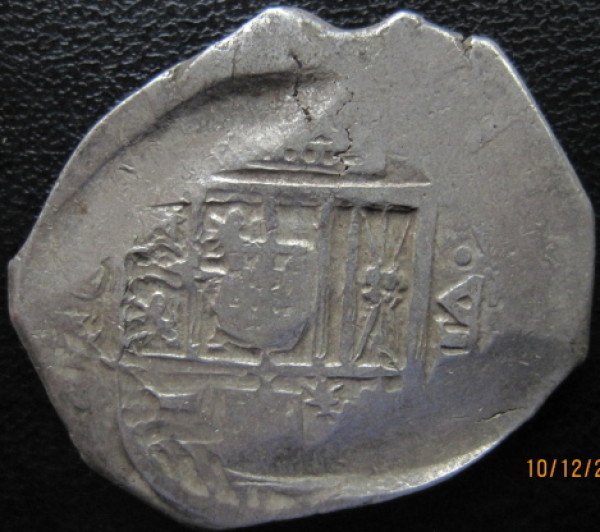 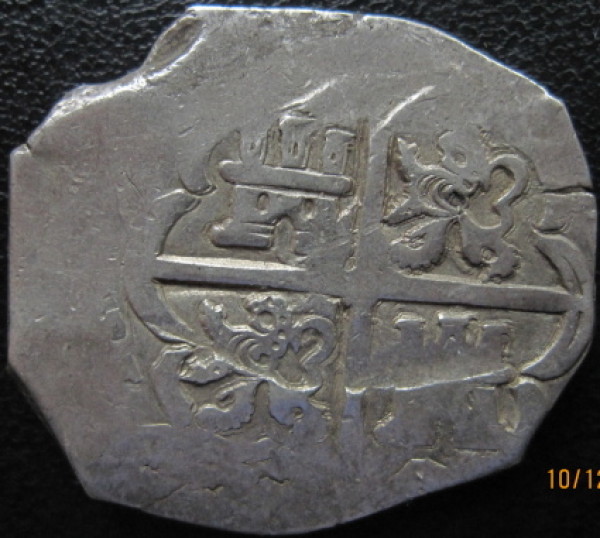  |
|
Pillar of the Community
United States
1962 Posts |
Even more prevalent than counterfeiting, it invited clipping some silver from the genuine pieces...
I think the simple answer to why the Spanish mints still made cobs was because of lack of proper technology to do otherwise. The only Spanish mint that produced "modern" (rocker press) coinage up until the mid-1600s actually was Segovia... I assume cost or technical difficulty kept them from doing it at all of the mints. Now, Segovia did also produce some cobs until around 1662 at the same time as the round coinage. Why? I don't know. The cobs are actually rarer to find, in my experience. Auctions regularly contain "rare" $1000+ Segovia round 8R, but try to find a Segovia COB 8R...
This piece, however, is NOT Segovia. It is SEVILLE mint, the most common minting place for Spain cobs of this (1620s-1640s) period. The lions and castles, if you are familiar with these, are easily identifiable as Seville. Also, if you look closely, you can make out what you'd expect to see, the bottom 2/3 of a blobbish S mintmark and an R assayer mark. That assayer worked 1625 to 1660-something... your piece looks like typical 1630 or so.
|
|
Pillar of the Community
France
1591 Posts |
Edited by MathieuMa
12/10/2012 4:16 pm
|
|
Pillar of the Community
Hong Kong
1270 Posts |
Thank you realeswatcher, your great knowledge about cobs. Henry
|
| |
Replies: 11 / Views: 4,958 |
|










 Posted 12/08/2012 9:35 pm