| Author |
 Replies: 8 / Views: 1,843 Replies: 8 / Views: 1,843 |
|
|
Pillar of the Community
United States
1721 Posts |
Edited by mds308
02/22/2013 9:19 pm
|
|
|
|
Rest in Peace
United States
10625 Posts |
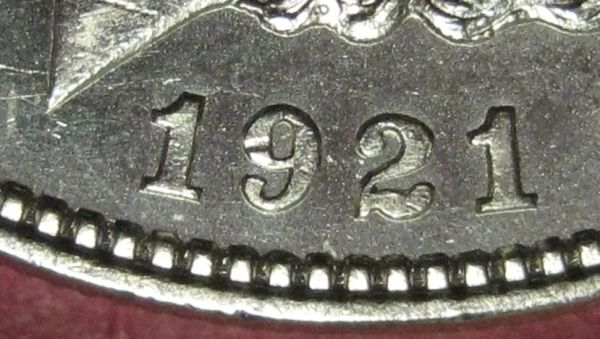
I'm like you, when I try to attribute a '21 my eyes end up crossed. I'm sure SsuperDdave will nail this one, though.
|
|
Moderator
 United States
23522 Posts |
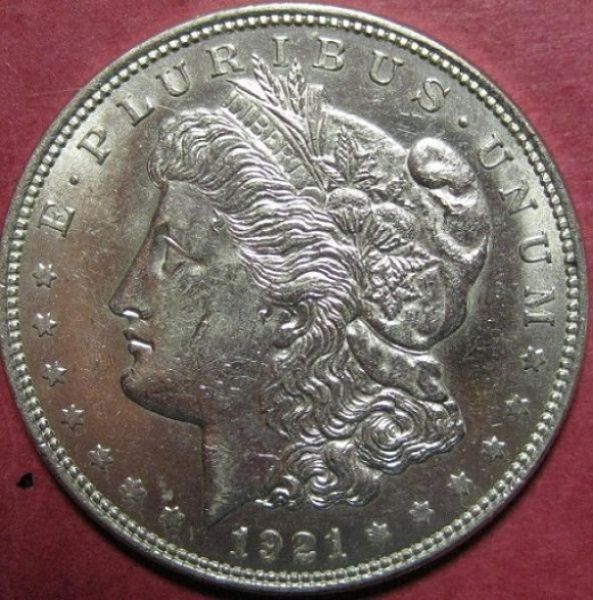
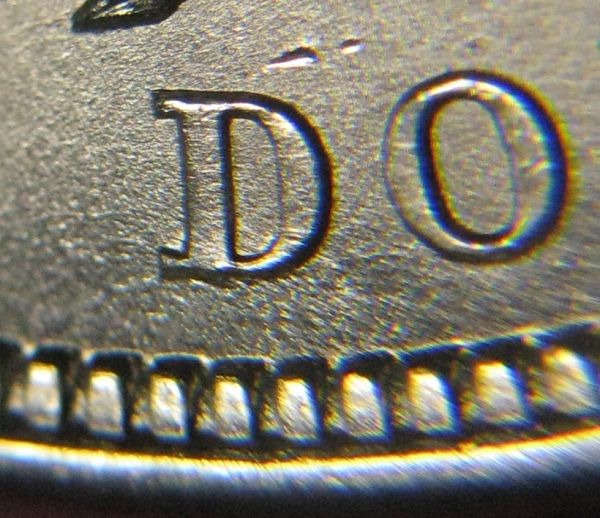
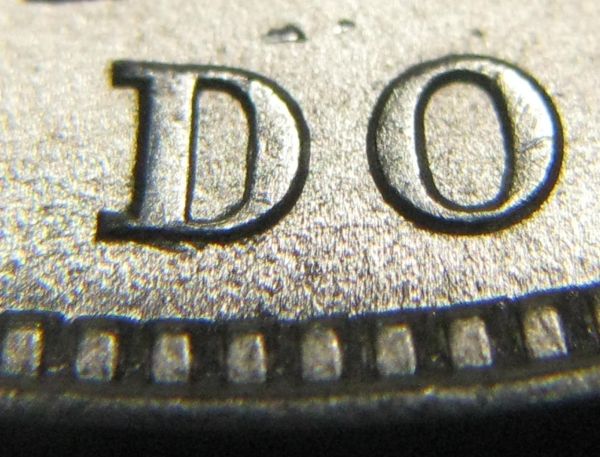
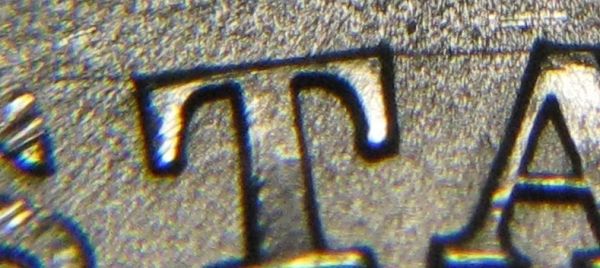
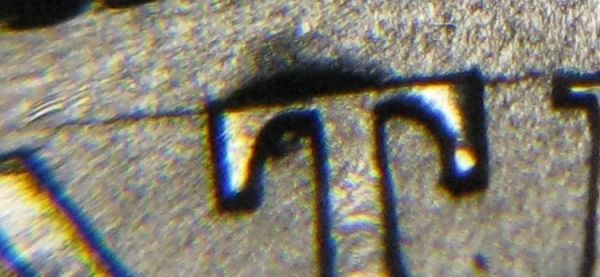
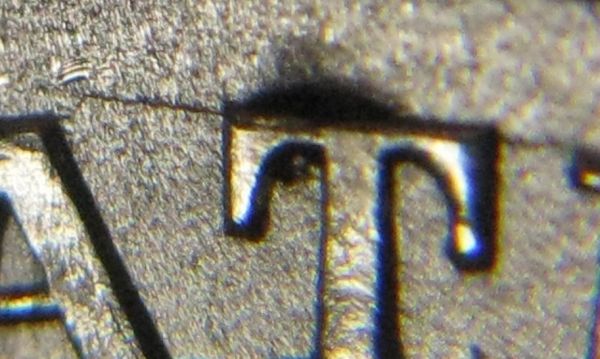
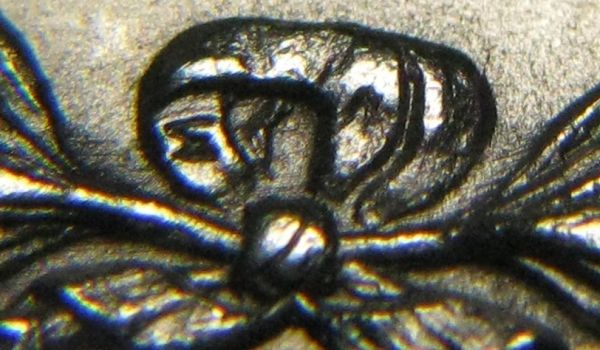
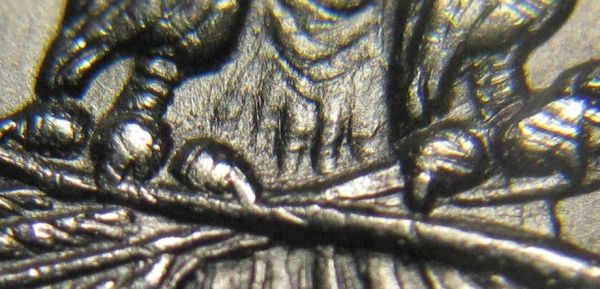
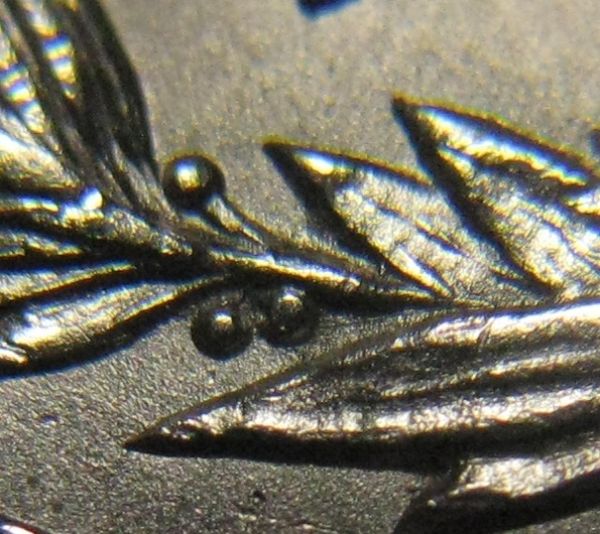
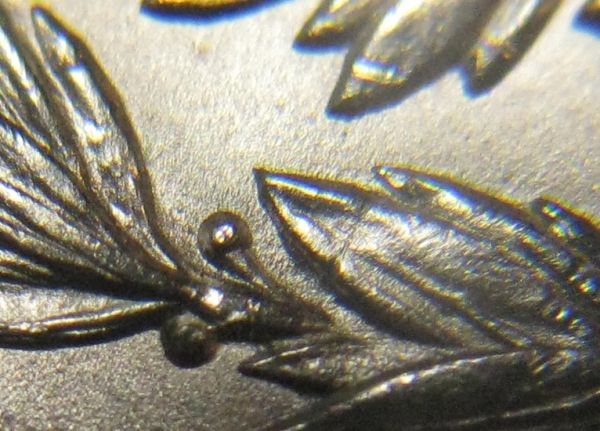
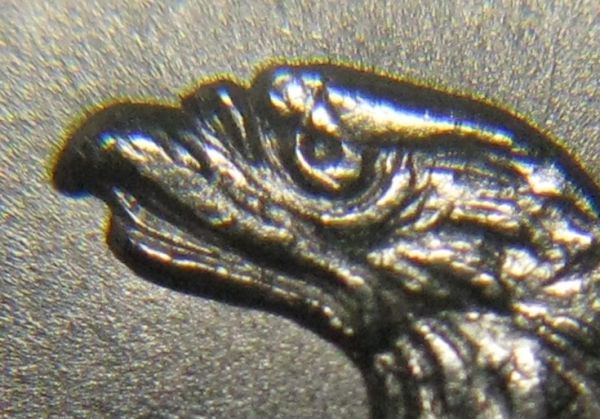
It's an EDS of the VAM-3C series. Have a look at the UN in UNITED for more pitting and (although I don't see it) a cap clash at the right side of the wreath. The clash might not be there. I'll be interested if there's no pitting at the UN - that would be a very early die state indeed, possibly worth noting at VAMworld. Have a look at VAM-3EL, as well; it's been identified as an EDS of VAM-3C. There are a couple of additional markers in that listing.
|
|
Pillar of the Community
 United States
1551 Posts |
When looking at the 1921 P Morgans 1 dead bang short cut is the rusted die type. If you see pitting or "rust spots" 8 types and there are 18 sub type Vams total.
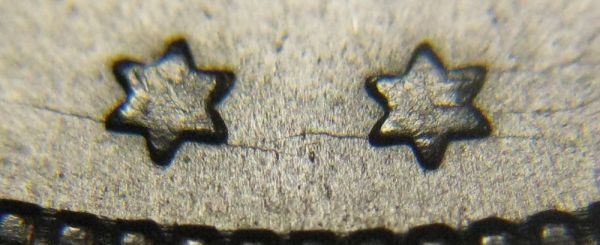
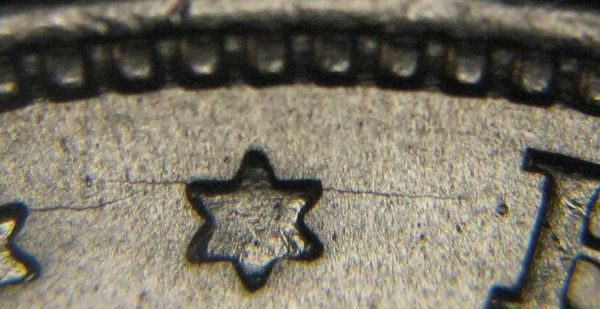
Finding the way to funnel out what a coin is not is the key to Vamming. When you see a letter transfer clash or a large break "Not Crack" things like that give you something to focus in on in the general description. Keep in mind what you are looking at may not be included in the listing. In the 1921 Morgans there are a bunch that are listed with scribbles, many 1921 coins have really cool breaks and cracks. Most of us shy away from the 1921's until we get better general understanding on how to weed tings out thought the Funnel.
|
|
Pillar of the Community
 United States
1721 Posts |
SsuperDdave, twohawks, dave700x, There is a very small amount (but visible) of pitting in the UN. You can see it on the inside of the 'U' and between the 'U' and the 'N.' Barely visible but there. I also found the double 'R' just like in the VAM-3C1. Does this sound correct or do I need to dig deeper?  I think studying VAMS is the best way to learn about Morgans. In fact, it's the best path for learning about all coins. I look at Morgans so much differently now and this carries over into all other coins. It really sharpens your focus and changes the way you study coins. 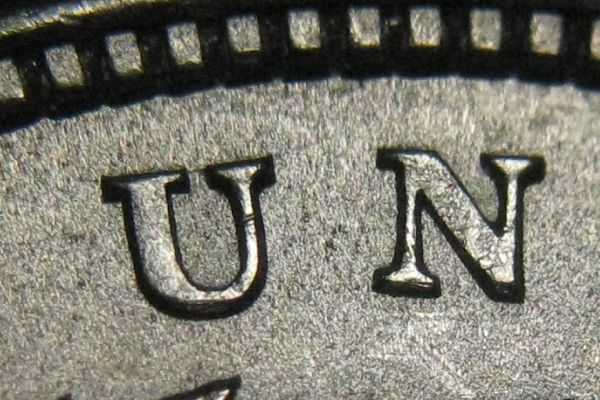 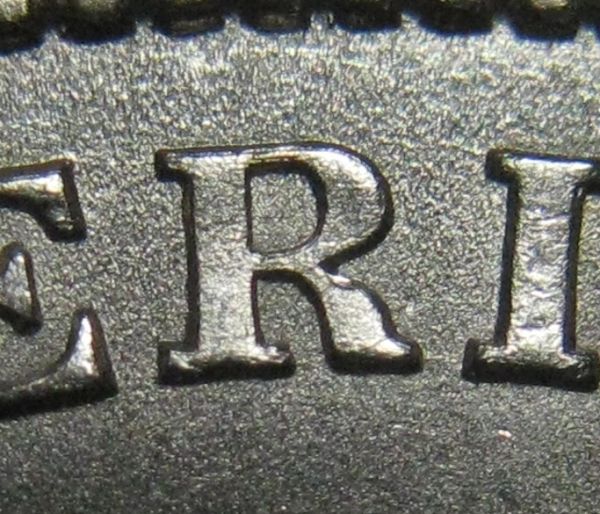 |
|
Pillar of the Community
United States
1551 Posts |
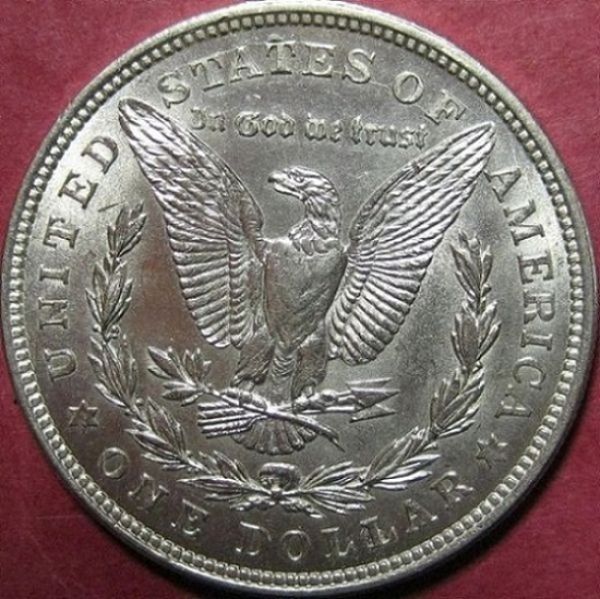
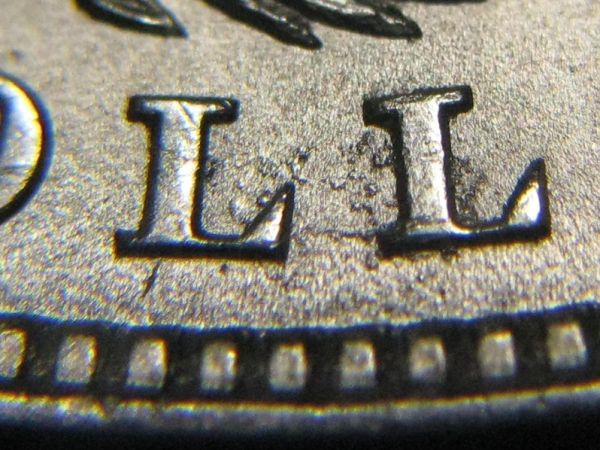
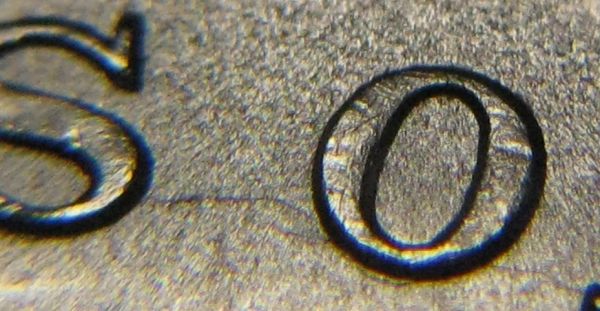
The rust pitting around the LL of DOLLAR is where I would be looking. The light cracks are not going to be listed so its just window dressing. I tend to use the cracks on some to confirm was VAM it may be from the full frame shots on V W |
|
Pillar of the Community
United States
1721 Posts |
I believe it's a very early die stage of a VAM-3C2.
|
|
Rest in Peace
United States
10625 Posts |
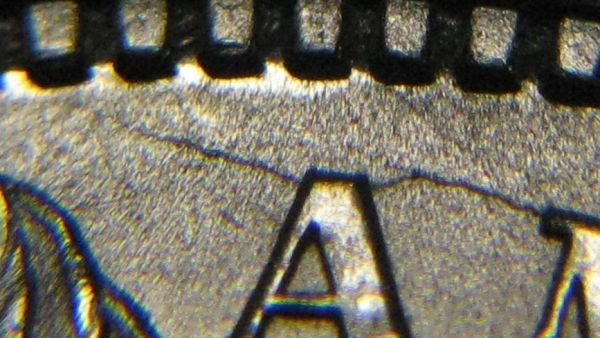
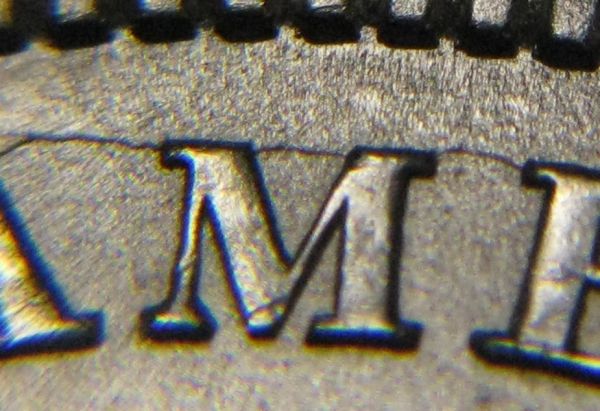
It sure looks like a fit somewhere in the 3C1/ 3C2 area. The die crack over the A in America locks it for me. Nice Hot 50 variety!
|
|
Moderator
United States
23522 Posts |
Fascinating. I'm accustomed to seeing heavier pitting at UN than LL on this one. No clashing?
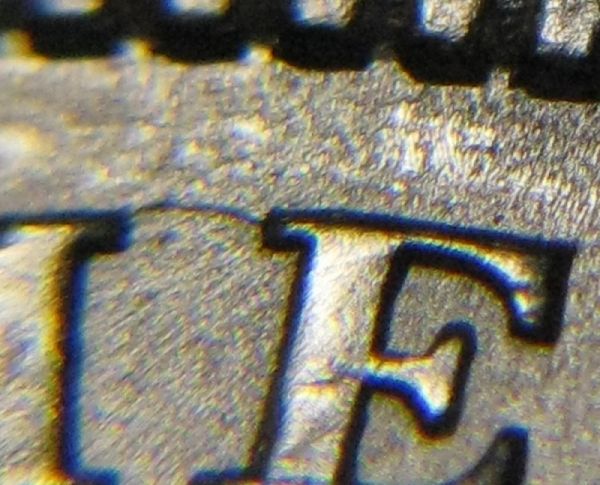
I'm tentatively calling it 3C1; the cracks at the wing/A aren't developed enough for 3C2. There should also be a radial crack at the E in ONE, and one on the obverse from the L in LIBERTY to the U, for 3C2 which I don't see here.
This is a highly thought-provoking coin. One would expect pitting to decrease with die wear, not increase. And when one considers that a maximally-used die (one which lived a complete, appropriate lifespan) only lasts 2-3 days - say, 20-25 hours of actual use depending on striking rate - the concept of a pitting progression becomes all the more intriguing.
|
| |
Replies: 8 / Views: 1,843 |
|










 Posted 02/22/2013 3:37 pm


