| Author |
 Replies: 28 / Views: 7,206 Replies: 28 / Views: 7,206 |
|
Valued Member
United States
462 Posts |
|
|
|
|
Bedrock of the Community
Canada
10743 Posts |
|
|
Pillar of the Community
Canada
937 Posts |
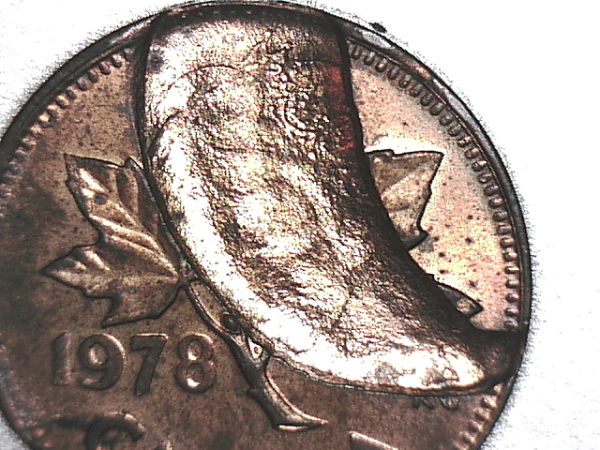
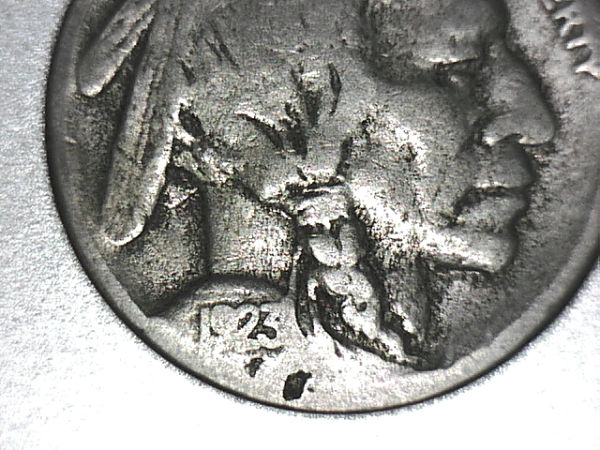
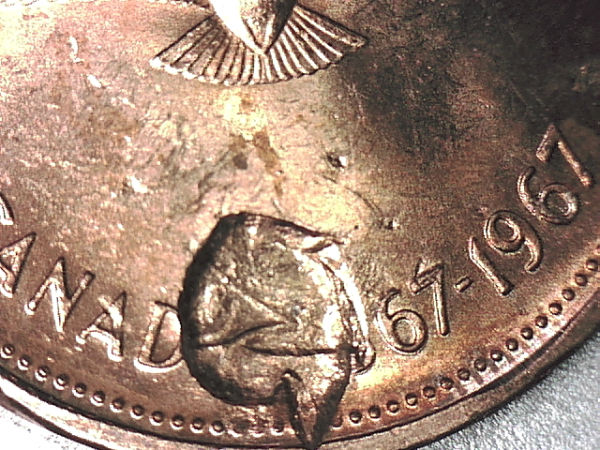
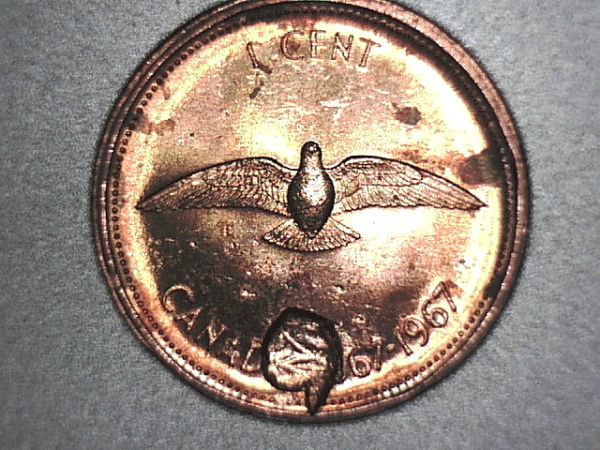
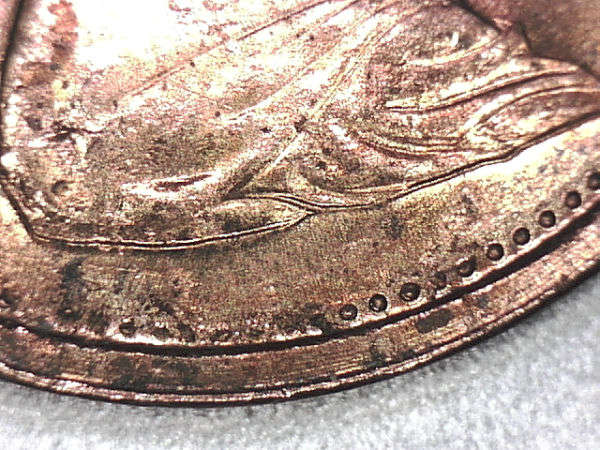
And on a double date penny, too, it looks like.
|
|
Pillar of the Community
Canada
2303 Posts |
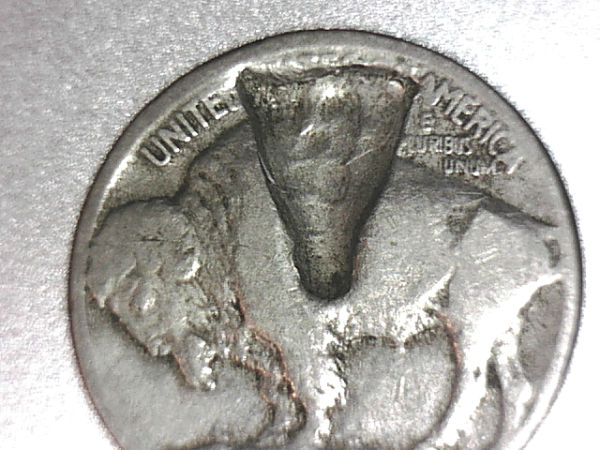
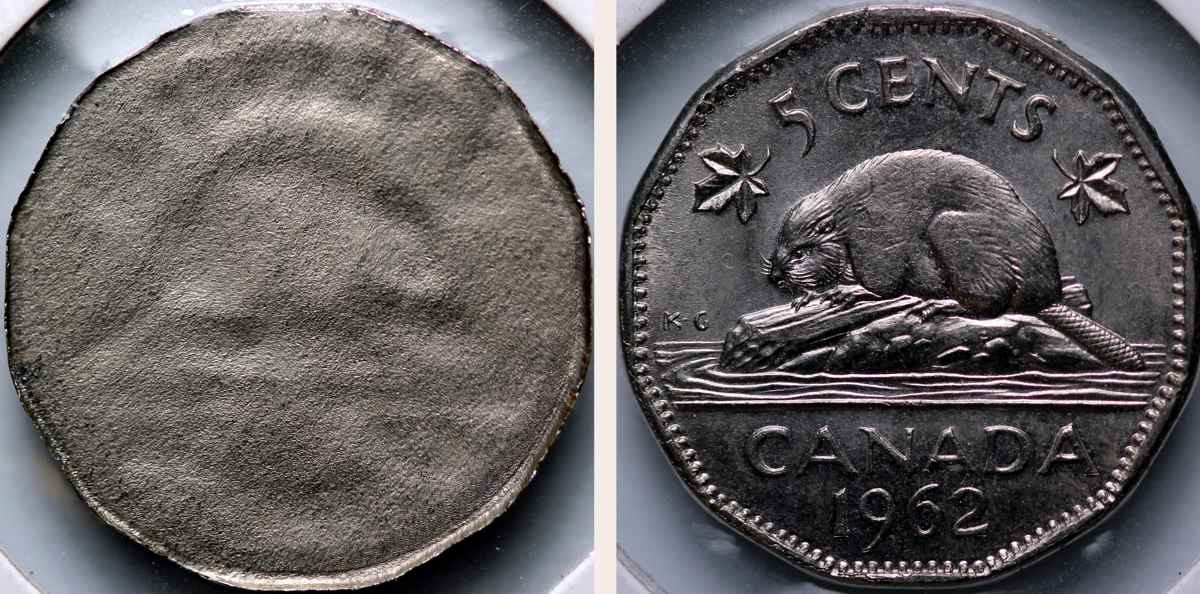
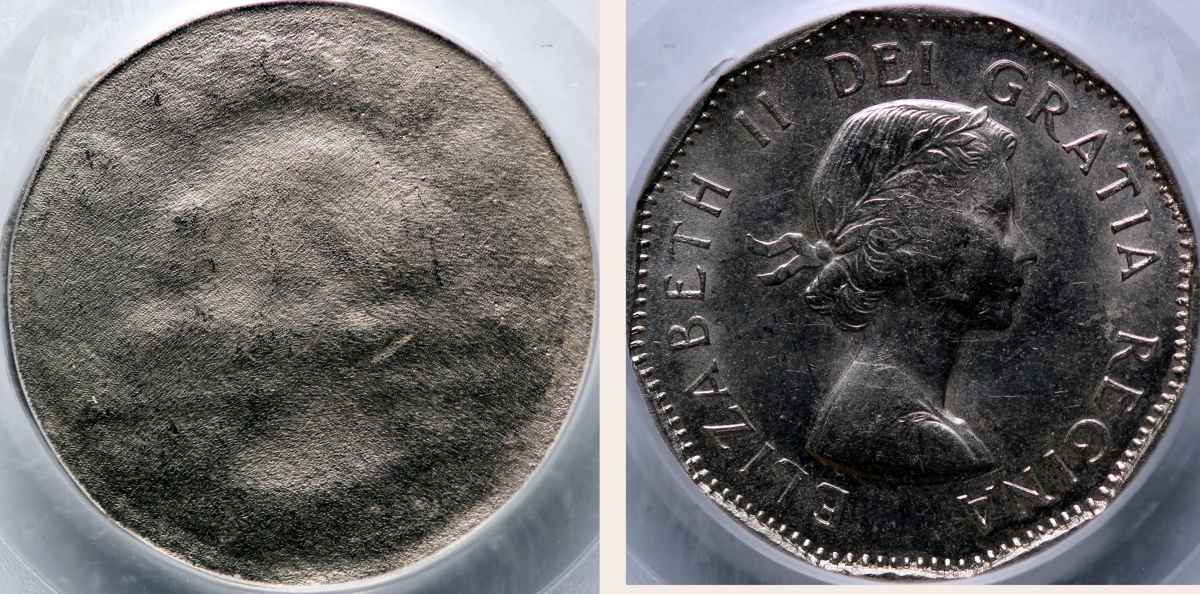
It looks to me that it is a lamination error, a piece has fallen out of the planchet and you are seeing the struck design of the obv. in mirror, not a fragment strike. IMO Still a nice coin.
|
|
Pillar of the Community
Canada
1487 Posts |
Wow nickelsguy, I think the hole is deep enough and you are probably right! For once!!
|
|
Valued Member
 United States
462 Posts |
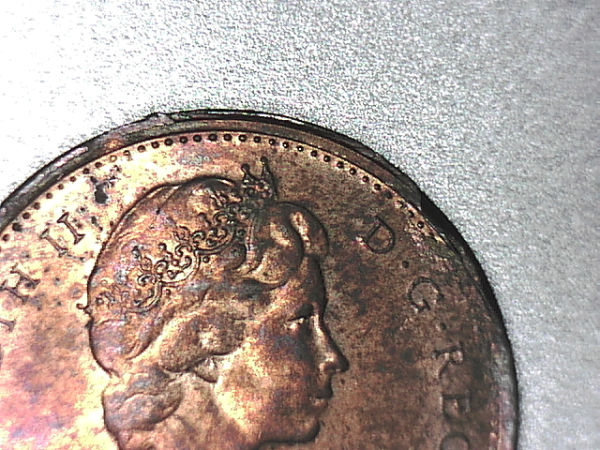
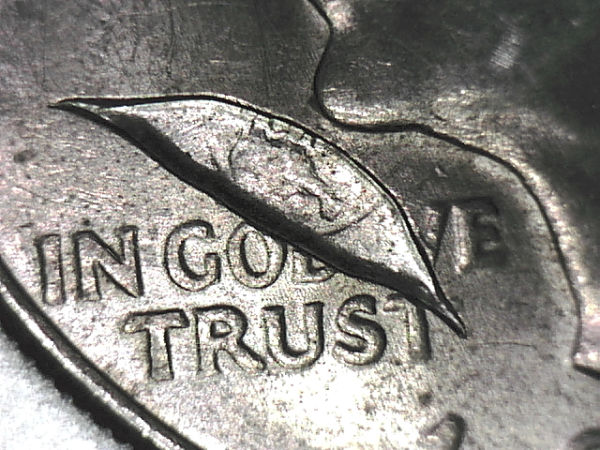
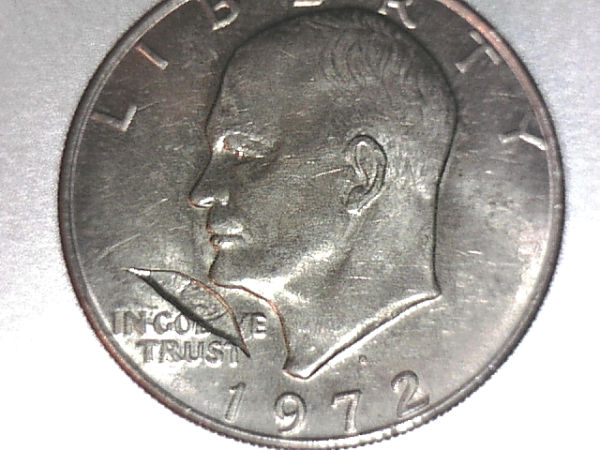
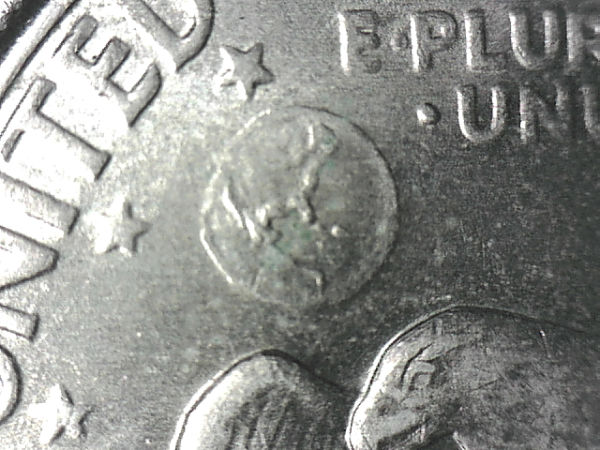
I will post similar error types to this one, hopefully later tonight. For this error to occur, the fragment has to be stuck to the die, then picks up the image of the opposite die as its being struck, then while still adhered to the die, transfers that image to each proceeding strike(s). For the image in the struck through area to be exactly opposite its mirror design detail can't be coincidental from the images I will post later.
Edited by Zimmy
05/22/2013 4:14 pm
|
|
Valued Member
United States
462 Posts |
Edited by Zimmy
05/22/2013 5:58 pm
|
|
Valued Member
United States
462 Posts |
I have numerous other examples if anyone is interested in seeing.
|
|
Pillar of the Community
Canada
1487 Posts |
Only by weighing the coin will you know the answer for sure. Zimmy's version of a strike through a fragment or the other of a lamination error will result in a very thin piece of the coin where the other side shows through. The piece wll very rarely or never be stuck to the die and then transfer the image of the other die onto the next blank. The reason it is exactly in the right location is because the coin is so thin at that spot the opposite side is bleeding through.
|
|
Pillar of the Community
Canada
2303 Posts |
Weight of the coin is essential.
|
|
Valued Member
United States
462 Posts |
I am not sure I understand what you are trying to say Zonad. The example of the Buffalo nickel above is a deep strike through and there is no way the braided hair area would ever look that sharp by "bleeding thru" the fragment. In the case of the queens head area, the image is expanded due to it being the 2nd or maybe third strike while adhered to the die. Coins struck through thin layers have a totally different look than these. |
|
Pillar of the Community
Canada
937 Posts |
Interesting, Zonad. Does that mean that for a very short distance into a coin that the interior metal also carries the pattern? I've heard of that effect years ago, where the police may capture a gun that had its serial number filed off, and a solution of some acid poured over the filed area would make the serial number reappear again. If I recall correctly it had something to do with a localized changed density of the metal where it was hammered with the number punch. Would a coin be subject to the same effect?
|
|
Pillar of the Community
Canada
1487 Posts |
|
|
Pillar of the Community
Canada
1487 Posts |
|
|
Pillar of the Community
Canada
1487 Posts |
|
|
Pillar of the Community
Canada
937 Posts |
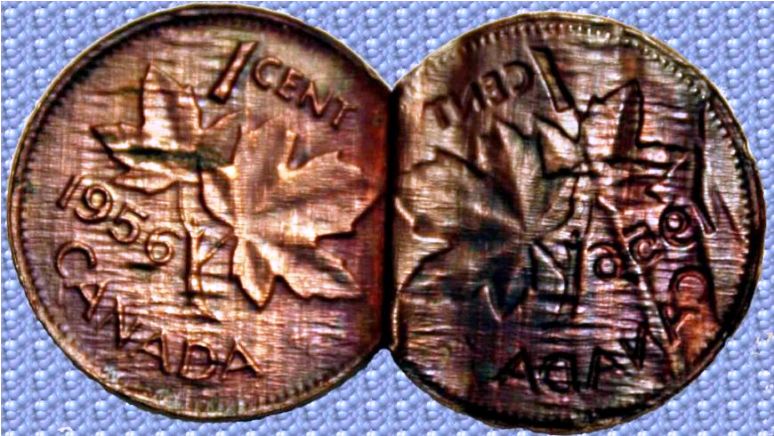
Wow, nice to have those pairs. It looks like the bottom left picture of the nickel also has a faint impression of the queen, in reverse. Actually, the top left picture of the nickel does as well, which would make sense. That coin must've been split fairly evenly in half. Just think, inside the center of each and every coin lies treasure just waiting to be discovered... The penny is remarkable in its clarity of detail. I assume the lamination layer is fairly thin -- almost like a fairly thick foil?
|
| |
Replies: 28 / Views: 7,206 |









 Posted 05/22/2013 05:54 am