| Author |
 Replies: 11 / Views: 1,358 Replies: 11 / Views: 1,358 |
|
|
Pillar of the Community
United States
746 Posts |
|
|
|
|
Bedrock of the Community
United States
62064 Posts |
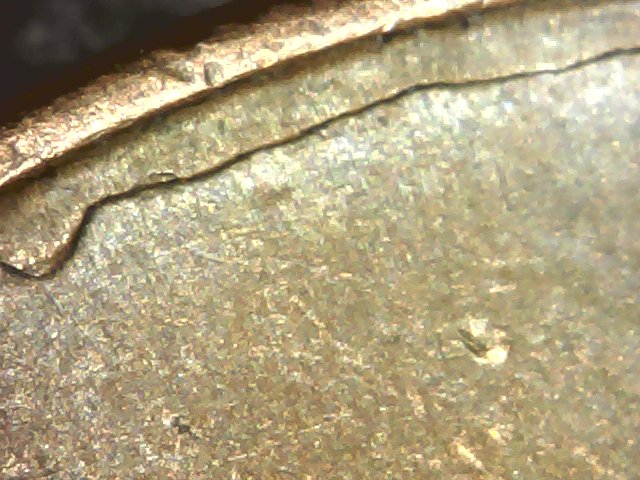
What does the outside rim look like?
|
|
Pillar of the Community
 United States
746 Posts |
Coop...The outside rim looks normal.
|
|
Pillar of the Community
United States
2752 Posts |
Error coin writer and researcher.
|
|
Pillar of the Community
United States
746 Posts |
mikediamond....thank you for the link .Yes it sounds just like the coin I have.
I guess no value on these?
|
|
Pillar of the Community
United States
2752 Posts |
I would think it has some value. There's just not a huge fan base for this form of subtle pre-strike damage. If you're going to pitch it, just send it my way.  Error coin writer and researcher.
Edited by mikediamond
06/08/2013 7:43 pm
|
|
Pillar of the Community
United States
746 Posts |
|
|
Pillar of the Community
United States
2752 Posts |
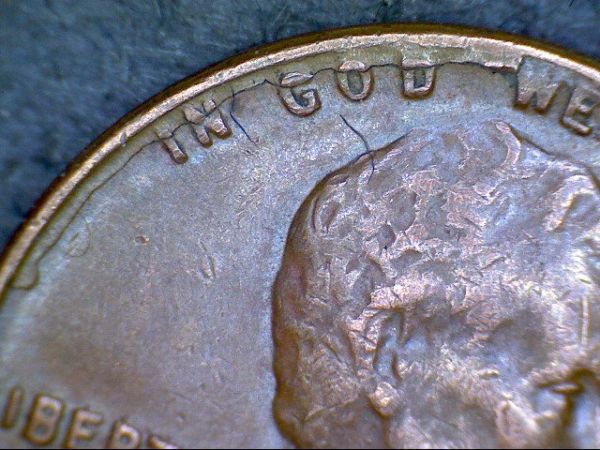
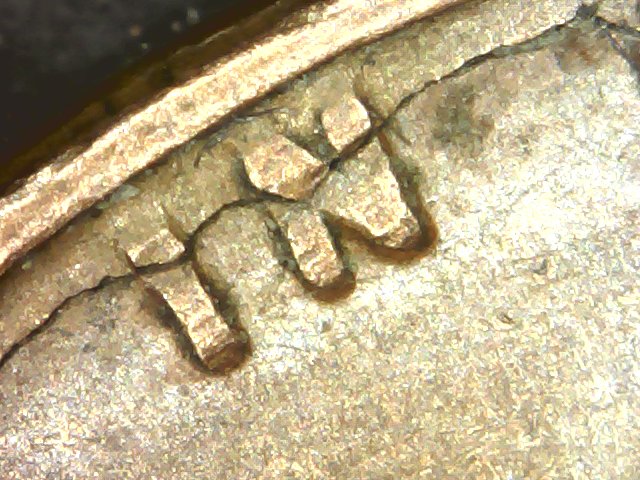
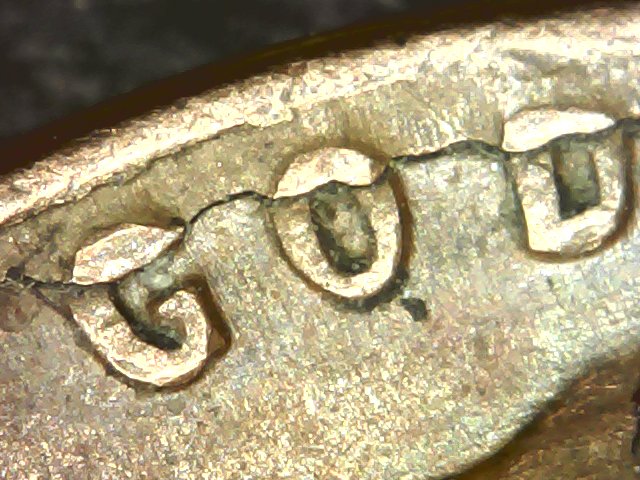
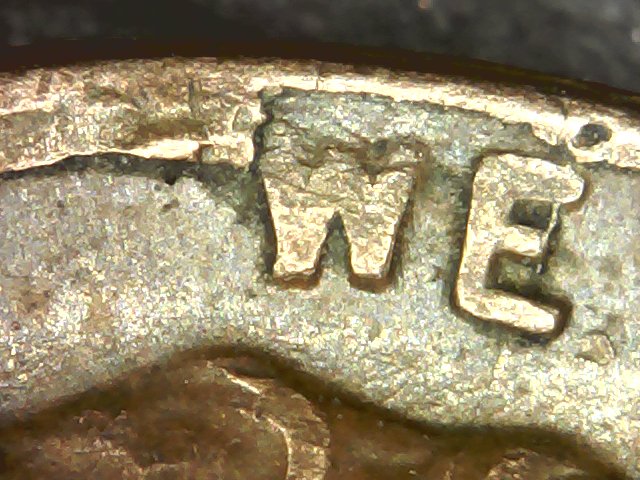
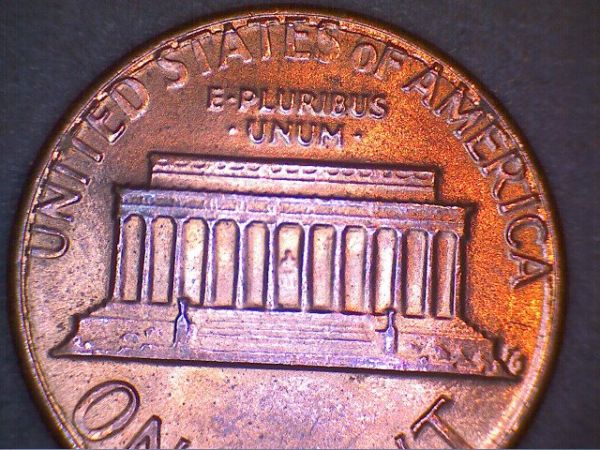
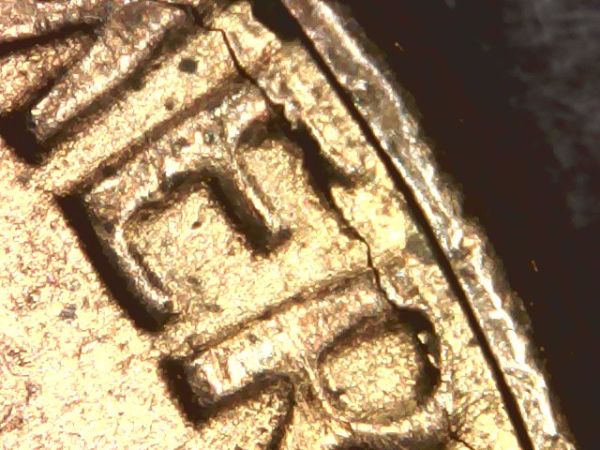
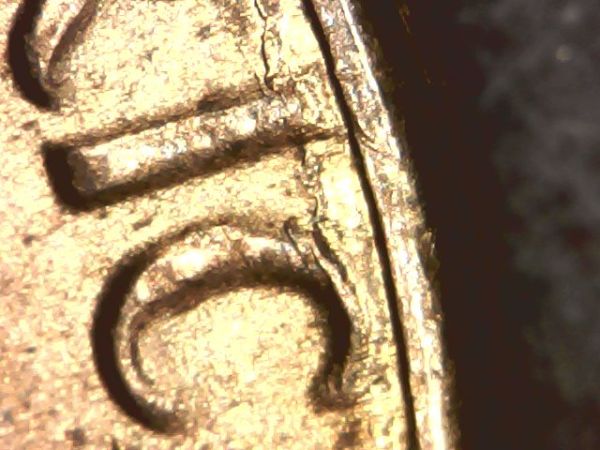
Here it looks once again like the tops of the letters covered by the apron are stronger and clearer than the bottom portion of the letters. That would be consistent with pre-strike damage. Now, if the tops of the letters were less clear, that would be consistent with post-strike damage. You see, the same kind of damage can occur before or after the strike. In most cases it happens after the strike, outside the Mint. When it happens after the strike the thin apron of metal covers the letters and over time comes to mold itself to the underlying relief.
In your specimen I also notice that the top of the W of WE is flatter and less distinct than the rest of the W. This would be consistent with pre-strike damage because when the apron falls away after the strike, you have a struck-through area.
Error coin writer and researcher.
|
|
Moderator
 United States
56855 Posts |
Mike, you said that the 1984-D is pre-plating damage.Obviously the 1964-D is not a plated coin.So how would you label each coin?.Thanks, John1  |
|
Pillar of the Community
United States
2752 Posts |
Since copper-plated zinc cents can be damaged both before and after plating, we can identify specimens with pre-plating damage and others with post-plating damage. Both forms of damage would be subsumed under the larger category of pre-strike damage. Since copper-alloy cents are not plated, we only have to define one category -- pre-strike damage. On rare occasions it's possible to identify damage as having occurred before or after upset, but that is another story.
Error coin writer and researcher.
|
|
Pillar of the Community
United States
746 Posts |
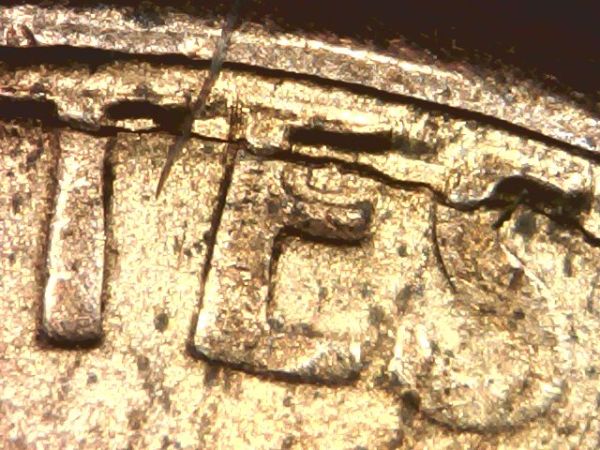
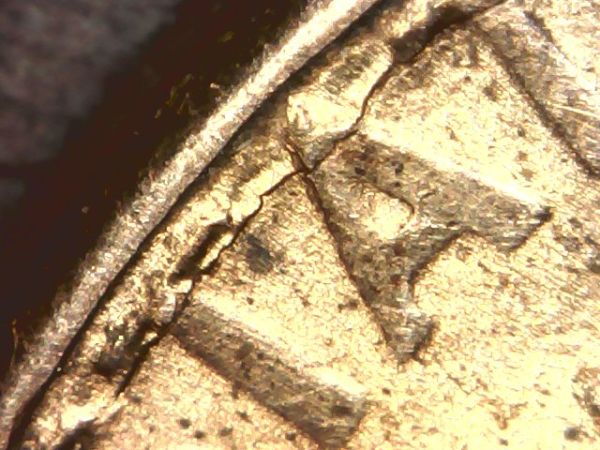
Very interesting.I do have a couple pics of a coin that is a bit similar to my other 2.But here I know it is PMD. Took me a while to find those pics.I misplaced the coin  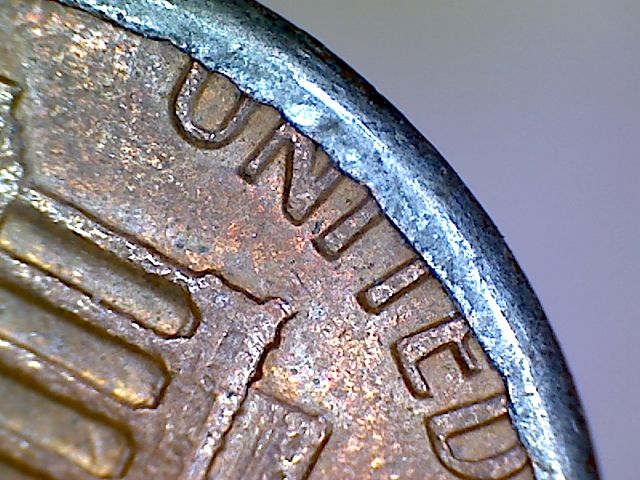 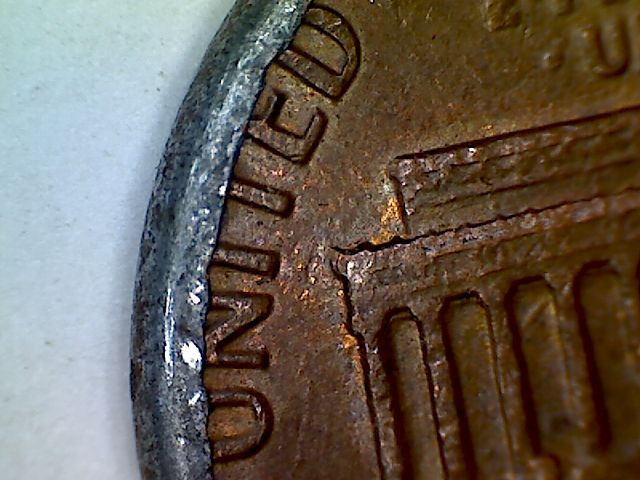 |
|
Pillar of the Community
United States
2752 Posts |
Yes, this is post-strike damage. Most of the time this sort of damage occurs after the strike. I never use the term PMD (post-mint damage) because similar sorts of damage occur inside and outside the Mint. Error coin writer and researcher.
|
| |
Replies: 11 / Views: 1,358 |
|







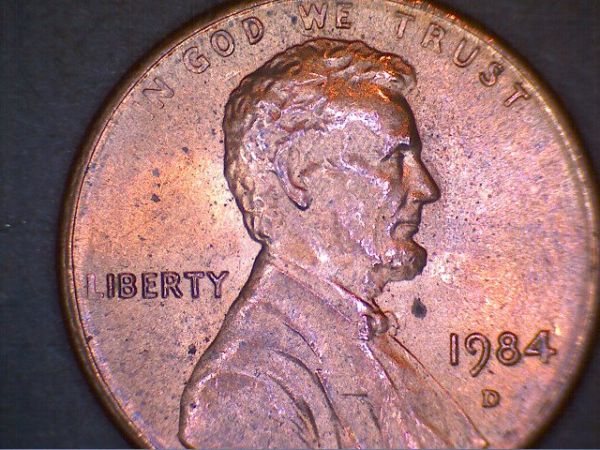
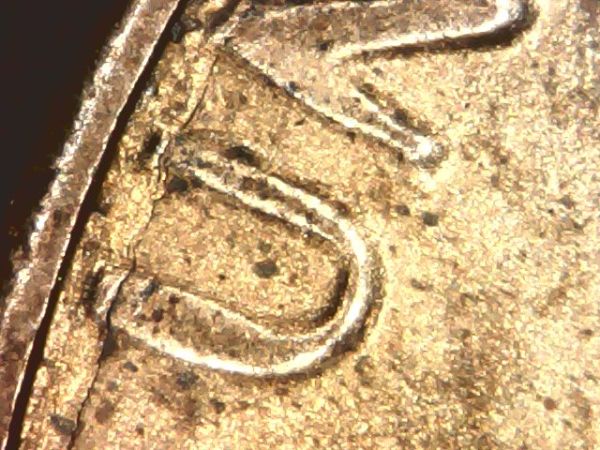
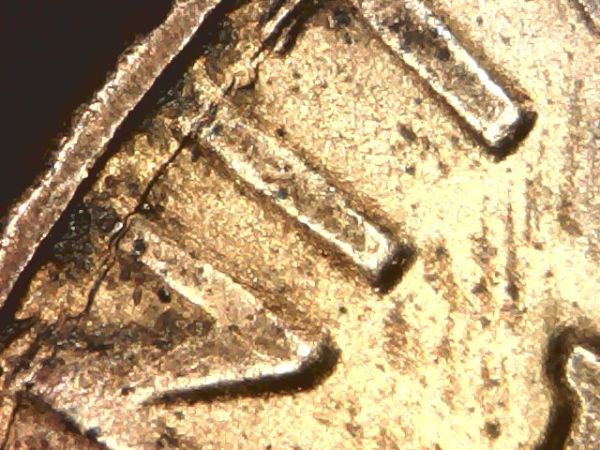
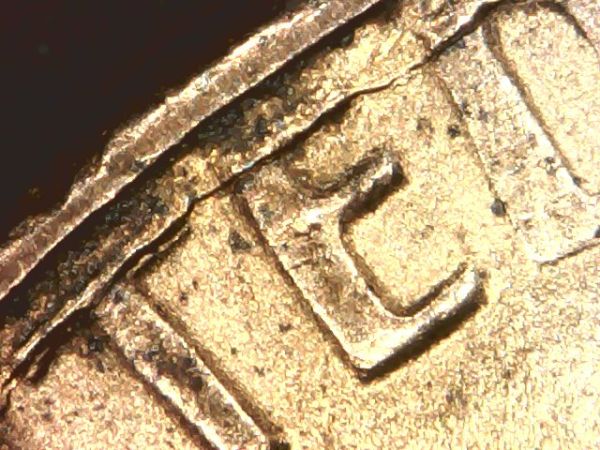
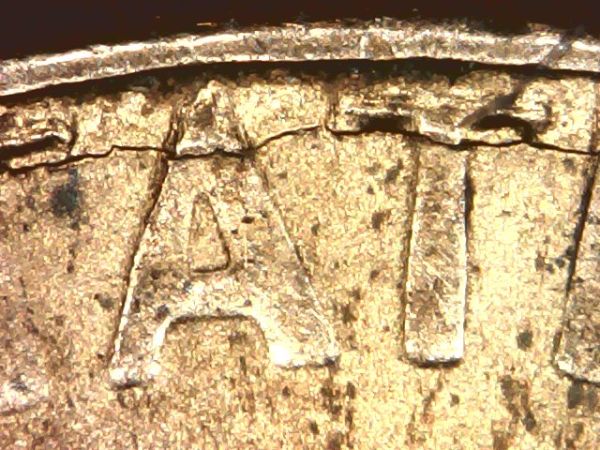
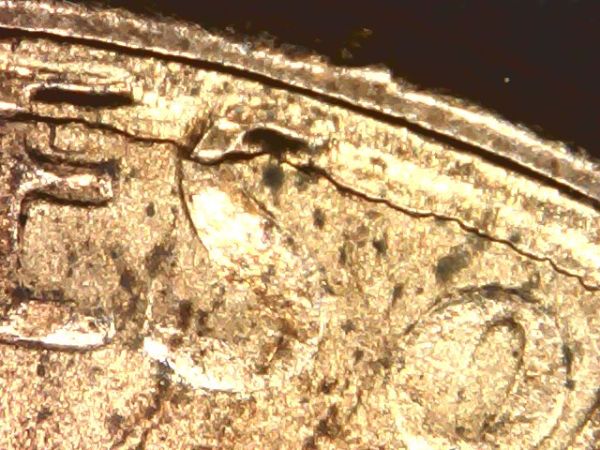
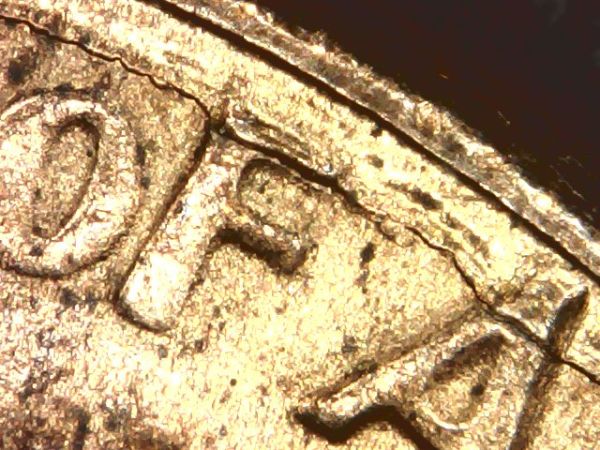
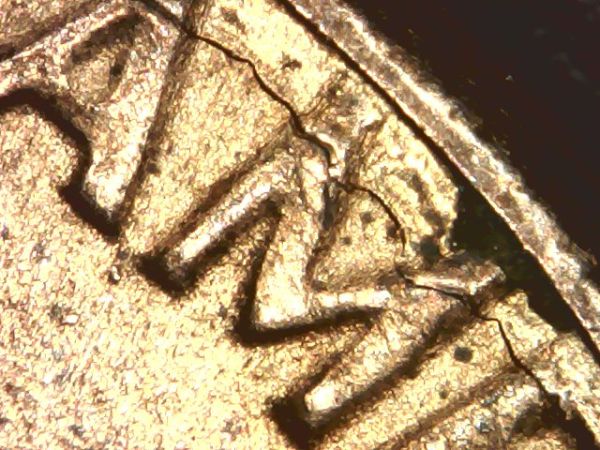


 Posted 06/08/2013 4:46 pm