| Author |
 Replies: 25 / Views: 4,127 Replies: 25 / Views: 4,127 |
|
Valued Member
United States
329 Posts |
Ok so I decided to try a long olive pile soak on some heavily corroded wheats. The type that look green and mossy with stalagtites and are worthless. I'm happy to provide pictures since it seemed to work to a degree, but here's my question... How do I get them out of the sludge they've been marinating in? Do I have to wash them with acetone? Any help would be appreciated!
|
|
|
|
New Member
United States
32 Posts |
When I tried soaking some unreadable wheats in olive oil I took them out and put them under running water and scrubbed them with a small hand towel and they came out fine.
|
|
Valued Member
 United States
329 Posts |
I don't think water removes oil. I'd like to have them so no oil residue is on the surface so that I can post pics for review on their post-soak condition
|
|
New Member
United States
32 Posts |
right steve but you dont want to use anything too harmful to the coin if it might be worth somehting under that patina. Maybe use some soap and a q-tip.
|
|
Pillar of the Community
United States
2077 Posts |
If they were that corroded, the original surfaces are shot anyway. Just wipe off the sludge, rub soapy water on them, rinse and blot dry. These will never be high grade specimens.
|
|
Pillar of the Community
Canada
4227 Posts |
I wouldn't mind seeing photos, before and after, if you have them.
|
|
Pillar of the Community
United States
3079 Posts |
Have to say that to remove oily or greasy residue Use Dawn Dish soap. It is the favorite among AC techs around here for spraying on the aluminum/copper fin tubes that are on the outside units of AC units. Cuts the curd and rinses of easy. then use the acetone as a final moisture remover.
|
|
Bedrock of the Community
United States
20027 Posts |
In chemistry, "like dissolves like". Any type of oil is best removed with xylene. On another note, using ANY oil on coins just plain sucks. Mineral oil products like Coin Care are little more than makeup for coins....covering up problems with a translucent layer. Nonetheless, the collector myth about oil and coins just keeps going and going.  With respect to olive oil, it's HORRIBLE for coins. On top of harboring bacteria, the components will degrade forming all kinds of chemicals that are harmful to coins. It also contains organic acids, in general, acids + coins(metal) is a very bad idea (corrosion). In this specific case, if you're just out to batch treat a bunch of coins, you'd be better off using an acid. Diluted muriatic acid works well. You'll get faster and better results without the mess or expense of olive oil. Of course, in the end you'll have a bunch of junk worth face or melt. |
|
Valued Member
United States
329 Posts |
I had read in some thread to soak them in olive oil for 6 months, so I did lol. They're worthless common dates anyway. So ill give them a rinse and post up some pictures tonight. They're probably going in the cartridge cleaner full of walnut shells after this anyways lol. I'm just having fun experimenting!!
|
|
Moderator
 United States
194500 Posts |
Olive Oil... Good for your diet.  Bad for your coins.  Quote:
I'm just having fun experimenting!! Nothing wrong with that.  |
|
Valued Member
United States
329 Posts |
How long should these poor coins bath in acetone?
|
|
Valued Member
United States
329 Posts |
Sorry about the typo- I've been using my phone internet. I had more pictures of the process but I accidentally deleted them. Let me say this: -The olive oil turned nasty green and thick over the course of 6 months with 12 coins soaking in it. -As you will see the end result is no good and clearly I have accomplished nothing. After the 6 month olive oil bath I swirled the coins in soapy water and an oily residue remained. I then swirled them in an acetone bath for 5 minutes and left them out to dry. 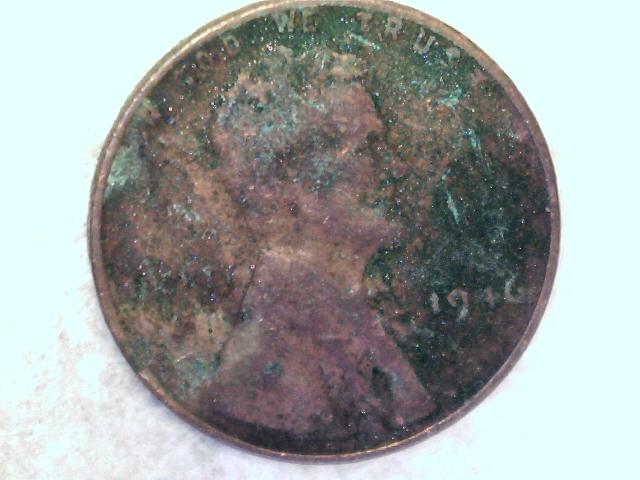 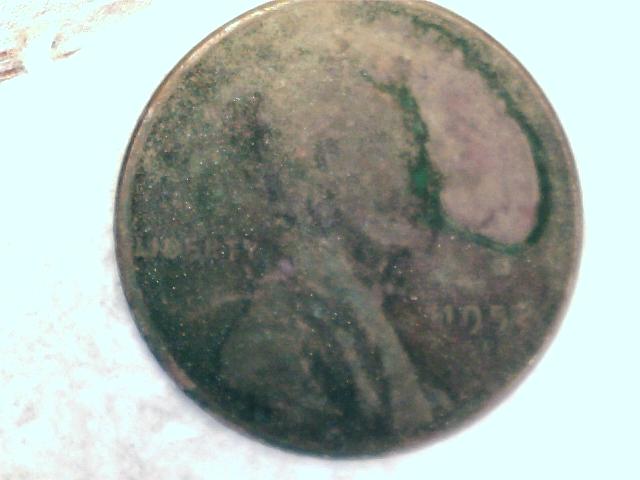 The first image is an example of the coin prior to all this experimenting. The second is the final product. A portion of the verdigris was removed but overall nothing good was done to the coins obviously, and the final difference is not remarkable IMHO. I'm gonna throw these coins in the tumbler for a while now... |
|
Bedrock of the Community
United States
20753 Posts |
I've posted this many times in the past. Using STUFF like Olive Oil, water, dish soaps, etc. are just to vague. Water is different everywhere. Some from wells is actually corrosive. From a house that contains a water softener, even worse. Every batch of water even from the same place could be different from day to day. And Dish soaps too are all different. Dawn may be different from day to day pending how the company makes it that day. Some manufacturers purposely change their product to fool attempted copiers. Using a brush, dish cloth, toothpick, rose thorn, etc are just nuts.
All sorts of methods to clean them is in most instances a waste of time and money. Many people spend more on cleaning STUFF for coins than the coins themselves.
|
|
Valued Member
United States
329 Posts |
Carl this was just an experiment for me to personally see the effects of what various methods I've heard of actually produce. I was not expecting nor did I get good results. I spent $0 on doing this and a total of about 10 minutes of my time. Worth it for me to see what happened :)
|
|
Pillar of the Community
Canada
4227 Posts |
Yeah, I have a bunch of these same looking wheats sitting right in front of me. I know they're likely toast, but was curious. BTW, olive not so good for your health |
|
Valued Member
United States
329 Posts |
The cent was tumbled in corn cob granules for about 10 hours in a spent brass tumbler. I thought it would remove more of the verdigris... 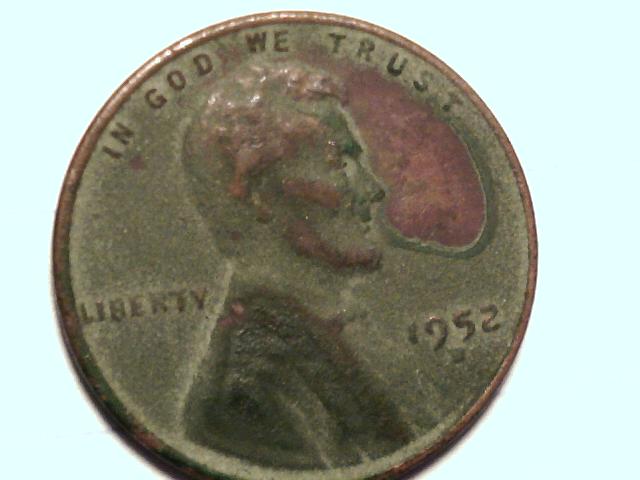 |
| |
Replies: 25 / Views: 4,127 |







 Posted 06/19/2013 8:53 pm





