| Author |
 Replies: 9 / Views: 5,860 Replies: 9 / Views: 5,860 |
|
|
Pillar of the Community
United States
4233 Posts |
|
|
|
|
Moderator
 United States
23522 Posts |
Quote:
In general, if the 3-ring page is PVC and the 2x2s are not, is the mylar in the 2x2 a sufficient barrier? Is there a time limit for the outgassing?
I would default to assuming it's PVC; acetone cannot hurt but only help. Give it a shot just to be safe. My guess is the 2x2's aren't a sufficient barrier. Are they utterly airtight? I have no actual chemistry-related knowledge regarding outgassing but I'm thinking if the PVC is still flexible, outgassing is still possible. But, mind, I'm pretty paranoid about this stuff.  |
|
Pillar of the Community
Canada
2785 Posts |
older 2x2s can also contain PVC
take a few coins out of the 2x2s, if they are slimy and the slime has a slight blue / green tint to it you can be 99% sure it's PVC.
wash in acetone will remove the slime but not the damage that is already done
|
|
Pillar of the Community
 United States
4233 Posts |
Thanks for replies. I don't want to touch the surfaces, so how do I tell if it's "slimy"? Dab it with a q-tip?
It's not a high value coin except sentimentally, so I suppose I could see what acetone does.
|
|
Moderator
United States
23522 Posts |
Acetone may not help, but it cannot hurt. There are a number of collectors here - myself included - for whom the first thing for a new coin is an acetone bath, the day it arrives. Some coins, you don't want to mess with the surfaces, because removing anything would make them look obviously cleaned. Those, you don't even dunk in water. But the ones you show here have no such limitation. Frankly, I'd bathe them all just in case.
|
|
Pillar of the Community
United States
655 Posts |
Make sure to use pure acetone, not nail polish remover.
You should be able to get pure acetone at the hardware or paint store.
|
|
Bedrock of the Community
Australia
21789 Posts |
From my experience of nearly four decades of collecting,
I have formed the strong opinion that the Mylar material in 2x2's
does NOT protect coins inside them in the long term, from the PVC of cheap album pages.
The Mylar material is just too thin.
Red or orange copper and bronze coins are most affected, and can darken to dark brown or even black, in less than 10 years.
Album pages made from archival quality Mylar or polypropylene are to be much preferred, and cost very little extra.
I rehoused over 2,000 coins in Mylar holders into archival quality album pages a couple of years ago.
|
|
Moderator
Australia
16982 Posts |
The damage caused on coins by "PVC" is not caused by PVC itself; it's caused by the plasticizers they add to the PVC. These plasticizers are capable of slowly "flowing" out from PVC album pages and into the film of a 2x2, even if the 2x2s themselves are not made of PVC. This solvent flow effect is especially prominent if the pages are being squeezed together.
It is this same solvent flow that causes 2x2s to "stick" inside certain types of PVC pages. If the film of a 2x2 becomes sticky on the outside, it's been affected by plasticizer from the album page it was stored in. Time to throw it out and replace it.
Don't say "infinitely" when you mean "very"; otherwise, you'll have no word left when you want to talk about something really infinite. - C. S. Lewis
|
|
Pillar of the Community
United States
4233 Posts |
Thanks again for replies. Nobody here says it's definitely PVC-related damage, and from looking at other photos, I don't see such an obvious green on any of these coins. There are some red cents in the same album for 30 years and are still red. As Wade and Sap have recommended, I pulled a couple other coins out of the 2x2s and there is no hint of slime. I removed a few 2x2s from each of the album pages, some that have been pressed in there for 40+ years, none were stuck in the album and nothing sticky on the 2x2 surfaces. I'm a bit less paranoid now, but I'll work on relocating the higher value coins to something better.
|
|
Bedrock of the Community
United States
20038 Posts |
Quote:
The damage caused on coins by "PVC" is not caused by PVC itself; it's caused by the plasticizers they add to the PVC. Almost, the damage is actually caused by hydrochloric acid that forms as a result of the breakdown. |
| |
Replies: 9 / Views: 5,860 |
|










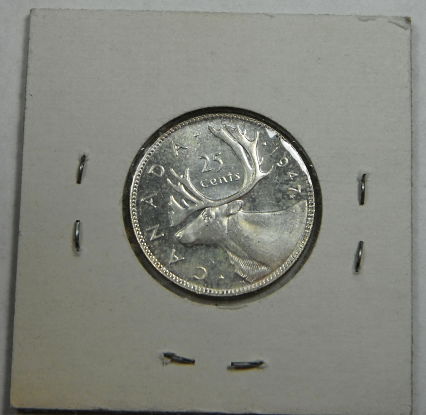


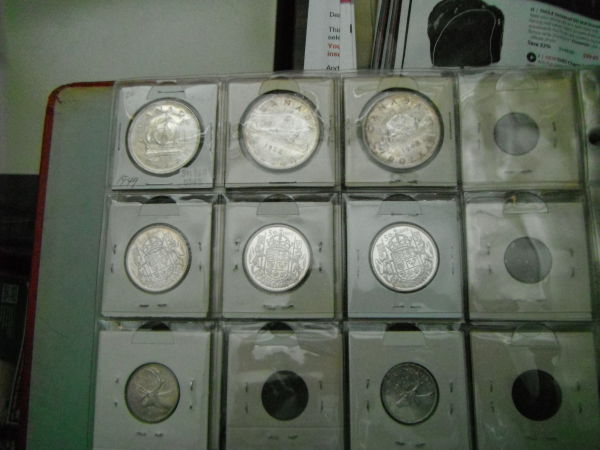


 Posted 11/28/2013 4:25 pm


