| Author |
 Replies: 13 / Views: 1,592 Replies: 13 / Views: 1,592 |
|
|
New Member
United States
28 Posts |
|
|
|
|
Pillar of the Community
United States
1554 Posts |
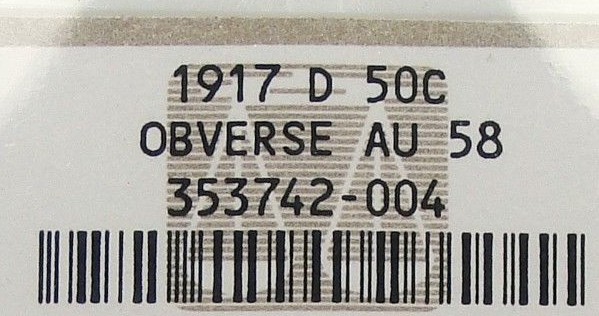
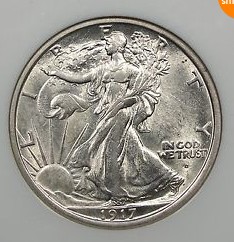
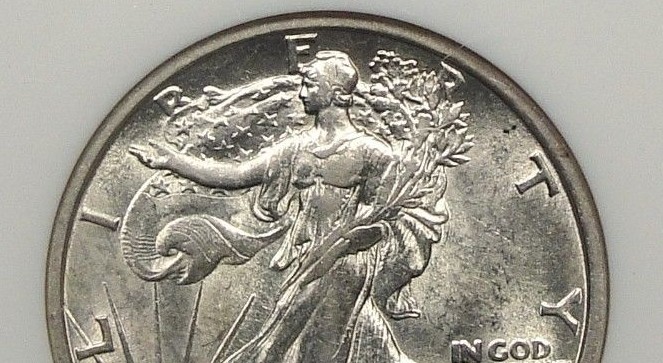
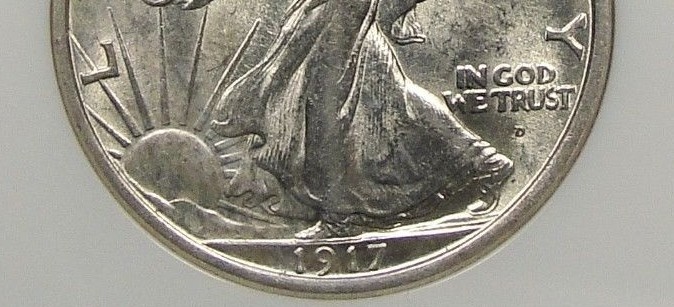
I'm not seeing a cleaned coin. I've never seen a coin that is graded "Obverse AU58"? That's a new one on me.
|
|
New Member
 United States
28 Posts |
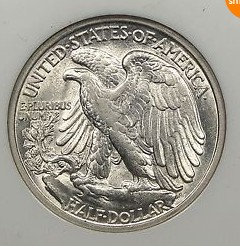
I guess the aspect I'm hung up on is: How can the coin be so clean, given its age and wear, yet appear to be spotlessly clean?
I would have an easier time accepting that an original, unmolested coin can be very clean, given that it really never saw any significant circulation.
As for the Obverse labeling, I assume that the slab labeling was pointing out the mint mark being on the Obverse (vs the Reverse which was far more common, over the years, for this type of coin). Maybe I'm stating the obvious, but this is one of tidbits I've picked up as I gotten into the WLs.
|
|
Pillar of the Community
United States
763 Posts |
It most likely has been dipped and and that is why it looks new and shiny. TPG's are OK with properly dipped coins. Many collectors are not. |
|
New Member
United States
28 Posts |
When talking about a coin,is it important to make a distinction between 'dipping' versus 'cleaning'? Or are they effectively interchangeable?
On one hand, they are both ways to clean the coin.
On the other hand, the term 'dipping' doesn't sound nearly as bad as 'cleaning'. When I think of cleaning, it could be almost any activity such as scrubbing, wiping, etc.
|
|
Pillar of the Community
United States
4897 Posts |
Quote:It most likely has been dipped and and that is why it looks new and shiny. TPG's are OK with properly dipped coins. This! Done properly "dipping" is "Market acceptable". IMO, this is why NGC uses terms like "Improperly" or "Harshly" cleaned in their designations. |
|
Pillar of the Community
United States
1554 Posts |
Oh yeah, duh, mint mark obverse. Dipping done properly is OK.
|
|
Pillar of the Community
United States
1959 Posts |
The word obverse is referring to the mint mark. There are two locations it could be, it is just noting the location. To me, dipping is cleaned. Not saying I've never done it, but I consider it cleaned.
|
|
New Member
United States
28 Posts |
I agree with those that are saying 'properly dipped' is the same as cleaning.
Take my observation as a novice collector. This particular coin just jumped out at me that something was wrong (too clean). It just doesn't seem 'right' with all of its patina gone. I don't consider it nearly as attractive as a normally aged coin. And I wouldn't consider buying it for my collection.
I can see how the cleaned coin can appeal to some people, so please don't take my comments as a criticism - obviously its just personal tastes.
Thanks to everybody that has responded, and to the moderators who quietly fixed the mistakes in my original post.
|
|
Pillar of the Community
United States
4337 Posts |
Quote:
It just doesn't seem 'right' with all of its patina gone. I don't consider it nearly as attractive as a normally aged coin. And I wouldn't consider buying it for my collection. There are survivors that are 100 years older than this coin that are blast white, gem mint BU which have never been cleaned or dipped. Its a function of storage. I have many 19th century silver coins, from the earlier half of that century, in PCGS or NGC holders, graded as MS which are frosty white. They've not been cleaned or dipped in the least. They were just lucky to have been cared for as numismatic treasures and kept up their appearance over the course of time. Many of us on this forum share that experience. The patina on this coin is not "gone". It never existed in the way I am reading you framing the reference. I am not sure what you consider a "normally aged coin". Is your opinion that coins of this age or older should all have a dark tone to them? Again, I would point out storage and care as factors that determine how a coin ages and what kind of patina forms. You have to read material on silver sulfide as it exists in the world of Numismatics. This is your starting place to developing an understanding of why toning occurs, why patinas are good and thick on some coins and why other coins can be aged 175 years or 97 years and not have any other appearance than frosty mint luster. TPGs, while not always on the money by a debatable point or two with regards to grading, have a keen eye and supporting equipment to spot cleaned versus not cleaned and a compromised layer of sliver sulfide versus the opposite. Welcome aboard and good luck on your journey. |
|
New Member
United States
28 Posts |
Hi, All of your points are well taken. I made my comments based on a sliver of exposure to the Coin World. My collection of Walking Liberties started with a couple roles of AU coins from APMEX as a way to introduce myself to hobby without spending too much money to get in. So this is where I've gotten my knowledge of what a 70 year old coin's patina looks like. So, you can imagine my surprise when I see something as shiny as the coin I posted the pictures of above. In addition, I made the assumption that all things (coins and whatever else) develop a patina as they age. All the other things I've collected in the past have had this property (comic books as a kid, vintage cars as an adult). Regardless of how well one preserved them, it was inevitable that entropy takes hold and is rarely kept from view. So the idea that a coin can remain static in its appearance over time is new to me. I suppose I shouldn't be surprised given that silver and gold are precious metals and their rates of oxidation can be reduced to incredibly slow rates when kept in the proper environment. And you are absolutely correct by referring to this hobby as a journey. Getting into it, I didn't understand why its so popular and thought my interest would be fleeting. I mean, how interesting can a coin be? Of course, I found the complete opposite. |
|
Rest in Peace
United States
4849 Posts |
While I agree with dsfreeworld, I would argue that this is unusual, or not the norm at most, for a 100+ year old silver coin to obtain no toning at all. Y
es, there are coins that are well preserved, but I also think many "properly dipped" coins can be done so well that it is almost impossible to determine whether or not they have been dipped.....which can make them "questionable" from the outset. I, like many on here, prefer a nice crusty originally toned coin over a blast white coin....and much of that is because they are more easily determined as unquestionably original, where as a blast white coin....even if completely undipped, may still have doubters. At the end of the day though, although I prefer toning with stron underlying luster, I don't really mind "properly dipped" coins, since they often can improve coins with unsightly toning, corrosion, or just strengthen the appearance of the luster.....its just usually not my first choice. Hopefully this makes sense.
|
|
Pillar of the Community
United States
4337 Posts |
I love them toned myself a John. For my series of preference, Liberty Seated dimes, I have an aspiring high AU to Mid MS set happening and I would say I'm 75/25 in favor of toned with strong underlying luster. I also have my share and love of crusty original with good thick skin. |
|
Pillar of the Community
Australia
1874 Posts |
I wouldnt think that would be Au58, I would think it would be low AU
|
| |
Replies: 13 / Views: 1,592 |
|










 Posted 04/10/2014 10:22 am


