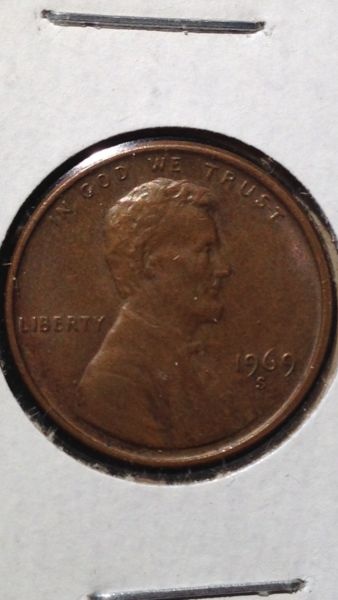
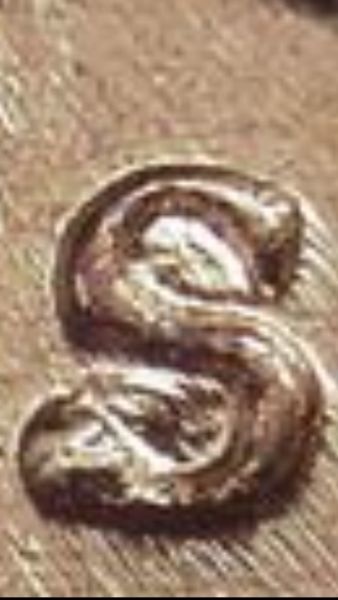
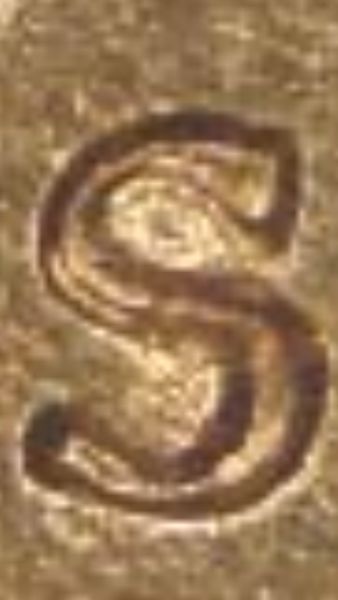
One thing to remember upfront about an RPM - Its struck onto the coin, and normally, it's not going to change in appearance for nothin'. It could get clogged I suppose, and eventually it will wear out, but for the most part what you see is what you get with the RPM "look" on a particular mint mark. If you look at that last Top "S" you posted, notice there is NO part of the lower "S" that is doubled.
If you look at that top RPM you posted, it shows a slight separation through the Middle "S" itself and then the end of the "S", the Ball part shows a "split serif" or like a Unhappy face smile through the middle part of the Ball, meaning that there are 2 of those Balls, one on top of another. Notice on the RPM about everything is about the same height.
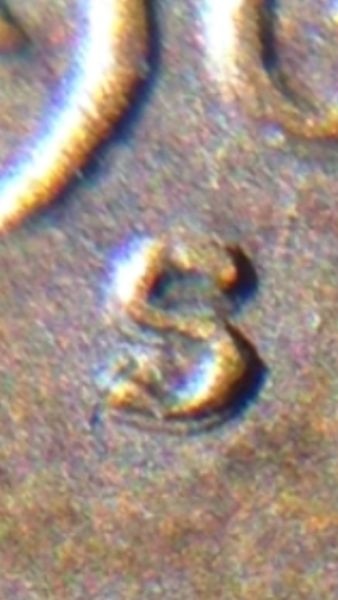
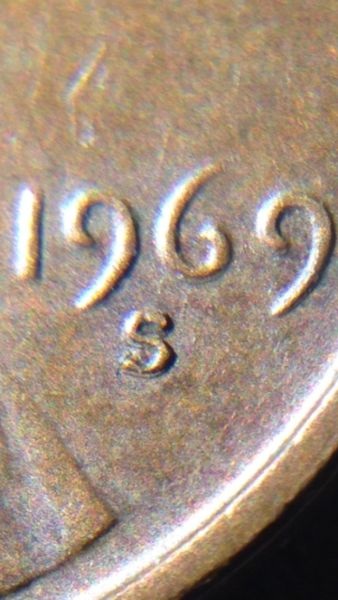
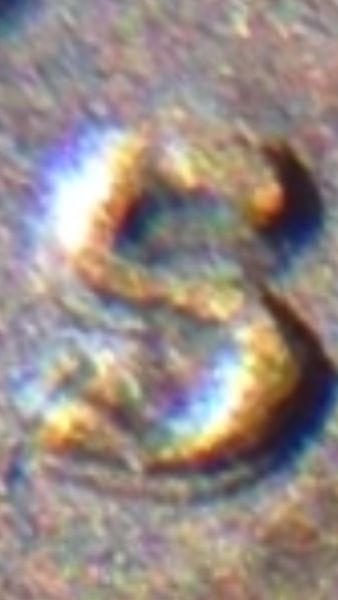
On your coin, though it may look the same, the lower portion of your mint mark has been "scraped away" leaving damage. Your "S" is WAY thinner than normal, in places you can see the actual width it SHOULD be, but the
Machine Doubling scraped most away. You DO NOT see that on CC RPM's you posted.
On the Coppercoins RPM's pics, of just the "S" there is no flat field
Machine Doubling. You didn't show which RPM's those were from CC site, but go back and look at the coin that has those RPM's and see if the date and other devices have
Machine Doubling. More than likely they do not.
Can a coin be an RPM and have
Machine Doubling? Absolutely. The way that you tell that is through the die markers. You'd have to research the coin to figure it out, which would take some time. You'd have to compare the type of mint mark the RPM has, either the Ball type or other, and then look at the CC examples and see if yours has any of the markers.
Machine Doubling is like the shaking of the press machine, in the crudest example. Machie doubling will probably make it very difficult to recognize any markers that may be there.
Also, depending on the Die State/Stage, if CC doesn't show all three die states (EDS, MDS, LDS) then its tough to get a match as well. Markers will not always be there - since the strength of the strike can differ from coin to coin.
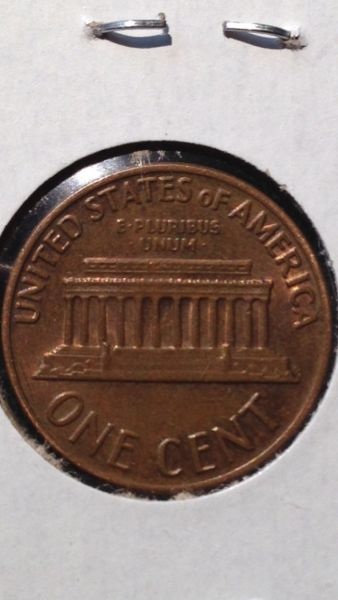
Markers play an important piece in trying to ID an RPM. Note that if you have an RPM, don't walways rely on the reverse of a coin for markers, especially if that reverse die is looking quite old. They replace dies over time, so, say you have an RPM obverse die, and they stop the press and change out that reverse die, and start it up again. It will continue to produce RPM's with the obverse die, but the reverse die was changed, and the markers would have changed as well.










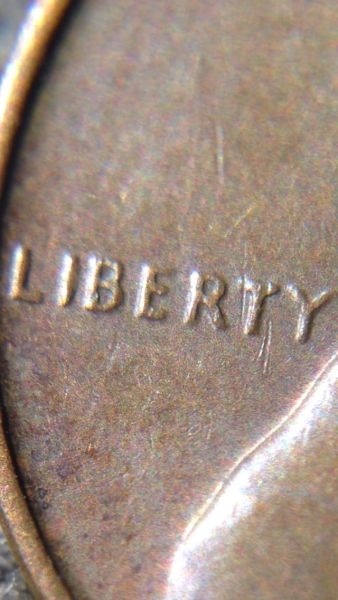
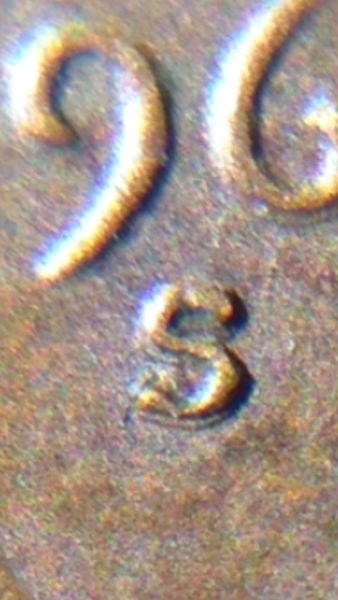
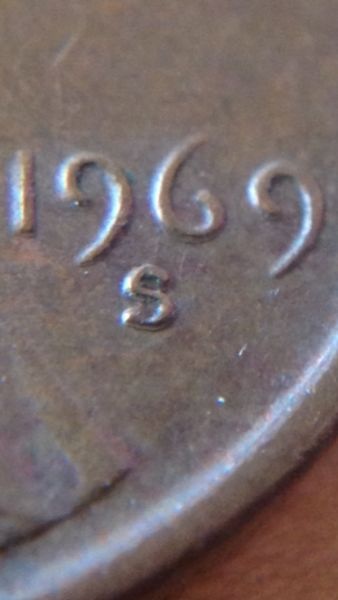
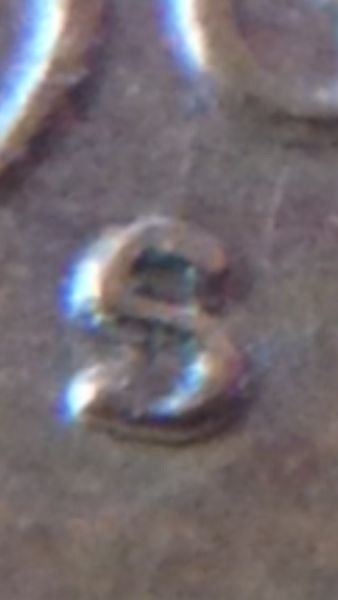


 Posted 05/10/2014 5:31 pm