| Author |
 Replies: 10 / Views: 2,118 Replies: 10 / Views: 2,118 |
|
|
Valued Member
United States
364 Posts |
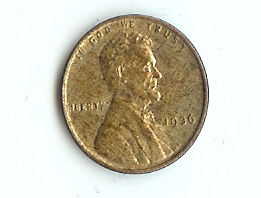
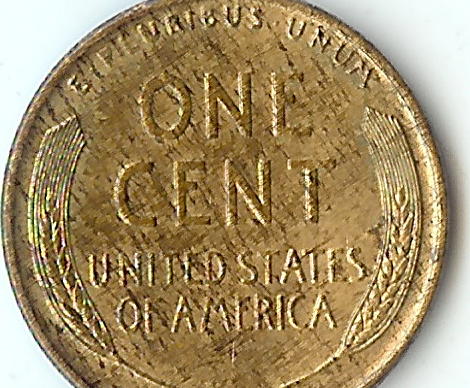
Hi , just finally got around to starting a lincoln set . My first few coins are higher grade , but have what looks to be toning streaks on Image:  scan.jpg scan.jpg21.8 KB Image: scan0001.jpg58.32 KBthem. Is this from an album or is it evidence of cleaning? Thanks |
|
|
|
Pillar of the Community
United States
7123 Posts |
Hi Roach
From your pics its difficult to tell exactly what it is on the coin ,,
we would need much bigger pics to see clearly the surfaces to judge about cleaning .
what I can offer is the fact that copper is the most highly reactive coin metal ,,and a coin that has been stored in an album or folder in a somewhat poor environment can have many different things happen to it as far as spots,streaks and toning ,, sometimes they look nice toned sometimes they look not so nice.
Metalman
|
|
Valued Member
United States
499 Posts |
the image of the reverse side looks a lot like the pattern on the backing paper from an old whitman folder. I could be wrong but thats my opinion.
Ziggy
|
|
Bedrock of the Community
United States
62064 Posts |
The early Lincoln Cents 1909-I don't know have a wood grain look to them. This is from a poor planchet mixture. It is interesting, but I prefer the good mix better in appearance.
But looking on the reverse of this Cent, it looks like a finger print. Nothing to do with them to fix it. You should be able to get a replacement for it as the mid/late thirties coins in BU are affordable. Just the BU earlier will make you refinance your house.
|
|
Pillar of the Community
United States
3507 Posts |
Coop hit the nail on the head. The mix of the alloy wasn't always perfect and that "wood grain appearance was the result. There are a fair number of early Lincolns that look like that.
|
|
Pillar of the Community
United States
7123 Posts |
How about the larger pics ?
This coin does not look like any wood grain planchet I have ever seen .
Im pretty sure its environmental damage on the coin ,,larger pics would really help confirm it .
Metalman
|
|
Bedrock of the Community
United States
20753 Posts |
I've seen that effect on many earlier Lincoln Cents. As explained already possibly from a poor mixture of the metals. I think I saw this explained in one of the coppercoins books on Lincoln Cents. You may want to hit him with that question at https://www.coppercoins.com |
|
Pillar of the Community
United States
7123 Posts |
Its possible that it is a bad mixture ,but its also possible that its not ,,
without better pics its all speculation and no way to be certian about it either way .
Metalman
|
|
Pillar of the Community
United States
1571 Posts |
The marking on the reverse, look like fingerprints. The "streaking" that is seen on the earlier cents, is caused by a poor alloy mix, which results in different colored streaks, sililar to those seen on paneling.. The OBV shot is too small to make a determination. Larger photos, and/or a closeup would make it easier to tell.
Dick
|
|
Valued Member
United States
145 Posts |
Do these look like the wood grain ones that you are all talking about?  |
|
Pillar of the Community
United States
7629 Posts |
This particular coin (1936) is a mix of poor alloy mix and likely cleaning. It does not look natural, even for an improper alloy mix cent.
|
| |
Replies: 10 / Views: 2,118 |
|






 scan.jpg
 scan0001.jpg


 Posted 08/07/2007 5:31 pm





