| Author |
 Replies: 16 / Views: 5,964 Replies: 16 / Views: 5,964 |
|
New Member
United States
7 Posts |
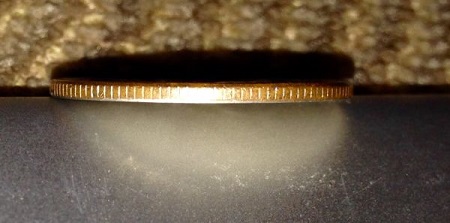
I have a state of Indiana quarter 2002 D. The edges are grooved. My intrigue is the front of the quarter looks like brass while the back is silver. Any thoughts? I will say I'm a total beginner and am going through a collection I just received so please bear with me. It ranges from Mercury dimes to dollar pieces so I am learning as I go. Thank you for any info or resource suggestions. 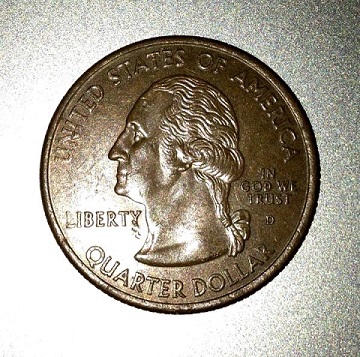 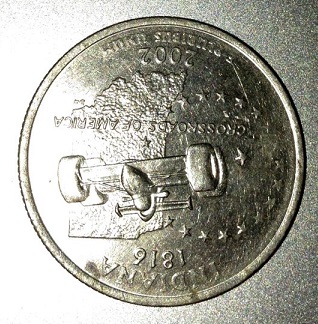 Edited by Jhiner
10/11/2014 8:04 pm
|
|
|
|
Pillar of the Community
United States
2563 Posts |
Pics would be appreciated.  But it sounds to be gold plated. |
|
Bedrock of the Community
United States
62064 Posts |
 You might try the search engine on this site to get an idea of what to look for. If they are circulated modern coins, they would be worth little above face. But if they were extra nice there might be some premium for them. Circulated ones maybe varieties, then they would be worth a lot more and if they are BU coins, then they are worth a lot more if they are varieties. Mercury dimes are also a nice collection to get a collection of. A lot of the silver coins were melted, so depending on the year/mint mark they can be very valuable. Others that are damaged are worth silver melt. So best best to know what you have before you let them go. I started off with a Red Book when I first started collecting. That will give you an idea for retail pricing. Varieties are worth a lot more. So the more you can read from here is it a great start. There are a few sites that can help with varieties. coppercoins.com/ varietyvista.com ALways good to ask questions here and a picture of you coin speaks a thousand words here. Ib you are asking about a coin, keep the thread to just one coin with images. When ones post more than one coin, it can get confusing as to which one they are talking about. I always try to answer a coin without just a yes or know. I like to educate as I go. I was taught differently and appreciated it more when the why is told and not just the year or no answer. So do a lot of reading and you will find the answers you seek. When you don't, then feel free to ask a question. Many questions are asked over and over because they didn't take the time to read. Then check back for answers to your questions. That is how I did it years ago. Edited by coop
10/11/2014 7:42 pm
|
|
Moderator
 United States
15890 Posts |
to the CCF. Pictures would help us to help you ... You might have an error whereby the obverse (front)clad layer is missing ... such errors are not all that uncommon. Without photos we can only speculate. David |
|
New Member
 United States
7 Posts |
Thank you all for your prompt friendly reviews. I wish I knew what half of the abbreviations meant that everyone uses when referencing coins. I do think that would aid me greatly.
As I stated I have just got into this so I am completely green. :/ I will admit, I find this fascinating and somewhat of a thrill to research the coins. Thank you once again for your help and wisdom it is truly appreciated.
Jacklyn
|
|
Bedrock of the Community
United States
62064 Posts |
Is the quarter obverse as dark as a circulated copper cent or lighter in color? If lighter then it might have been homeless off a time and turned color. If you can see silver through the discolored area, then that is probably what happened to it. But if it is a dark, then it maybe a missing clad. 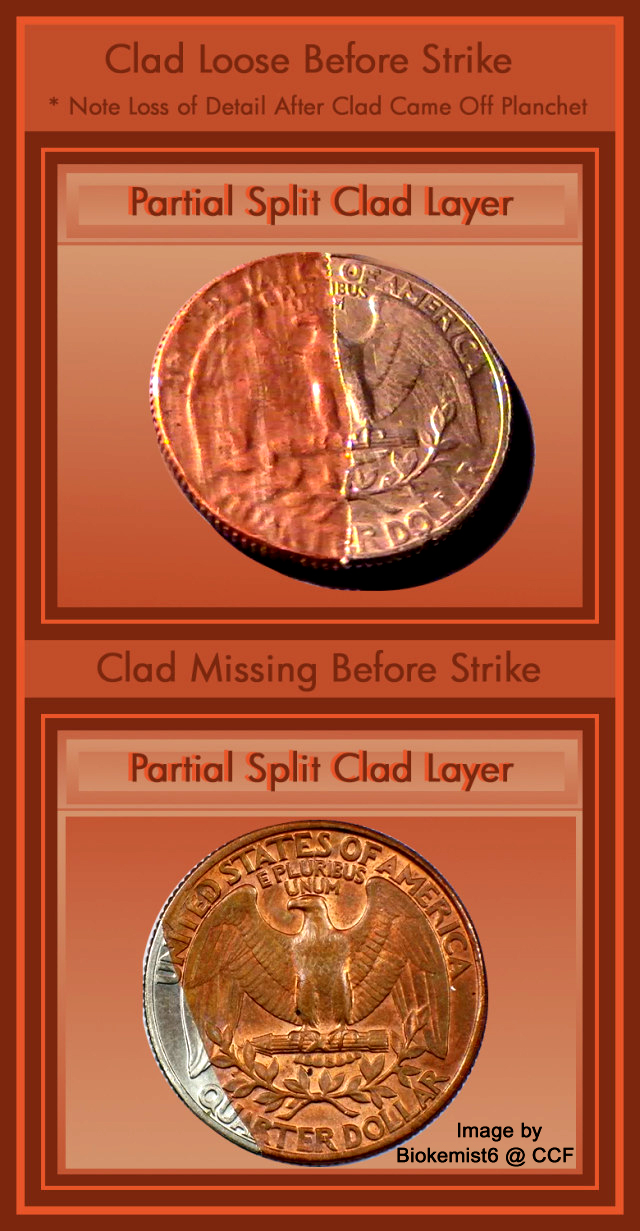 Missing cladding are worth a premium. Tarnished ones are spendable, unless you want to carry it for a time to see it look antiqued? |
|
Rest in Peace
United States
7075 Posts |
The quarters that were gold-plated are a yellow/gold color. If the color in you photo is accurate, then you have something else. Waiting for an expert.....  |
|
Rest in Peace
United States
7075 Posts |
 Coop, you were already there! |
|
New Member
United States
7 Posts |
LOL agreed Coop, your post has been helpful indeed. :) It is not tarnished etc. I am not fluent with coin terminology as I am just learning so I am unaware of what obverse means in reference. I will say the back of the quarter is upside down which I assume should not be the case? It seems very crisp in detail to have lost the cladding? Proper term? But once again... I admit my knowledge base is slim to none on coins.
|
|
New Member
United States
7 Posts |
After some research quick I am in agreeance that the striking is too crisp to have been the result of lost cladding. I am still greatly intrigued as to why the back is upside down. The edging of the coin shows no sign of foul play as this was my first thought?
|
|
New Member
United States
7 Posts |
|
|
Rest in Peace
United States
7075 Posts |
The obverse is the front of the coin which has the portrait. The reverse is the other side. US coins are made with the tops of the obverse and reverse at opposite ends; that is the top of the obverse will be directly in line with the bottom of the reverse. Hope that helps. |
|
New Member
United States
7 Posts |
Yes it does and thank you. I should have been more clear I realize now I wasn't. That is NOT how this coin is.
|
|
New Member
United States
7 Posts |
Also Coop I ordered the RedBook you recommended. Thank you. |
|
Bedrock of the Community
United States
62064 Posts |
On the two images I posted, the first one the coin was struck and 1/2 of the cladding came off. Thus the reason the design is so weak on that half. The second image is showing a partial clad missing before it was struck. Thus the reason the devices are so strong.
But hang in there, you will figure it out and if you don't ask. The only dumb question is the one not asked.
|
|
New Member
United States
37 Posts |
Jhiner:
U.S. coins exhibit what is termed a "coin turn", wherein the obverse (front) and the reverse (back) are viewed normally (right-side up) when the coin is turned north to south.
Canadian coins exhibit what is termed a "medal turn", wherein the obverse (front) and the reverse (back) are viewed normally (right-side up) when the coin is turned east to west.
|
| |
Replies: 16 / Views: 5,964 |










 Posted 10/11/2014 7:42 pm