











 Posted 12/27/2014 04:22 am


Hi,
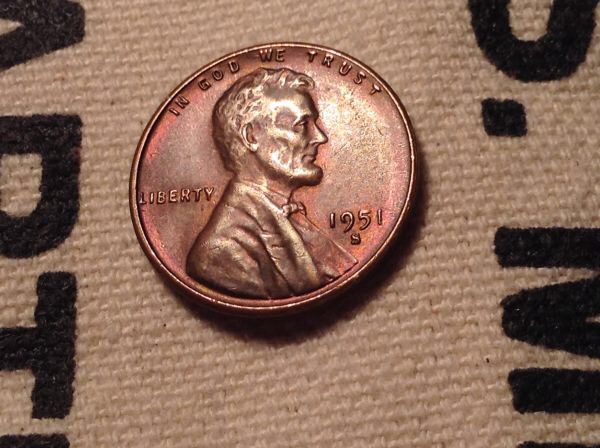
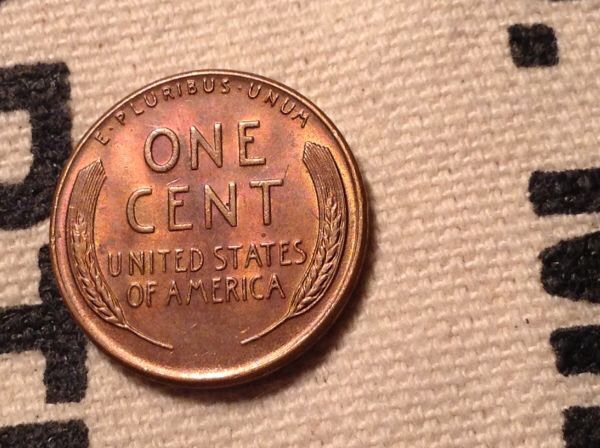
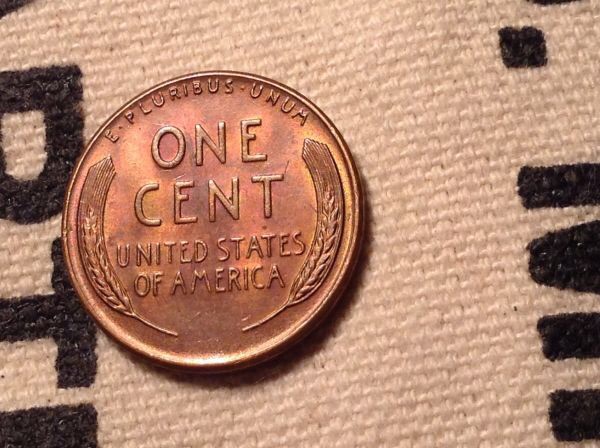
Variations observed in color tones most often are the result of non-uniform oxidation of the patina or surface layer of copper coins as in this case.
Copper and its alloys such as brass and bronze usually turn from red to a darkened red and in several examples over to a dark brown.
b/t/w
1) tin alloyed to copper = bronze
2) copper alloyed to zinc = brass
When searching for copper coins a red color is generally more desirable especially when looking for Large Cents.
Since LHCs are neither my preference nor specialty it may be of interest to least comment on Large Cents since they obviously become toned at times and are likewise composed of Cu (copper) similar to LHCs.
When assessing the worth of Large cents, for example, based upon the tone of the patina only a progressively increasing trend of values appears to follow the sequential color tones of brown, then brown/red, then totally innate(original) red lacking any toning whatsoever...
IMHO,
mdpmedia
Variations observed in color tones most often are the result of non-uniform oxidation of the patina or surface layer of copper coins as in this case.
Copper and its alloys such as brass and bronze usually turn from red to a darkened red and in several examples over to a dark brown.
b/t/w
1) tin alloyed to copper = bronze
2) copper alloyed to zinc = brass
When searching for copper coins a red color is generally more desirable especially when looking for Large Cents.
Since LHCs are neither my preference nor specialty it may be of interest to least comment on Large Cents since they obviously become toned at times and are likewise composed of Cu (copper) similar to LHCs.
When assessing the worth of Large cents, for example, based upon the tone of the patina only a progressively increasing trend of values appears to follow the sequential color tones of brown, then brown/red, then totally innate(original) red lacking any toning whatsoever...
IMHO,
mdpmedia


