| Author |
 Replies: 9 / Views: 1,078 Replies: 9 / Views: 1,078 |
|
|
Valued Member
United States
346 Posts |
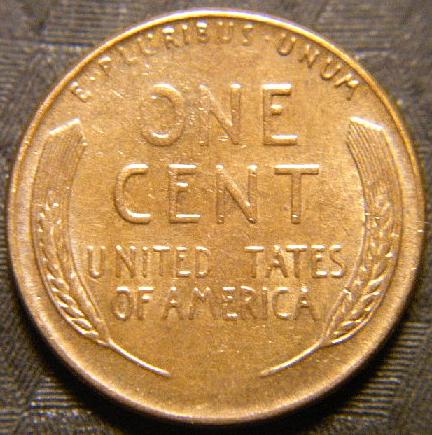
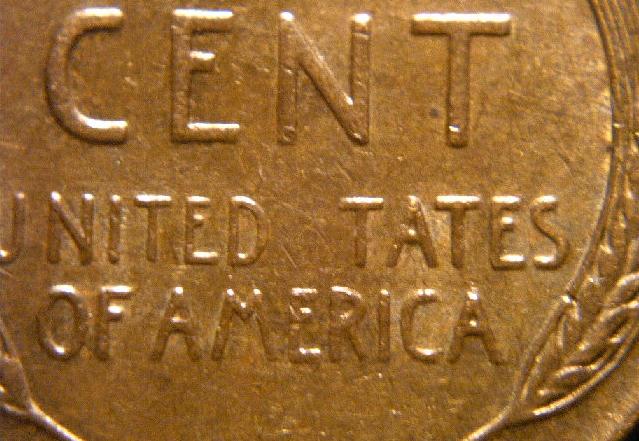
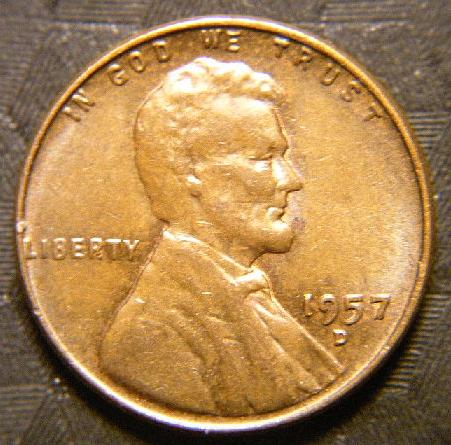
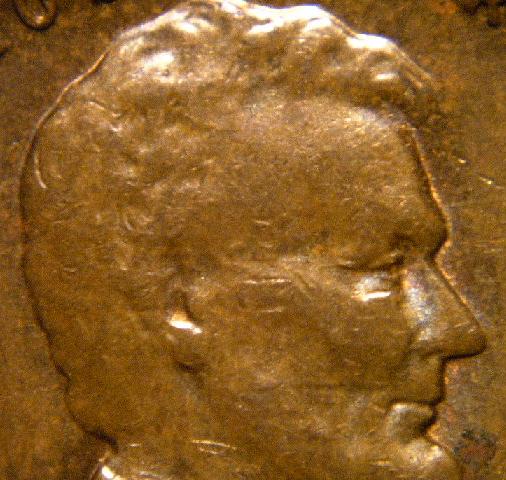
I have seen many cents with letters missing due to wear or intentional removals, but not one like this. the area/areas around it are in sync with the rest of the fields and devices and show no attempt of removal post mint. kind of curious about it. I put up a pic. of the obv. to show the area opposite of it. it would be center of pic. for reference. Image:  57Drev.jpg 57Drev.jpg42.14 KB Image: 57Drev1.jpg57.59 KB Image: 57Dobv.jpg44.96 KB Image: 57Dobv1.jpg52.7 KB |
|
|
|
Pillar of the Community
United States
2254 Posts |
Sorry I can't help Bonham, but it is pretty cool. If it was done post mint, it was done very well. Is this what they call a "dropped letter"? I thought you would see the letter in question elsewhere if it was....
|
|
Pillar of the Community
United States
2600 Posts |
Grease filled die. I have a number of these.
Jim
|
|
Valued Member
 United States
346 Posts |
Jim, when I read your post then I remembered
a few lincolns I had with the same anomaly. They
were with the date. one 199_ it still had grease marks all
around the area in question both on the obv. and rev.
also a 19_3 steely cent. naturally due to time, the 2 older coins
showed no evidence of the grease. interesting on the exact positioning it had to be in to do this. also how the viscosity of the grease can absorb the strike blow. wonder how many if any, other factors could also produce the same effect ? I.E.: diff. materials
on the die or maybe the die itself.
|
|
Bedrock of the Community
United States
62064 Posts |
The strike with grease in a small portion acts like the same principle as a hydraulic jack. The liquid (Or in our case grease) even though malleable out side the jack, moves an object because of the compression to more the object desired to be moved. Because that area of the die is filled with grease, it does not allow the material from the planchet to shape in that area, leaving the devise not shaped. Simple mechanics, but strong enough to block the shape of a devise. https://www.coincommunity.com/forum..._Dies_01.jpg |
|
Pillar of the Community
United States
5318 Posts |
This is a particularly nice example, because there's no trace of the S.
|
|
Valued Member
United States
346 Posts |
Good explanantion. Thank's
And yes, it is a very good clean example
of that action/result.
|
|
Pillar of the Community
United States
2254 Posts |
Thanks Jim and coop. For some reason I couldn't think of Grease Filled Die, and all that was coming to me was the "dropped letter" phrase. Having said that, does anyone know off the top of their head what exactly constitutes the "dropped letter"? Is this an edge lettering thing only? Please excuse the ignorance....  |
|
Pillar of the Community
United States
3507 Posts |
A dropped letter starts as a filled die. A letter on a die is filled with debris and grease that after many many strikes, becomes hard. The little piece of hardened material in the shape of a letter or numeral can sometimes fall out of the die and get stuck between a die and a coin getting struck. It will sometimes make a depression in the die that is now the same shape as the "letter that dropped out of the die" (Dropped letter) and since the die now has a little depression in it that is the same shape as a letter, each coin struck until it wears off the die will have a raised letter in an unusual place. Although it looks sunken, the R on the neck is actually raised. This is what a dropped letter looks like:  Thanks, Bill |
|
Valued Member
United States
116 Posts |
 The grease and grime build up inside the die forming a hard chunk of stuff. This eventually falls out on to a planchet and when the hammer die comes down... blammo dropped letter. |
| |
Replies: 9 / Views: 1,078 |
|




 57Drev.jpg
 57Drev1.jpg
 57Dobv.jpg
 57Dobv1.jpg

 Posted 12/03/2007 08:24 am





