| Author |
 Replies: 11 / Views: 1,786 Replies: 11 / Views: 1,786 |
|
|
Moderator
 United States
23522 Posts |
|
|
|
|
Rest in Peace
United States
10625 Posts |
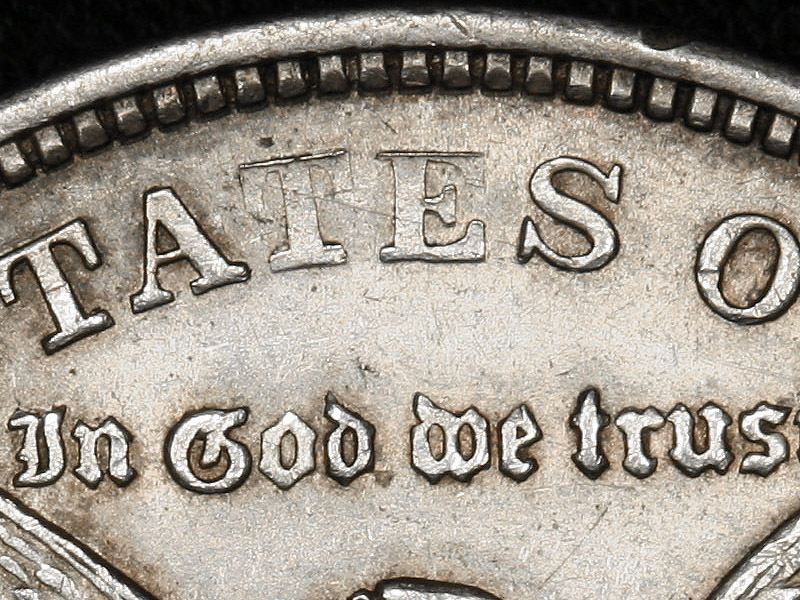
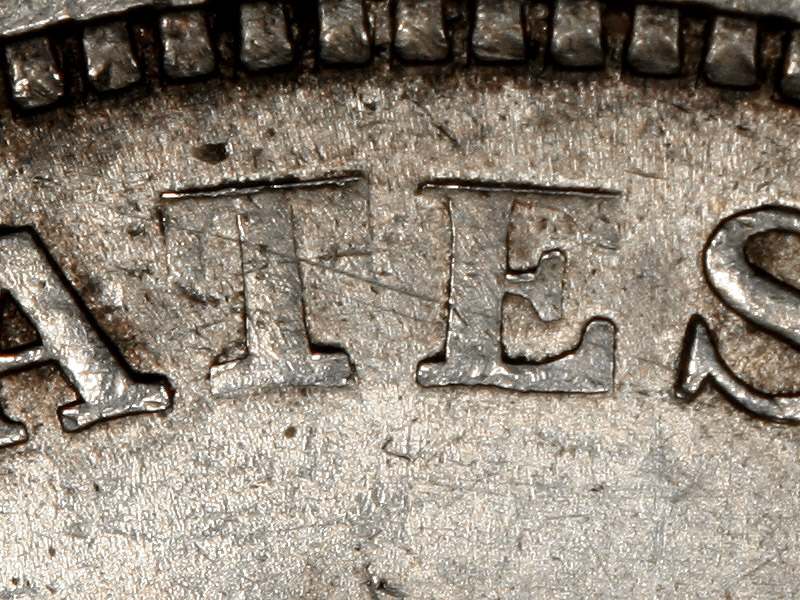
Is localized MD on grease filled letters possible? because if not I'm at a loss.
|
|
Pillar of the Community
United States
7390 Posts |
Maybe a grease blob mixed with a solid object strike through like hair, straw or wire?
|
|
Moderator
 United States
23522 Posts |
Keep in mind, those ridges precisely follow the actual contour of the letter, to include going around the curve on the middle serif of the E. It stumped me then, and still does.
|
|
Pillar of the Community
United States
7390 Posts |
Yes SD I was thinking that odd which is why I was thinking something stiff yet pliable like straw or thread may do that but ?.. I guess if it was it wouldn't leave such a staight line like that though
|
|
Pillar of the Community
United States
6478 Posts |
 I don't know. I can't wait to see what this is though.  |
|
Moderator
United States
23522 Posts |
Quote:
I can't wait to see what this is though. I can't wait to find somebody with that answer. I haven't, in 8 years of thinking about it. |
|
Pillar of the Community
United States
1372 Posts |
Is the field around the partially filled letters flush with the rest of the field? If the planchet was damaged and dented in that specific area, it could strike up incompletely in a specific area. The area opposite this, on the obverse, would be the date, which seems quite fully struck, which is the way it would be, if localized damage had left that area higher.
In other words ... a dent on the reverse of the coin, resulting in a hump on the obverse. Once struck, the date would be filled to capacity, while the reverse in that area would have insufficient metal to fill the dies.
The other possibility is a lamination error that was "really" localized. For some reason that area seems to have lacked sufficient metal to fill the lettering.
Once worn, it's hardly a reliable diagnostic, but if it were in mint state and had a small chunk of metal missing at the time of striking, it would probably weigh a fraction of a gram less, but probably not enough to be definitive. Once circulated... weighing it becomes a meaningless exercise, since the difference when new would have been so slight.
I am thinking the planchet was dented on the reverse side...but that's just a guess.
Looked at it again ... I'd weigh it. It's not that circulated.
Chance
Edited by Chancellor Sutler
04/28/2015 6:33 pm
|
|
Moderator
United States
23522 Posts |
Nope, it's the same process that created similar features on your coin, but for different reasons. I know the process now, just filling in the blanks. I'll explain it in your thread once I have it thought through.
|
|
Pillar of the Community
United States
6478 Posts |
|
|
New Member
United States
12 Posts |
You stated that you sold this in 2007, did you find someone to pay a good premium for this coin or did they buy it at its normal market value excluding this attribute? I sold a "Headless Horseman" Delaware 1999-P State Quarter as I termed it in which Caesar Rodney was missing his head due to grease in the die when struck. I sold it for $80 on ebay around 2003. Today I wish I still had it as for it was really neat to have a headless horseman State Quarter.. =) |
|
Moderator
United States
23522 Posts |
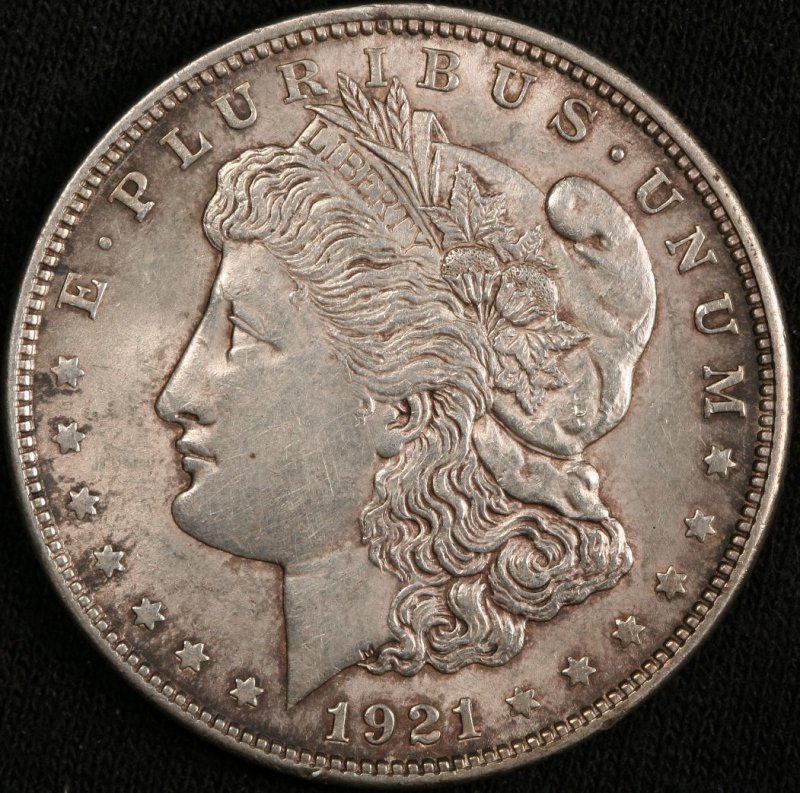
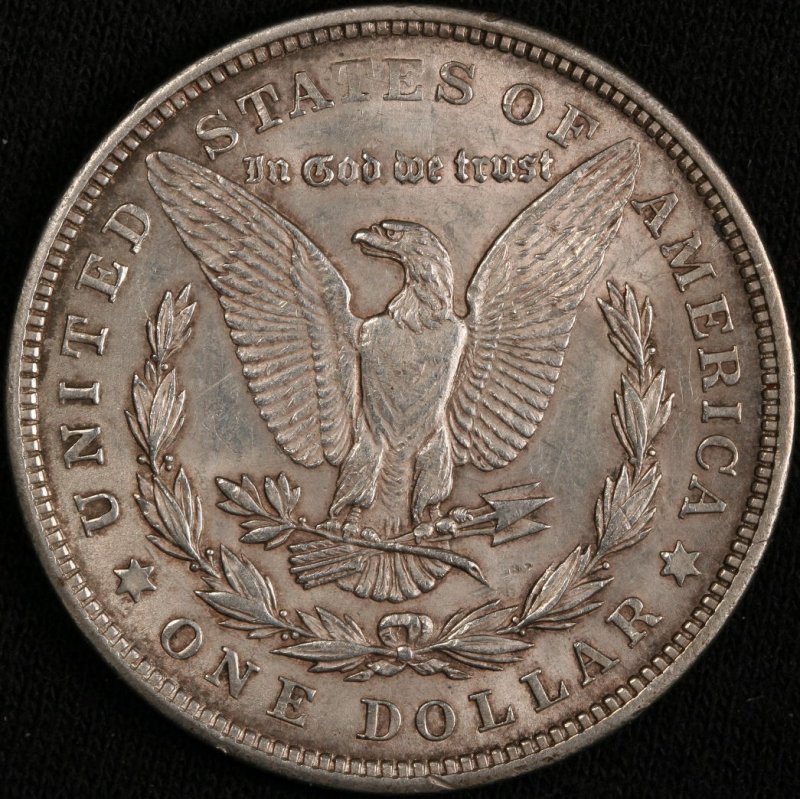
If I recall I got no premium for it, or very minor. Not that I expected to; I'm morally bothered by being paid extra for what is certainly a minor strikethrough on a date known for them.
Had I known then what I do now - as I've just posted in Chance's thread - I'd have spun the auction writeup quite differently and would have felt as if it had a bit of added value.
|
| |
Replies: 11 / Views: 1,786 |
|









 Posted 04/14/2015 08:38 am





