Quote:
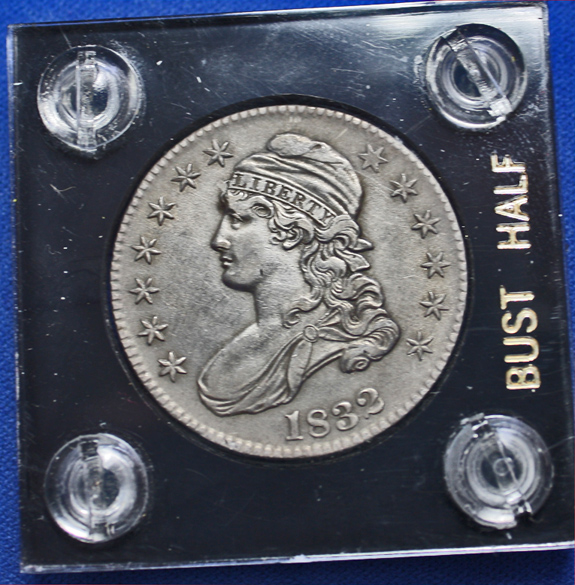
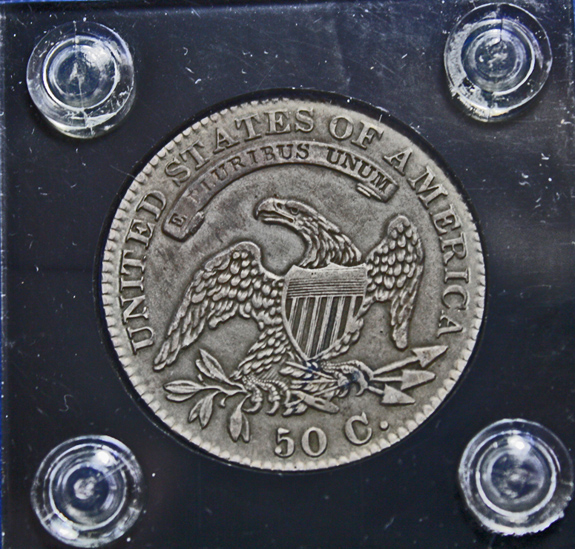
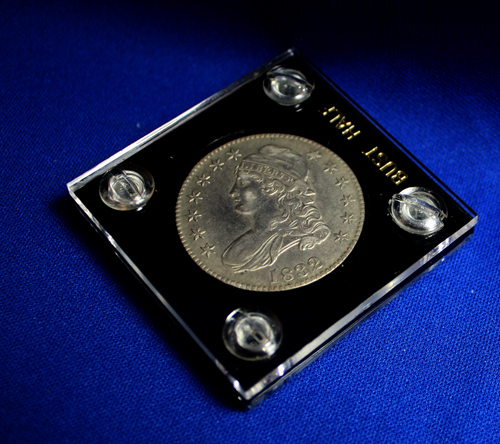
Woah. Nice coin! SUper nice holder too. I think this to be a ms63 coin. Hard to see details on obverse do to the angle.
There is
absolutely no way to come to such an accurate opinion based on these images, and for the sake of the newer numismatists reading I can't allow your statement to go unchallenged.
Welcome to Coin Community, CollectorLady. The reason I was just so hard on the previous poster is that - as you know - condition is
everything in the evaluation of a coin and your images are insufficient to determine whether the coin has circulated or not. To throw out a grade number meaning your coin's worth is into 4 digits of Dollars is inappropriate and teaches the wrong lesson to those reading.
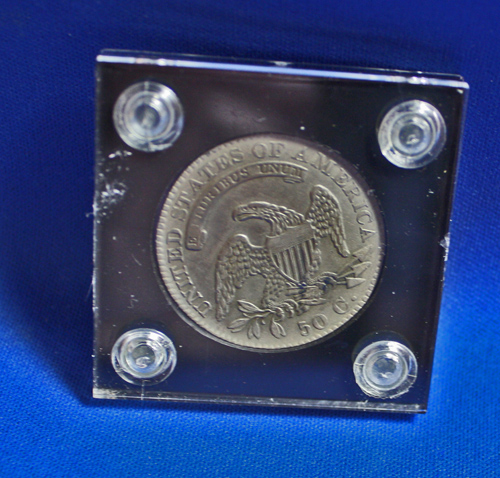
The reason I say this has nothing to do with the quality of your coin, and your images aren't bad. The just don't communicate enough information to make such a grading decision. The angled shot on the obverse distorts spatial relationships and the apparent surface condition, and neither are large enough to make the distinction between AU and MS, much less determine between MS grade levels.
In fact, the white spot on the cheek of your coin - not the highest place on the face and therefore unaffected by strike quality - is an almost-certain indication that the coin has circulated slightly. But I won't say for sure because I don't have enough information. I cannot evaluate the quality of the strike of your coin's obverse at all from an angled pic, so I won't post as if I can.
Grading coins, and grading coins from images, are two
entirely different skillsets, each requiring
thousands of iterations of practice (for
each denomination) to get a handle on. Worse yet, some of the rules you learn in each discipline are contradictory. It takes years to learn, and it's far more difficult if you're trying to learn both at once.
Further complicating things is the truth that wear and weak strike begin at the
exact same places on a coin. Even more complication lies in the vast difference in image quality and technique between two differing photographers. That makes evaluating a coin from images a two-pronged skillset - you have to evaluate the quality of the image, and what might be (unintentionally) misleading about it, as well as evaluating what even accurate imagery does to the apparent grade of the coin. A good in-hand grader will consistently undergrade good coin images. Digital photography does that to a coin, and frankly I evaluate the grading ability of a member here by how consistently they undergrade coins from images while they're learning the process.
Coin Community is dedicated to developing newer collectors. For any given thread, the number of readers who read but don't post - or are indeed
never going to post here - exceed the active participants by 5 or 10 to 1. Many people learn from each topic, and it's sometimes difficult to avoid excited newer collectors "running with the ball" out of a desire to help but unaccompanied by sufficient expertise, thereby misleading everyone reading who doesn't already know that opinion is unfounded.
In those cases I have to be the ignorant curmudgeon who calls someone out publicly to the detriment of my own reputation as a gentleman. That's OK with me, because protecting the newer members from harmful information is just as important as teaching them the good information.






 Posted 04/29/2015 01:10 am





 Sorry everyone. I couldn't see the pics well and I threw out a number. SOrry everyone. I am still learning and I should know that.