| Author |
 Replies: 18 / Views: 2,201 Replies: 18 / Views: 2,201 |
|
Valued Member
United States
61 Posts |
|
|
|
|
Pillar of the Community
United States
5964 Posts |
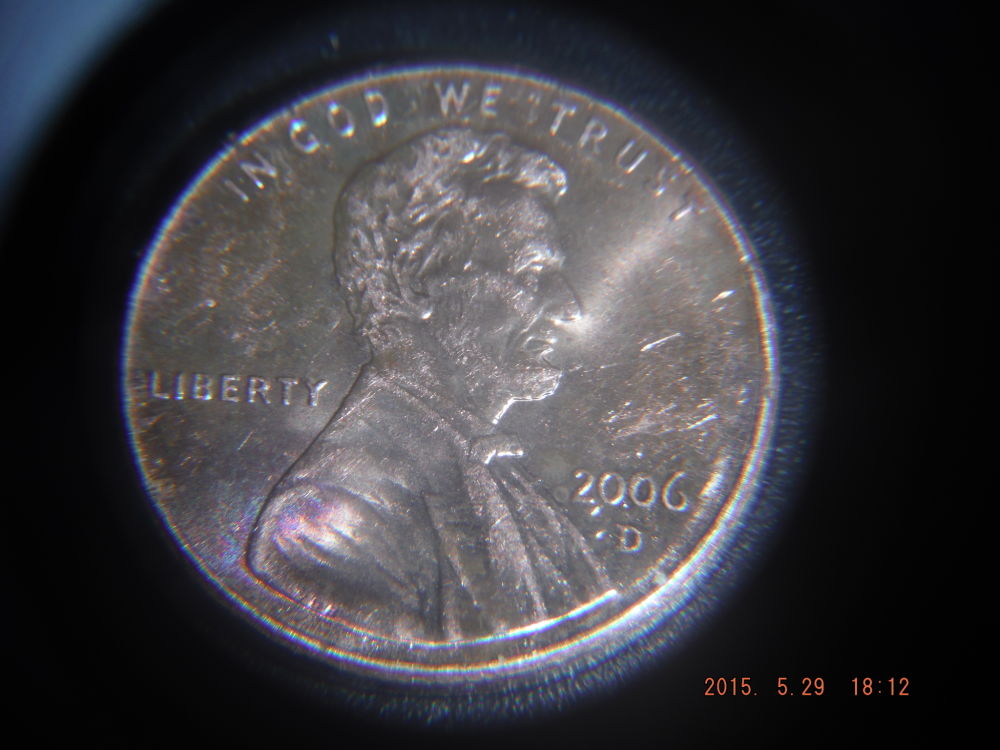
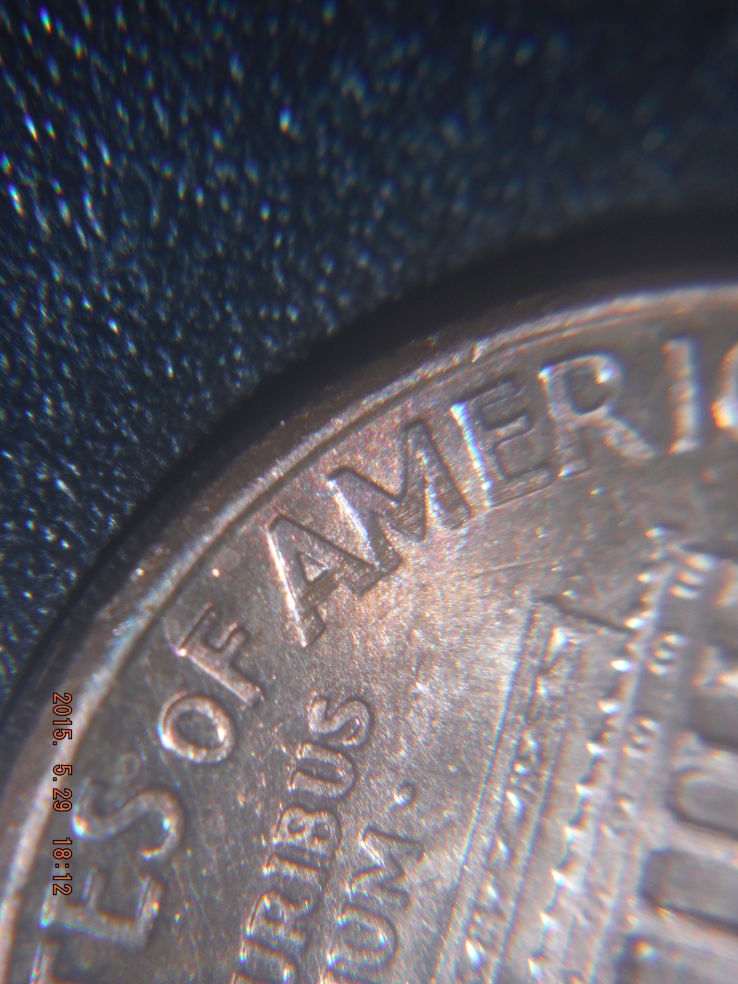
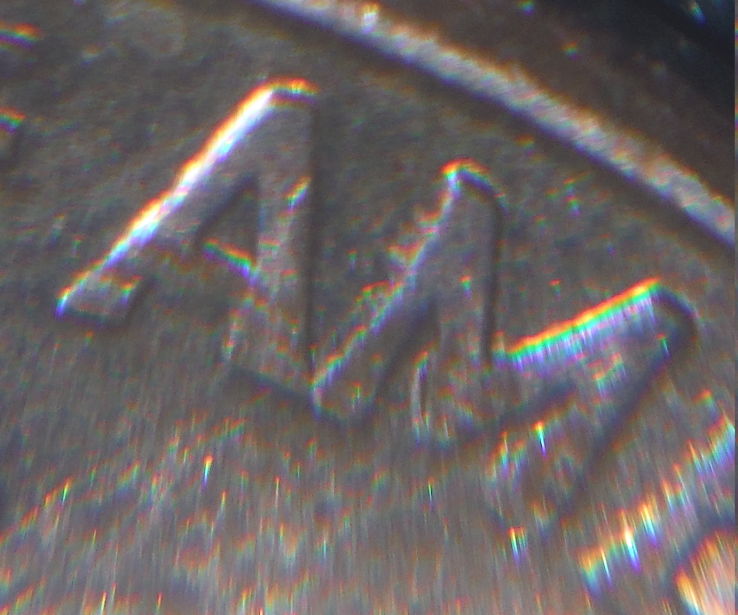
That is a " Close AM", as opposed to a " Wide AM". I believe it is normal for the year. |
|
Pillar of the Community
United States
5964 Posts |
Look for it on a 92 or 92-D. Look for a Wide AM on a 96, 98, or 2000. |
|
Pillar of the Community
United States
4809 Posts |
Edited by Rackster
05/29/2015 10:26 pm
|
|
Pillar of the Community
United States
5964 Posts |
|
|
Pillar of the Community
United States
1781 Posts |
|
|
Pillar of the Community
United States
3463 Posts |
Quote:Look for it on a 92 or 92-D. Look for a Wide AM on a 96, 98, or 2000. And Close AM on 1998-S and 1999-S Proofs too! |
|
Pillar of the Community
United States
5964 Posts |
Yuppers, cwb. I forgot the proofs.
|
|
Moderator
 United States
56855 Posts |
Kevin nailed it. John1  |
|
Pillar of the Community
United States
2376 Posts |
Wide AM's are known for the 99 business strikes.
|
|
Pillar of the Community
United States
1781 Posts |
cwb, The 1996 Wide-AM is very doubtful as it got "stolen" a week or so after a 1995 Wide AM was discovered and proven to be a fake. Both had severely rotated dies, the '95 was put-together like the double-headed novelty coins ( PMD). After an investigation by Coin World due to complaints by a Coin Show Bourse Chairman about the theft, (which supposedly occurred as the owner of the 96 mad a stop on the way home from the show), many of the details were proven to be outright lies. My co-author Dr. Brian Allen and I yanked the 1996 out of the second printing of the 3rd edition of our book, Strike It Rich With Pocket Change due to questions revolving around the alleged theft by two black guys (where have I heard that story before?). That individual has since left the hobby. |
|
Bedrock of the Community
United States
62064 Posts |
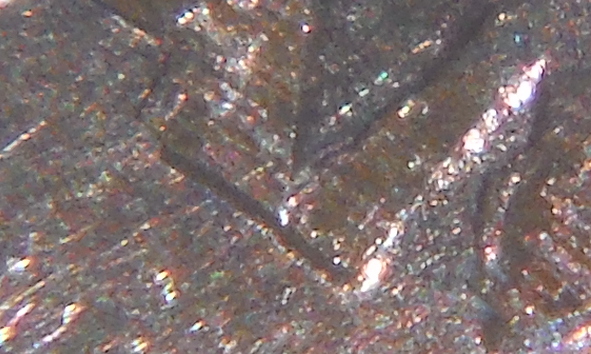
Looks like a coin wrapper damaged the devices on the reverse.
|
|
Pillar of the Community
United States
3463 Posts |
I agree with Ken about the 1996 Wide AM, it is questionable at best. We know that there is at least one of them out there, real or not. Chances are it isn't genuine. With today's technology counterfeiters are getting very good at what they do. The 1995 Wide AM was an obvious fake, even a novice collector would have picked up that something wasn't right about it. With the reverse design of the cent experiencing so many changes in recent years, the chances for errors such as the wide/close AMs, exists. The first time the cent saw a major design change in 1959 with the introduction of the Lincoln Memorial reverse, there was supposedly at least one example of a 1959-D with the wheat ear reverse. This cent too is controversial, but has been verified as genuine. The cent has had 6 different reverse designs in the last 6 years. Are there any 2010 cents with a commemorative reverse? How about 2009's with a memorial reverse? Errors like these could easily be overlooked. |
|
Valued Member
 United States
61 Posts |
|
|
Pillar of the Community
United States
3463 Posts |
Edited by cwb
05/30/2015 2:34 pm
|
|
Pillar of the Community
United States
5964 Posts |
It is called a Wide AM if a sheet of paper fits between the A and the M, with a little wiggle room. If the A and the M are close, it's called a Close AM. With the designer's initials close to the Monticello, it is a Wide AM. When there is a wide gap between the initials and building, it is a Close AM. That is good way to be sure until you get used to seeing them. |
| |
Replies: 18 / Views: 2,201 |







 Posted 05/29/2015 10:19 pm





