| Author |
 Replies: 9 / Views: 2,449 Replies: 9 / Views: 2,449 |
|
|
Pillar of the Community
United States
4809 Posts |
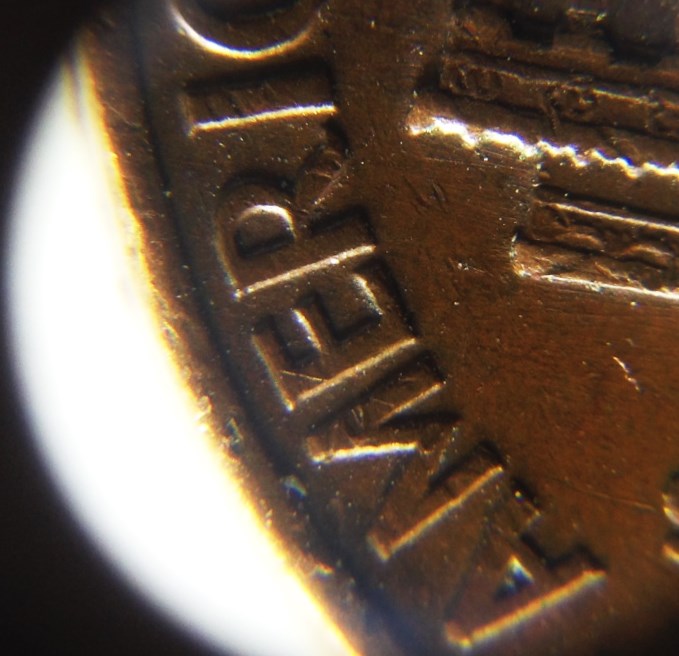
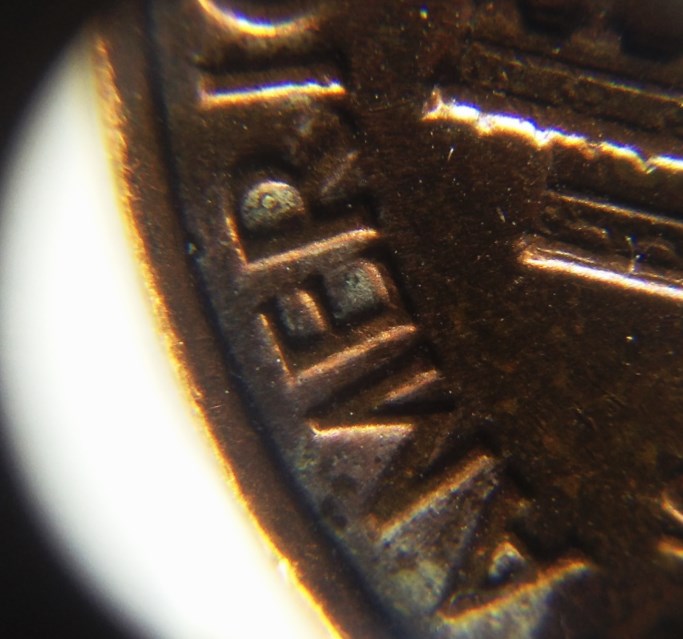
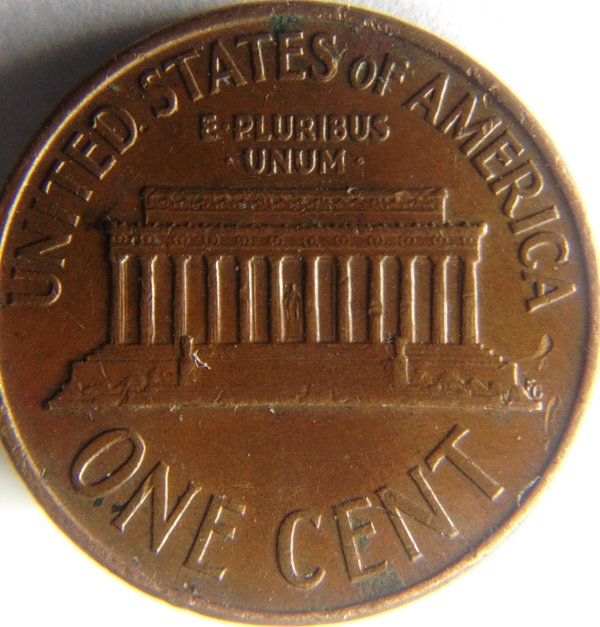
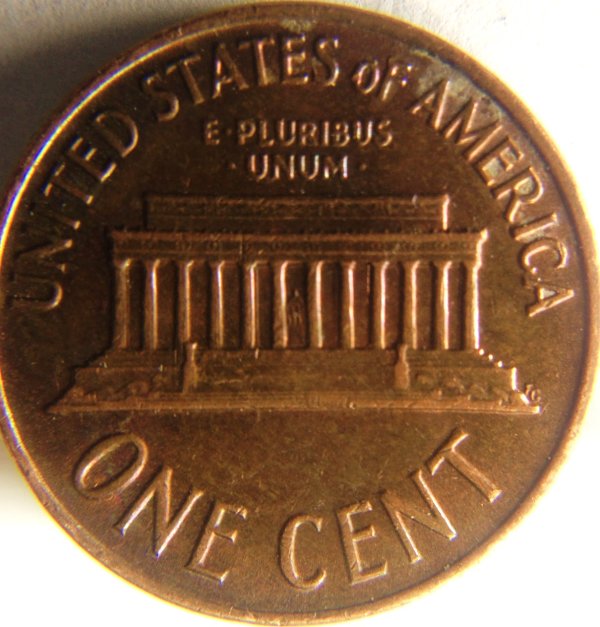
I noticed that the devices on the reverse design on a couple of 1964 LMCs were different; one flat and wide, the other narrower. I did a quick check and see RDV001 was employed for a number of years before RDV002 appeared. I'm also pretty sure that if there were a transitional design, it wouldn't have occurred in 1964. Any idea why the designs are different? 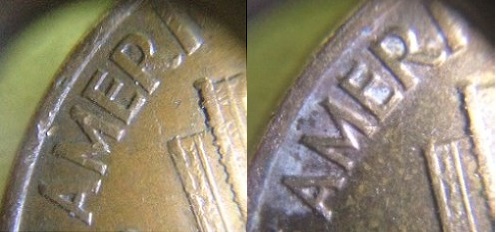 *** Moved by Staff to a more appropriate forum. *** *** Moved by Staff to a more appropriate forum. *** |
|
|
|
Bedrock of the Community
United States
62064 Posts |
|
|
Pillar of the Community
 United States
4809 Posts |
Hi Coop - excellent pic's and thanks for the detailed response!! You may have diagnosed the issue, but if you'll indulge me a bit further. The larger, flatter devices appear on the top coin. I should also note that I detect small knit lines in the E in America and another at the bottom of the loop in the R. The bottom coin is what I thought might be an MDS specimen. I see lines on the surface heading towards the rim; pretty typical I suppose. 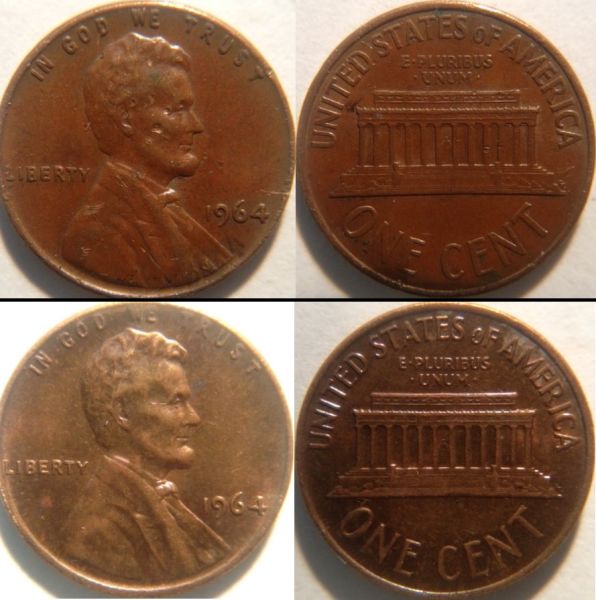 |
|
Pillar of the Community
United States
4809 Posts |
|
|
Bedrock of the Community
United States
62064 Posts |
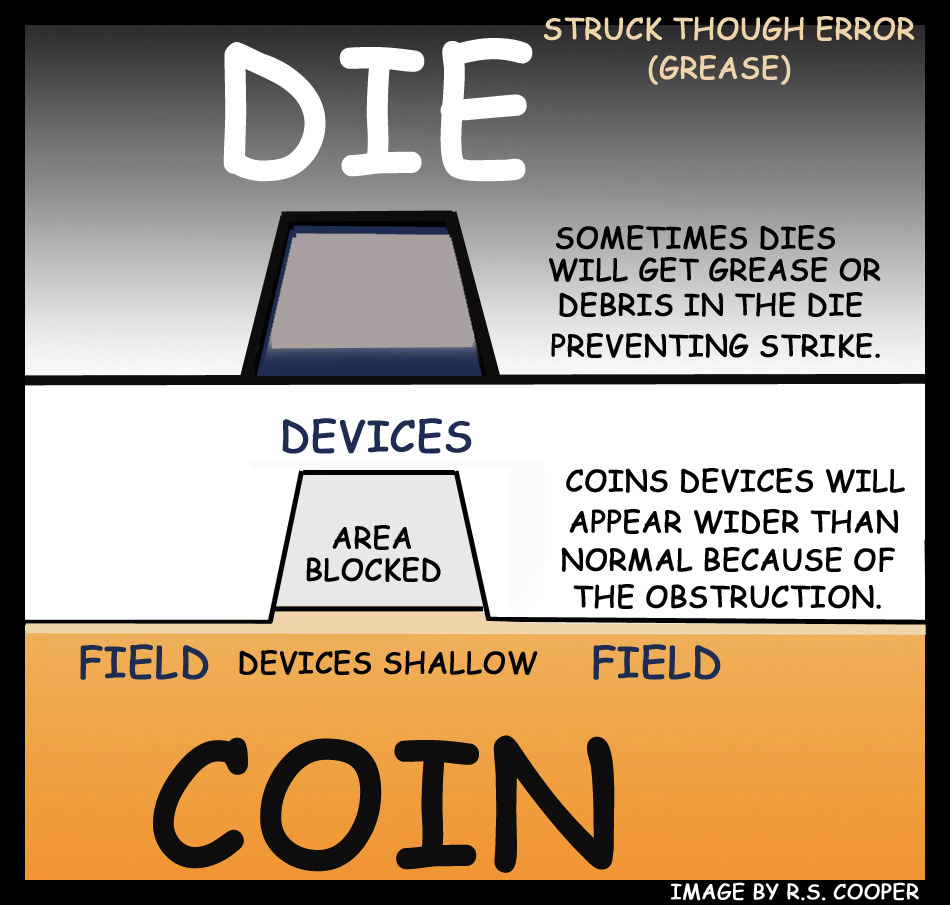
The marks on the tops of the devices are coin/circulation damage. This can flatten devices or leave lines on the devices. Remember if it is incuse on the coin, it usually is damage to the coin. If it is raised from the coin, it is a die issue. Die dent/damage: 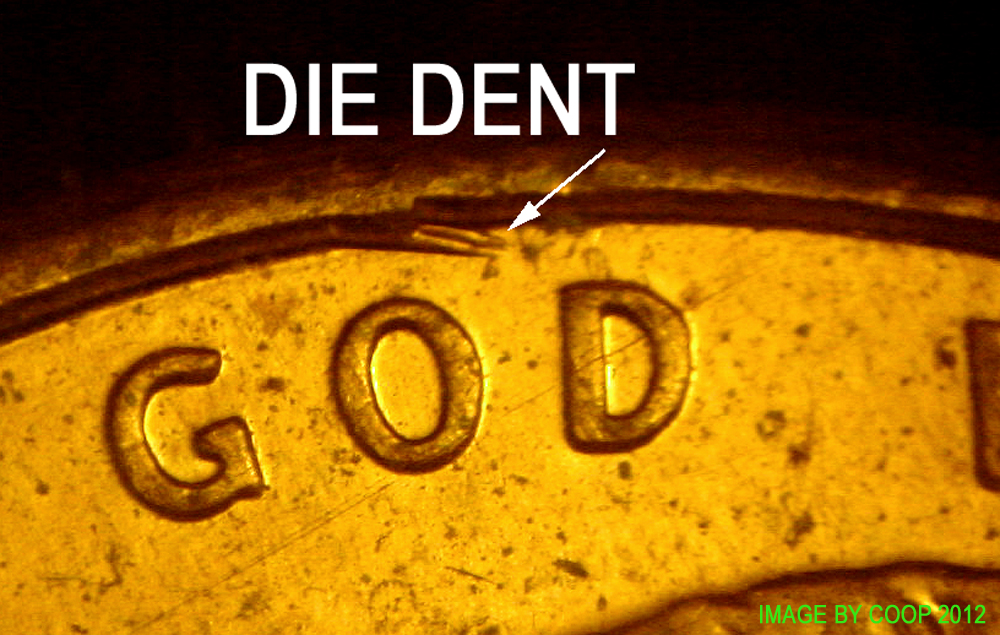 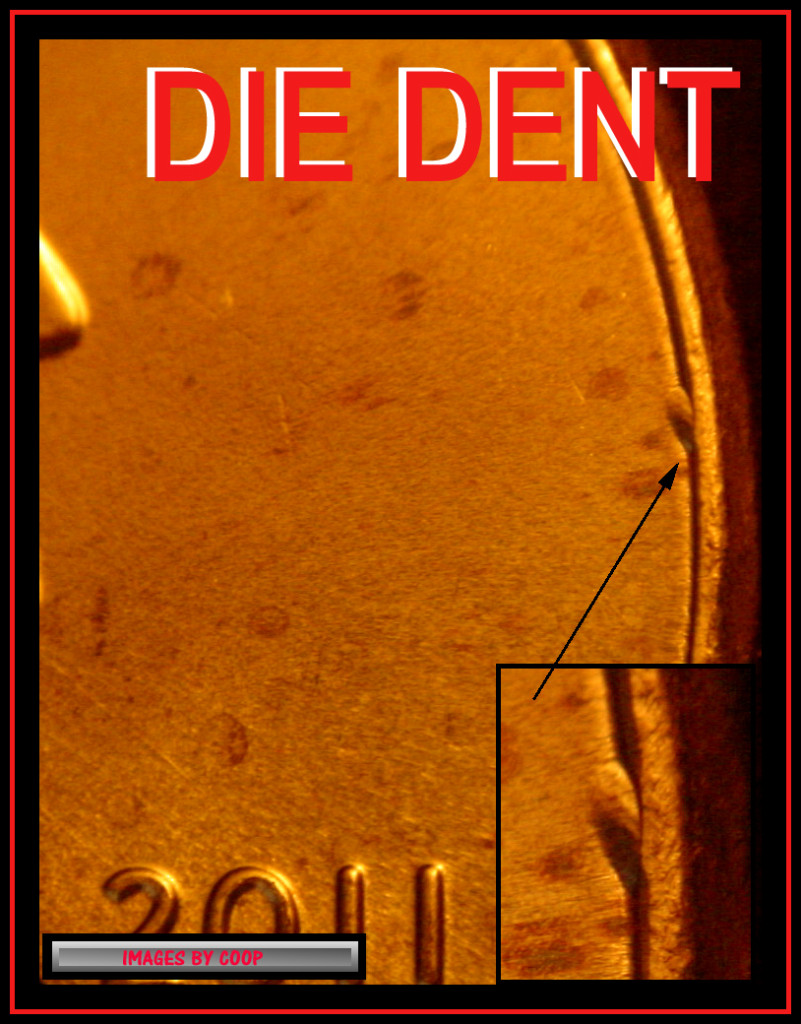 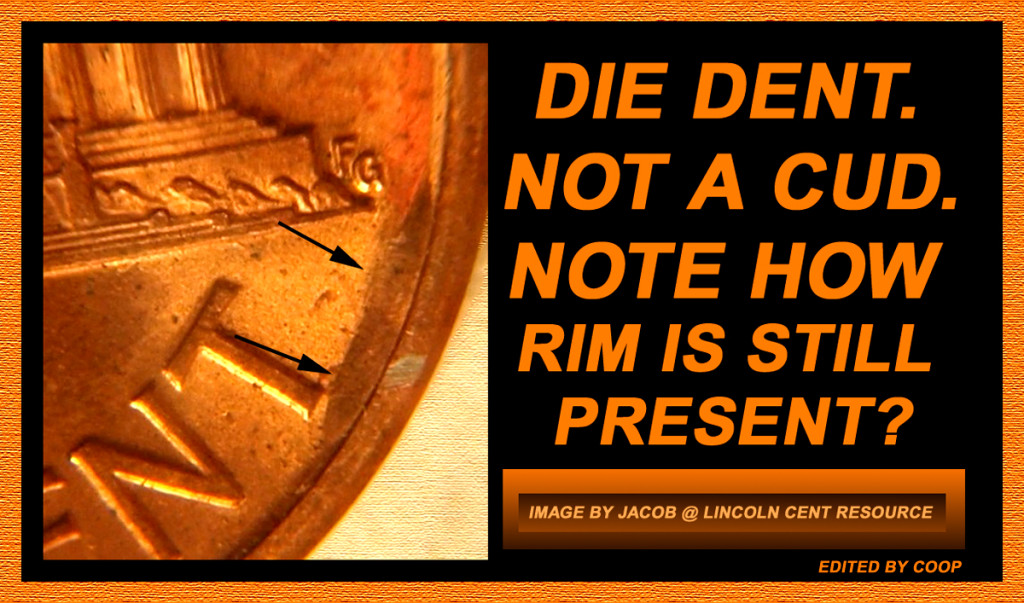 Die polishing damage 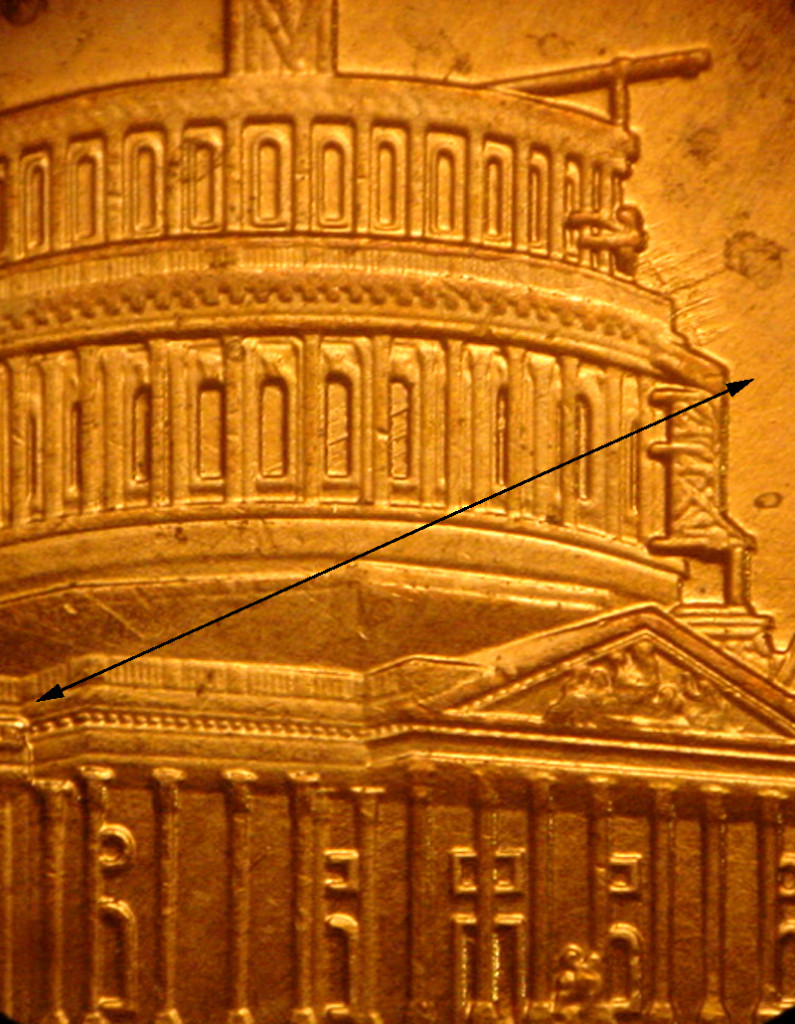 Feeder Finger Damage Feeder Finger Damage to the die: 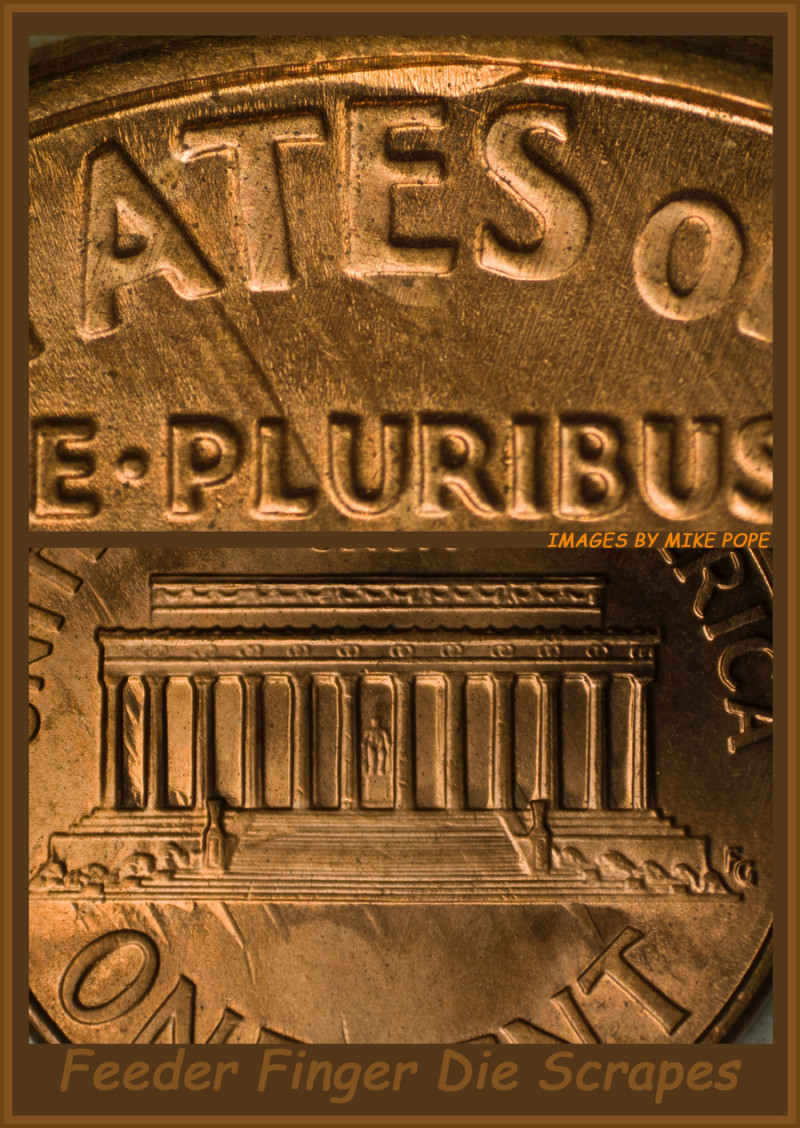  Coin damage: 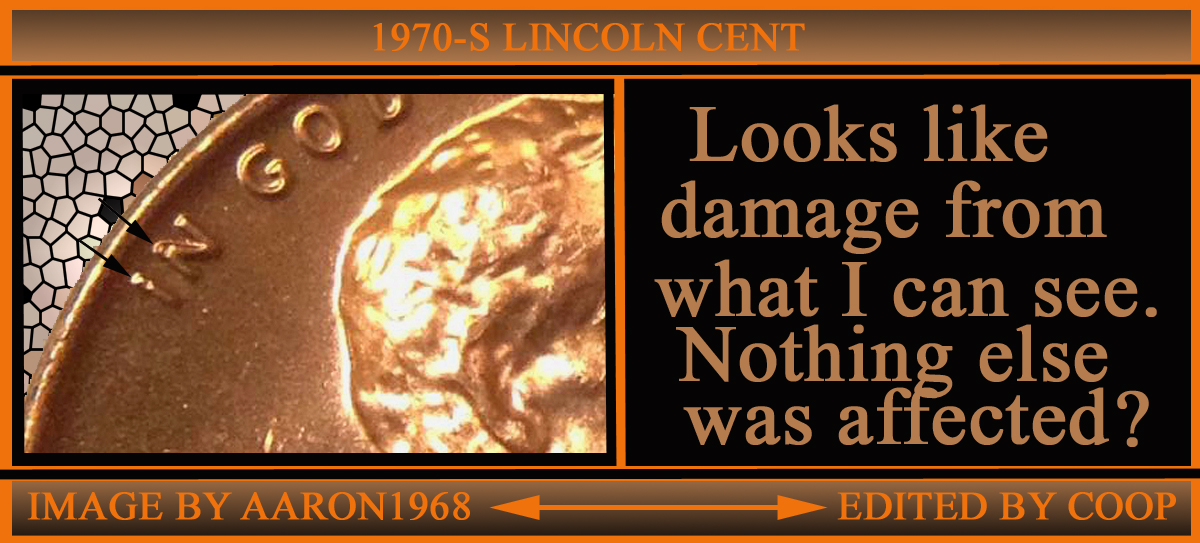 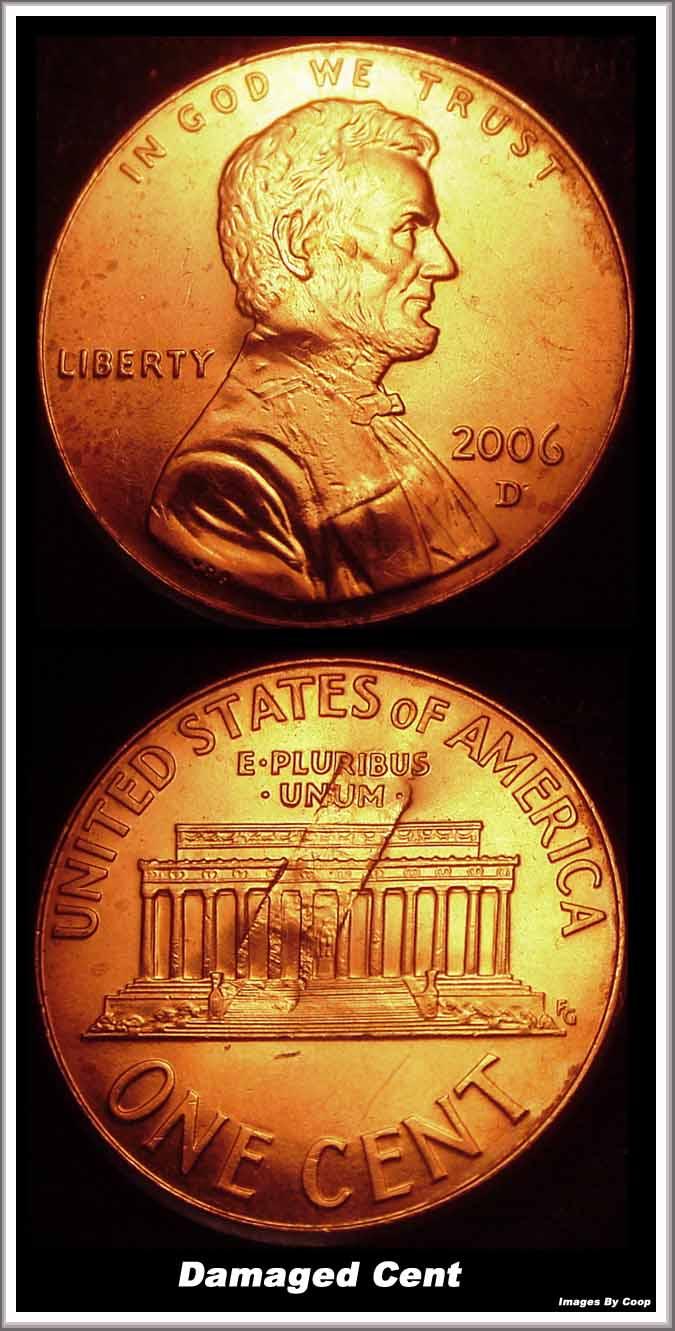 Coin damage on incuse devices:  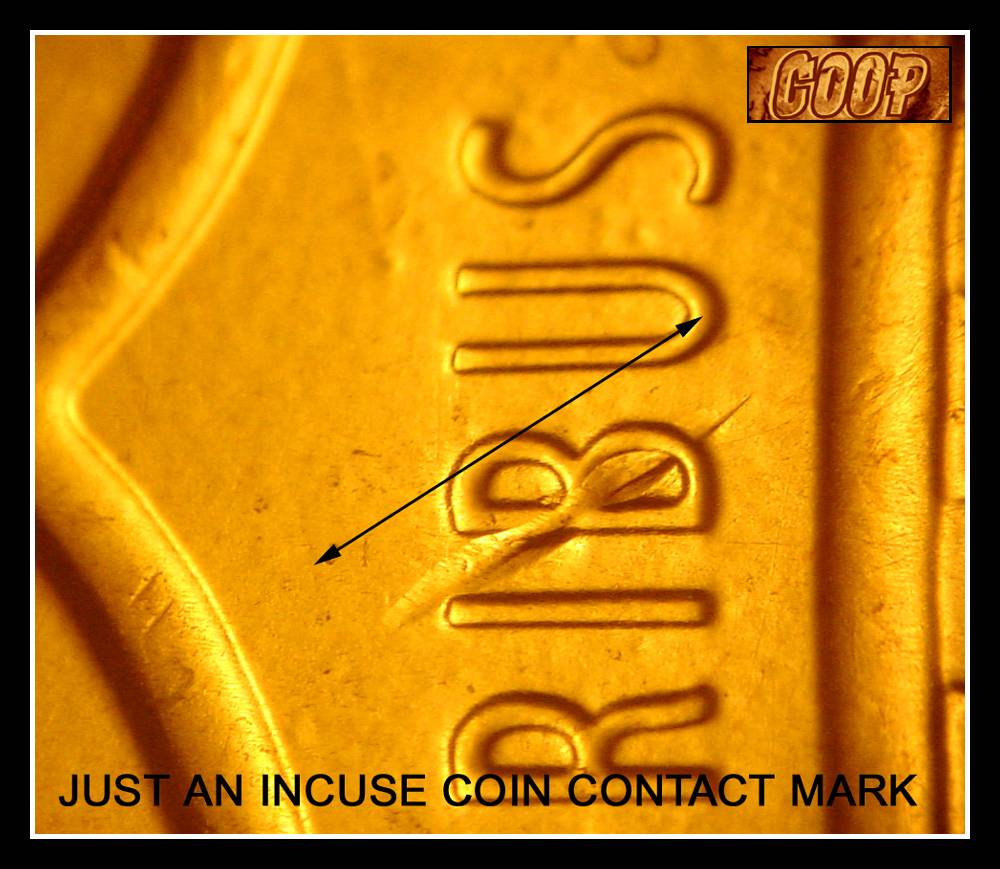 A few more bases covered. |
|
Pillar of the Community
United States
4809 Posts |
Hi Coop - thanks for the additional pic's, especially the ones showing Feeder Finger Damage. I had a few specimens in a coin tube I now know what to do with (recycle). The line I'm speaking about does not appear incuse and is generally centered within the center bar of the E. I can't seem to capture it well with the camera, but I'll play some with the lighting to see if we can get a better read. I suppose that one of the two specimens above comes from a worn die. The subject specimen appears to be from an earlier die state thus where the problem is in my mind. I would expect wider devices to be associated with the refaced/polished die or a die packed with grease as you note above (not to mention uneven throughout). Do I have my thinking backwards on this? The designers initials appear consistent on both coins which suggests the same master die. But the crispness of the devices on the subject coin has me stumped a bit. Thanks for hanging in there with me on this. |
|
Pillar of the Community
United States
4809 Posts |
After reading a recent thread it reminded me of this one. Unfortunately, the pictures I took are substandard and the coins, long gone. I tried to clean them up, but little could be done to improve them. However, I wanted to point out on the middle bar of the E there is a discernible black knit line. Ken mentioned master hub doubling (different year), but is it possible here? Or is it as Coop diagnosed? Either way, it was good to reread Coops information. 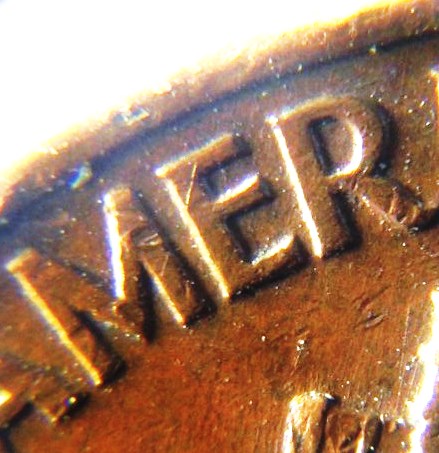 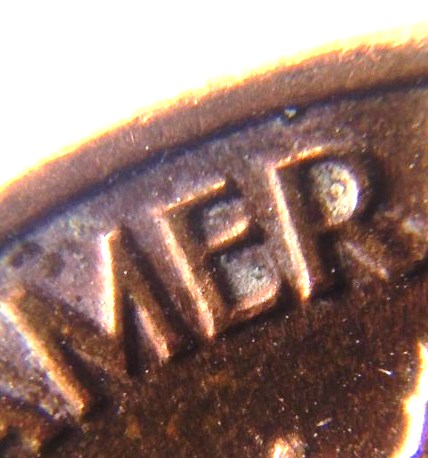 |
|
Bedrock of the Community
United States
62064 Posts |
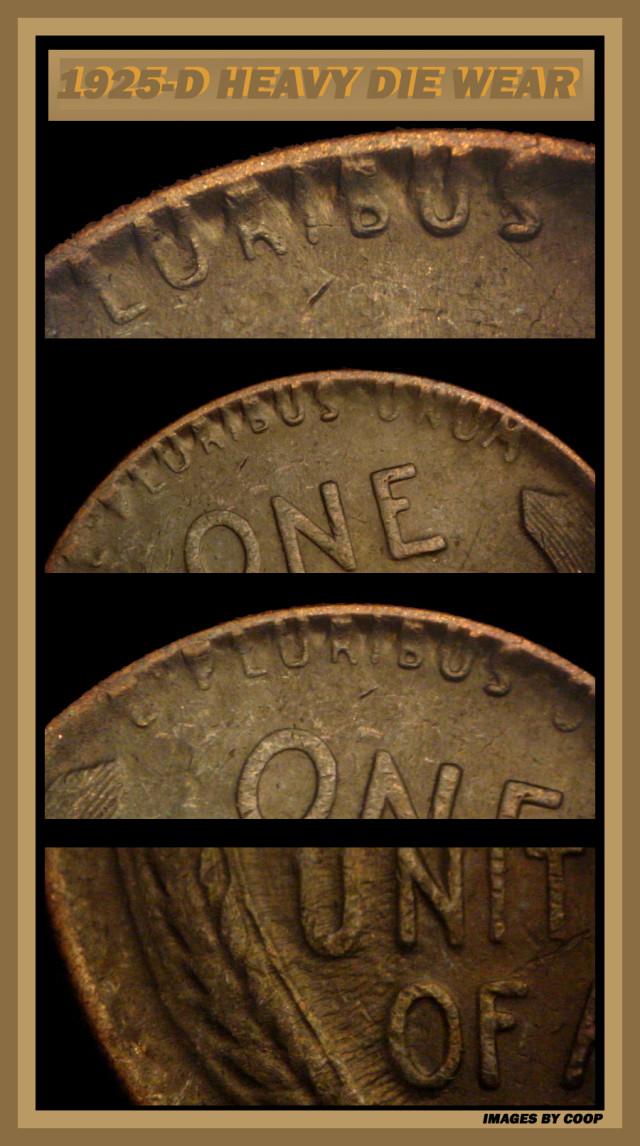
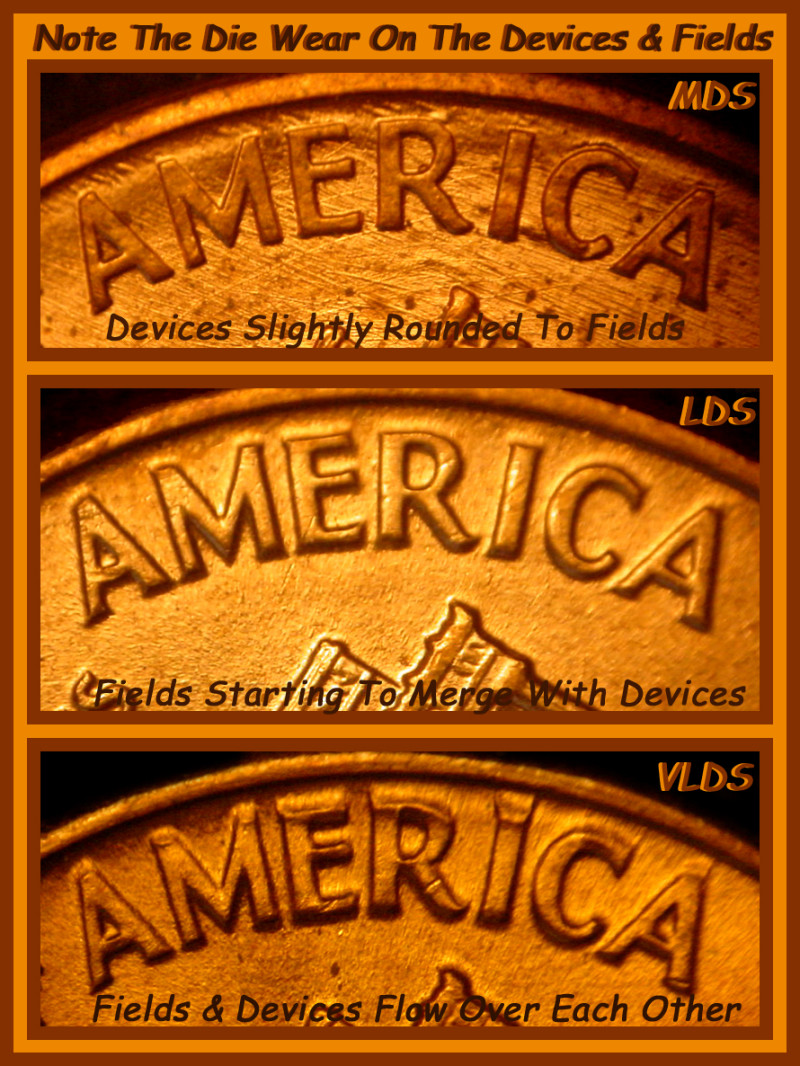
Note the fields on your coin. You can see the die flow on them and also on the devices. I refer this a snow drifting. It flow on the fields and over the devices: 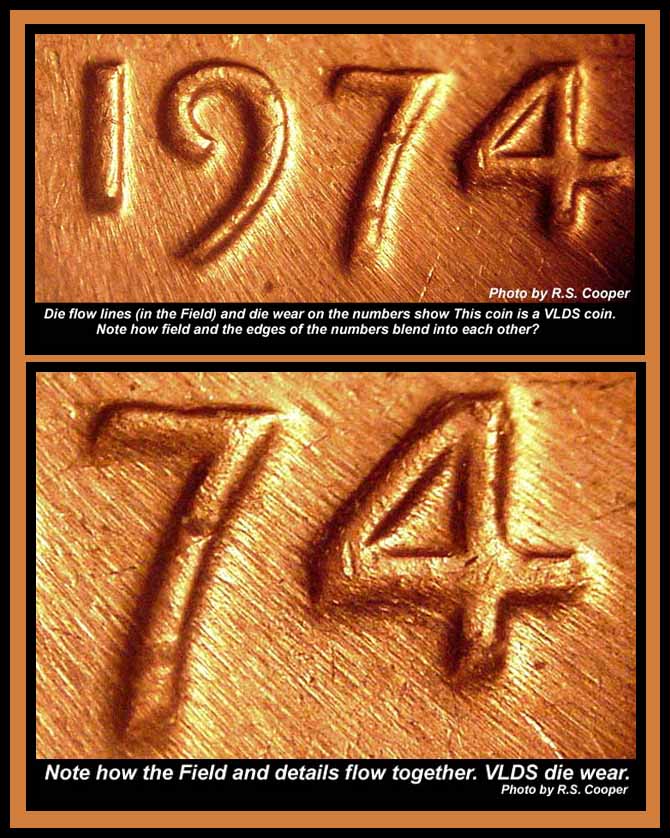 Note how the die flow is trying to level the coin. The edge between the field and 4 is moving because of die wear. It is not a pretty site. But it is the dies way of showing its age.  On this one you can see the devices flowing toward the rims. 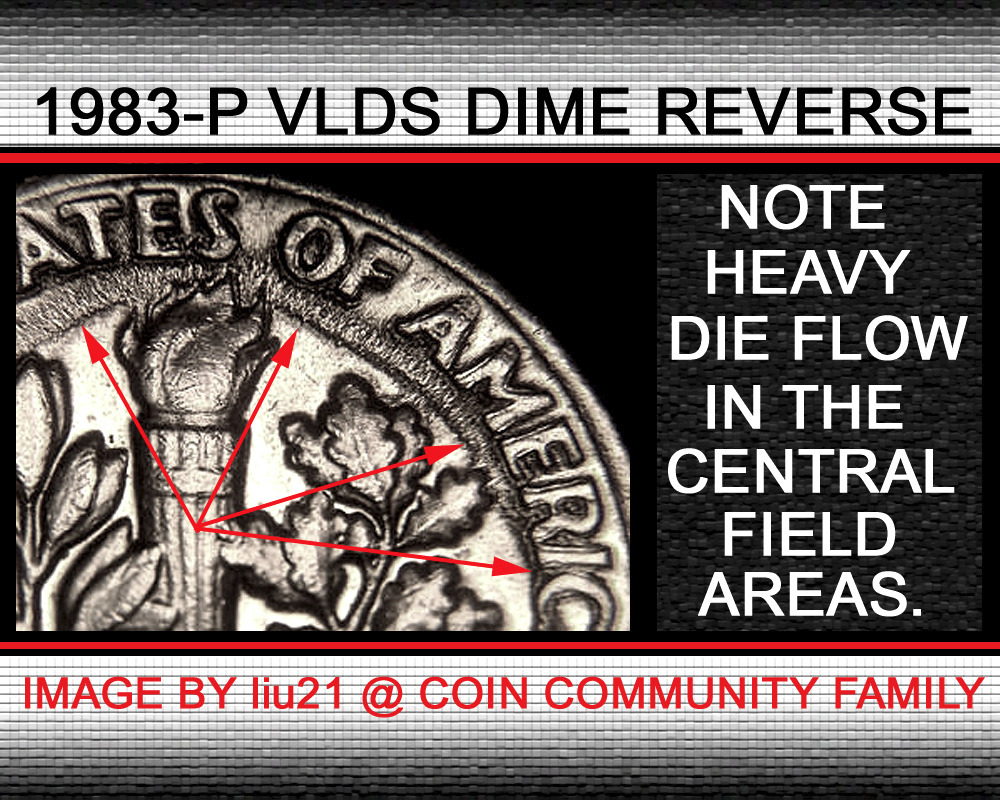 uploaded/coop/1983-P_roosey_reverse_vlds_liu21_ccf__A.jpg |
|
Pillar of the Community
United States
4809 Posts |
Thanks Coop - I have a bunch of 64s to go through so if I see that knit line again I'll post better pics.
Drift is a good word to use; looks like the swept snow as you describe. The T&D guys I worked with called it die wash. Any way it's put; worn dies. That '51D posted elsewhere are one of those frustration coins for me when found. Makes me wonder what folks were thinking when pairing new with old. Plenty of drift (and drifted over) on that specimen.
|
|
Bedrock of the Community
United States
62064 Posts |
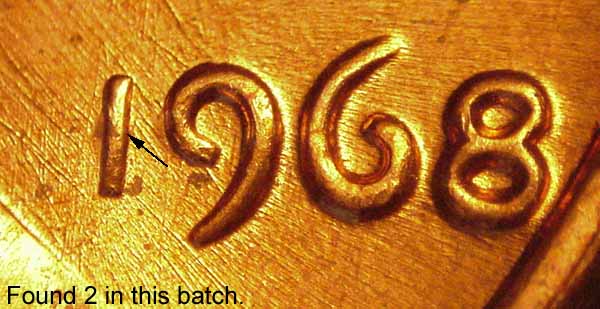
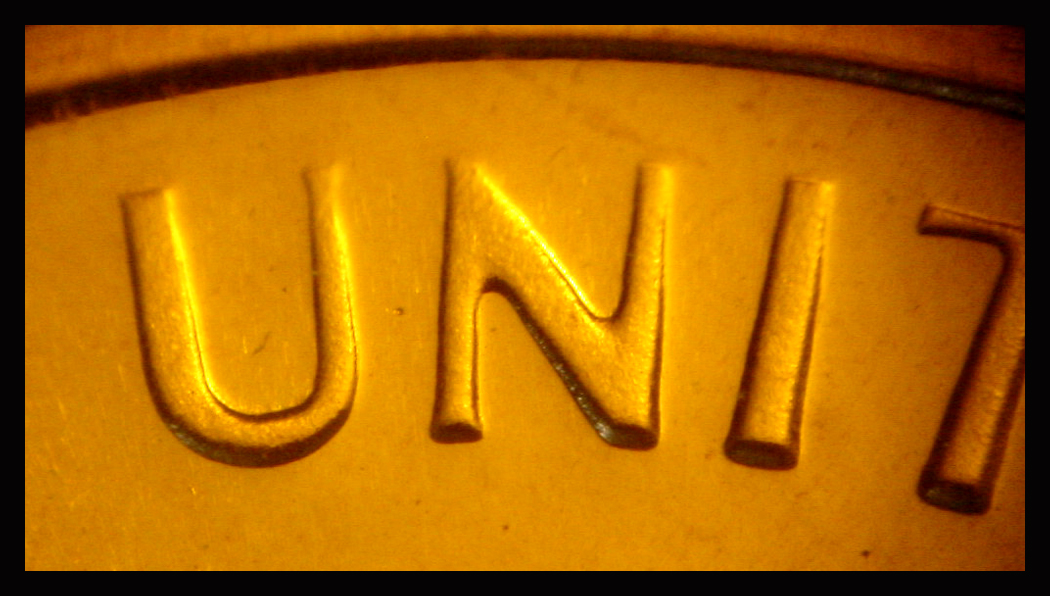
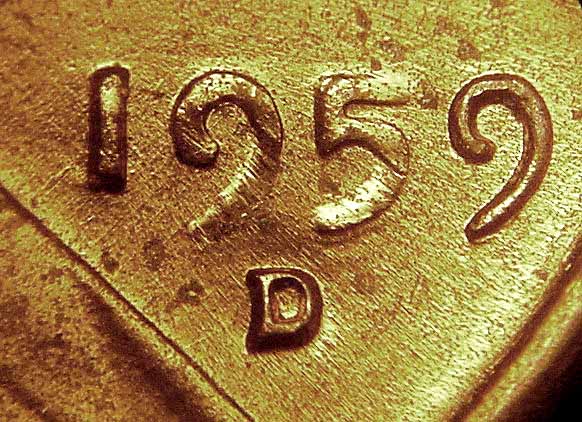
Your last two images are different years of coins correct? Note how the top image has wider devices and the lower one thinner devices. But in the top one it looks like slight machine damage in the areas you are pointing out. It may have affected just that isolated area during the strike.
Tip of the day:
When making side by side images of coins, use the same year/mint mark to see if it is mint issue. This could be different if different master dies were used. Also same sure to crop them exactly the same and sized the same. IE on LIBERTY, cut the devices on the outside edges of the same devices to make your side by sides. Also keep as many as possible in the image, or at least 3-4 devices per image. When you take an image of less that 3 you can get the sense of the overall size of those devices. If the image needs to be too close to see something, then it is too minor to be valuable.
|
| |
Replies: 9 / Views: 2,449 |
|












 Posted 07/03/2014 08:03 am