| Author |
 Replies: 14 / Views: 10,578 Replies: 14 / Views: 10,578 |
|
|
Valued Member
United States
89 Posts |
|
|
|
|
Valued Member
 United States
89 Posts |
By the way the cc stood for coin collecting, though I'm pretty new to Coin Community too.  |
|
Pillar of the Community
United States
1295 Posts |
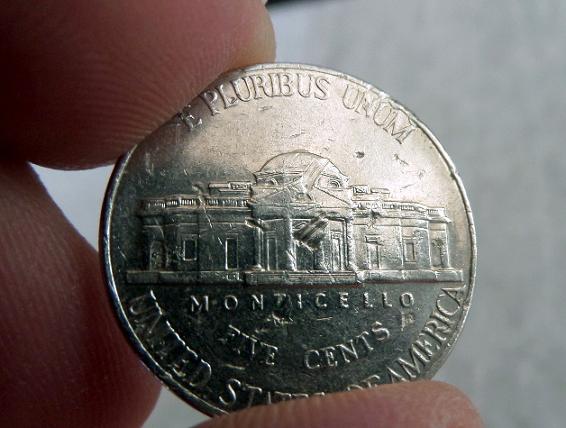
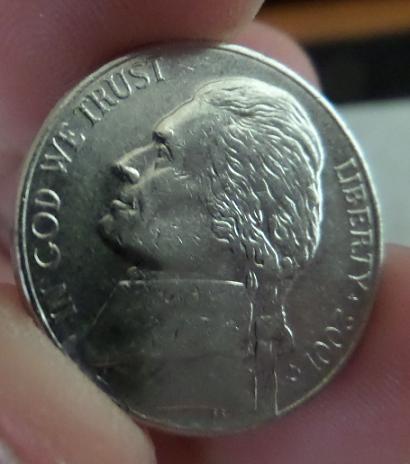
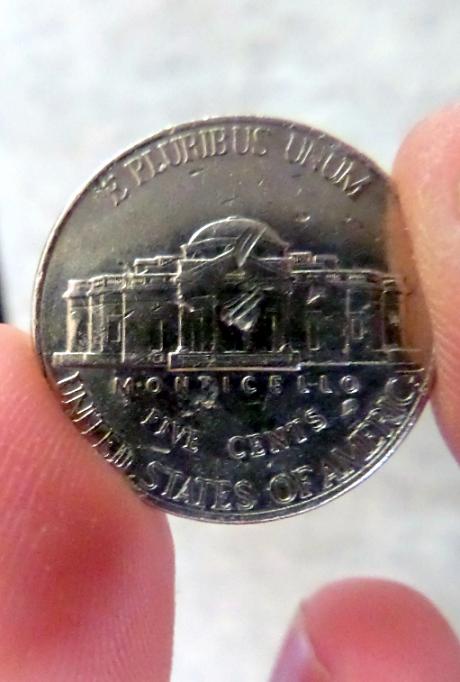
It looks like a coin that was sitting in a parking lot and got damaged. What area in particular are you wondering about?
|
|
Valued Member
United States
89 Posts |
The dome and above main entry. Looks like a mint error to me, but what do I know.  |
|
Rest in Peace
United States
7075 Posts |
Sorry, but I think that coin is just damaged.
Keep hunting and good luck.
|
|
Moderator
 United States
23522 Posts |
Quote:Looks like a mint error to me, but what do I know. You know enough to ask questions and then listen with an open mind. That's a lot more than you think, and more than many members here.  The key is knowing the process of minting coins. When you know the basic process of creating a die and how a mint press operates, it will be intuitively obvious to you that this coin is postmint-damaged because you'll be able to think of nothing in that process which could end like this unless everybody in the building looked the other way while the machinery was tearing itself up. This will come, with time. Numismatics is a study whose process measures in decades. |
|
Valued Member
United States
89 Posts |
Thanks Rollsearcher & Buddy! |
|
Bedrock of the Community
United States
62064 Posts |
It is like a car. If someone ran into something and damaged damaged a fender, would that be a factory error? It was damaged after it left the car factory. On your coin the tops of the devices were damaged. Possibly reeding from another coin? But it is still PSD. (Post-Strike-Damage) |
|
Valued Member
United States
89 Posts |
https://goccf.com/t/233369#1948930 Dave...truly appreciated.  I definitly need to focus more on the minting process and how to distinguish PMD vs mint errors. Thanks so much for your time and for reminding me to dig a bit deeper!  Sorry for the slow reply...company & cubbies have been a destraction. |
|
Pillar of the Community
United States
5964 Posts |
Dave truly gave you some very good advice, Jad. While the part about decades sounds like a long time, there are many things you can learn in the interim. Each one helps you identify different aspects of coins. One ace you can pick up right away is the fact that PSD is usually depicted by incuse damage rather than relief. |
|
Pillar of the Community
United States
7390 Posts |
Edited by Cascade
06/23/2015 10:49 pm
|
|
Valued Member
United States
89 Posts |
A BIG THANKS to CoinMasters and Cascade!! When I looked at Cascades pics it reminded me of visiting the Vulcan in Birmingham, Al.  |
|
Valued Member
United States
89 Posts |
https://goccf.com/t/233369#1949071 That's what I'm talking about...help me grow!  So, focus on relief errors vs incuse...that was easy enough.  Some teachers are better than others for a reason! |
|
Pillar of the Community
United States
4932 Posts |
Quote:
Numismatics is a study whose process measures in decades. Too bad it's not centuries. I'd do this hobby for an eternity. It's just that great. |
|
Pillar of the Community
United States
2376 Posts |
Coin Masters gave you your first word problem , he said "usually depicted by". Yes, most PSD is incuse in some way but only concentrating on errors that are in relief may cause you to miss some things. A short list of incuse errors: Die Clashes Struck through errors Brockage Incomplete Punch Agood site to browse and learn from , http://www.error-ref.com |
| |
Replies: 14 / Views: 10,578 |
|









 Posted 06/23/2015 7:18 pm