Posted 06/23/2015 11:29 pm


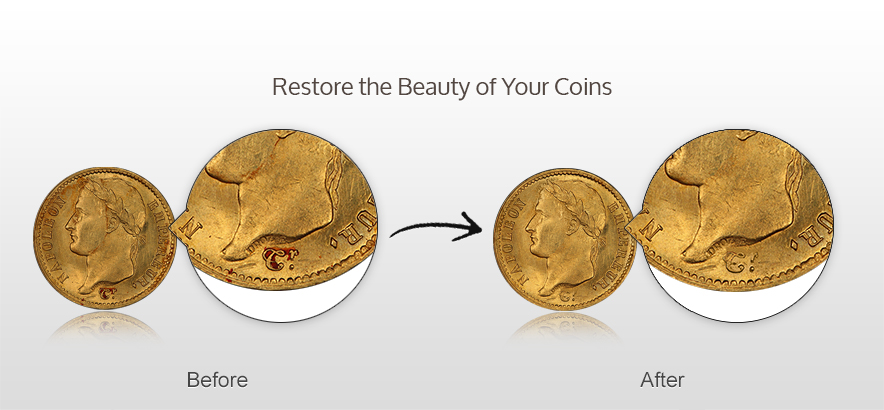
According to my interpretation of the PCGS info page on their restoration service, the answer is "yes, they should".
I would include lacquer as something "applied" to a coin through "improper care or storage". "Improper" is, I suppose, a relative term. After all, I highly doubt that a red copper coin lacquered 100 years ago would still be red today if it had never been lacquered.
Quote:
from the PCGS site:
Surface Contaminants
- PCGS Restoration will remove any contaminants that are determined to have been deliberately and artificially applied. Examples include putty, dumdum, grease and other substances known to be used by "coin doctors."
- Restoration will remove contaminants introduced to the coin's surface through improper care or storage. Examples include PVC or Verdigris...
from the PCGS site:
Surface Contaminants
- PCGS Restoration will remove any contaminants that are determined to have been deliberately and artificially applied. Examples include putty, dumdum, grease and other substances known to be used by "coin doctors."
- Restoration will remove contaminants introduced to the coin's surface through improper care or storage. Examples include PVC or Verdigris...
I would include lacquer as something "applied" to a coin through "improper care or storage". "Improper" is, I suppose, a relative term. After all, I highly doubt that a red copper coin lacquered 100 years ago would still be red today if it had never been lacquered.
Don't say "infinitely" when you mean "very"; otherwise, you'll have no word left when you want to talk about something really infinite. - C. S. Lewis

 But seriously, could they do it?